In May, Spain supports Rebi's 14 MW biomass heat network expansion
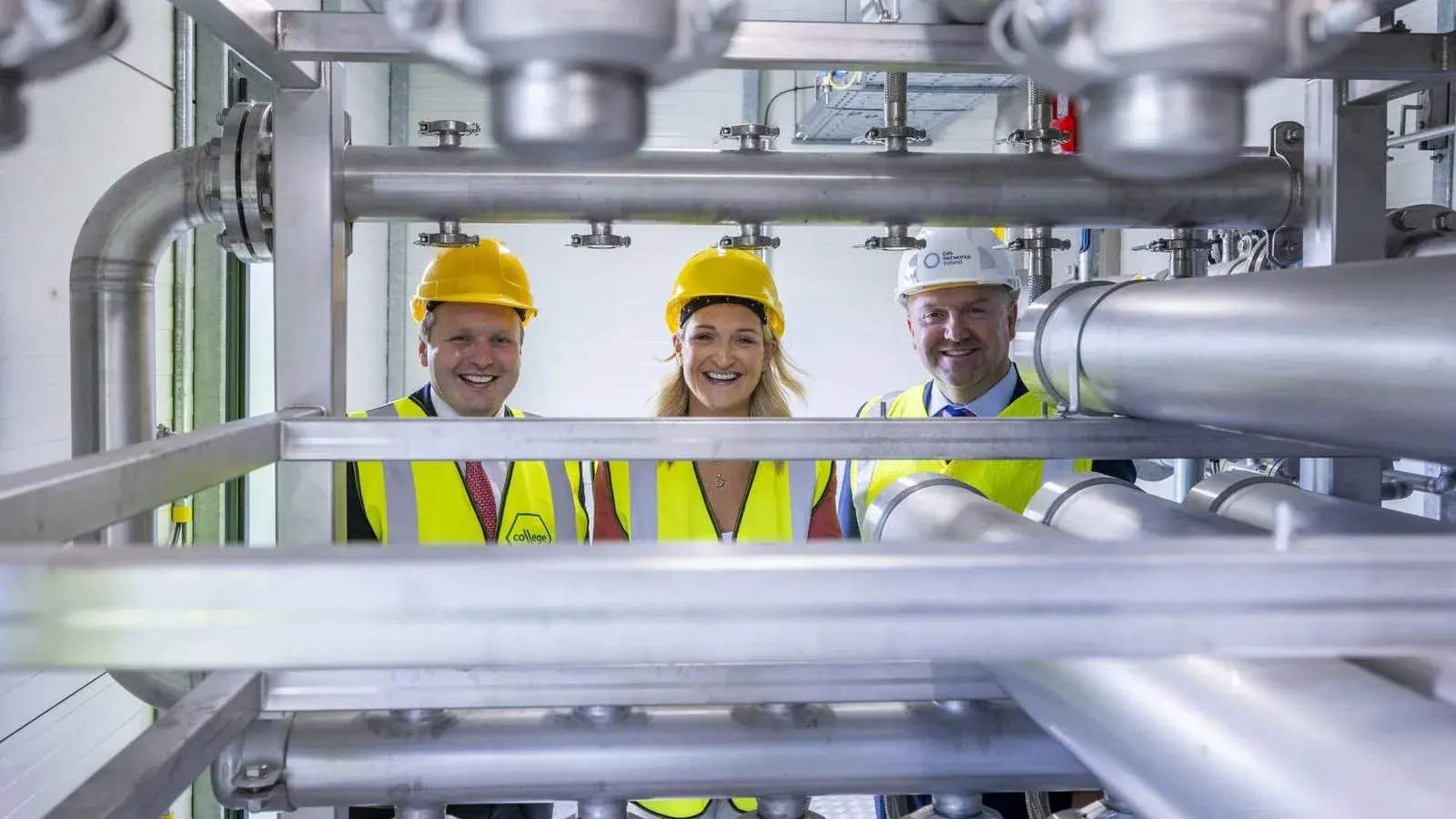
en.Wedoany.com Reported - On May 28, Spanish Secretary of State for Energy Joan Groizard visited the "Soria II" thermal power plant of Rebi in the Las Casas Industrial Estate in Soria to inspect the facility's potential for emission reduction using biomass energy.
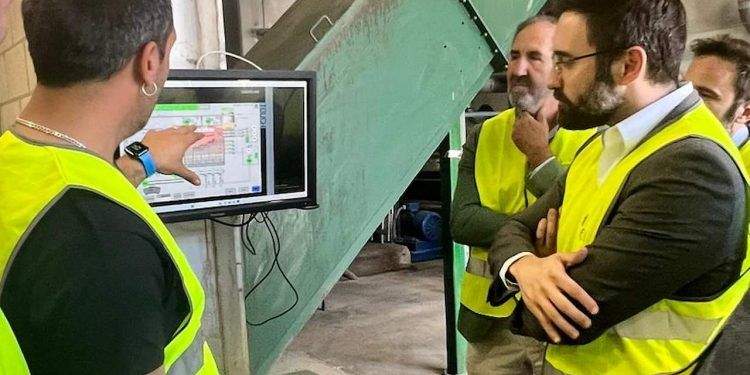
The facility relies on sustainable forest biomass to drive industrial decarbonization projects, with its technical solution significantly reducing natural gas consumption in the production process.
The "Soria II" technical expansion project can provide 14 MW of thermal energy for use by surrounding factories. This heat network system uses biomass energy to supply multiple users in the Las Casas Industrial Estate.
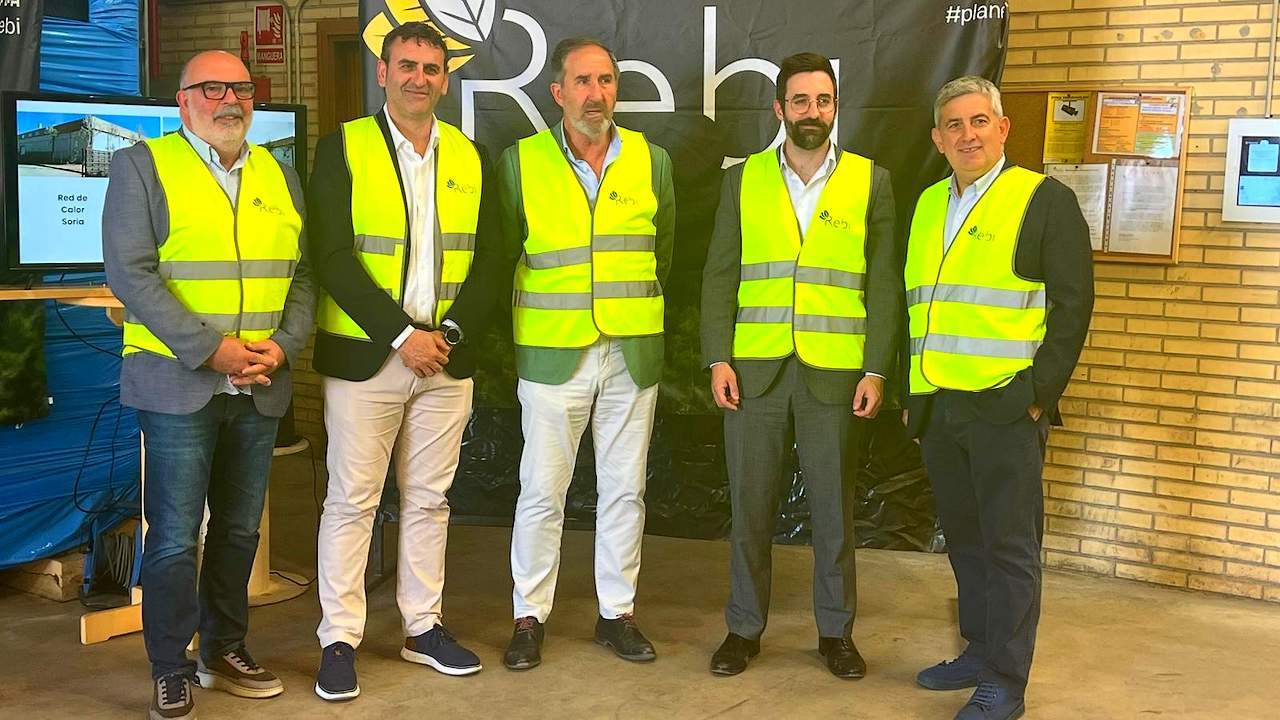
The heat network design allows companies such as Ficosa to utilize waste heat recovery. Energy previously dissipated into the atmosphere is now used to power the urban network.
Rebi CEO Alberto Gómez stated: "Soria is becoming a model of how the energy transition unfolds at the local level, connecting industry, cities, and renewable energy within the same infrastructure."
The Spanish Ministry of Energy has established a subsidy program allocating 271 million euros to 37 energy projects. The autonomous community of Castile and León received funding for 10 of these projects, two of which are located in Soria.
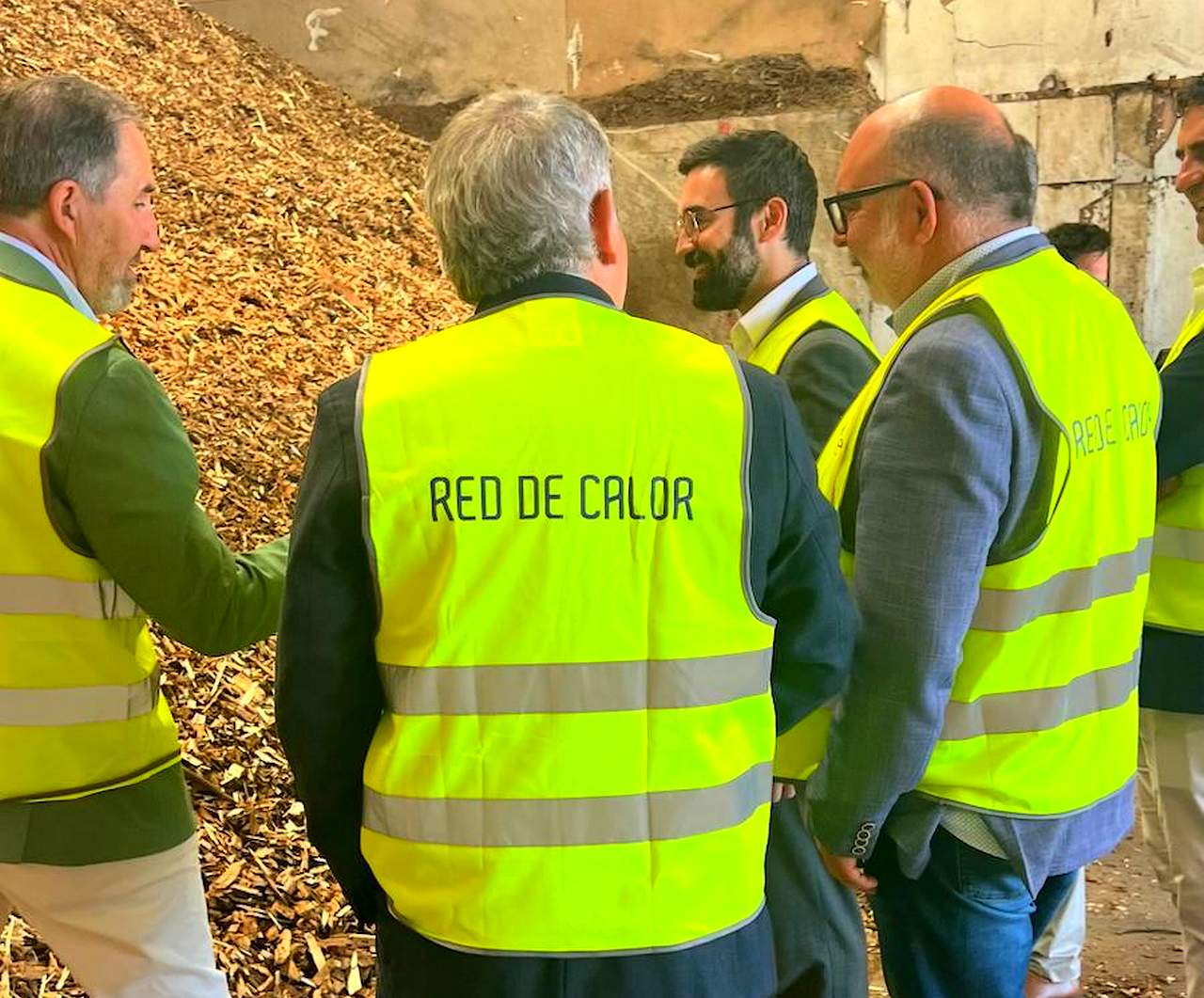
The Secretary of State for Energy emphasized: "Heat and cold networks are among the most effective and promising tools in the energy transition. We want to accelerate their deployment and have just launched a public consultation on specific regulations for this purpose."
In the city of Soria, these infrastructures now exceed 35 kilometers in total length, avoiding 21,800 tons of CO2 emissions annually. Currently, the network provides continuous energy to over 6,000 homes and buildings.
Rebi is exploring new possibilities for incorporating surplus energy from data centers into its management plans. The waste heat from these technical facilities can be directly injected into heating systems.
The eM-Numancia project in Soria has entered the public information phase. This model, commonly applied in Northern Europe, converts waste heat into a usable resource, aiming to stabilize energy supply by utilizing all available production.
Alberto Gómez concluded: "Heat networks are no longer just urban heating solutions but strategic tools to enhance industrial competitiveness and advance genuine decarbonization."
This article is compiled by Wedoany. All AI citations must indicate the source as "Wedoany". If there is any infringement or other issues, please notify us promptly, and we will modify or delete it accordingly. Email: news@wedoany.com
Related Products


Overseas IEC Gateway Energy Meter - DTSD341/DSSD331-aMeter390
Wasion Group Limited Co., Ltd.
PCS-901 Series Ultra (Extra) High-voltage Transmission Line Complete Protection Device
Nanjing NR Electric Co., Ltd.
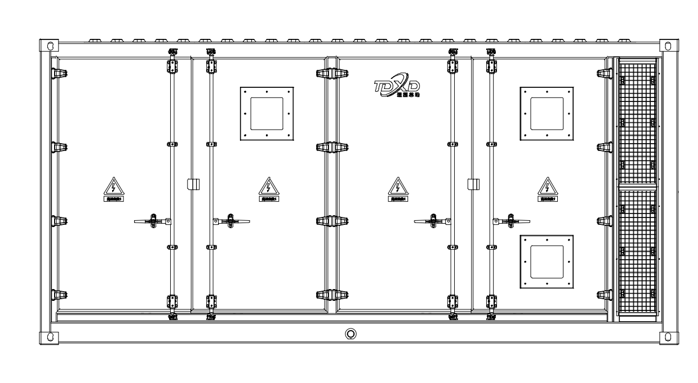
5012kWh DC Energy Storage System TD-EES-5012kWh
Suzhou Tongding Xindong Energy Storage Technology Co., Ltd.

Off-Grid Fuel Cell Supercharging Station (180kW Configuration)
Shanghai REFIRE Group Limited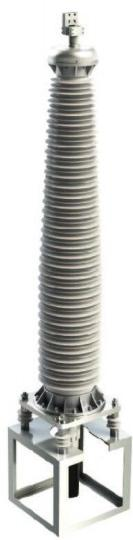
220kV Composite Outdoor Cable Terminal
Shenyang Guolian Cable Accessories Manufacture Co., Ltd.