UK researchers patent low-temperature thermochemical hydrogen production catalyst, potentially reducing energy consumption
en.Wedoany.com Reported - UK researchers have filed a patent for a catalyst that could open up lower-temperature thermochemical decomposition pathways for low-cost hydrogen production.
Research from the University of Birmingham shows that a perovskite catalyst can reduce the thermochemical reaction temperature for water splitting by up to 500°C.
Perovskites are a class of materials with the same crystal structure as the mineral calcium titanate. The study found that some of these perovskites can absorb oxygen at lower temperatures than previously thought, enabling the decomposition of oxygen-containing molecules into their constituent elements.
The research team tested various perovskite materials composed of barium, niobium, calcium, and iron (BNCF), with the formulation designated BNCF100 identified as the optimal composition.
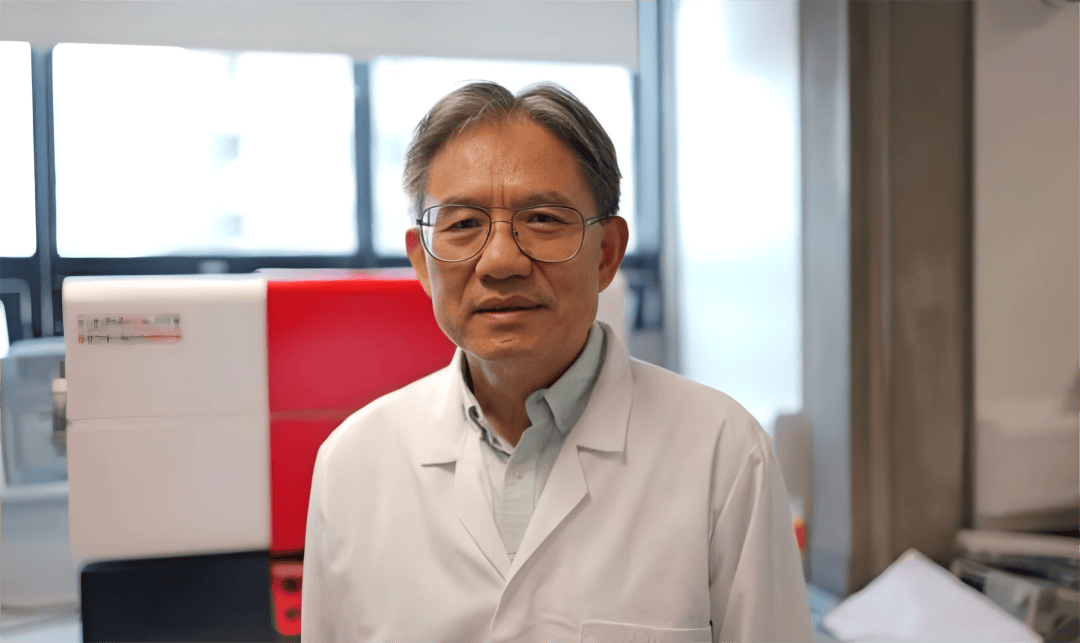
Professor Yulong Ding, the lead researcher, stated that this catalyst could make thermochemical water splitting more cost-competitive compared to current mainstream blue and green hydrogen routes.
Traditional thermochemical water splitting typically requires high temperatures of 1300°C to 1500°C to separate hydrogen and oxygen from water through a series of reactions.
Lowering the operating temperature can improve material durability and reduce system complexity.
Ding also noted that the development of this technology could enable hydrogen production to utilize a wider range of waste heat resources.
The university has filed a patent application for the use of this catalyst and stated that it is seeking partners to advance further development.
This article is compiled by Wedoany. All AI citations must indicate the source as "Wedoany". If there is any infringement or other issues, please notify us promptly, and we will modify or delete it accordingly. Email: news@wedoany.com
Related Products

TAI Slew-drive Single-axis Independent 1P Tracking Bracket System
ANTAI TECHNOLOGY CO., LTD.
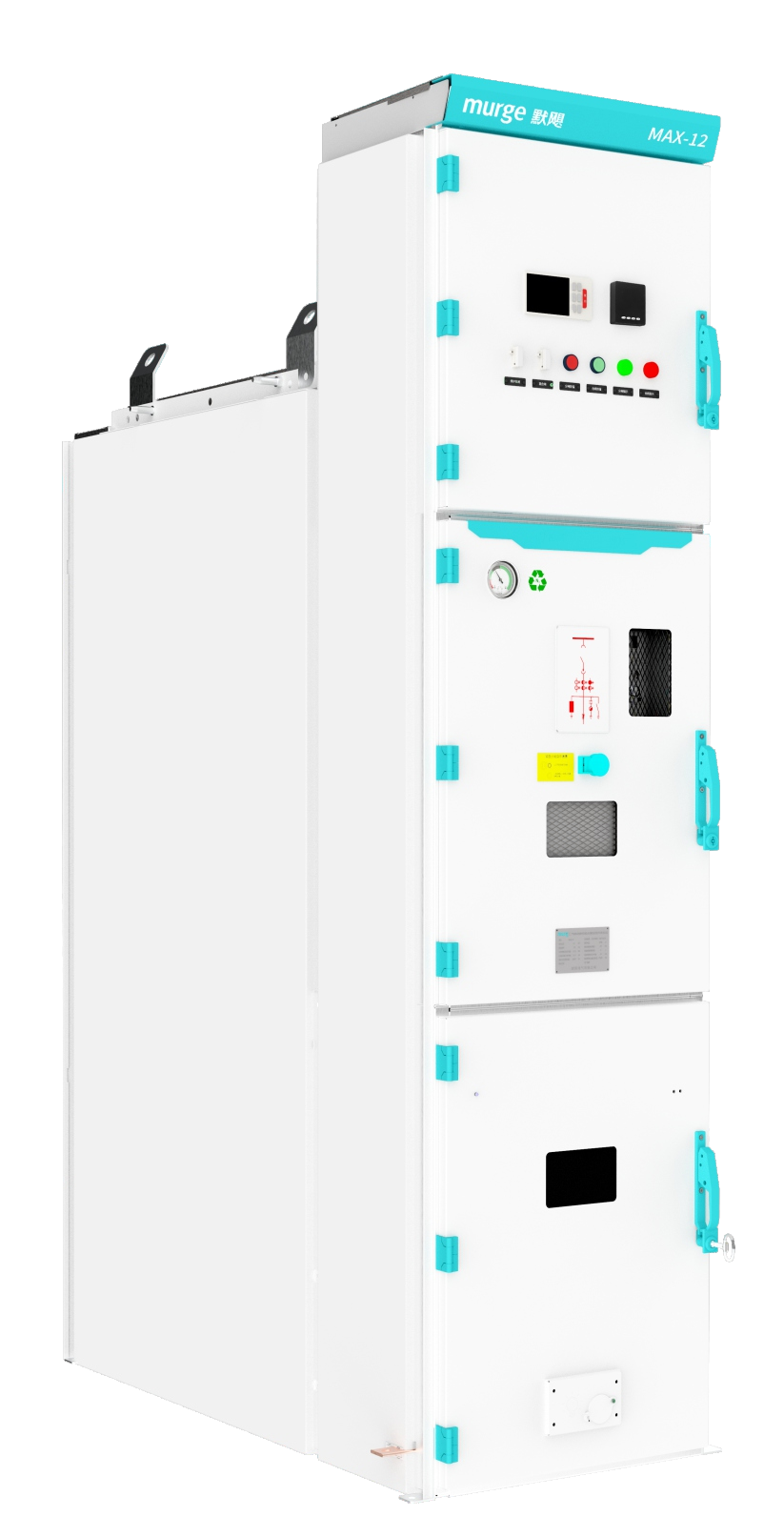
MAX-12 series Environmental Protection/SF6 gas insulated switchgear (C-GIS)
Murge Electric Co.,Ltd.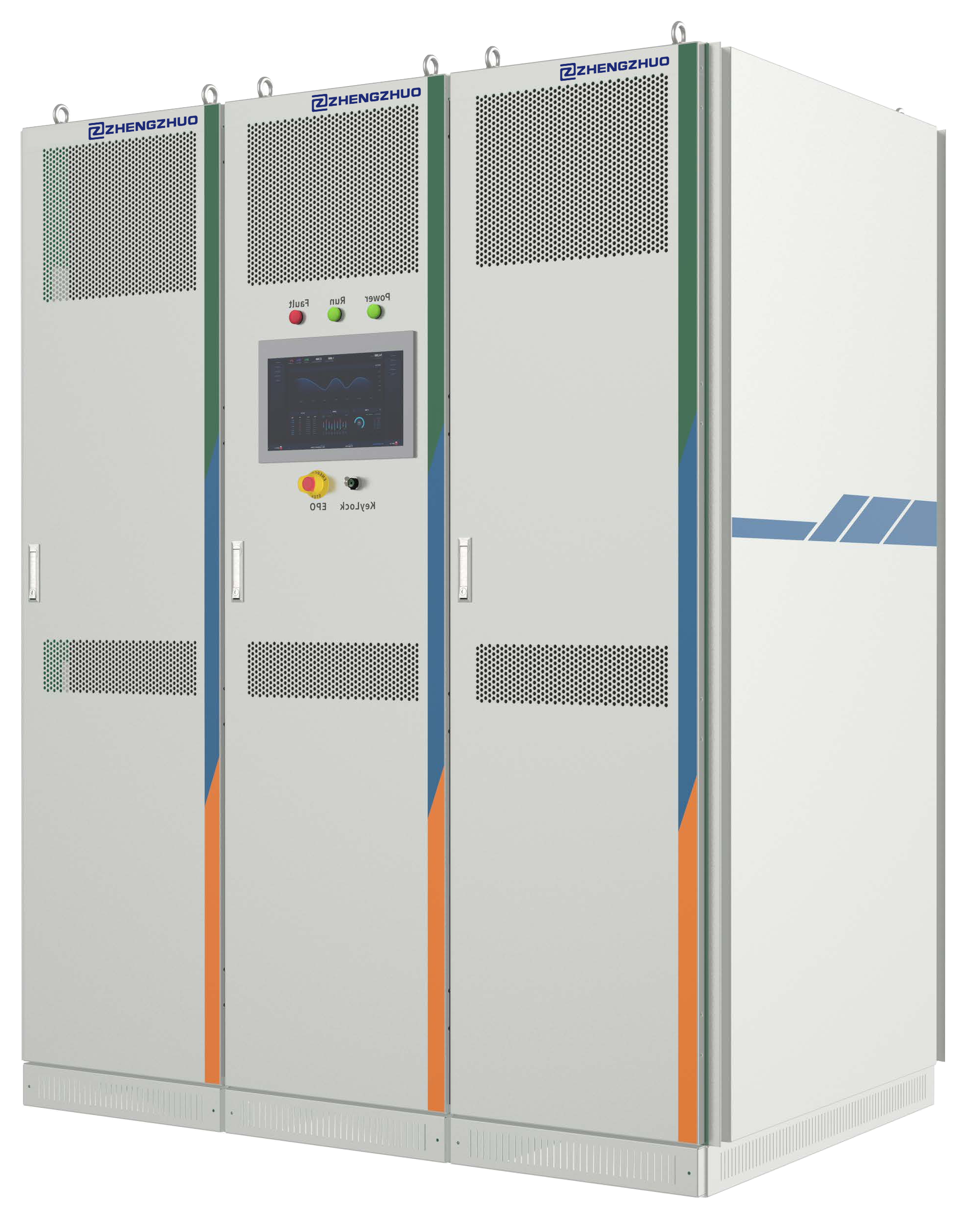
IGBT Hydrogen Production Power Supply - High Power Air Cooling
Beijing Zhengzhuo Engineering Technology Co., Ltd.
Electromagnetic Fluid Seawater Floating Oil Separation and Recover Equipment
Huate Magnet Group Co., Ltd.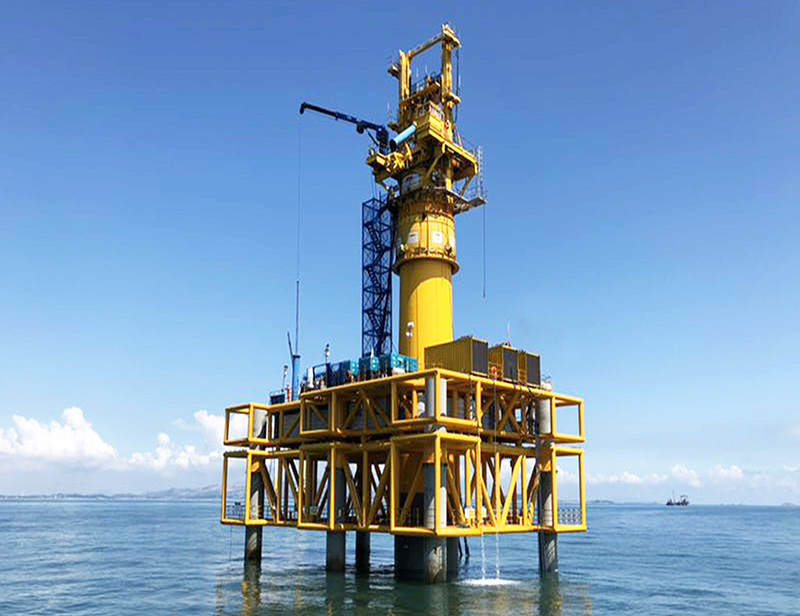
CITIC Heavy Industries Offshore Wind Power Equipment Hydraulic Pile Hammer
CITIC Heavy Industries Co., Ltd.
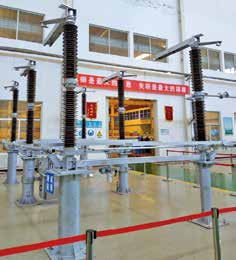
GW4-40.5/72.5/126/145/170/252/363/420 Series Double-column Horizontal Rotary High-voltage AC Disconnect Switch
SHANDONG TAIKAI DISCONNECTORS CO., LTD.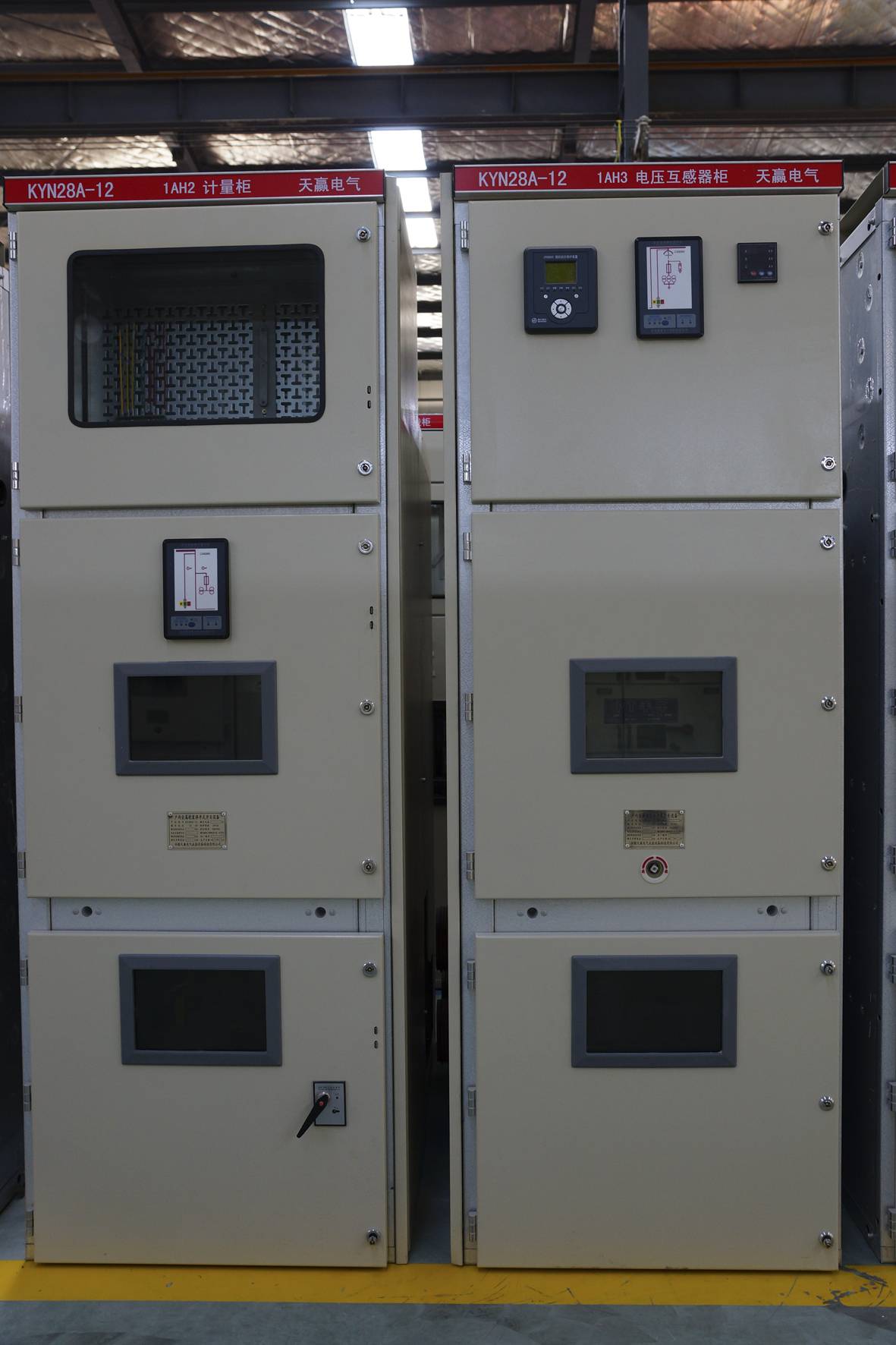
KYN28 - High Voltage Switchgear
Anhui Tianying Electrical Equipment Manufacturing Co., Ltd.

CAP1400 main feedwater flow nozzle flowmeter.
Jiangsu Hongda Instrument Technology Co., LTD.