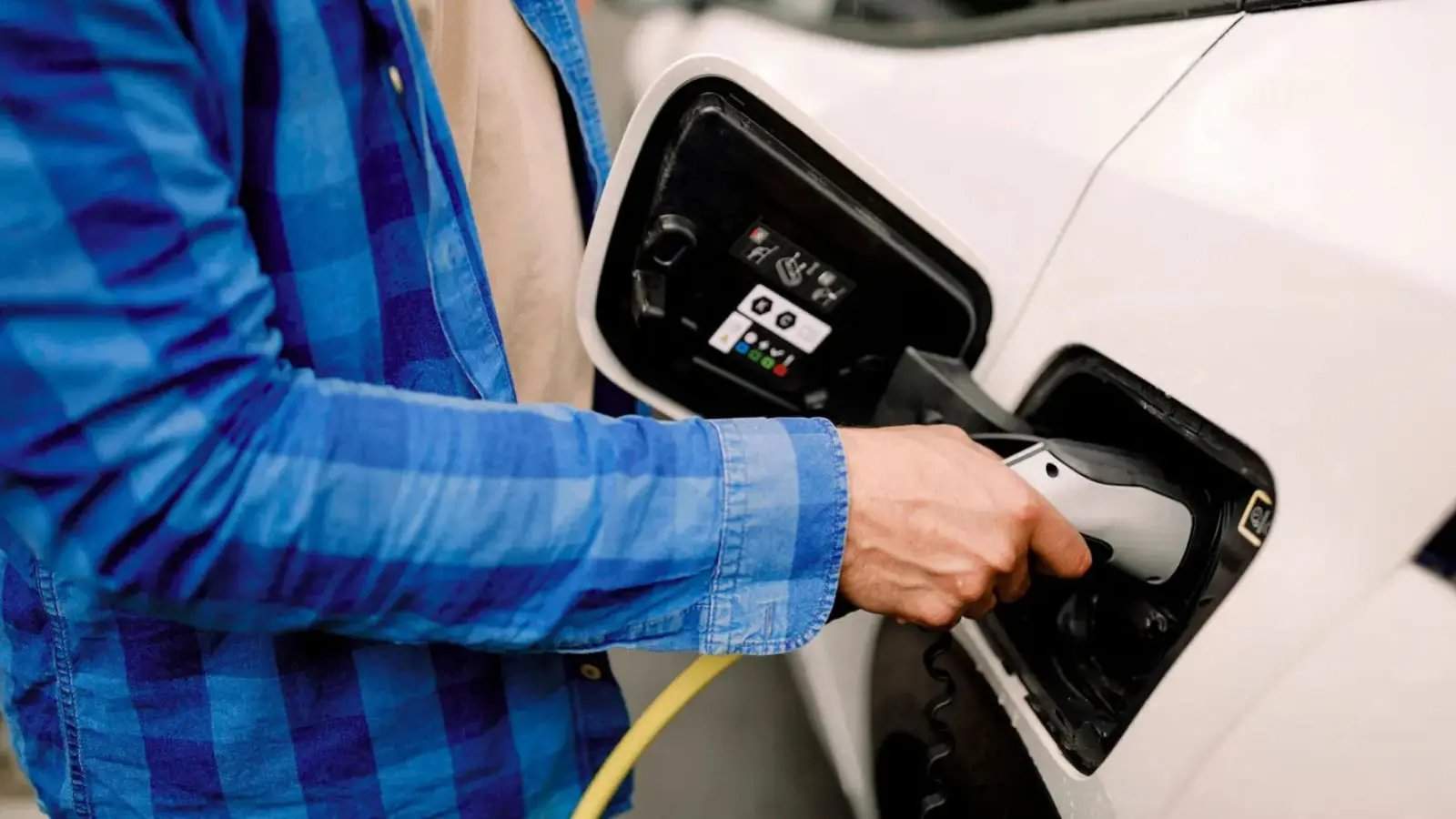
en.Wedoany.com Reported - A pilot project conducted by Finnish Distribution System Operator (DSO) KSS Verkko and Imatran Seudun Sähkönsiirto (ISSOY), in collaboration with flexibility platform provider Synergi, has demonstrated that residential electric vehicle (EV) charging flexibility can serve as an effective tool for managing local grid constraints. The trial, involving 150 EV drivers, tested the start-stop control capability of aggregated home charging loads to assess whether it could help distribution grids cope with peak demand and potentially avoid unnecessary grid infrastructure investments.
The pilot was initiated against the backdrop of pressure on Finnish DSOs from electrification and grid capacity growth. According to Synergi data, KSS Verkko's transmission capacity demand is expected to nearly double by 2033, with ISSOY facing similar long-term challenges. The project was supported by the Finnish Energy Authority's flexibility incentive measures for the 2024-2027 regulatory period, which allow DSOs to allocate up to 1% of grid operating revenue to developing market-based flexibility solutions.
One of the most notable findings from the pilot was that household participation was driven more by the motivation to support the local grid than by financial compensation. A post-pilot survey revealed that 37% of participants cited helping the local grid as their primary reason, 30% were motivated by energy cost optimization, and only 10% indicated that the pilot compensation itself was the main incentive. This result challenges the long-held assumption that consumers will only participate in flexibility programs if the economic returns are substantial.
Jyri Tompuri, Development Manager at KSS Verkko, noted that the response time was remarkably fast, approximately one minute, which is critical for grid operations as grid capacity can change rapidly under operational conditions. Antti Hämmäinen, CEO and co-founder of Synergi, pointed out that the pilot demonstrates households are driven more by a sense of responsibility toward the local grid than by purely financial incentives. He mentioned that households investing in new energy technologies such as EVs and heat pumps want to test new tools and benefit from services that optimize their equipment.
Tompuri believes the model is highly scalable because it is software-based and does not require extensive additional hardware installations. At the city level, aggregated EV charging can become a meaningful local flexibility resource. At the national level, the key challenge lies in positioning flexibility from a grid perspective to the right location and time. He also stated that flexibility should not be viewed as a substitute for grid investments; DSOs still need to strengthen networks to ensure long-term capacity and reliability. However, flexibility can provide greater operational leeway, helping to better time investments and manage individual peak load situations more cost-effectively.
This article is compiled by Wedoany. All AI citations must indicate the source as "Wedoany". If there is any infringement or other issues, please notify us promptly, and we will modify or delete it accordingly. Email: news@wedoany.com