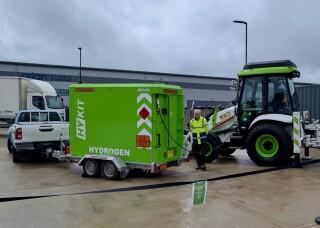
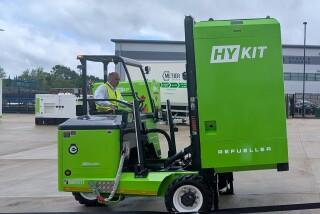
en.Wedoany.com Reported - British entrepreneur Jo Bamford has launched the mobile hydrogen refueling vehicle HyKit MHR-X75, which can carry 75kg of hydrogen at 350 bar pressure, with a refueling time of approximately 10 to 15 minutes. Since joining the family business JCB (J.C. Bamford Excavators Limited) in 2003, Bamford has long focused on the application of hydrogen in construction equipment. He stated that the construction equipment industry needs to find an on-site power solution that can replicate current working methods. Hydrogen refueling is similar to diesel, but faces many challenges in practical application.

The HyKit mobile hydrogen refueling vehicle stores hydrogen in pressurized tanks. The entire unit can be transported by trailer and moved on-site using a backhoe or material handler. Brian James Trailers developed a dedicated trailer for it, while Moffett designed a custom handler. The refueling vehicle can provide fuel for on-site construction equipment or generator sets. Bamford noted that the product is essentially a solution for direct on-site refueling. This product launch comes as the construction industry is experimenting with hydrogen fuel, with customers such as the National Highways and HS2 supporting the use of zero-emission equipment at key sites.
JCB has played a key role in the hydrogen sector, developing a hydrogen internal combustion engine that burns in the same way as a diesel engine, making it easier to convert traditional equipment to zero-emission power. Its hydrogen engine has been used in equipment such as backhoe loaders, telescopic handlers, and generator sets. At the launch of the MHR-X75, Riversimple, which is developing hydrogen city cars, and Swift Aircraft, which is researching hydrogen fuel cell aircraft, attended as guests. Bamford stated that these companies all face issues with gas sources and refueling methods. Through his various enterprises, he is building a complete supply chain from green hydrogen production and transportation to mobile refueling.
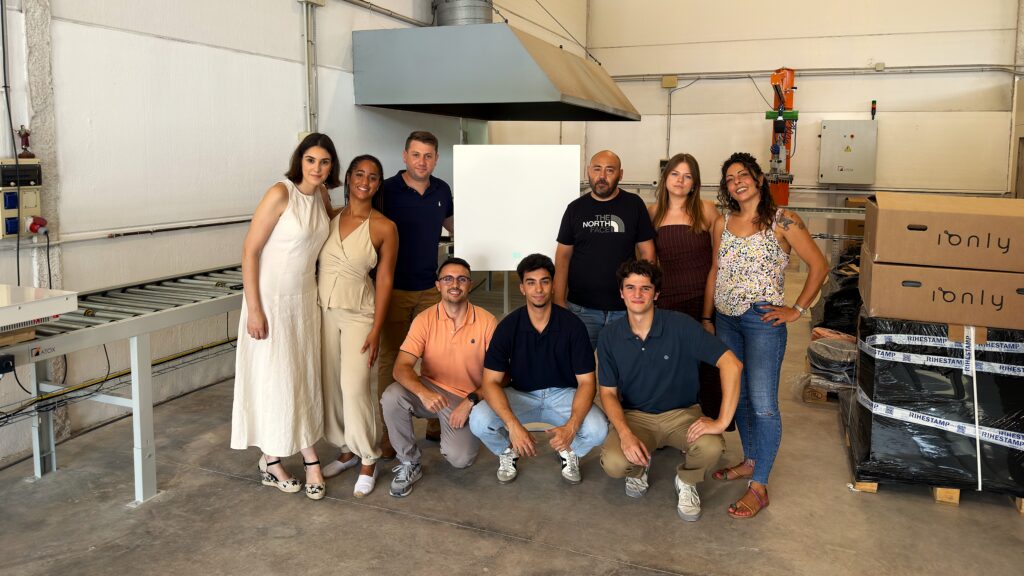
The planned annual production capacity of the HyKit factory is approximately 500 units, with an initial target of 200 units. Due to hydrogen's tendency to leak, as its small molecules can penetrate extremely tiny gaps, most of the production processes at the Bicester factory are carried out in a cleanroom. Each component must be inspected before installation to remove micron-sized particles that could cause valve failure. Bamford believes that every link in the entire hydrogen supply chain must operate normally, achieving the industry's customary 99% uptime and comparable costs. He mentioned that if a company only engages in one link, it would need to recover the R&D costs for that link within 20 years. One way to achieve this is for companies to cover every link and invest sufficient volume and repetition in individual areas.
Transporting hydrogen nationwide is one of the challenges. Bamford believes that a purely electrification approach has limitations. The power grid is one of the UK's three major energy networks, the other two being the natural gas pipeline and the diesel and gasoline transport network. The grid is currently highly congested, with delivery times for key components like turbines reaching five years, and the expansion of AI data centers could further extend this cycle. Bamford is investing in methods to produce green hydrogen using sunlight, including a 4 GW green ammonia project being developed in Oman. Once completed, the cost of green ammonia is expected to be around $650 per ton, compared to about $500 per ton for gray ammonia. Using current electrolyzers with 55% efficiency, future electrolyzers with up to 85% efficiency will further reduce costs.

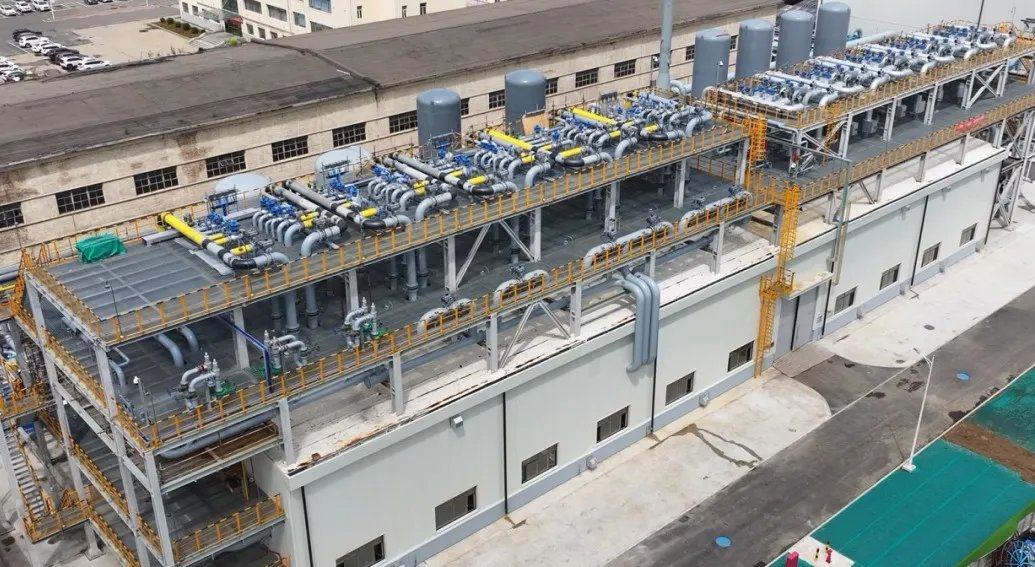
Bamford believes that achieving a viable hydrogen supply chain requires short-term government subsidies to support UK employment and the building materials supply chain. He noted that the heat and energy-intensive industries have 2.5 million jobs and need subsidies for support. His other company, Wrightbus, is also playing a role in building a hydrogen demand base. He explained that since buses can be used for 15 years, this provides a stable demand for hydrogen refueling over that period. A 35 MW hydrogen production facility could serve approximately 700 buses, with construction costs of around £100 million, requiring 15 years of revenue to cover. Bamford emphasized that his strategy is to view hydrogen as a complete ecosystem. By covering production, transportation, and refueling, the goal is to bring total cost of ownership in line with conventional solutions, making hydrogen refueling convenient and reliable, allowing users to focus on their daily work.
This article is compiled by Wedoany. All AI citations must indicate the source as "Wedoany". If there is any infringement or other issues, please notify us promptly, and we will modify or delete it accordingly. Email: news@wedoany.com