UK Government Proposes Community Battery Storage Scheme, Launches Public Consultation
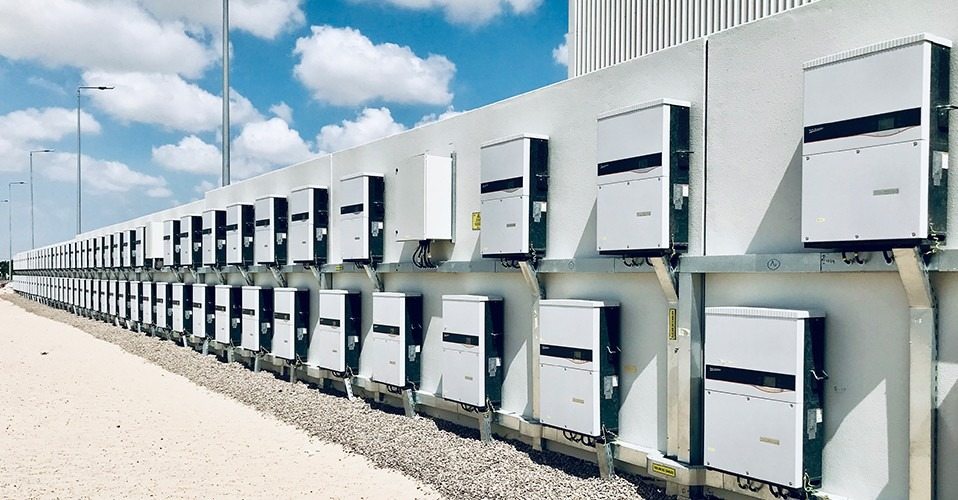
en.Wedoany.com Reported - The UK government has proposed deploying shared battery energy storage systems nationwide and launched a public consultation, aiming to reduce consumer electricity bills through this measure. Among the policy options under consideration is Australia's Community Batteries for Household Solar program, which has received AUD 200 million (approximately USD 143 million) in federal funding, supporting over 300 battery projects ranging from 50 kW to 5 MW in capacity.
The operation of community batteries allows multiple households to access stored electricity, enabling families to engage in energy storage arbitrage activities and directly save on electricity costs. Although the UK government has continuously increased support for rooftop solar deployment and household electrification in recent years, not all properties are suitable for installing individual residential batteries. Some rented homes or apartments cannot adopt this technology, making community batteries an alternative solution.
UK Energy Minister Michael Shanks stated that for households to fully experience the benefits of clean electricity, a more flexible energy system is needed, and community batteries can help achieve this goal. He emphasized that this is about returning power to local people, ending dependence on fossil fuel markets, thereby helping communities control their energy, build local wealth, and restore local pride.
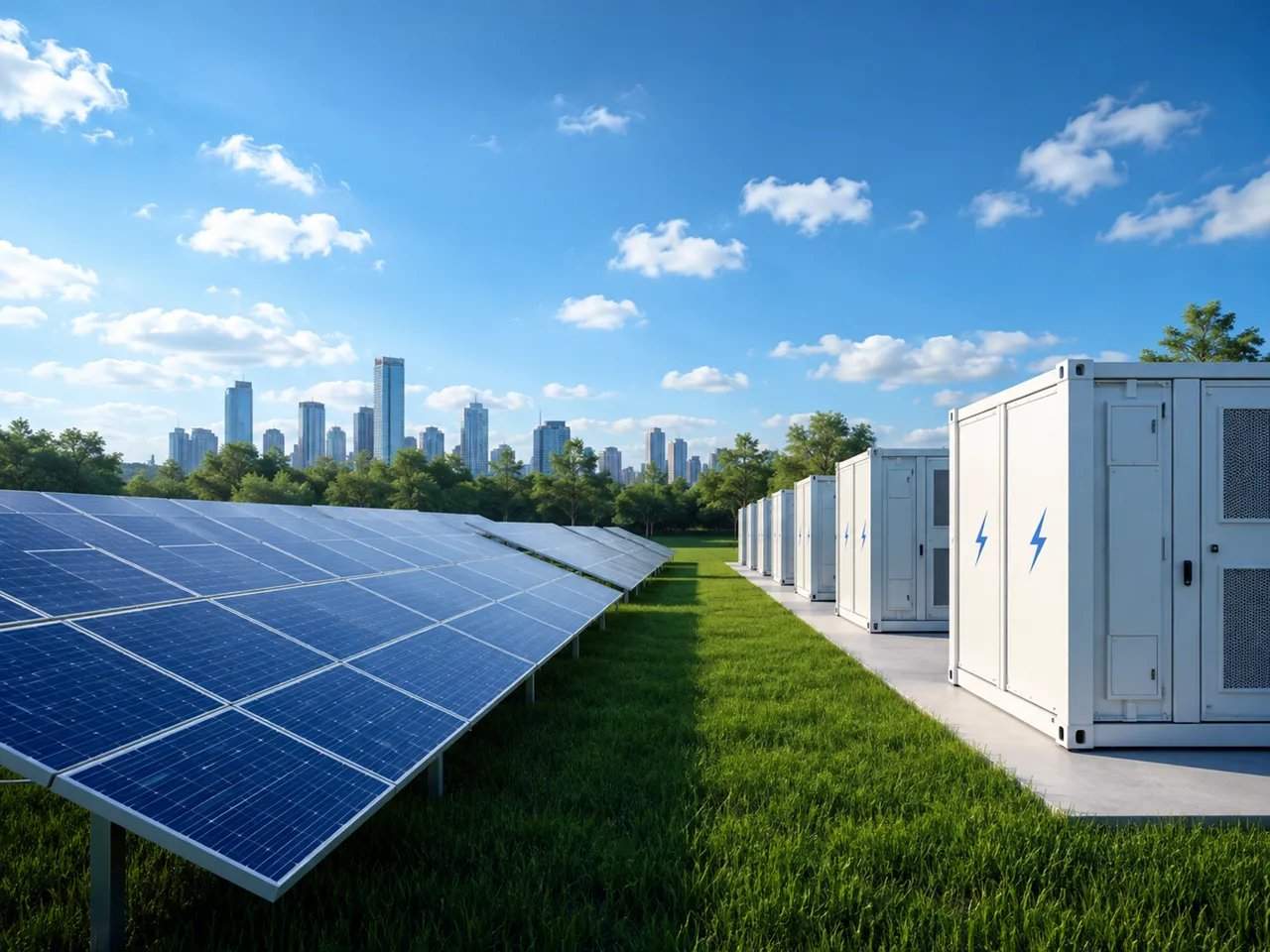
In the consultation document, the government defines community batteries as battery systems serving multiple households, with direct electricity cost savings distributed to each household. Such batteries are typically installed alongside community or privately owned solar installations. Currently, only a few community battery projects are operational in the UK, and the government cites markets such as Australia, the Netherlands, and Germany as examples to follow, with Australia having the largest deployment scale.
The consultation document also highlights several challenges in promoting community batteries. Technical obstacles include the need for customized software, virtual private networks, and active management of microgrids; incomplete smart meter coverage limits access to flexible electricity tariffs, preventing some households from saving costs by reducing peak load. Compared to individual residential batteries or solar installations, grid connection for community batteries is more complex, expensive, and time-consuming due to their larger scale and the required related infrastructure. Additionally, financial challenges and a lack of public awareness are identified as potential barriers.
Industry stakeholders can submit comments via the UK government website, covering aspects such as expanding deployment, removing regulatory and commercial barriers, and ensuring safety. The deadline for this evidence gathering is July 30, 2026.
This article is compiled by Wedoany. All AI citations must indicate the source as "Wedoany". If there is any infringement or other issues, please notify us promptly, and we will modify or delete it accordingly. Email: news@wedoany.com
Related Products


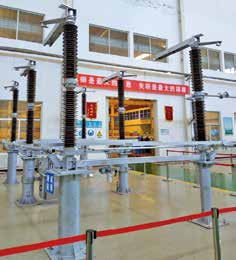
GW4-40.5/72.5/126/145/170/252/363/420 Series Double-column Horizontal Rotary High-voltage AC Disconnect Switch
SHANDONG TAIKAI DISCONNECTORS CO., LTD.
0.66kV Power Supply Instrument Transformer
Guangdong Sihui Instrument Transformer Works Co., Ltd.



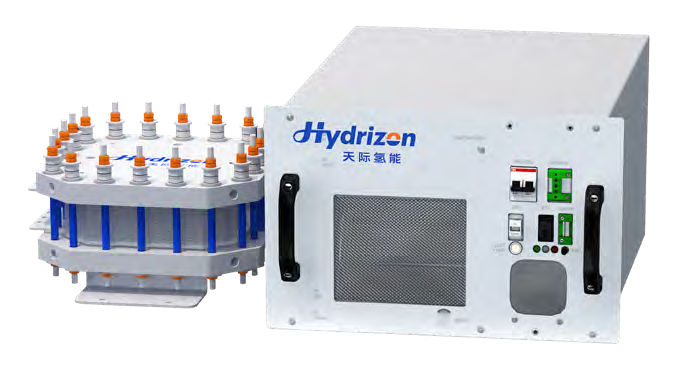
HI-Pro Green Hydrogen High-efficiency Production System-HI-PRO-AEM
Hydrizon Technology (Beijing) Co., Ltd.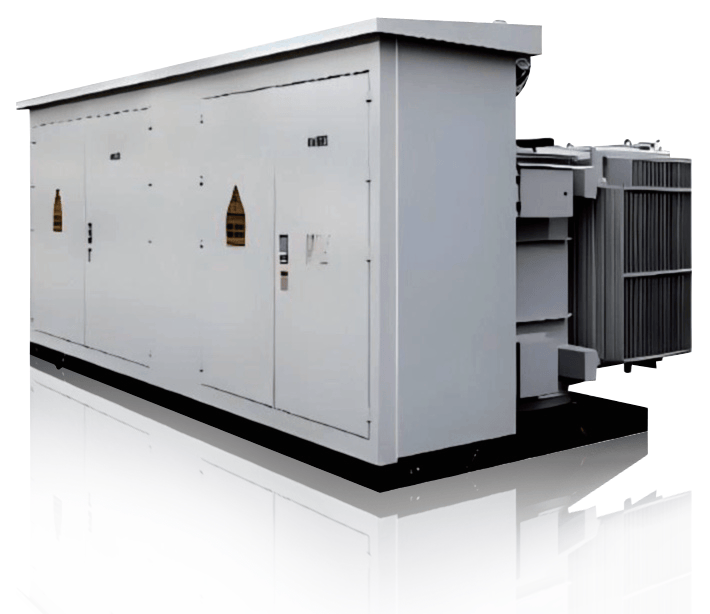
H-40.5/0.4~1.14kV New Energy Power Generation Dedicated High Voltage/Low Voltage Prefabricated Substation
XJ (Xiamen) Intelligent Power Equipment Co., Ltd.
Industrial and Commercial Point-Type Gas Detector
Jinan Benan Technology Development Co., Ltd.
Yingping Mining Section Open-pit Tailings Backfill Treatment of Goaf Ecological Restoration EPC Project
China Bluestar Lehigh Engineering Corporation