Energy Vault Acquires 1GWh Energy Storage Portfolio in Japan
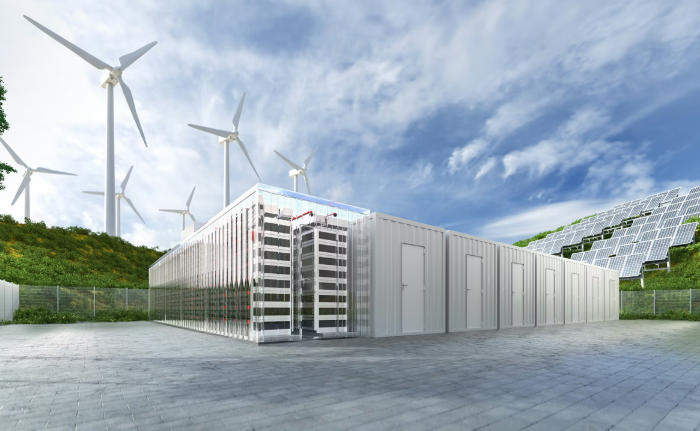
en.Wedoany.com Reported - Energy Vault has completed the acquisition of a Japanese energy storage portfolio held by developer BayWa r.e., involving late-stage projects totaling 350MW/1GWh and early-stage projects of 500MW. These late-stage assets are expected to begin construction in the second half of 2027 and commence commercial operations by mid-2028.
This acquisition marks Energy Vault's entry into the Japanese energy storage market. The company noted that the late-stage projects in Japan have a storage duration of three hours, longer than the typical two-hour short-duration configuration common in the Texas grid. Marco Terruzzin, Chief Revenue Officer of Energy Vault, told ESS News that California adopts a four-hour duration due to resource abundance. Long-duration battery energy storage systems will provide greater flexibility for Japan's congested grid.
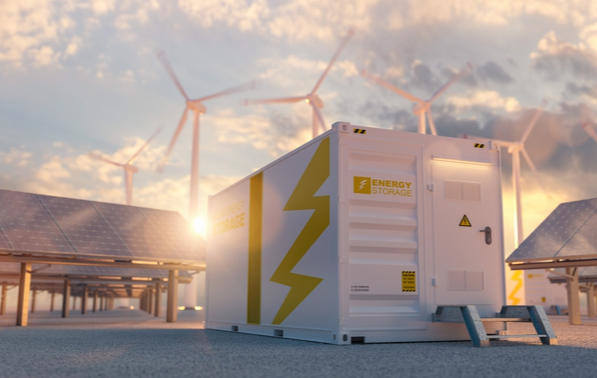
With the acquired portfolio and the local team from BayWa r.e., Energy Vault will explore customized technologies for the Japanese market. Terruzzin explained that the company has shifted its focus toward acquiring infrastructure and independent power producer businesses, rather than technology research and development. Energy Vault builds, owns, and operates sites that integrate hybrid generation and energy storage technologies. The company has completed a series of transactions and acquisitions in the United States, including an agreement with sodium-ion battery developer Peak Energy. Energy Vault's global portfolio—comprising operational, under-construction, and acquired assets—now exceeds 1GW, with an expected annual recurring EBITDA of over $180 million.
Daniel Gaefke, Chief Operating Officer of BayWa r.e. Group, stated after the transaction that Japan is a strategically important energy storage market, and Energy Vault, with its integrated technology platform, execution capabilities, and asset ownership strategy, is well-positioned to advance these projects and support Japan's energy transition. ESS News previously reported on Energy Vault's Japan-based acquisition in April of this year, but the identity of the asset seller was not disclosed at that time.
Meanwhile, Trina Storage, the energy storage business unit of Trina Solar, has signed a 160MWh ultra-high voltage energy storage project in Japan's Kyushu region. Battery delivery is planned for 2026, with commercial operations expected in 2027. Li Na, General Manager of Trina Solar Japan, stated that as renewable energy penetration increases, Japan's energy market is rapidly changing, particularly in regions like Kyushu. Trina Storage said it will ensure delivery in compliance with local regulations and grid connection procedures through a dedicated Japanese team. The company recently launched the next-generation Elementa Flex battery technology designed specifically for the Japanese market, with the Elementa Flex 3 utility-scale system having a capacity of approximately 1.56MWh and weighing about 13 tons, suitable for suburban deployment. The upcoming energy storage project will use the existing Elementa Flex 2 product, which has a single-unit capacity of 5MWh and utilizes 314Ah large-capacity cells.
Local market participant Itochu Corporation has announced the construction of a 67MW/230.1MWh battery energy storage system, planned to commence commercial operations in January 2028. The project, located in the Kyushu region, will participate in Japan's capacity market, wholesale electricity market, and balancing market. The developer stated that it will leverage Itochu's AI-based optimization technology to help stabilize the local grid. Japan's Ministry of Economy, Trade and Industry has selected this energy storage project for its fiscal year 2025 subsidy program promoting renewable energy development and utility-scale battery energy storage systems.
This article is compiled by Wedoany. All AI citations must indicate the source as "Wedoany". If there is any infringement or other issues, please notify us promptly, and we will modify or delete it accordingly. Email: news@wedoany.com
Related Products
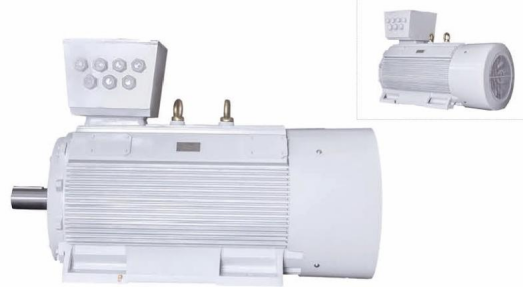

YE3 Series Low Voltage High Power Three-Phase Asynchronous Motor
Shandong Lijiu Electrical Machinery Co., Ltd.

CAP1400 main feedwater flow nozzle flowmeter.
Jiangsu Hongda Instrument Technology Co., LTD.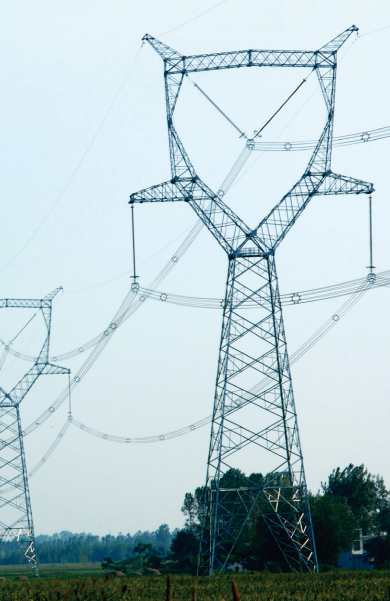
1000kV Jin Southeast-Nanyang-Jingmen UHV AC Transmission and Transformation Pilot Demonstration Project
Anhui Hongyuan Steel Tower Co., Ltd.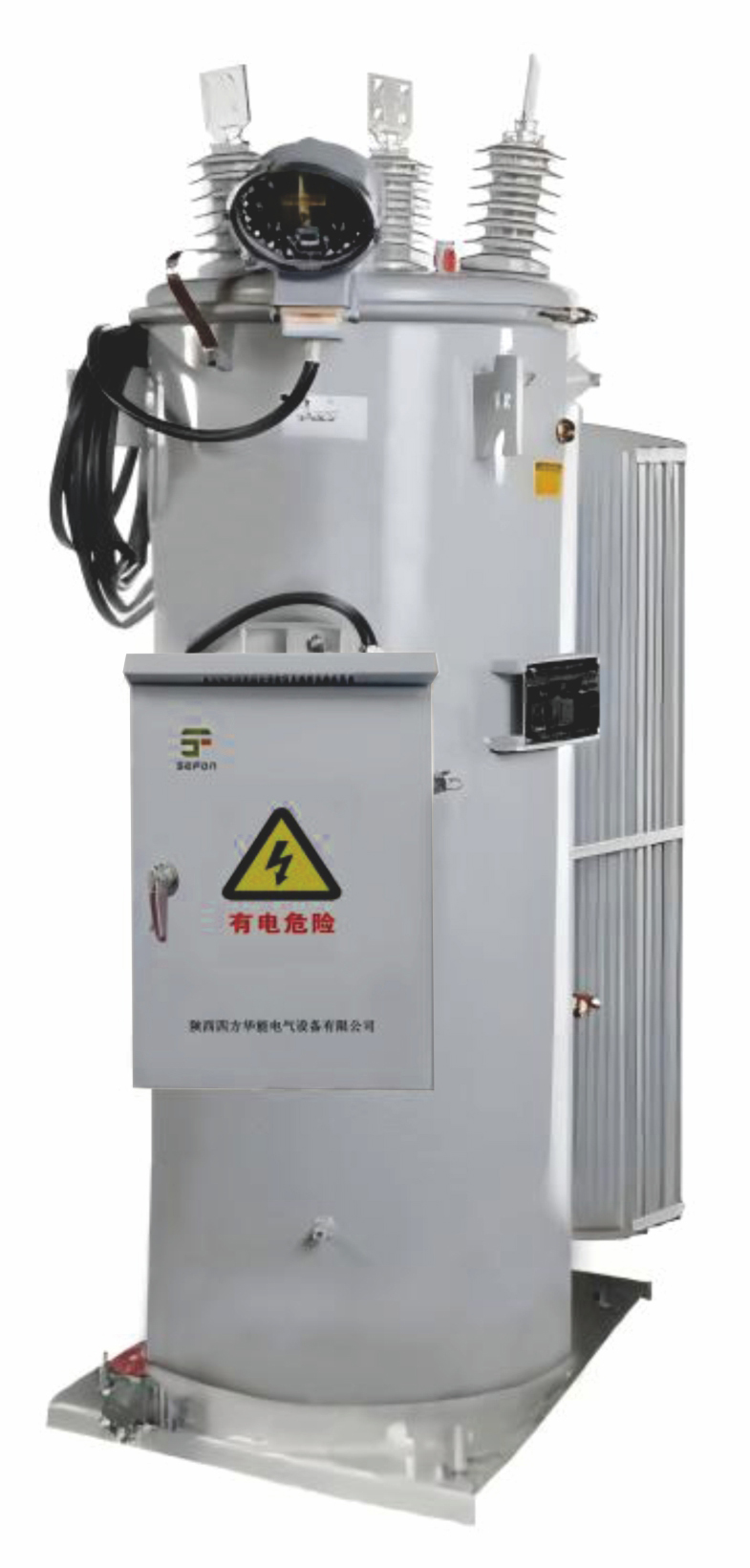
Single-Phase Automatic Voltage Regulator(AVR)
Shaanxi Sefon Electrical Equipment Co.,Ltd.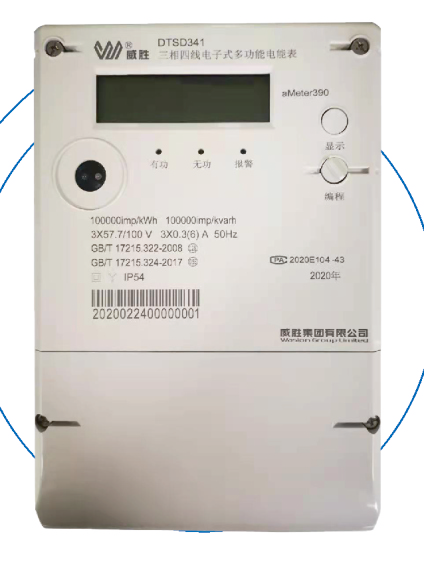
Overseas IEC Gateway Energy Meter - DTSD341/DSSD331-aMeter390
Wasion Group Limited Co., Ltd.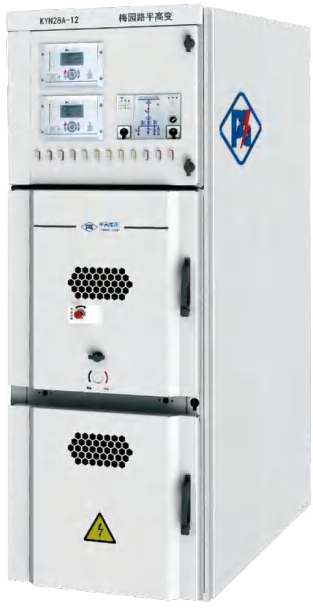
KYN28A-12 Metal Armored Removable Switchgear
Tianjin Ping Gao Intelligent Electric Co., Ltd.
Standard Nozzle Flowmeter
Jinggong Automatic Control Instrument Complete Technology Development Company