U.S. Solar Photovoltaic Power Plants Hold $2.6 Billion in Recoverable Materials
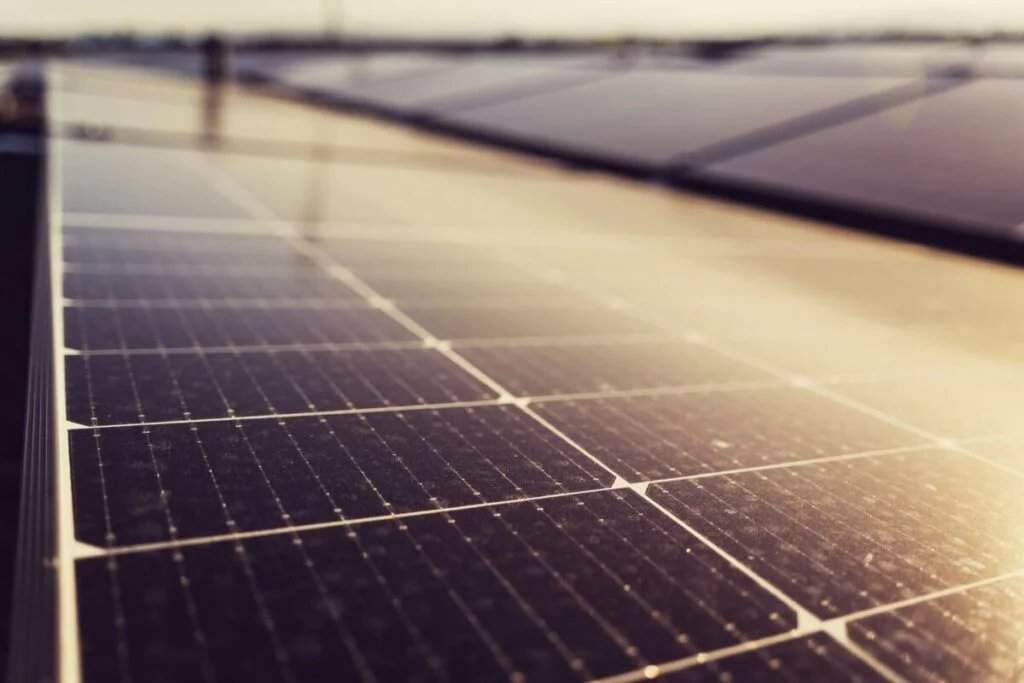
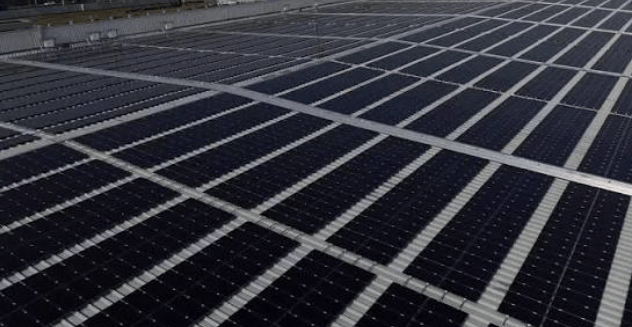
en.Wedoany.com Reported - At The Solarplaza Summit Asset Management North America, it was noted that photovoltaic recycling is evolving from a mere waste treatment service into a domestic resource security strategy. In U.S. solar photovoltaic power plants, an estimated $2.6 billion worth of recoverable materials, including high-purity glass, copper, and silver, are present. Jesse Simons, co-founder of Solar Cycle, believes discarding these materials is a strategic mistake and refers to landfilling as "financial suicide."

Recycling these minerals is crucial for the long-term sustainability of U.S. manufacturing. By achieving a 96% recovery rate, the industry can return high-value silver and glass to the domestic supply chain, reducing reliance on imports and shielding developers from commodity price volatility—what Danny Kennedy calls "the G-force of the solar roller coaster."
For large asset owners like Prologis or NextEra Energy, recycling decisions are driven by the need to protect their "Social License to Operate." With the industry planning to install hundreds of gigawatts of new capacity over the next decade, avoiding a massive new waste stream has become a significant reputational risk consideration. Institutional investors and lenders are increasingly scrutinizing decommissioning plans during due diligence, viewing projects that rely on landfilling as higher-risk assets compared to those offering contracted circular solutions.
International law is also accelerating the shift toward a circular economy. Vidha Dixit of EDP Renewables highlighted the impact of the Corporate Sustainability Reporting Directive (CSRD) and the specific ESRS E5 standard. These regulations require companies to provide detailed non-financial reporting on resource use and circular economy performance. For any organization with ties to Europe or involving international financing, recycling is no longer optional—it is a legal reporting requirement. Over the next five years, the number of solar panels reaching end-of-life will jump from 5 million to 50 million annually, and the asset management community must integrate circularity into every Power Purchase Agreement (PPA) and operational budget to avoid regulatory penalties.
This article is compiled by Wedoany. All AI citations must indicate the source as "Wedoany". If there is any infringement or other issues, please notify us promptly, and we will modify or delete it accordingly. Email: news@wedoany.com
Related Products
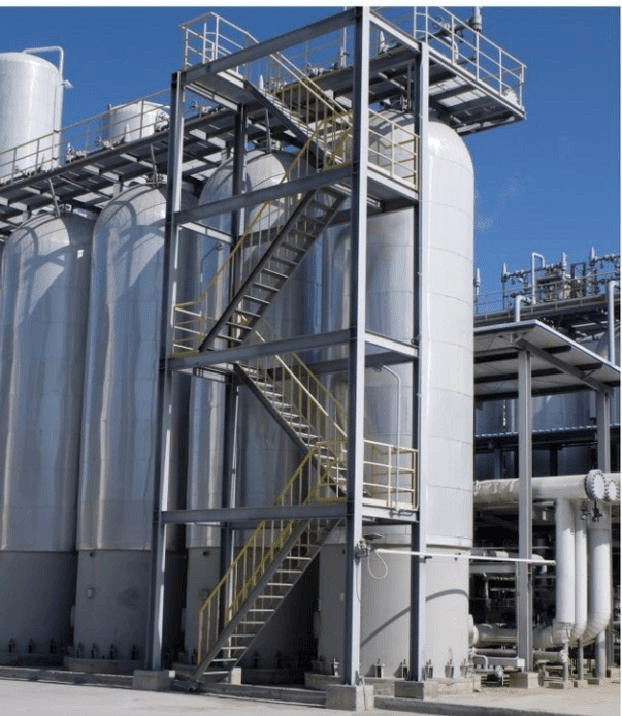

Hydrogen Production Technology: Hydrogen Purification by Pressure Swing Adsorption
Chengdu Yizhi Technology Co., Ltd.
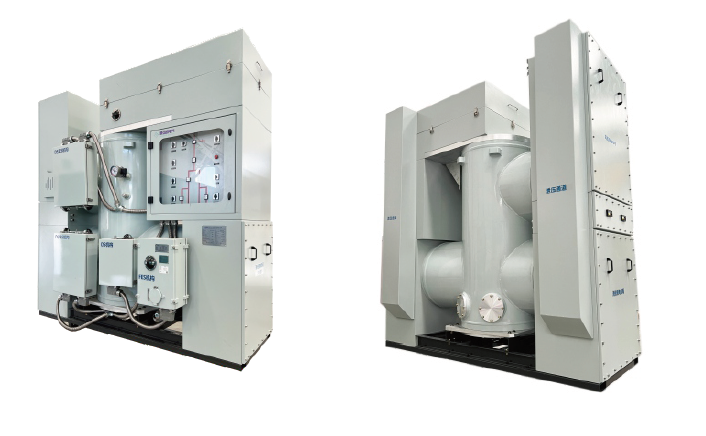
72.5kV 1250A 31.5kA SF6 free Gas-insulated Metal-enclosed Switchgear
Zhejiang Juhonkia Intelligent Electric Co., Ltd.

Standard Nozzle Flowmeter
Jinggong Automatic Control Instrument Complete Technology Development Company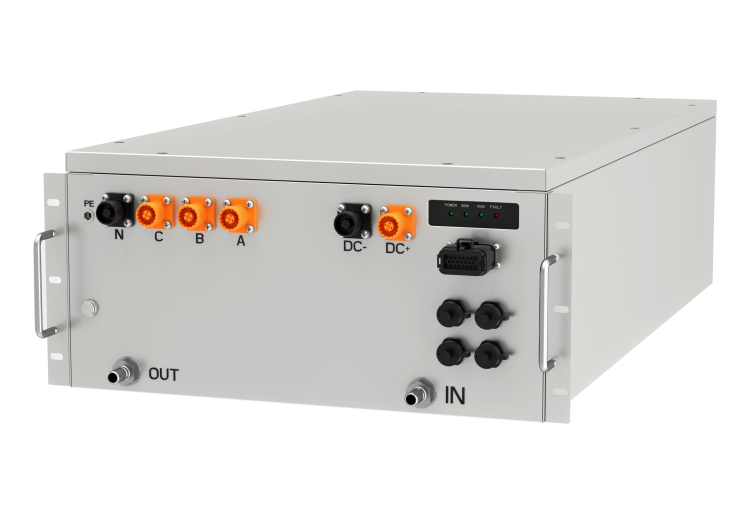
Mars (Liquid Cooling) Series Industrial and Commercial Energy Storage Converter High Protection Module
Shenzhen Winline Technology Co., Ltd.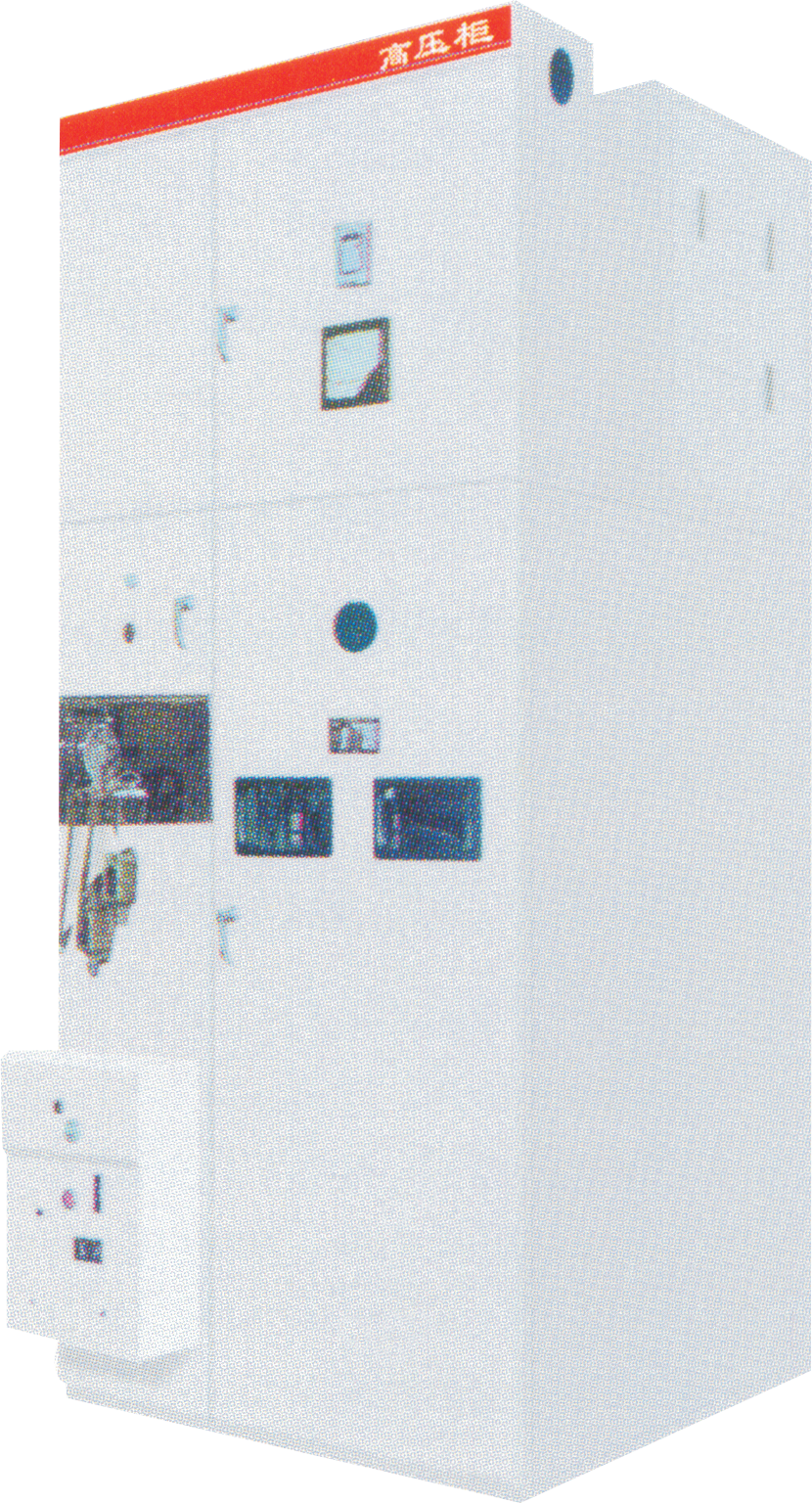

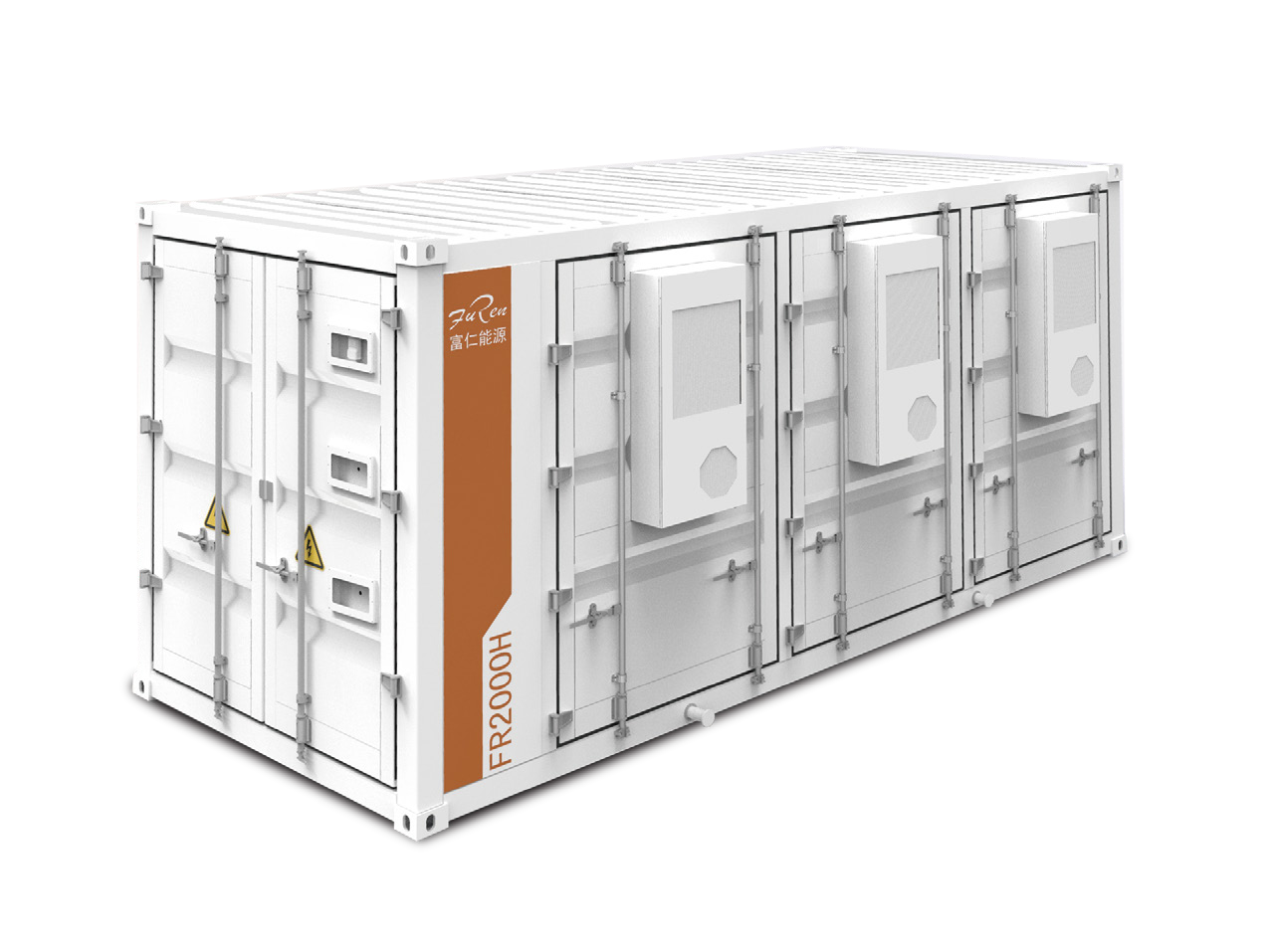
FR2000H 2.15MWh (Air-cooled) 20-foot Containerized Energy Storage System
Jiangyin Furen High-tech Co., Ltd.