UK Grid Connection Queue Exceeds 738 GW, Bottlenecks Hinder Clean Transition
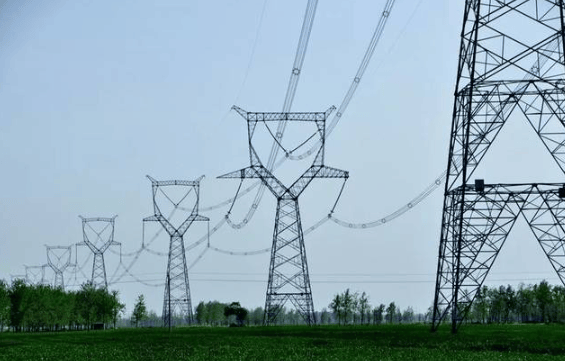
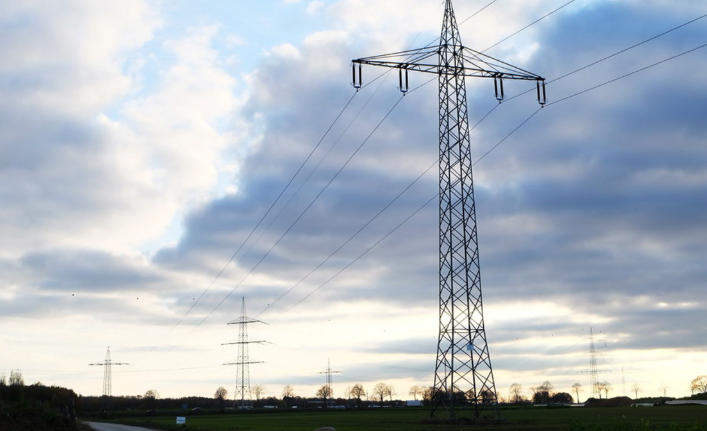
en.Wedoany.com Reported - European power grids face severe bottlenecks due to aging infrastructure, congestion, and excessively long queues for renewable energy connections, potentially hampering the clean energy transition.
Originally designed for unidirectional, predictable power flows from large centralized power plants, these grids now must accommodate distributed generation, volatile weather patterns, and growing demand from electrification of transport, heating, and industry. Most distribution infrastructure is over 40 years old, and waiting times for renewable energy grid connections often stretch for years.
Currently, the total capacity in the UK's renewable energy grid connection queue exceeds 738 GW, far surpassing the 220 to 225 GW of clean generation capacity needed by 2030. Grid congestion costs amount to billions of euros annually, spent on redispatching and remedial measures to maintain system balance.
The challenges facing European national grids vary significantly. Capacity constraints differ greatly between countries, regions, and even individual substations. Seasonal demand fluctuations and extreme weather events further exacerbate local pressures, making it impossible to address all obstacles with a single solution.
Although over one trillion euros have been planned for grid upgrades and expansion by 2040, planning hurdles often take years to overcome. The UK's National Energy System Operator (NESO) emphasized the urgency of planning reform when it announced "Electricity Grid Reforms to Unlock UK Investment" in December 2025.
Grid resilience has historically relied on controllable thermal power plants to provide inertia and frequency stability. Eighteen months ago, the UK's last coal-fired power plant closed, ending the country's 142-year reliance on fossil fuels. Grid resilience must now be achieved through more decentralized, contract-driven markets, with close coordination between transmission system operators and distribution network operators.
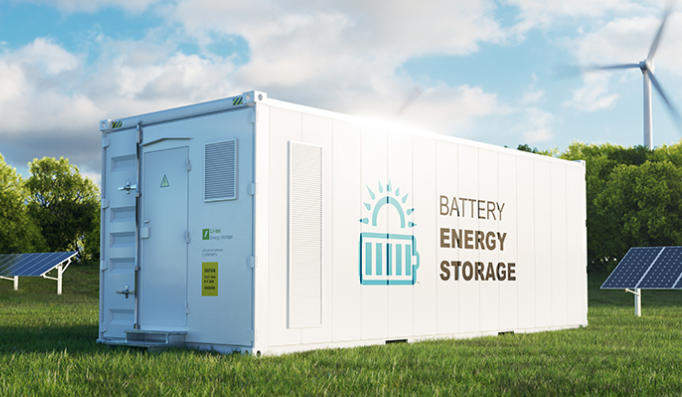
Key upgrades such as substation rebuilds, network expansions, and line reinforcements require outages or partial isolation. Without sufficient on-site power, these projects take longer or become unfeasible. On-site engineering energy solutions, by providing bridging, balancing, or emergency power, can support infrastructure upgrades without sacrificing reliability, alleviating grid pressure during constrained periods and reducing renewable energy curtailment.
Temporary and hybrid energy solutions help reduce delays, manage curtailment, and drive grid upgrades, thereby supporting greater integration of renewable energy. Ensuring the right power is available at the right time is key to breaking the deadlock in Europe's energy transition.
This article is compiled by Wedoany. All AI citations must indicate the source as "Wedoany". If there is any infringement or other issues, please notify us promptly, and we will modify or delete it accordingly. Email: news@wedoany.com
Related Products


Industrial and Commercial Point-Type Gas Detector
Jinan Benan Technology Development Co., Ltd.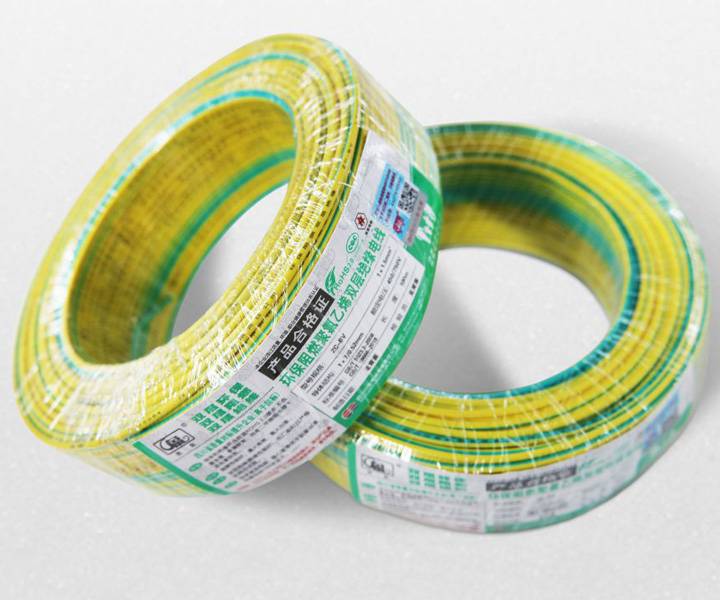
Environmentally Friendly Flame-retardant PVC Double-layer Insulated Wire
Sichuan Chndo Cable Co., Ltd.
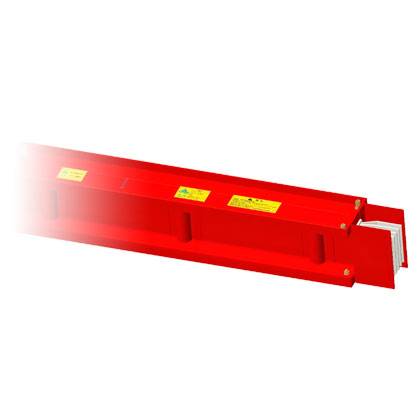
Mineral-insulated Compact Busway (Fire-resistant Busduct)
Zhuhai Guangle Electric Busway Co., Ltd.
G.652.D Wavelength-extended Non-dispersion Shifted Single-mode Optical Fiber
HONGAN GROUP CO., LTD.
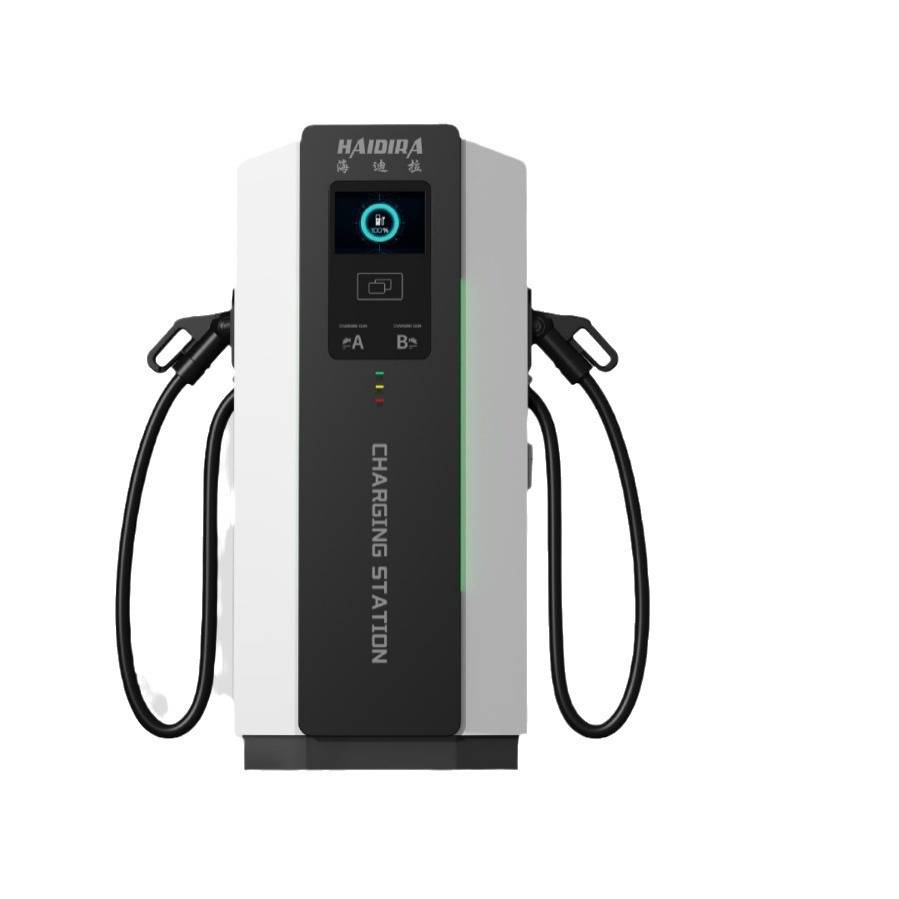
Manufacturer Direct Sales Tesla New Energy Electric Vehicle Universal DC 180kW Dual-gun Charging Pile Commercial Fast Charger
Anhui Haidira Electric Technology Co., Ltd.