Brazil's Power Infrastructure Investment May Reach R$137 Billion in 2026
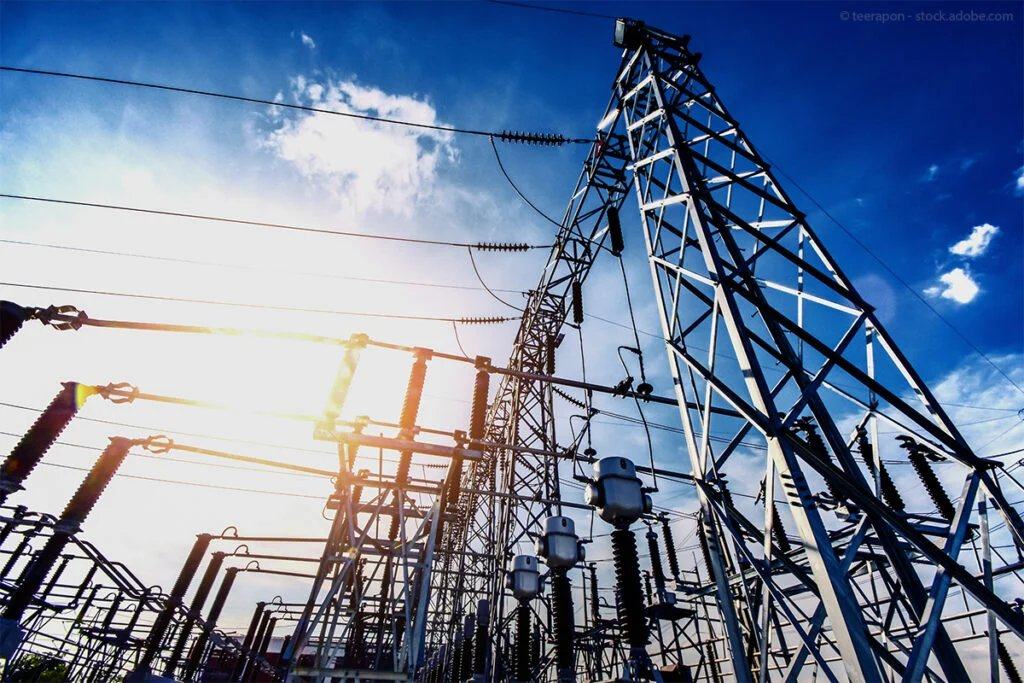
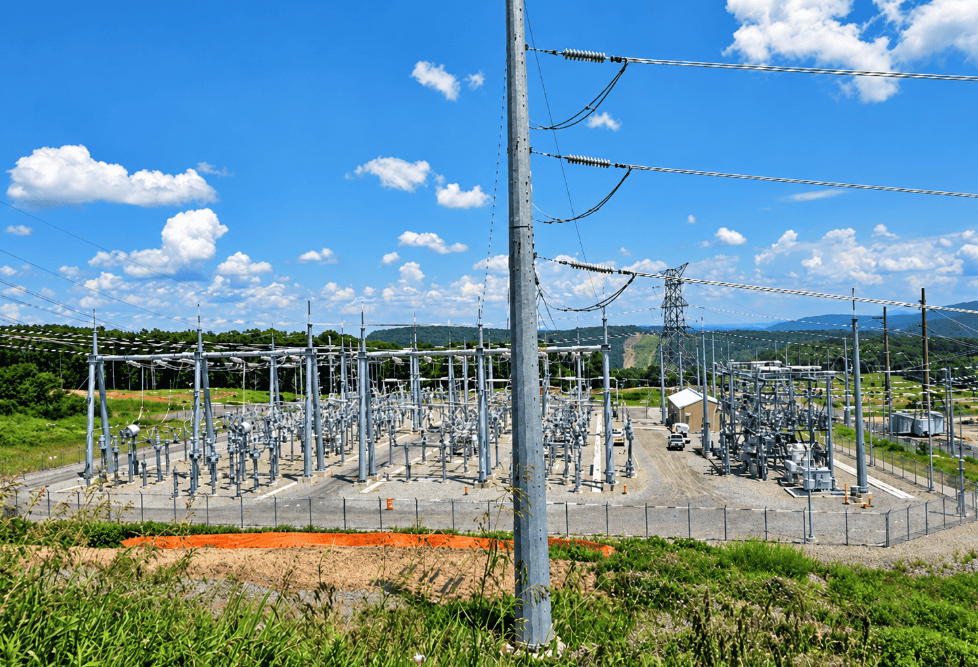
en.Wedoany.com Reported - Brazil's energy sector is addressing the contradiction between growing electricity demand and delays in transmission infrastructure construction through capacity expansion and upgrades of existing lines. The Energy Research Company (EPE) estimates that auctions in 2026 could attract up to R$137 billion in investments to expand the national power infrastructure and increase energy supply.
According to the projections of the Ten-Year Energy Expansion Plan (PDE 2035), Brazil's power generation will continue to grow over the next decade. The system load will incorporate new structural factors such as data centers, low-carbon hydrogen and ammonia production, and the electrification of industrial processes. As of 2038, connection requests to the basic grid have exceeded 50 GW, equivalent to about half of the current peak demand of the National Interconnected System (SIN).
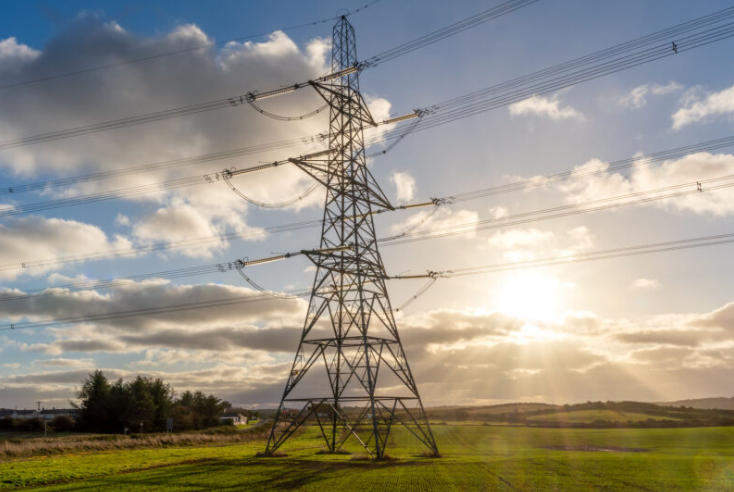
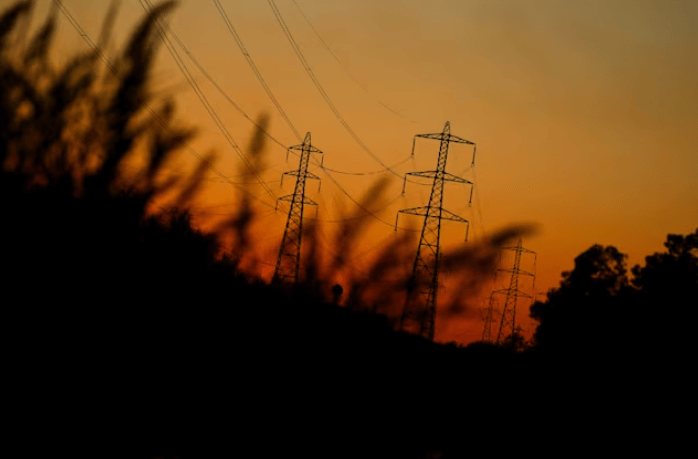
Transmission capacity is under pressure. The average time for new lines, from environmental licensing and auctions to construction and commissioning, may exceed five years, creating a time lag between system demand and the actual delivery of infrastructure. In addition to the lengthy environmental licensing period before construction, geographical and social-environmental constraints make it unfeasible to open new transmission corridors near major consumption centers.
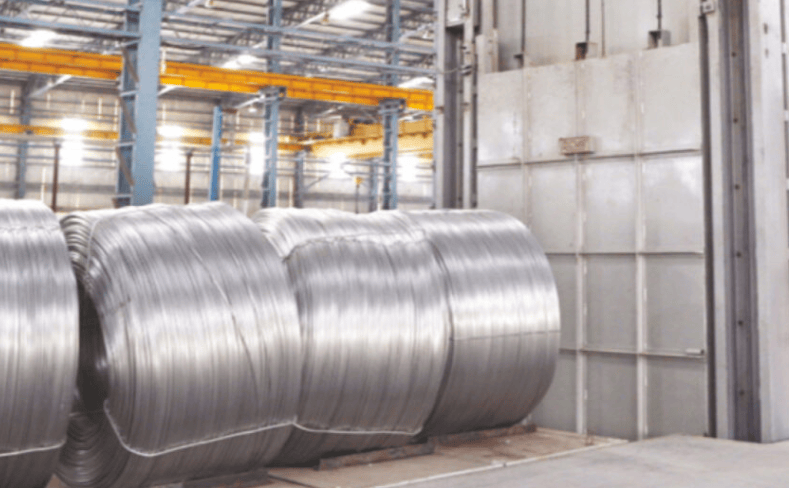
In this context, line capacity expansion and upgrades have become a solution. Upgrading means increasing transmission capacity without building new towers, expanding right-of-way limits, or undertaking extensive civil works. One such technique is reconductoring, which involves replacing conventional cables with high-performance conductors. The most widely applied technology internationally involves High-Temperature Low-Sag (HTLS) type cables, such as Aluminum Conductor Steel Supported (ACSS), which can operate at temperatures up to 250°C, far exceeding the typical temperature range of conventional conductors, thereby enabling a significant increase in energy transport capacity.
Brazil has a vast power grid, with thousands of kilometers of lines built between 1970 and 2000 designed for load characteristics different from current ones. As demand accelerates and system configurations change, some infrastructure needs reinforcement. Designers are already analyzing reinforcement plans, transmission companies are seeking to alleviate operational constraints, and integrators are evaluating technologies capable of expanding transmission capacity without building new structures. Brazil is entering a decade where dense urban centers and high-risk areas have neither the physical space nor the regulatory time for constructing new parallel lines. Capacity expansion and upgrades are decisive for avoiding transmission bottlenecks in strategic regions and complementing the expansion of auctioned lines.
This article is compiled by Wedoany. All AI citations must indicate the source as "Wedoany". If there is any infringement or other issues, please notify us promptly, and we will modify or delete it accordingly. Email: news@wedoany.com
Related Products
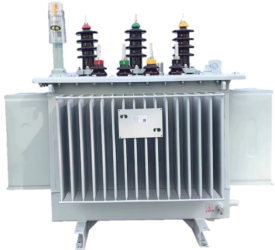

Oil-immersed Amorphous Alloy Core Distribution Transformer
Pinggao Group Smart Electric Co., Ltd.
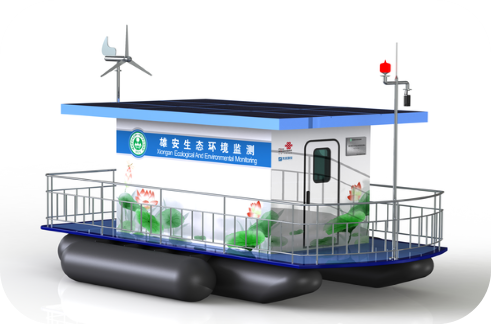
Floating Boat Water Quality Automatic Monitoring System
Hebei Sailhero Environmental Protection High-tech Co., Ltd.

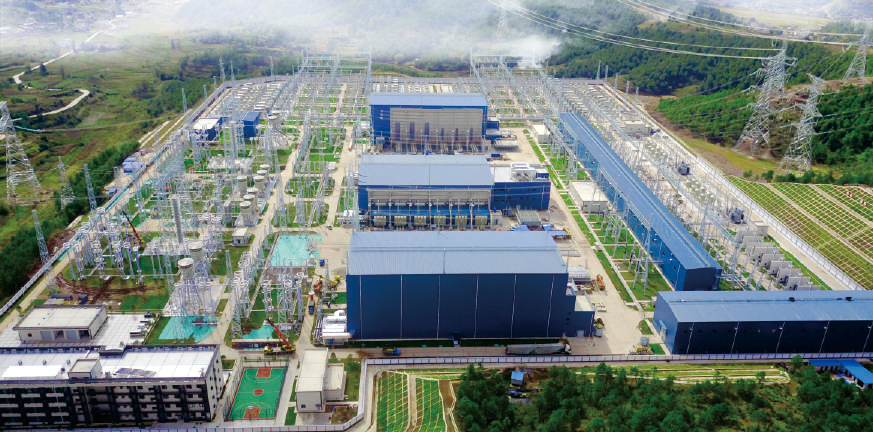
High-voltage Direct Current (HVDC) Transmission System Research and Integrated Design
XI'AN XD POWER SYSTEMS CO., LTD.
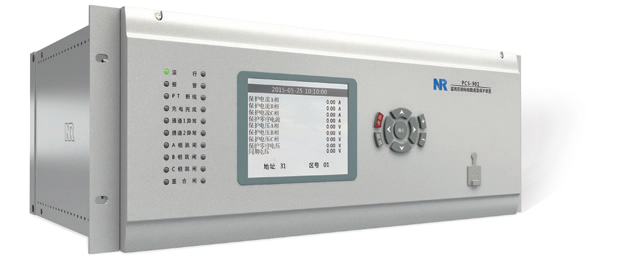
PCS-901 Series Ultra (Extra) High-voltage Transmission Line Complete Protection Device
Nanjing NR Electric Co., Ltd.
TAI Slew-drive Single-axis Independent 1P Tracking Bracket System
ANTAI TECHNOLOGY CO., LTD.