U.S. and Indian Cities Promote Cool Roofs to Combat Extreme Heat
en.Wedoany.com Reported - Cities such as New York, Los Angeles, and Hyderabad, India, are promoting cool roofs to combat extreme heat. This strategy significantly improves thermal comfort and reduces energy consumption by decreasing heat absorption in buildings and mitigating the urban heat island effect.
The principle of a cool roof is to allow the surface to absorb less solar radiation and reflect more light. Its efficiency is measured by two indicators: Solar Reflectance and Thermal Emittance. Solar Reflectance indicates the proportion of solar radiation reflected by the surface, while Thermal Emittance measures the material's ability to release absorbed heat energy. Both are scored on a scale from 0 to 1, with higher scores indicating stronger cooling performance. However, the effectiveness of cool roofs varies in different climates. In hot regions, cooling savings far outweigh the investment, while in cold climates, winter heating demand may increase slightly. Additionally, in hot and humid areas, light-colored roofs may be more prone to algae or mold growth if appropriate materials are not used.
New York launched the NYC CoolRoofs program in 2009, applying reflective coatings to roofs to reduce energy consumption and improve building thermal comfort. Los Angeles has also incorporated reflective roof requirements into its green building code. Indian cities Hyderabad and Ahmedabad have promoted cool roof projects to protect public buildings such as homes and schools from extreme heat. In these cases, white roofs are seen as an urban tool to combat heatwaves, particularly suitable for communities where homes are prone to overheating and some residents cannot afford mechanical cooling.
Similar traditions have long existed across Spain. The white villages of Andalusia, such as Arcos de la Frontera, Grazalema, Vejer de la Frontera, Frigiliana, Mijas, and Setenil de las Bodegas, have used lime to whitewash their houses for centuries. Lime is a cheap, easy-to-use material with hygienic properties that disinfects walls and protects surfaces. Its white color effectively reflects solar radiation. In climates with long summers and high temperatures, white helps houses absorb less heat.
The traditional white houses of the Canary Islands, especially on Lanzarote, also stem from climatic logic. On this volcanic territory, dark soil absorbs heat and solar radiation is intense. White facades help reflect light and reduce building heat gain. Architect and artist César Manrique did not invent these white houses; his contribution was defending this traditional architecture, preserving its harmony with the landscape, and making it a local cultural icon. Manrique's legacy shows that vernacular architecture holds not only aesthetic but also environmental value.
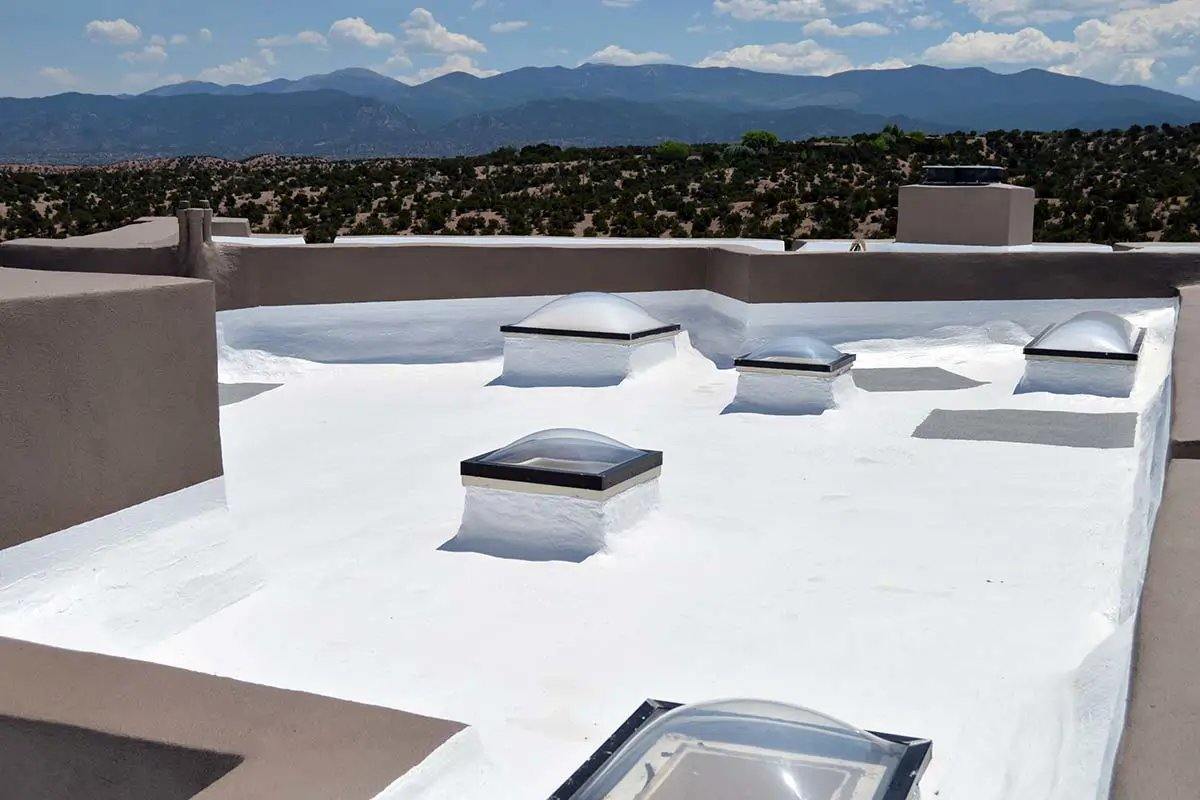
The difference between traditional white villages and today's cool roofs lies in scale and technology. In the past, lime was used; today, reflective coatings, special membranes, and energy efficiency technical standards are employed. But the underlying logic is similar: preventing buildings from absorbing excessive heat. Of course, painting roofs white alone is not enough to fully solve urban heat issues. Cities also need more shade, more vegetation, better insulation, materials that absorb less heat, and climate-adapted urban planning. However, cool roofs have a clear advantage: they can be relatively easily applied to existing buildings and immediately improve thermal comfort. While cool roofs use advanced materials and are supported by scientific research, their conceptual roots lie in a simple method that Spanish vernacular architecture understood centuries ago: when the goal is to withstand heat, reflecting sunlight is often more effective than absorbing it.
This article is compiled by Wedoany. All AI citations must indicate the source as "Wedoany". If there is any infringement or other issues, please notify us promptly, and we will modify or delete it accordingly. Email: news@wedoany.com
Related Products
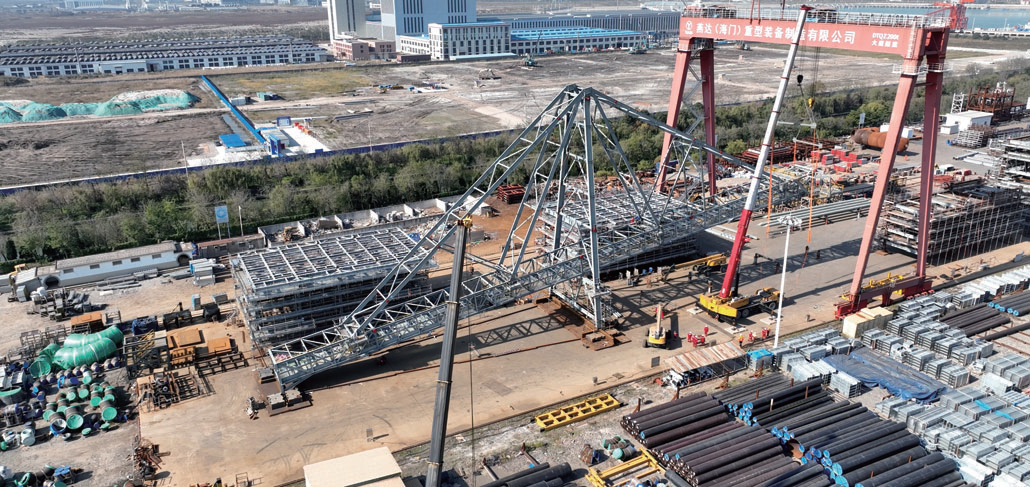

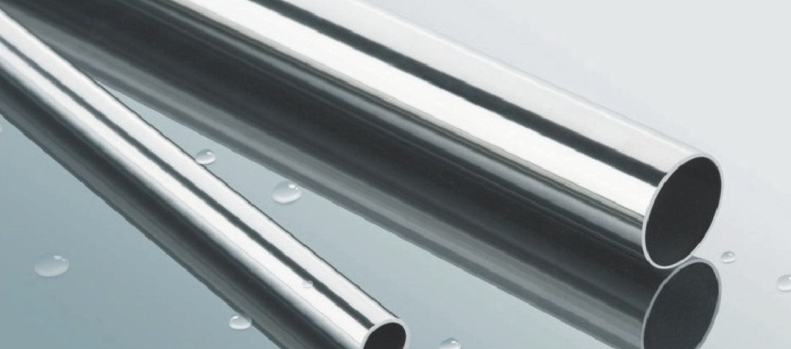
ERW Welded Pipe (Black Pipe and Hot-dip Galvanized Steel Pipe)
Handan Zhengda Steel Pipe Co., Ltd.
Ultra-Pure Ferrite Stainless Steel Products
Gansu JISCO Group Hongxing Iron and Steel Co., Ltd.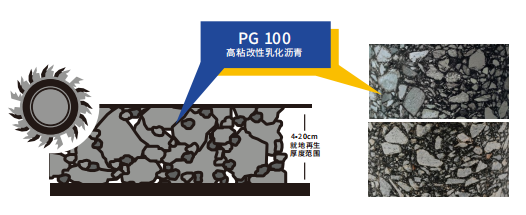
High-toughness in-Situ Cold Recycling Technology for Original Structural Layers
Central Fortune Creation Technology Group Co., Ltd.
300mm Segment Type Countdown Traffic Light (Core Type)
Yangzhou FAMA Intelligent Equipment Co., Ltd.