UK invests £113,000 in 2024 to install ACO snake tunnels connecting adders
en.Wedoany.com Reported - ACO Water Management has installed two specially designed snake tunnels at Greenham Common and Crookham Common to reconnect two adder populations separated by a road, marking the first attempt of its kind in the UK.
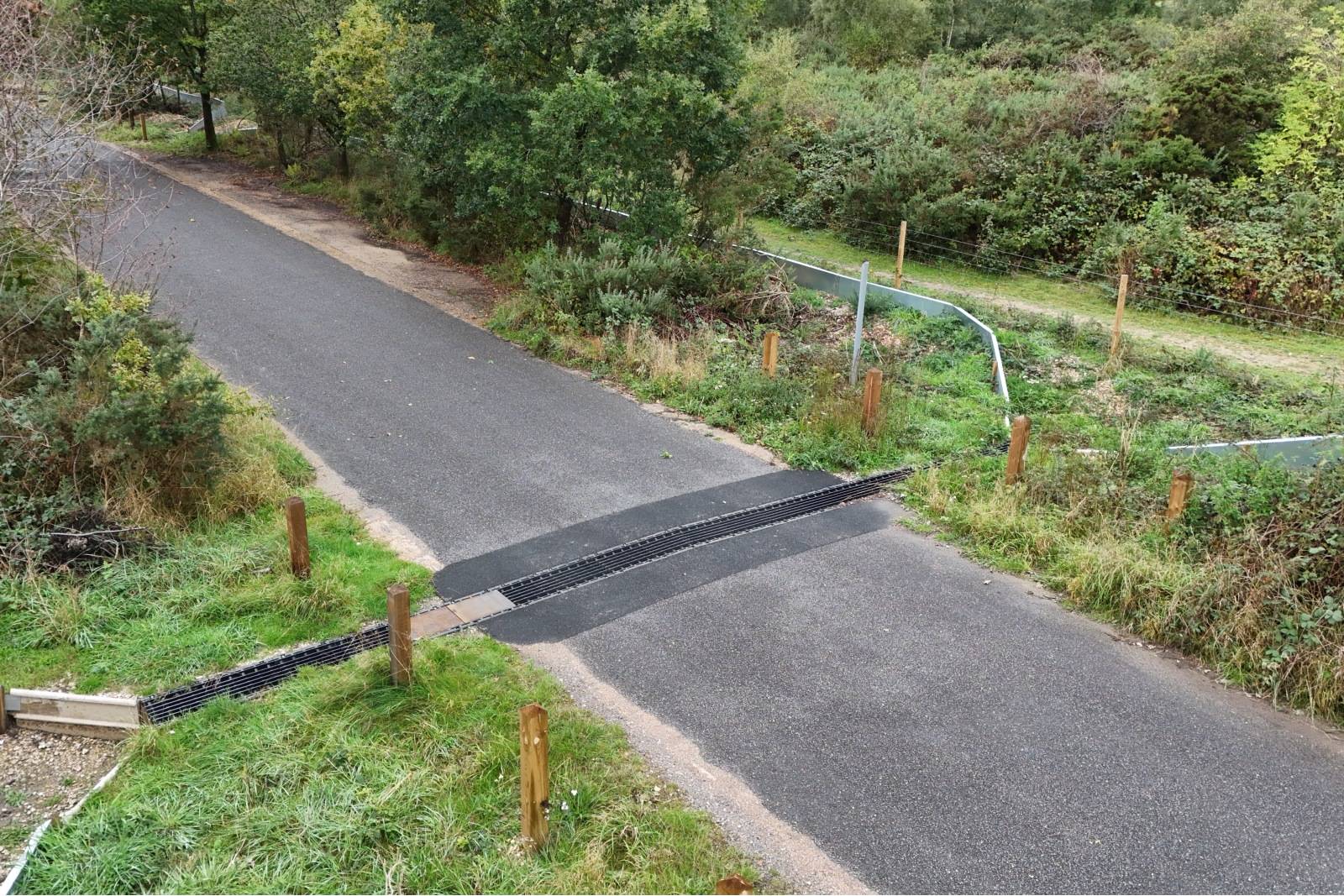
Over the past few decades, the UK's adder population has declined significantly, with surveys showing that 90% of monitored populations are shrinking, and many consist of fewer than ten individuals. Adders are particularly vulnerable when crossing roads, facing threats not only from vehicles but also from increased exposure to predators. Radio tracking from 2015 to 2022 revealed that two separate adder populations on Crookham Common and Greenham Common were divided by Old Thornford Road. Genetic isolation makes the species more susceptible to genetic mutations and diseases, ultimately risking extinction. The decline in adder populations is significant because they help maintain a healthy balance in habitats such as heathlands and also serve as indicators of broader environmental degradation.
In 2023, the Berkshire, Buckinghamshire and Oxfordshire Wildlife Trust (BBOWT) received £113,000 from Natural England's Species Recovery Programme for "The Adder Connections project." This funding was designated for the installation of two reptile tunnels under Old Thornford Road. ACO provided two 10-metre-long tunnels and wing walls to guide adders towards the tunnel entrances. The tunnel design allows sunlight to enter, which is particularly important for cold-blooded reptiles, while maintaining fresh air and humidity. Removable grilles supplied with the tunnels facilitate inspection and maintenance.
The two tunnels were installed in 2024, lined with a gravel base and featuring points where adders can take refuge from predators. The areas at both ends of the tunnels were improved by removing shrubs and grass to create basking zones. Trees were felled to open corridors connecting the open heathland to the tunnels, and the timber and branches were used to build habitat piles, providing additional shelter for adders.
In autumn 2024, BBOWT fitted five adders with small radio transmitters and tracked their movements, finding that the adders approached the tunnel entrances. Infrared cameras recorded rodents, small birds, and grass snakes using the tunnels. In April 2025, a camera captured an adder using a tunnel to safely travel from Crookham Common to Greenham Common, confirming that the two isolated groups can now interact, enhancing the resilience of the local population. Long-term monitoring is needed to fully assess the future impact of the project, but these early results demonstrate the potential of such initiatives to promote biodiversity and protect threatened species.
Terry Wilkinson, ACO's Specialist Design and Application Engineer, said it was great to contribute to a project that has a clearly beneficial impact on local biodiversity, adding that the tunnels provided are expected to last for many years. He expressed hope that the adder population would recover to healthier levels, as they can now move more freely without having to cross dangerous roads. Debbie Lewis, BBOWT's Ecology Manager, said the tunnels offer an exciting opportunity to reconnect two isolated adder populations, thereby helping to ensure stronger, more dynamic populations in both areas. She noted that ACO's tunnels are robust and easy to install, making them ideal for this work.
This article is compiled by Wedoany. All AI citations must indicate the source as "Wedoany". If there is any infringement or other issues, please notify us promptly, and we will modify or delete it accordingly. Email: news@wedoany.com
Related Products


Ceiling light | led Ceiling Light | LED Indoor light | LED Ceiling lighting
Queendom Group Technology Co., Ltd.
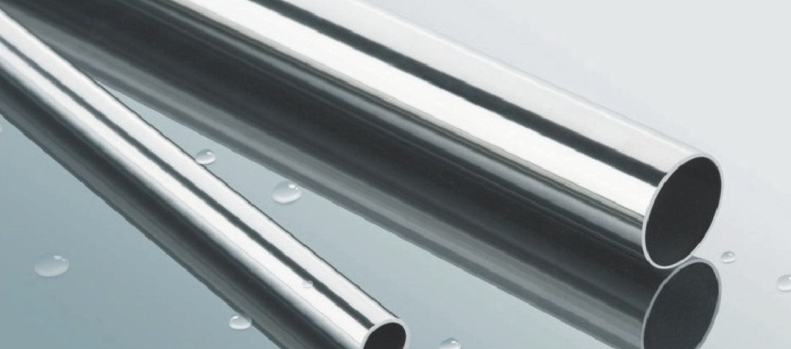
ERW Welded Pipe (Black Pipe and Hot-dip Galvanized Steel Pipe)
Handan Zhengda Steel Pipe Co., Ltd.

300mm Segment Type Countdown Traffic Light (Core Type)
Yangzhou FAMA Intelligent Equipment Co., Ltd.
YHTank8400N Solvent-Free Liquid Epoxy Coating
JIANGSU YUNHU NEW MATERIAL TECHNOLOGY CO., LTD.

CITIC Heavy Industries Tunneling Equipment Tunnel Engineering Shield Machine
CITIC Heavy Industries Co., Ltd.
145kV Porcelain Column Type Sulfur Hexafluoride Circuit Breaker
TBEA ZONFA Shanghai High Voltage Switchgear Co., Ltd.