UK's Firefly selects supplier, aims to commercialize sewage-to-aviation fuel by 2028/29
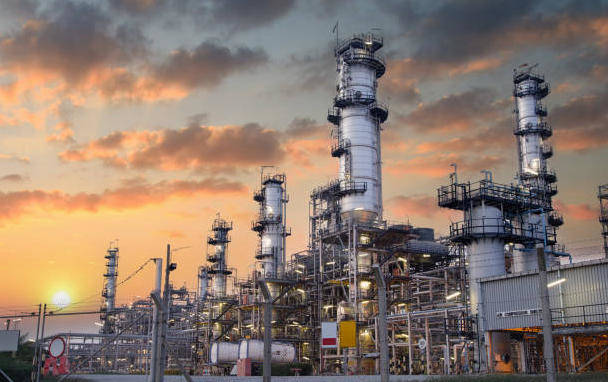
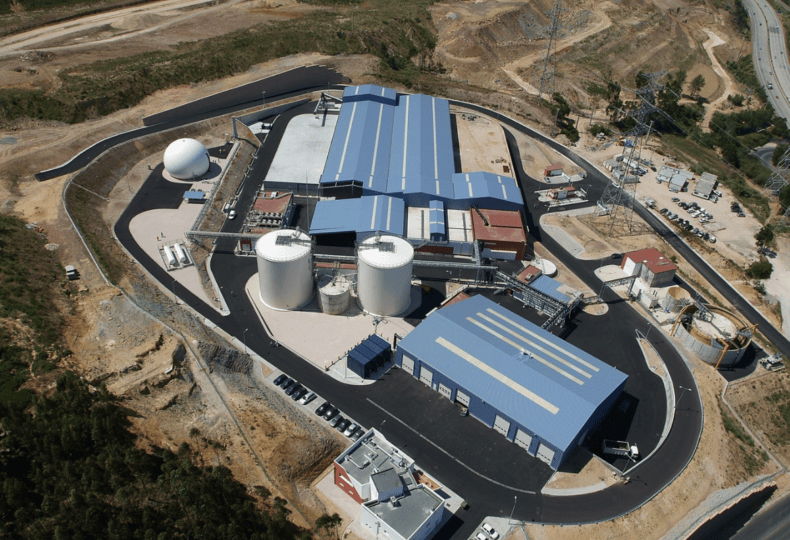
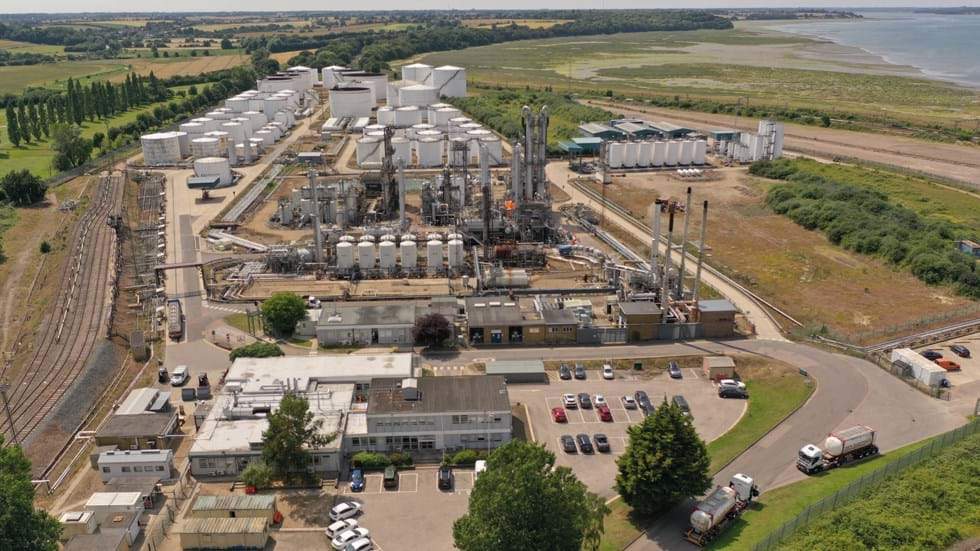
en.Wedoany.com Reported - Firefly Green Fuels has all the conditions in place to commercialize the conversion of sewage sludge into sustainable aviation fuel after selecting Altaca as the key supplier for its hydrothermal liquefaction process. The company plans to build a commercial-scale plant at the Harwich refinery in Essex, UK, expected to be operational in 2028/29.
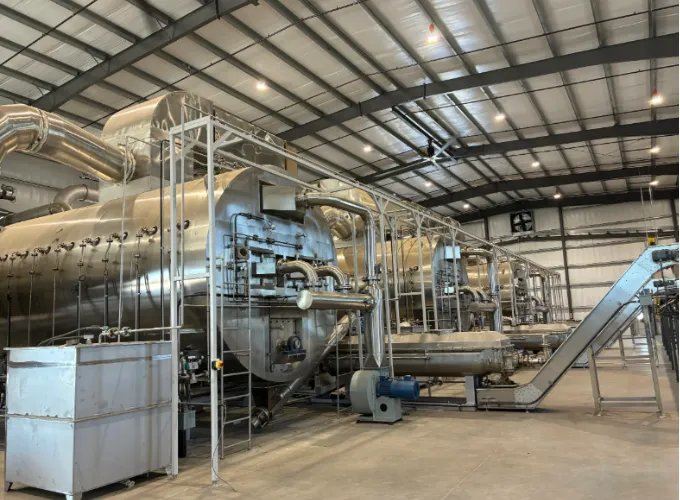
Engineering firm Altaca will supply the hydrothermal liquefaction process based on CatLiq technology for the plant. This technology is central to Firefly's production process, converting wet sewage sludge with approximately 80% moisture content into bio-crude oil through pressurization and heating. Firefly CEO James Hygate described the process as "like a pressure cooker," where water acts as both a reactant and a reagent, breaking down biosolids into bio-crude oil and biochar.
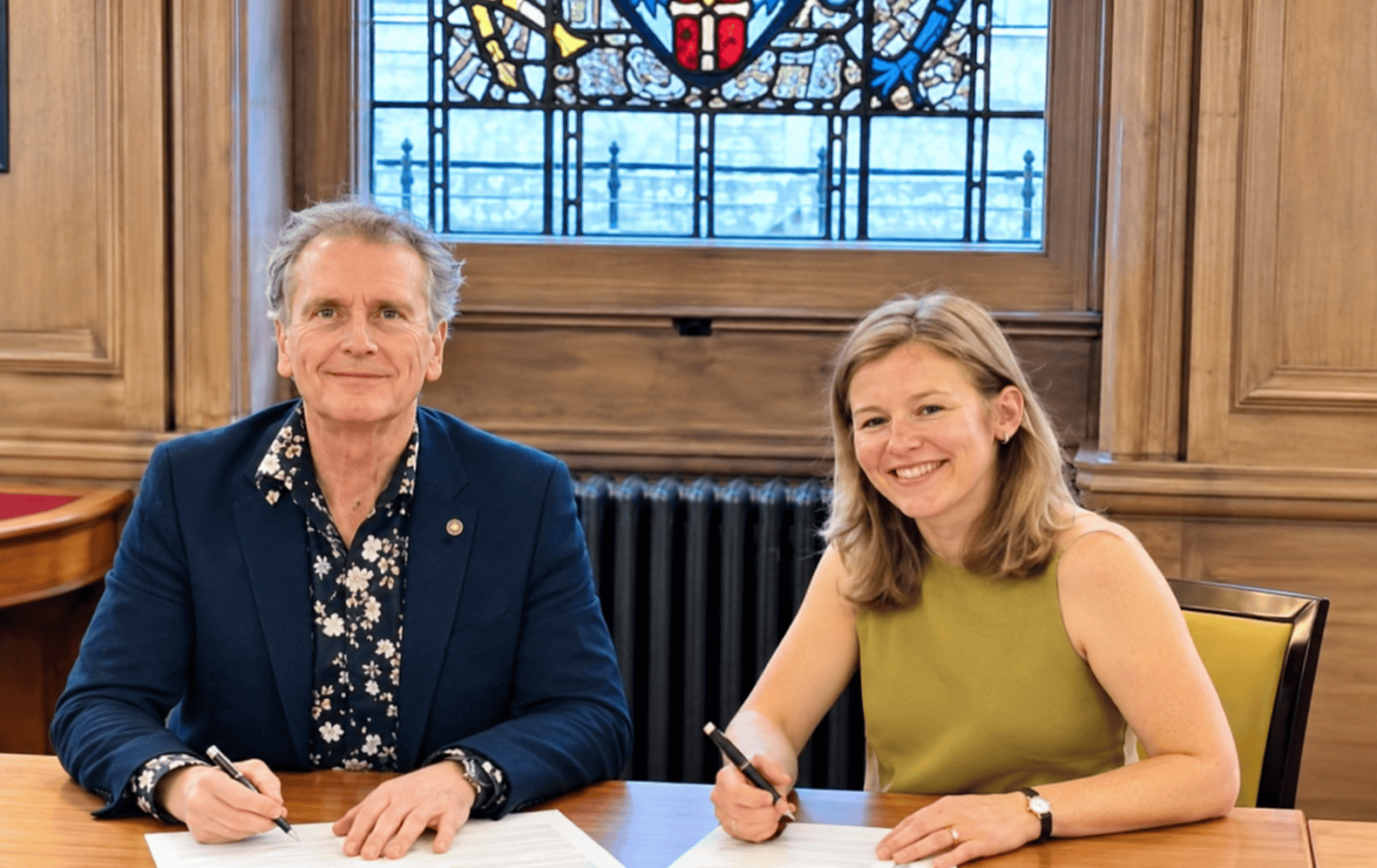
Hygate said extensive global testing was conducted to find the top supplier for this key technology, and it was found in Altaca. He added that the deal with Altaca enables the company to "start saving carbon emissions by the gigaton." Hygate stated: "Firefly's purpose is to combat climate change by decarbonizing aviation. Now everything is in place—we have an end-to-end platform and a new type of waste-to-fuel infrastructure."
Altaca President Alper Önoğlu said: "We are delighted that our hydrothermal liquefaction technology has been recognized as the final critical link in Firefly's innovative supply chain. Our engineering solutions provide the necessary upstream step to convert sewage sludge into high-quality bio-crude oil, enabling the production of truly sustainable aviation fuel."
Shortly before Firefly signed the agreement with Altaca, researchers at Chalmers University of Technology in Sweden published a paper in the journal Fuel indicating that the EU's current sustainable aviation fuel policy may hinder innovative pathways based on biological feedstocks. The EU plans to mandate that by 2050, 70% of jet fuel used on flights departing from Europe must be sustainable aviation fuel, with 50% of that being power-to-liquid synthetic fuel. After comparing three production pathways, the researchers found that gasifying biomass to produce methanol costs €820 ($955) per ton with an energy efficiency of 46%, while the power-to-liquid process using carbon capture and green hydrogen costs up to €1,495 per ton with an energy efficiency of only 37%. Henrik Thunman, co-author of the paper and professor of energy technology at Chalmers University of Technology, said the policy is not driving innovation toward the most efficient solutions and may instead lock in less resource-efficient production methods.
Firefly Strategic Director Paul Hilditch said projects using Altaca's technology are expected to be deployed at multiple locations both within and outside the EU. The European Commission declined to comment on the research.
This article is compiled by Wedoany. All AI citations must indicate the source as "Wedoany". If there is any infringement or other issues, please notify us promptly, and we will modify or delete it accordingly. Email: news@wedoany.com
Related Products

NISELA Series Environmentally Friendly Gas-Insulated Ring Main Unit
XJ DELISHIER ELECTRIC CO., LTD.
Microcomputer Protection and Substation Automation
Beijing Agent Devote Power Technology Development Co., Ltd.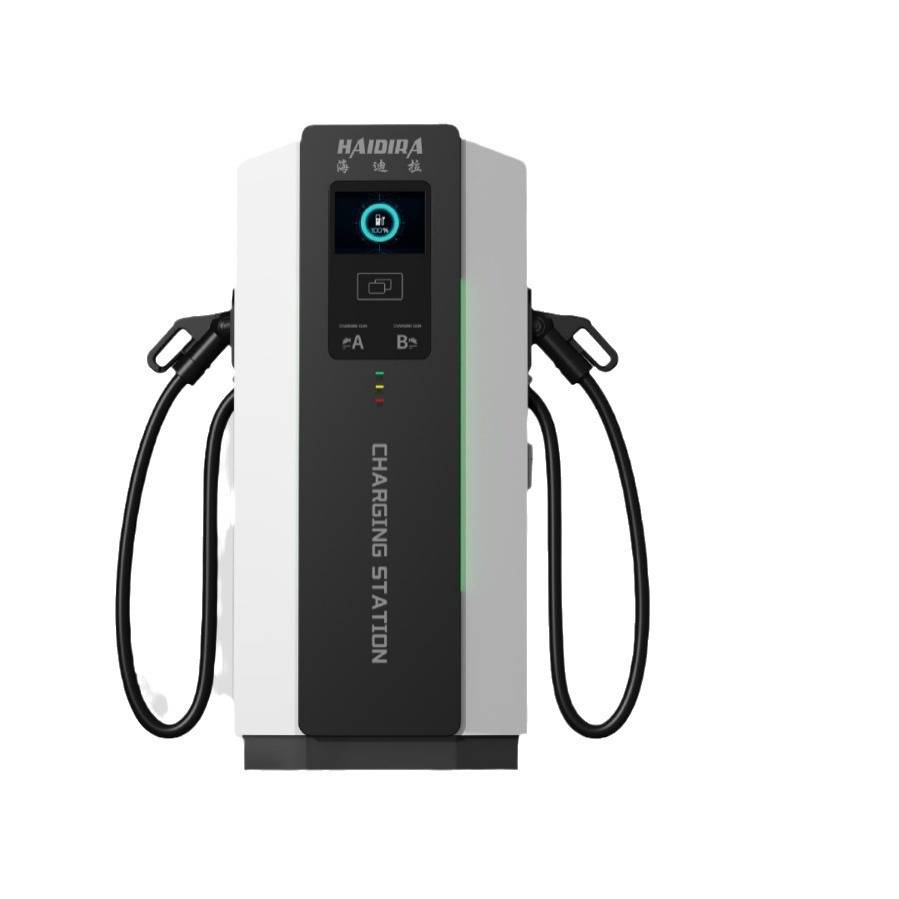
Manufacturer Direct Sales Tesla New Energy Electric Vehicle Universal DC 180kW Dual-gun Charging Pile Commercial Fast Charger
Anhui Haidira Electric Technology Co., Ltd.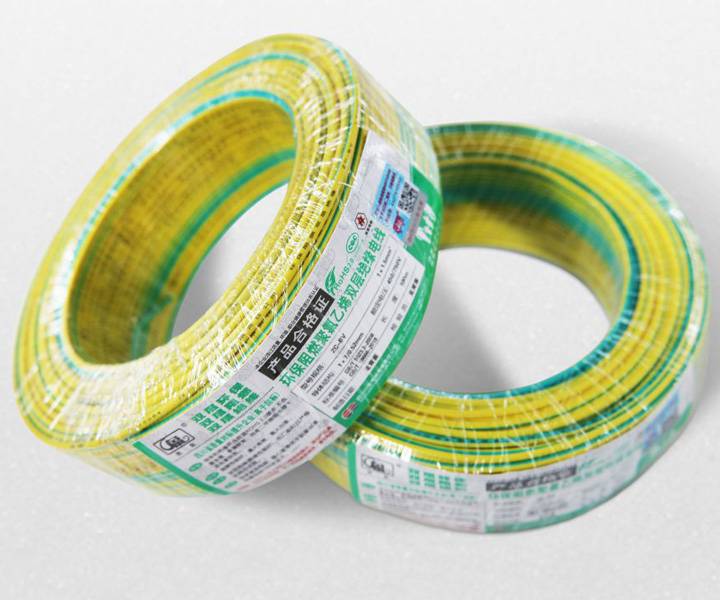
Environmentally Friendly Flame-retardant PVC Double-layer Insulated Wire
Sichuan Chndo Cable Co., Ltd.
Forest and Grassland Heat Source Infrared Monitor
China Huayun Meteorological Technology Group Co., Ltd.
Perfluorinated Ionic Membrane-CM-10N Series Membrane
Guizhou Juneng Century Technology Co., Ltd