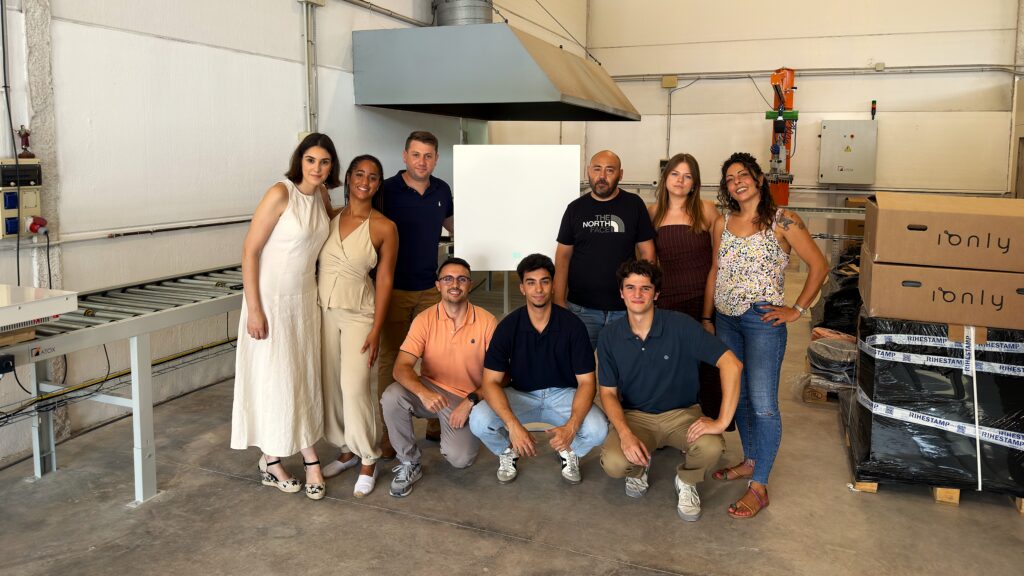
en.Wedoany.com Reported - A research team from South China Normal University has developed an in-situ polymerized solid-state electrolyte based on cross-linked poly(tetrahydrofuran) (poly(THF)), enabling lithium metal batteries to operate stably across a wide temperature range from -40°C to 55°C while maintaining high-voltage performance.
Solid-state batteries are considered an alternative to traditional lithium-ion batteries, but most solid polymer electrolytes suffer from low ionic conductivity, poor contact with electrodes, and limited high-voltage stability. Existing in-situ polymerized polyether electrolytes also tend to degrade when paired with high-voltage cathodes, affecting battery lifespan.
The team used an in-situ polymerization process to form the electrolyte directly inside the battery. The liquid precursor can achieve close contact with the electrodes before solidification and is compatible with existing lithium-ion battery production methods. By replacing the commonly used monomer 1,3-dioxolane with tetrahydrofuran, the team increased the electrolyte's oxidative stability to 4.9 volts. Ethylene glycol diglycidyl ether served as a cross-linking agent to construct a three-dimensional structure, providing additional pathways for lithium-ion movement and boosting room-temperature ionic conductivity to 3.3 mS/cm. Lithium difluoro(oxalato)borate (LiDFOB) functions both as a lithium salt and an initiator, forming a protective interfacial layer containing lithium fluoride and boron-oxygen-fluorine compounds on the electrode surface, thereby suppressing side reactions.
In tests paired with nickel-rich NCM811 and lithium cobalt oxide cathodes, the electrolyte exhibited minimal capacity loss after hundreds of cycles at a high cutoff voltage of 4.5 volts and covered an operating temperature range from -40°C to 55°C. The researchers noted that the material is suitable for electric vehicles, electric vertical takeoff and landing aircraft, and grid-scale energy storage systems.
The research team believes that this design strategy can be further extended to sodium-based and lithium-sulfur battery systems. The findings have been published in the journal eScience Energy.
This article is compiled by Wedoany. All AI citations must indicate the source as "Wedoany". If there is any infringement or other issues, please notify us promptly, and we will modify or delete it accordingly. Email: news@wedoany.com