en.Wedoany.com Reported - Narayana Prasad, CEO of Triveni Turbine, recently gave an exclusive interview on the company's technical roadmap and market strategy regarding flexible operation, fuel compatibility, and digital transformation of steam turbines.
To address the flexible operation requirements of steam turbines, Triveni integrates advanced aerodynamics, structural mechanics, modular hardware, and intelligent control to tackle challenges posed by low load, rapid ramping, and cyclic operation. Under low-load conditions, the low-pressure (LP) section may experience windage heating, stall, and backflow due to low steam flow, leading to extreme thermal stress, blade vibration, and fatigue. To mitigate these risks, the company has developed an advanced LP blade series through combined research in advanced aerodynamics and structural mechanics, along with internal testing and validation. The design employs efficient steam path configurations, with optimized blades enhancing performance across a wide load range, flattening the efficiency curve and limiting heat rate penalties under partial load. Advanced steam admission technologies, such as partial arc admission and optimized valve sequencing, reduce throttling losses, improve ramping response, and limit thermal fluctuations. A modular turbine architecture supports faster starts, reduces thermal mass, and allows integration of backpressure turbines for energy recovery. Lifecycle durability is enhanced through material selection, dynamic validation, and digital modeling of thermal and mechanical stresses. Control integration strategies, such as ramp shaping and stress monitoring, reduce fatigue and prevent damage from thermal transients.
Regarding the roadmap for hydrogen and biomass co-firing, Triveni states that its focus is not on fuel switching within the turbine itself, but on building a flexible, low-carbon steam generation ecosystem. In the biomass sector, the company already has capabilities in cogeneration and combined heat and power (CHP) systems using bagasse and agricultural waste. Retrofit pathways for fossil fuel power plants include boiler conversion to biomass fuel, adjustment of steam parameters, and turbine upgrades. In terms of hydrogen readiness, the company ensures turbines are compatible with variable steam conditions and faster load changes, and supports hybrid systems incorporating renewable energy, energy storage, and waste heat recovery. Retrofit strategies offered through the Triveni REFURB business extend equipment life, enhance efficiency, and improve operational flexibility. Investments in CO₂ heat pumps and waste heat recovery are also being made to reduce reliance on fossil fuels.
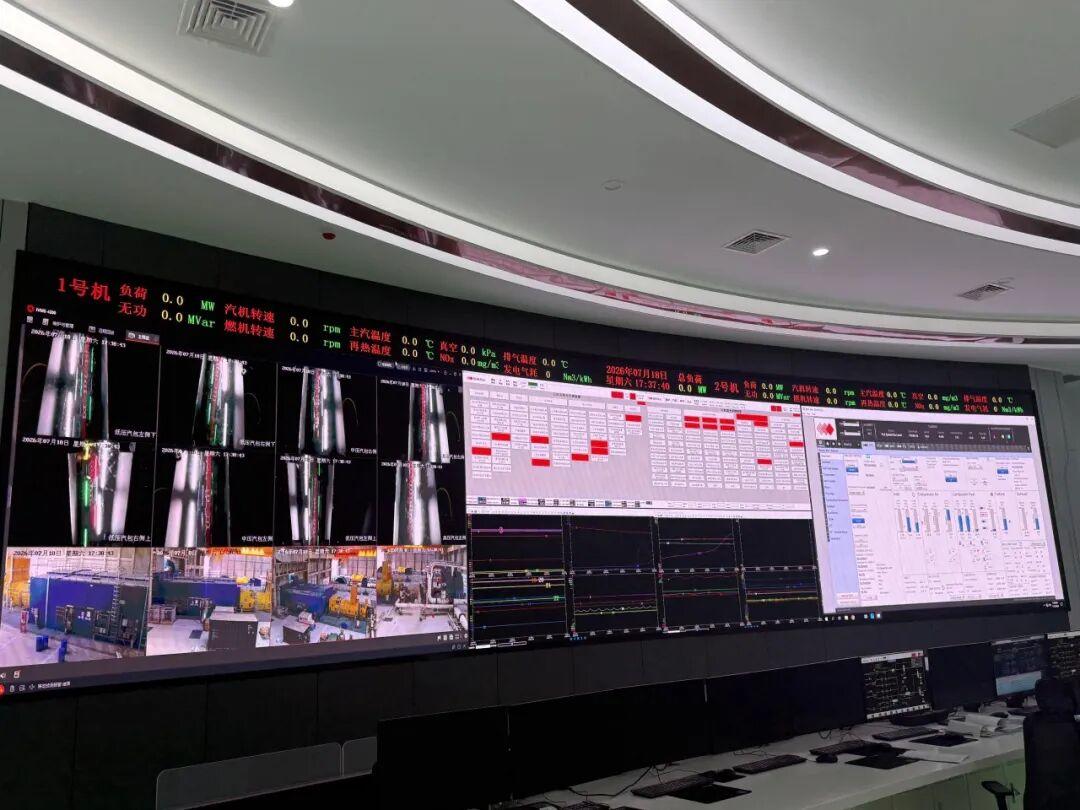
In AI-enabled control systems, Triveni achieves remote monitoring and closed-loop intelligent control by integrating dense sensor networks, real-time analytics, and machine learning models. AI processes vast amounts of fleet data covering thermal performance, mechanical health status, and operating conditions, and establishes digital twin models to simulate turbine behavior under different loads. This technology can detect early fault signatures—such as imbalance, wear, or fouling—weeks before failure occurs, enabling condition-based maintenance that typically reduces maintenance costs by 25% to 30%. AI also improves fuel efficiency through real-time heat rate optimization, adaptive valve control, and dynamic steam management, typically increasing efficiency by 1% to 3% during partial load operation, ramping, and cycling.
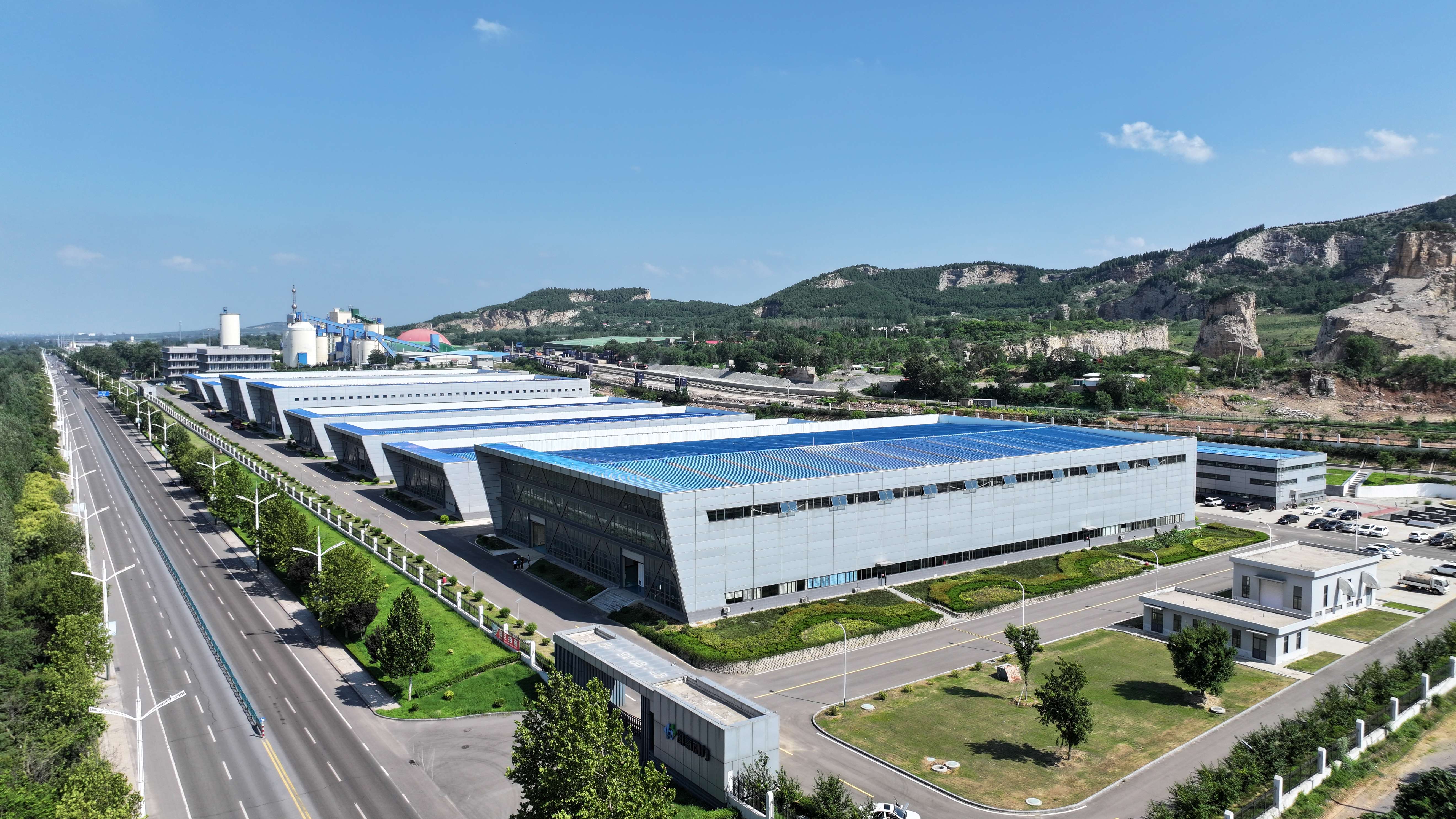
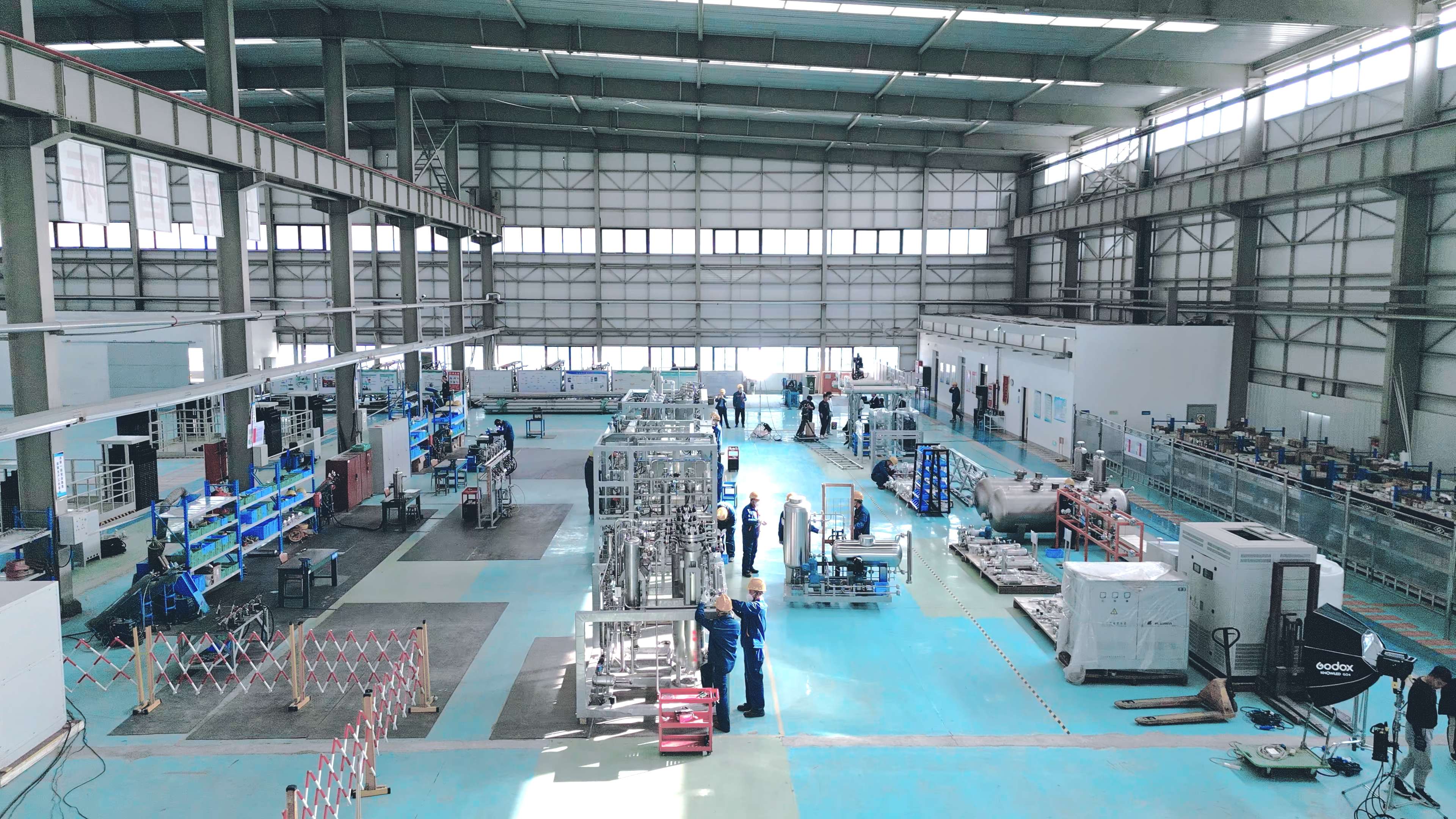
In terms of localized manufacturing and service, Triveni operates two advanced factories in Bangalore (Peenya and Sompura), producing over 350 turbines annually. Through capacity expansion and advanced machining technologies, the company enhances localization of key components such as rotors, blades, and control systems, improving supply chain resilience and pricing competitiveness. The company places strong emphasis on supplier development programs. Ongoing R&D investment and over 400 patent applications support indigenous technology, with collaboration from the Indian Institute of Science (IISc). Aftermarket service revenue accounts for over 30% of total revenue. In terms of market strategy, the company focuses on renewable energy and distributed power sectors such as biomass, waste-to-energy, geothermal, and combined heat and power (CHP), while expanding globally, with exports contributing nearly half of revenue. The company is diversifying into new technology areas such as CO₂ energy storage, MVR (mechanical vapor recompression), and heat pumps, and is expanding turbine capacity to serve larger industrial sectors.
Spokesperson: Narayana Prasad, CEO of Triveni Turbine Ltd.
This article is compiled by Wedoany. All AI citations must indicate the source as "Wedoany". If there is any infringement or other issues, please notify us promptly, and we will modify or delete it accordingly. Email: news@wedoany.com