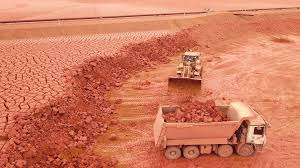
en.Wedoany.com Reported - Hydro has completed all actions under the Degraded and Altered Area Restoration Project (PRADA) at its bauxite mine in Paragominas, Pará, Brazil, 11 years ahead of the final deadline. The project was implemented to fulfill a commitment agreement signed with the State Secretariat for Environment, Climate, and Sustainability, thereby achieving the forest and ecological restoration targets set by Pará's environmental agency. Between 2023 and 2025, the company implemented fencing, signage, and natural regeneration guidance measures in some areas, and conducted forest enrichment planting in specific zones, covering a total of 891 hectares previously affected by human activities before the company's land acquisition. In restoring these areas, which have been converted into legal reserves, Mineração Paragominas adopted an approach focused on rebuilding ecological balance, including natural regeneration, eliminating degradation factors, traditional seedling planting, and seed dispersal using drones, with all species used being native and endangered.
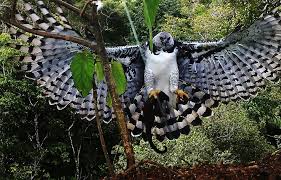
Collaboration with various entities has also played a key role in optimizing forest restoration quality indicators. Beyond this area, in the municipality of Paragominas alone, Hydro has restored over 3,759 hectares since 2009, equivalent to approximately 5,250 football fields. In a statement, the company said Hydro is fulfilling its commitment to 1:1 restoration, meaning it restores areas available after mining within a maximum of two years, with progress synchronized with extraction. Furthermore, the company aims for zero net loss of biodiversity, returning areas to nature in conditions equal to or better than before mining. In Paragominas, the results of this commitment are already visible in practice, with species gradually returning to restored habitats, demonstrating the ecological recovery of mined areas. Through continuous, collaborative, and technical monitoring, 449 animal species have been identified in the mine's restored areas, 19 of which are endangered, such as the harpy eagle (gavião-real) and the caiarara monkey (considered one of the 25 most threatened primate species globally).
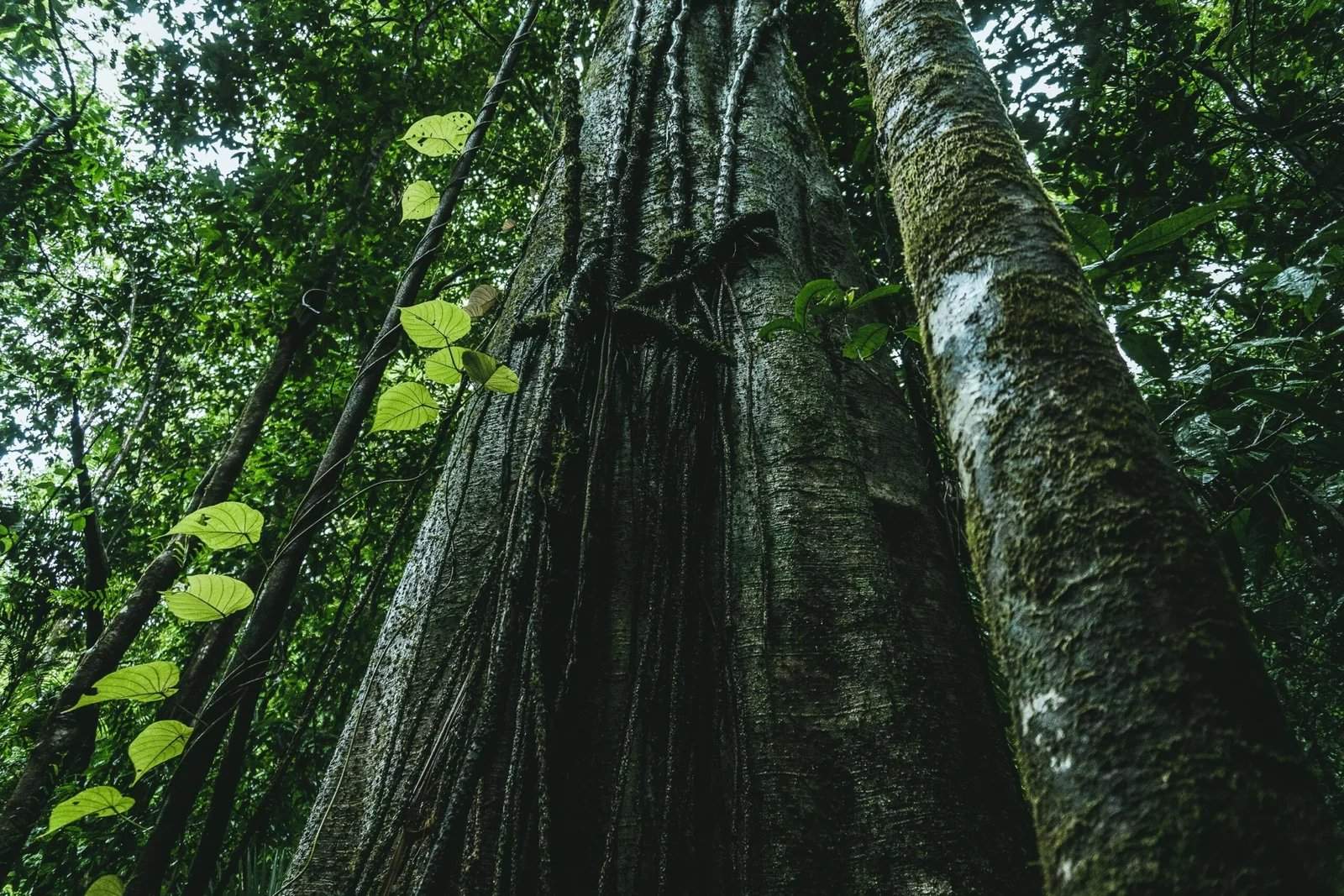
Vegetation regeneration is monitored by the Federal Rural University of the Amazon (UFRA), helping to assess the evolution of restored areas. As an environmental prevention and monitoring measure, Hydro also uses a land-use change verification tool based on satellite imagery, radar, and artificial intelligence, aiding in the identification of landscape changes. Regular studies conducted in the direct impact area confirm the maintenance of environmental quality, with no identifiable changes in soil and water quality. Through the Brazil-Norway Biodiversity Research Consortium (BRC), 26 research lines have also been implemented in Paragominas, focusing on biodiversity monitoring, ecological impacts of activities, and restoration strategies. The consortium, established in 2013, is a collaboration between Hydro, the Federal University of Pará (UFPA) and the Federal Rural University of the Amazon (UFRA), the Museu Paraense Emílio Goeldi, and the University of Oslo.

Carlos Neves, Senior Vice President of Operations and Chief Operating Officer (COO) of Hydro Bauxita & Alumina, stated that operating in the Amazon region requires a high degree of responsibility, as it holds the world's largest biodiversity and the second-largest bauxite reserves. Operating with a low carbon footprint, environmental restoration, and dialogue with surrounding communities is Hydro's commitment when producing the aluminum the world increasingly needs for a sustainable future. We strive to act responsibly and leave a positive legacy.
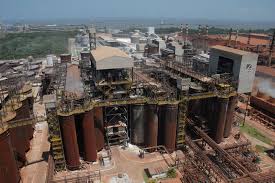
Hydro's alumina refinery Alunorte, also located in Barcarena, Pará, has reduced 1.4 million tons of carbon emissions through innovation. This progress is due to projects such as the complete replacement of fuel oil with natural gas and the introduction of three electric boilers powered by 100% renewable energy. Through these initiatives, Alunorte has consolidated its position as one of the alumina refineries with the lowest carbon footprint globally, with a greenhouse gas (GHG) emission intensity of 0.445 tCO2e per ton of alumina, compared to the global average of 1.285. Carlos Neves emphasized that Hydro maintains a high level of maturity in emissions tracking, with a robust and traceable inventory, and has received the Gold Seal certification under the GHG Protocol. This ensures the quality of data used throughout the entire aluminum value chain.
Among Alunorte's decarbonization initiatives, the possibility of gradually replacing coal with biomass derived from açaí pits is also being studied. It is expected that by the end of 2026, biomass consumption will reach 130,000 tons, more than five times the consumption when the project testing began in 2023. This pioneering solution was developed by Alunorte in partnership with the Federal University of Pará (UFPA) through a technical and scientific cooperation agreement, providing a circular use pathway for waste generated in large quantities in the Amazon region—Pará is the world's largest producer and consumer of açaí, generating 6 kg of pit waste for every 1 kg of açaí pulp produced.
This article is compiled by Wedoany. All AI citations must indicate the source as "Wedoany". If there is any infringement or other issues, please notify us promptly, and we will modify or delete it accordingly. Email: news@wedoany.com