U.S. House Bipartisan Proposal Focuses on AI Workforce and Data Center Infrastructure
en.Wedoany.com Reported - Recently, two U.S. House members—Republican Jay Obernolte (California) and Democrat Lori Trahan (Massachusetts)—jointly released a 269-page discussion draft, the "Great American Artificial Intelligence Act." This bipartisan proposal aims to establish a federal AI governance framework, launch a new workforce forecasting program, and review infrastructure and energy barriers related to the development of AI technology. As contractors increasingly deploy AI tools for scheduling, cost estimation, and project management, the bill has a direct impact on the U.S. construction and engineering industries.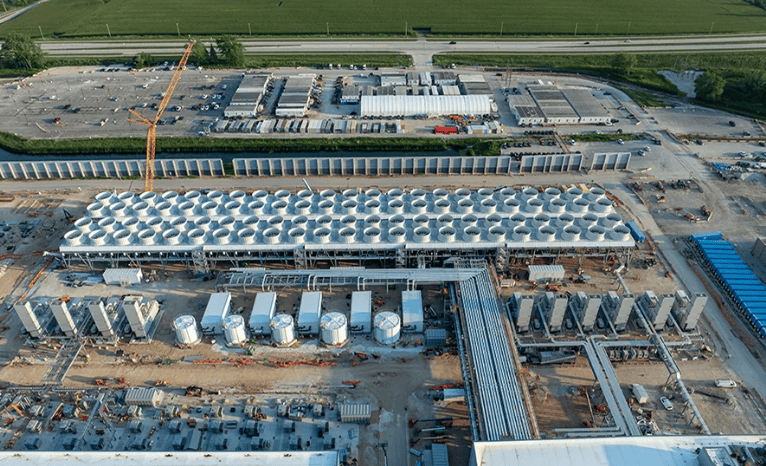
At the core of the proposal is the establishment of a "Center for AI Standards and Innovation" within the U.S. Department of Commerce, which would develop voluntary standards and best practices, evaluate advanced AI systems, and support testing projects. The center would receive $100 million in authorized funding annually from fiscal years 2027 to 2029. Meanwhile, the bill would temporarily suspend state-specific legislation on AI model development for three years, while preserving states' authority to legislate on AI deployment and use, as well as generally applicable state laws and common law remedies.
On workforce impacts, the bill requires the U.S. Department of Labor to establish an "AI Workforce Research Hub," identify at least 15 sensitive occupations vulnerable to AI disruption, and regularly publish employment impact forecasts. Federal workforce and business surveys would also be revised to collect more data on AI adoption and workforce effects. Additionally, in qualifying layoff events where AI is a significant factor, employers would be required to disclose AI's impact on the layoffs and estimate the proportion of job losses attributable to the technology.
In the infrastructure domain, the bill directs the U.S. Government Accountability Office to identify "federal regulations related to infrastructure and energy that unduly burden AI systems" and propose legislative or administrative modifications. Another provision calls for a federal review of liquid cooling technologies used in AI data centers. Such technologies are attracting billions of dollars in investment as developers build facilities capable of supporting increasingly energy-intensive computing loads.
While the bill's regulatory provisions primarily target developers of advanced AI foundation models, such as OpenAI and Anthropic, its workforce and economic measures also cover industries adopting AI technologies. According to the Associated General Contractors of America, 44% of its member contractors plan to increase AI investment in 2025, with AI already used to streamline back-office operations, estimation, contract writing, and analysis of performance and safety data. The Associated General Contractors of America stated that ensuring AI-related investments continue to support data center construction project demands is one of its key concerns with the bill.
This article is compiled by Wedoany. All AI citations must indicate the source as "Wedoany". If there is any infringement or other issues, please notify us promptly, and we will modify or delete it accordingly. Email: news@wedoany.com
Related Products
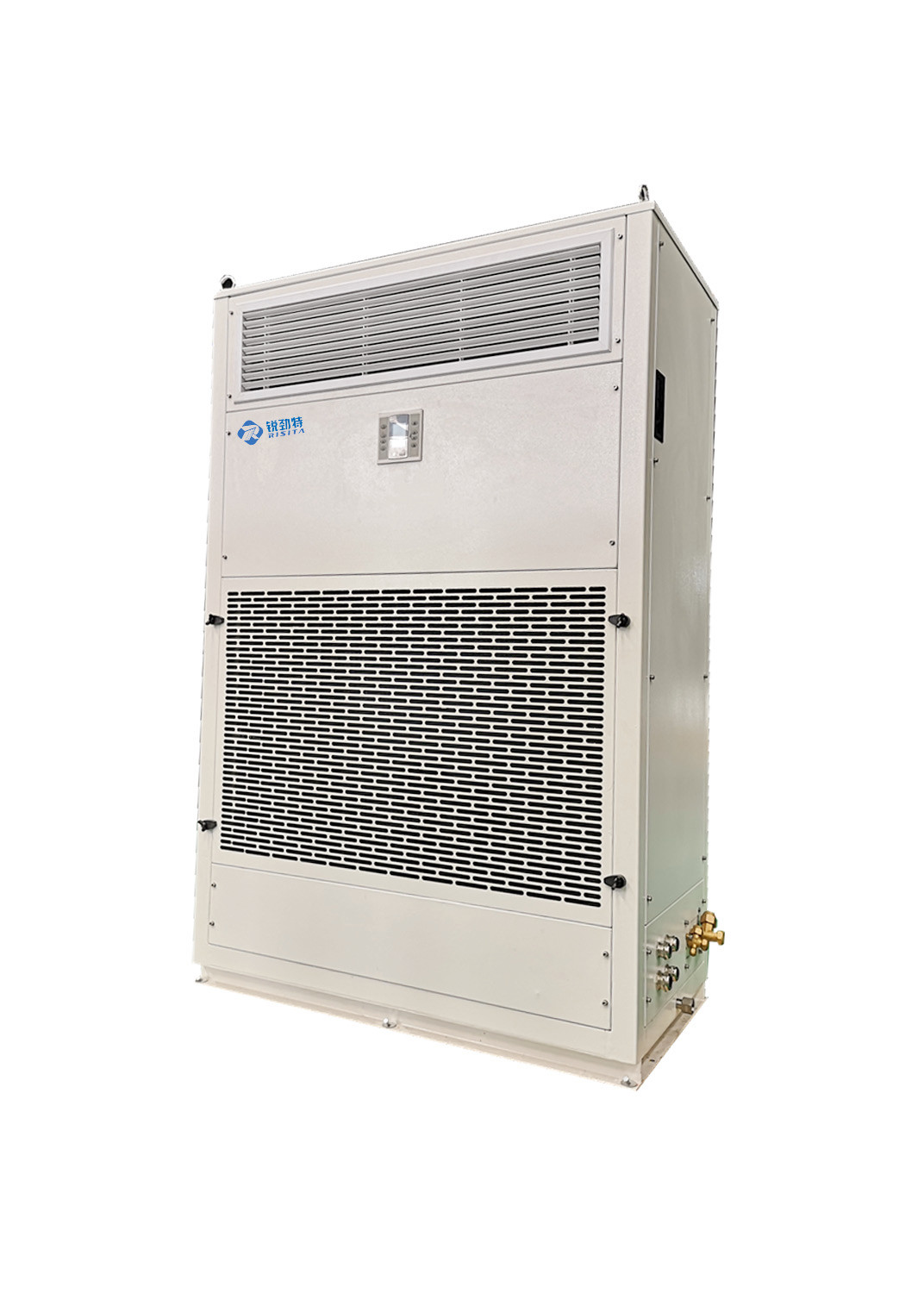

RISITA explosion-proof air conditioning
Guangdong RISITA Air Conditioning Equipment Co.,Ltd.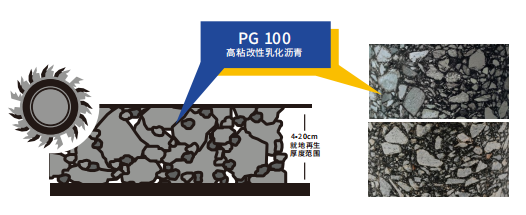
High-toughness in-Situ Cold Recycling Technology for Original Structural Layers
Central Fortune Creation Technology Group Co., Ltd.

Industrial and Commercial Point-Type Gas Detector
Jinan Benan Technology Development Co., Ltd.
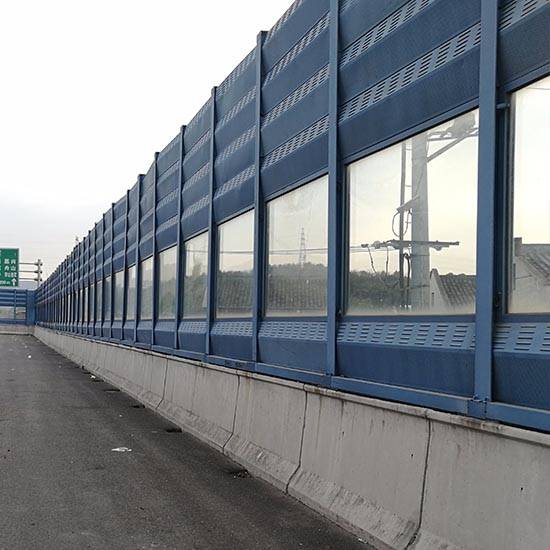
Metal sound barriers that can reduce the transmission of road noise
Hebei Jinbiao Construction Materials Tech Corp., Ltd.

Acoustic Mineral Fiber Ceiling Tile 595x595x12mm
Shanxi Pano Trading Co., Ltd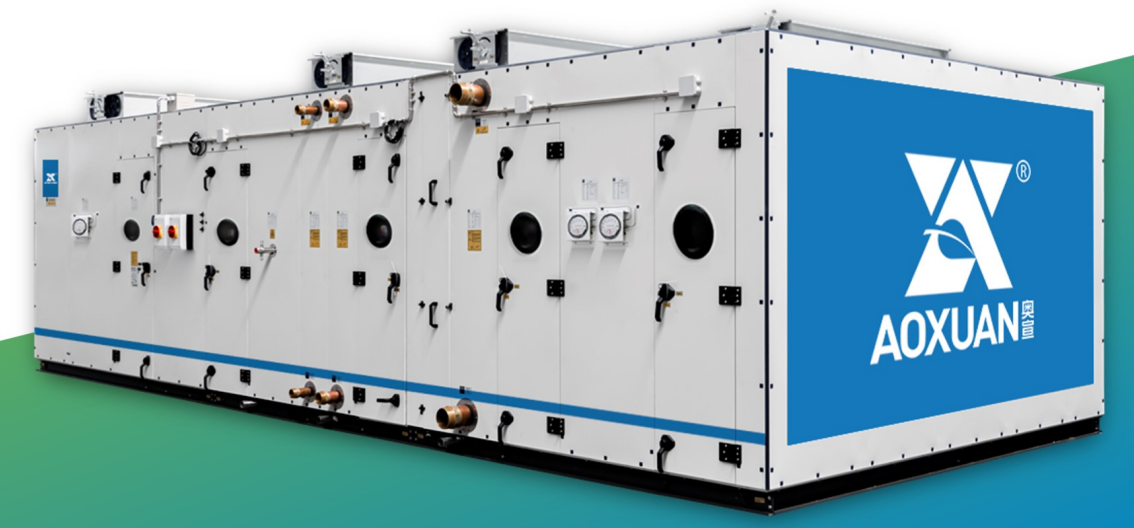
Aoxuan Intelligent Precision Air Conditioning Unit
SHANGHAI AOXUAN PURIFICATION TECHNOLOGY CO., LTD.