en.Wedoany.com Reported - Australia is refocusing on its uranium industry, holding the world's largest known recoverable uranium reserves. New project developments, policy adjustments, and advancements in In-Situ Recovery (ISR) technology are drawing attention to its potential to expand global uranium supply.
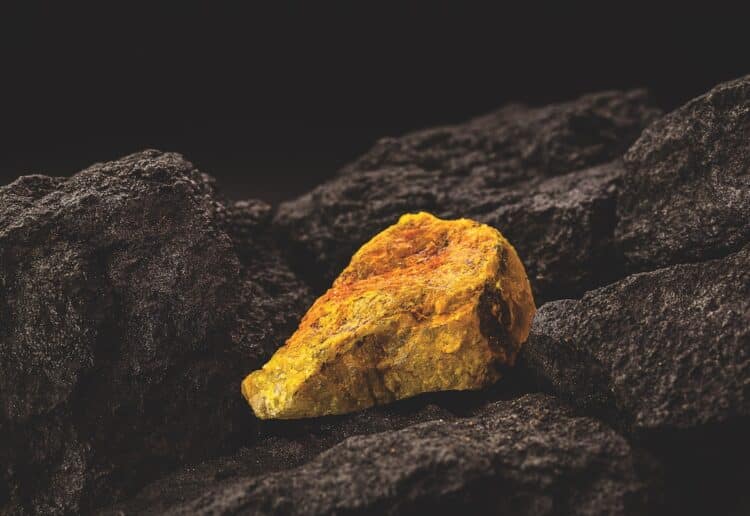
This trend is driving renewed policy debates at the state level, particularly in New South Wales (NSW). The state is opening up to uranium mining for the first time in nearly four decades, following the passage of the Uranium Mining and Nuclear Facilities (Prohibition) Repeal Bill 2025 through the state's Legislative Council in May. The bill aims to repeal the Uranium Mining and Nuclear Facilities (Prohibition) Act 1986 and Section 10A of the Mining Act 1992, legislation that previously prevented uranium mining and nuclear facility development. While the repeal bill will not automatically pave the way for immediate production, it will remove the fundamental legal barriers that have long hindered the state's participation in Australia's uranium industry.
Tania Constable, Chief Executive Officer of the Minerals Council of Australia (MCA), stated that the bill acknowledges Australia's need to leverage its uranium assets to support global zero-emission energy and local jobs through responsible mining. She noted a global shift in attitudes towards nuclear energy, with countries representing approximately 70% of global GDP seeking nuclear power and Australian uranium to meet energy security needs and help decarbonize electricity grids.
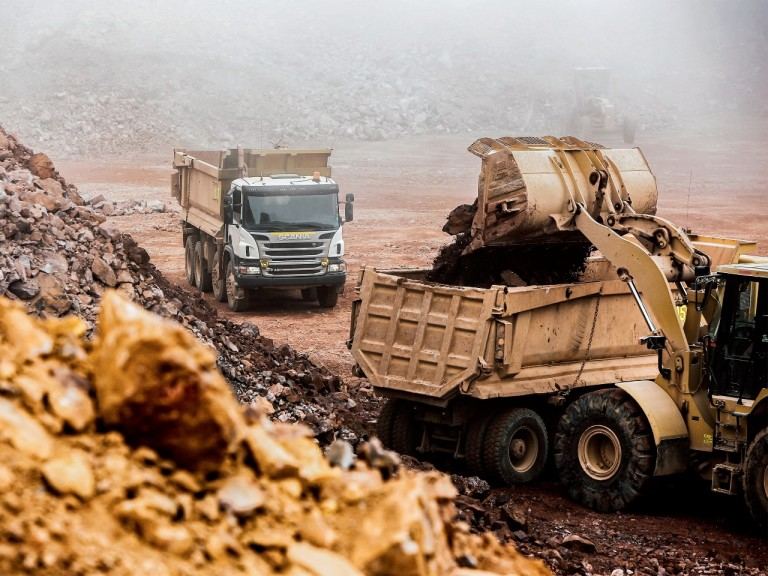
This momentum comes against a backdrop of continuously strengthening global uranium demand, as more countries turn to nuclear energy for decarbonization and long-term energy security. Faith Birol, Executive Director of the International Energy Agency (IEA), indicated during a visit to Australia that the country could become a major uranium supplier. Australia holds about one-third of the world's recoverable uranium reserves, with the majority concentrated in South Australia. That state serves as the benchmark for Australian uranium mining, benefiting from established operations and regulatory certainty. Core assets include BHP's Olympic Dam project, as well as the Beverley and Four Mile projects in the Frome Basin, which utilize the ISR method. The ISR method is gaining attention for its smaller footprint, recovering uranium by circulating solutions through the ore body and reducing surface disturbance.
Constable believes South Australia's uranium industry provides a model for how the sector can operate in Australia, encouraging legislative council members to examine its positive track record. In NSW, if the repeal bill ultimately passes the Legislative Assembly and receives Royal Assent, it could enable the state to participate more directly in the rapidly growing uranium market. While there is no federal ban on uranium mining, state policies vary. As countries in Europe, Asia, and North America re-evaluate nuclear energy as a decarbonization strategy and seek to diversify their uranium supply chains, uranium is viewed as a strategic resource.
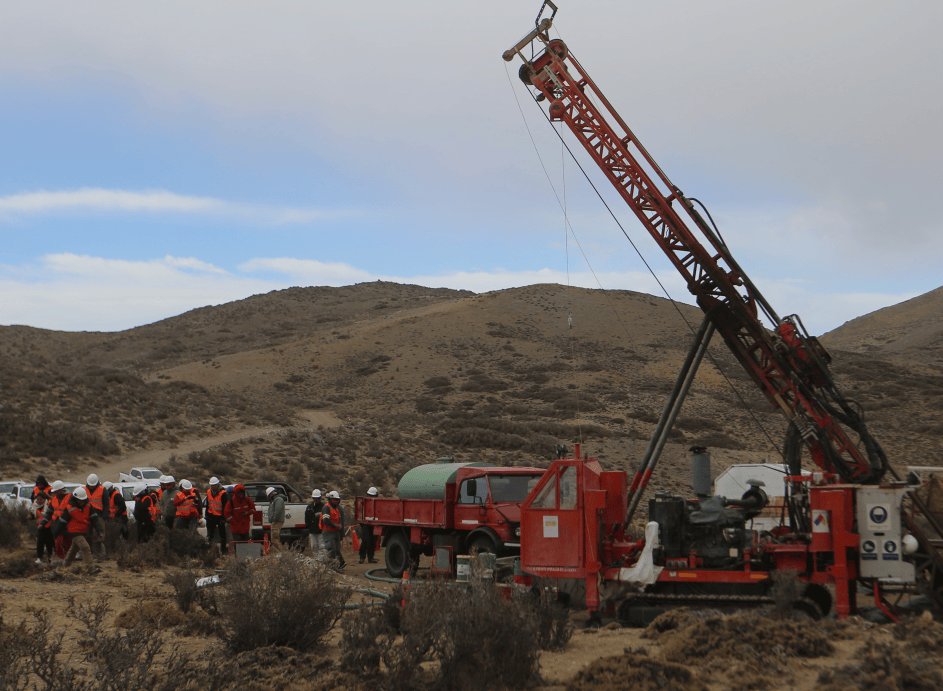
The industry is accelerating its response. Alligator Energy reported excellent field recovery test results from its Samphire uranium project in South Australia, extracting uranium from the first ISR well pattern and achieving a 70% recovery target. Flow rates exceeded typical international ISR benchmarks, with uranium grades in solution averaging 115 milligrams of uranium oxide per liter. CEO Andrea Marsland-Smith noted that these results enhance confidence in the project's ISR mining approach. Testing of a second well pattern is expected to begin soon, with next-stage results anticipated in the third quarter of 2026.
The accumulating momentum in Australia's uranium industry reflects market confidence in the commodity's long-term prospects. For NSW, the debate over the repeal bill represents not only a legislative change but also a shift in international perceptions of uranium. Once considered politically sensitive, uranium is now being repositioned as a critical mineral supporting low-carbon energy and energy reliability. Australia is well-positioned with its export relationships, mining capabilities, and reserves, while NSW may be poised to play a greater role after decades of inactivity.
This article is compiled by Wedoany. All AI citations must indicate the source as "Wedoany". If there is any infringement or other issues, please notify us promptly, and we will modify or delete it accordingly. Email: news@wedoany.com