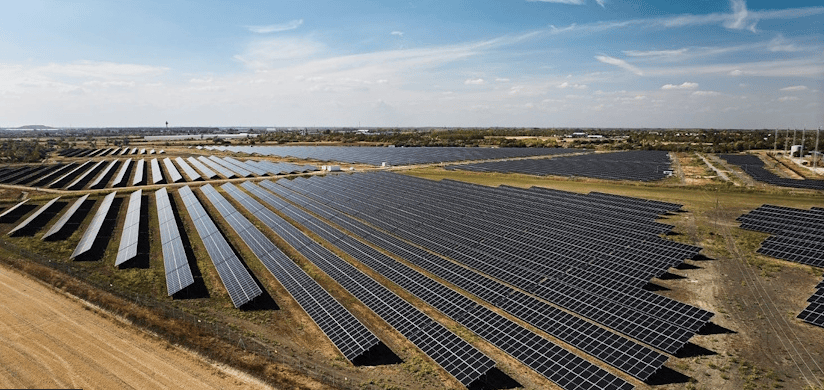
US to Add 24 GW of Electrification Load Demand by 2035
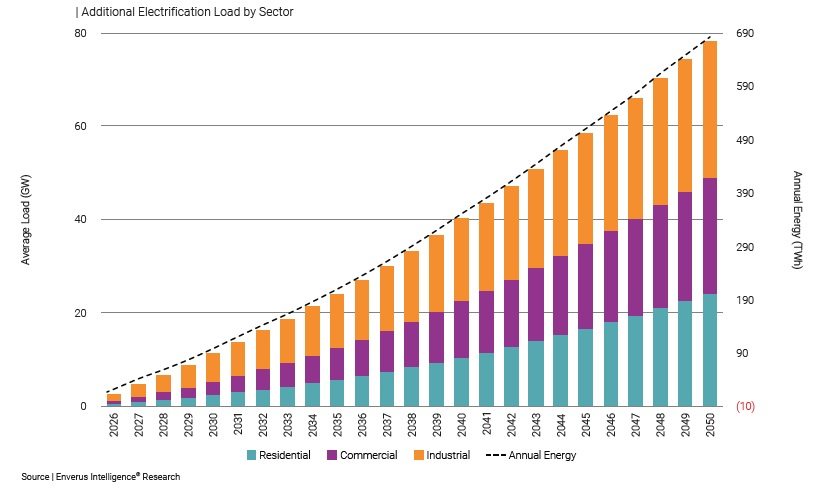
en.Wedoany.com Reported - A recent report from Enverus Intelligence Research predicts that as the U.S. industrial and residential sectors shift from fuel-based technologies to electrification, 24 GW of new load will be added by 2035, with a cumulative increase of 78 GW by 2050. This growth is highly unevenly distributed, with approximately 69% of the new load concentrated in three major grid service areas: PJM, MISO, and NYISO.
The report notes that industrial electrification is the largest driver, contributing 11.4 GW, or 47% of load growth; the commercial sector is expected to add 6.8 GW (29%), and the residential sector 5.7 GW (24%). By 2035, electrification will account for approximately 4.1% of total load in the contiguous 48 U.S. states, but with significant regional variations. Report author and senior analyst Kevin Kang stated that key drivers include new heat pump technologies and state-level policy mandates such as New York's all-electric building law. Kang predicts that load in ISO New England (ISO-NE) will grow by 27% by 2035, and in New York ISO (NYISO) by 21%.
Kang warned that widespread adoption of heat pumps could alter winter load patterns. When an extreme cold snap hits, simultaneous startup of all heat pumps could cause winter peak loads to far exceed the grid's current preparedness levels. He cited the example of Winter Storm Fern in January, which caused widespread disruptions to solar power generation in the Northeast, temporarily increasing reliance on fossil fuels (especially oil-fired generation) in a region already constrained by natural gas supply.
Kang added that electrification load growth is time-sensitive: electric vehicles require nighttime charging, data centers operate continuously, and heating demand creates winter peaks. If solar projects can be advanced concurrently, it could help manage load and electricity price fluctuations; otherwise, the grid will struggle to meet expected growth. The report also notes that some regions may see net load declines due to energy efficiency improvements (e.g., heat pump adoption actually reducing electricity usage), but overall, the load growth from electrification can still be met by increasing solar and energy storage installations.
This article is compiled by Wedoany. All AI citations must indicate the source as "Wedoany". If there is any infringement or other issues, please notify us promptly, and we will modify or delete it accordingly. Email: news@wedoany.com
Related Products


Pneumatic high-pressure wear-resistant ball valve
Zhejiang Deca Control Valve Meter Co., Ltd.
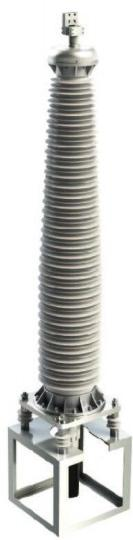
220kV Composite Outdoor Cable Terminal
Shenyang Guolian Cable Accessories Manufacture Co., Ltd.

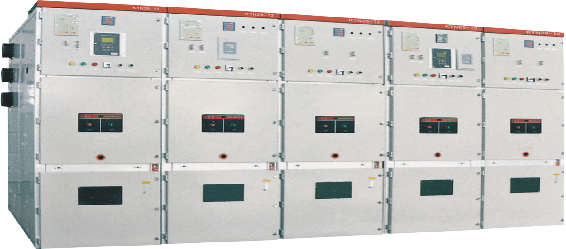
KYN28-12/24 Indoor High-Voltage Metal-Clad Removable Switchgear
Shenzhen Zhaoyang Hui Technology Co., Ltd.
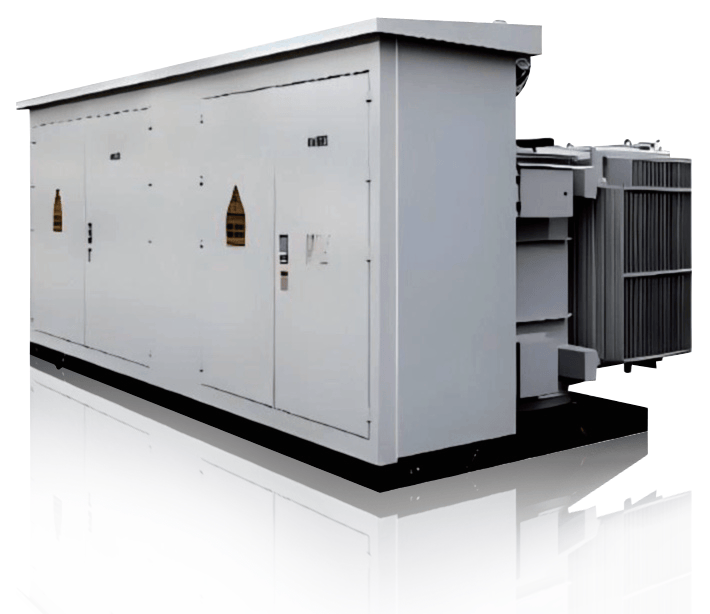
H-40.5/0.4~1.14kV New Energy Power Generation Dedicated High Voltage/Low Voltage Prefabricated Substation
XJ (Xiamen) Intelligent Power Equipment Co., Ltd.