Reactive Power Compensation Is Becoming Essential for Efficient Power Distribution
en.Wedoany.com Reported - Reactive Power Compensation is an important technical measure in power systems and industrial distribution projects. It is mainly used to improve power factor, reduce line losses, enhance voltage quality and release distribution equipment capacity. As industrial electricity loads become denser and equipment such as motors, variable-frequency drives, welding machines, air compressors, pumps, rolling mills and large production lines operate at the same time, reactive power management is becoming increasingly important.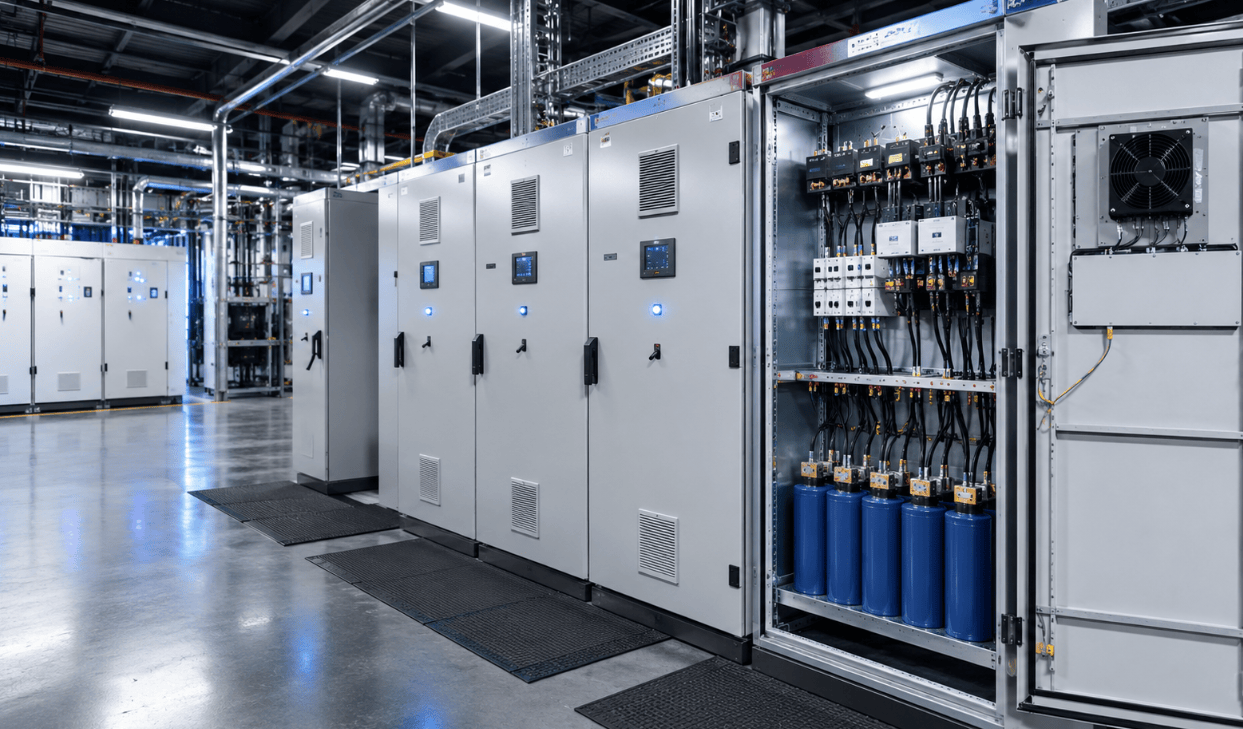
In an AC power system, inductive loads such as motors, transformers and reactors consume reactive power. Reactive power does not directly perform useful work, but it occupies transformer and line capacity, increases current and raises line losses. If the power factor remains low for a long time, enterprises may face electricity tariff penalties, while the distribution system may suffer from voltage fluctuation, equipment heating and insufficient capacity utilization.
Common compensation equipment includes low-voltage capacitor banks, high-voltage capacitor compensation devices, dynamic reactive power compensation systems, SVG, SVC, intelligent capacitors and automatic switching controllers. Traditional capacitor compensation is suitable for relatively stable loads and has lower investment cost. SVG and SVC are more suitable for fast-changing loads, complex harmonic conditions or obvious voltage fluctuation.
Industrial enterprises should not focus only on whether compensation capacity is sufficient. They must also consider switching method and system matching. If a compensation device switches improperly, overcompensation, undercompensation, inrush current and frequent operation may occur. For plants with many variable-frequency drives, rectifiers and nonlinear loads, harmonic management is also important to prevent capacitor resonance or harmonic amplification.
Reactive power compensation can also improve the utilization of distribution capacity. By reducing reactive current, transformers and cables can carry more active load, reducing unnecessary expansion pressure. For industrial parks, factories and commercial complexes, a suitable compensation scheme can help relieve distribution bottlenecks and improve power supply economics.
In the future, reactive power compensation will pay more attention to intelligence and refined control. By collecting voltage, current, power factor, reactive power, harmonic and load change data in real time, intelligent compensation systems can adjust control strategies automatically and maintain more stable power factor.
Overall, reactive power compensation is an important method for improving energy efficiency and power quality in modern distribution systems. As industrial loads become more complex, solutions with precise compensation, fast response and harmonic adaptability will play a larger role in energy saving and distribution system optimization.
This article is compiled by Wedoany. All AI citations must indicate the source as "Wedoany". If there is any infringement or other issues, please notify us promptly, and we will modify or delete it accordingly. Email: news@wedoany.com
Related Products
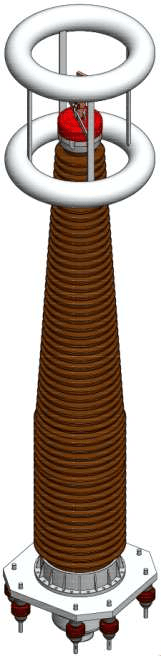

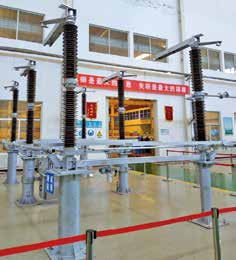
GW4-40.5/72.5/126/145/170/252/363/420 Series Double-column Horizontal Rotary High-voltage AC Disconnect Switch
SHANDONG TAIKAI DISCONNECTORS CO., LTD.

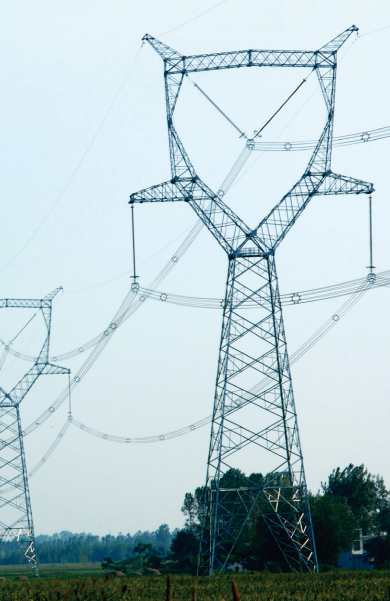
1000kV Jin Southeast-Nanyang-Jingmen UHV AC Transmission and Transformation Pilot Demonstration Project
Anhui Hongyuan Steel Tower Co., Ltd.
Hydraulic Turbine Genset
Dongfang Electric Corporation Dongfang Electric Machinery Co., Ltd.