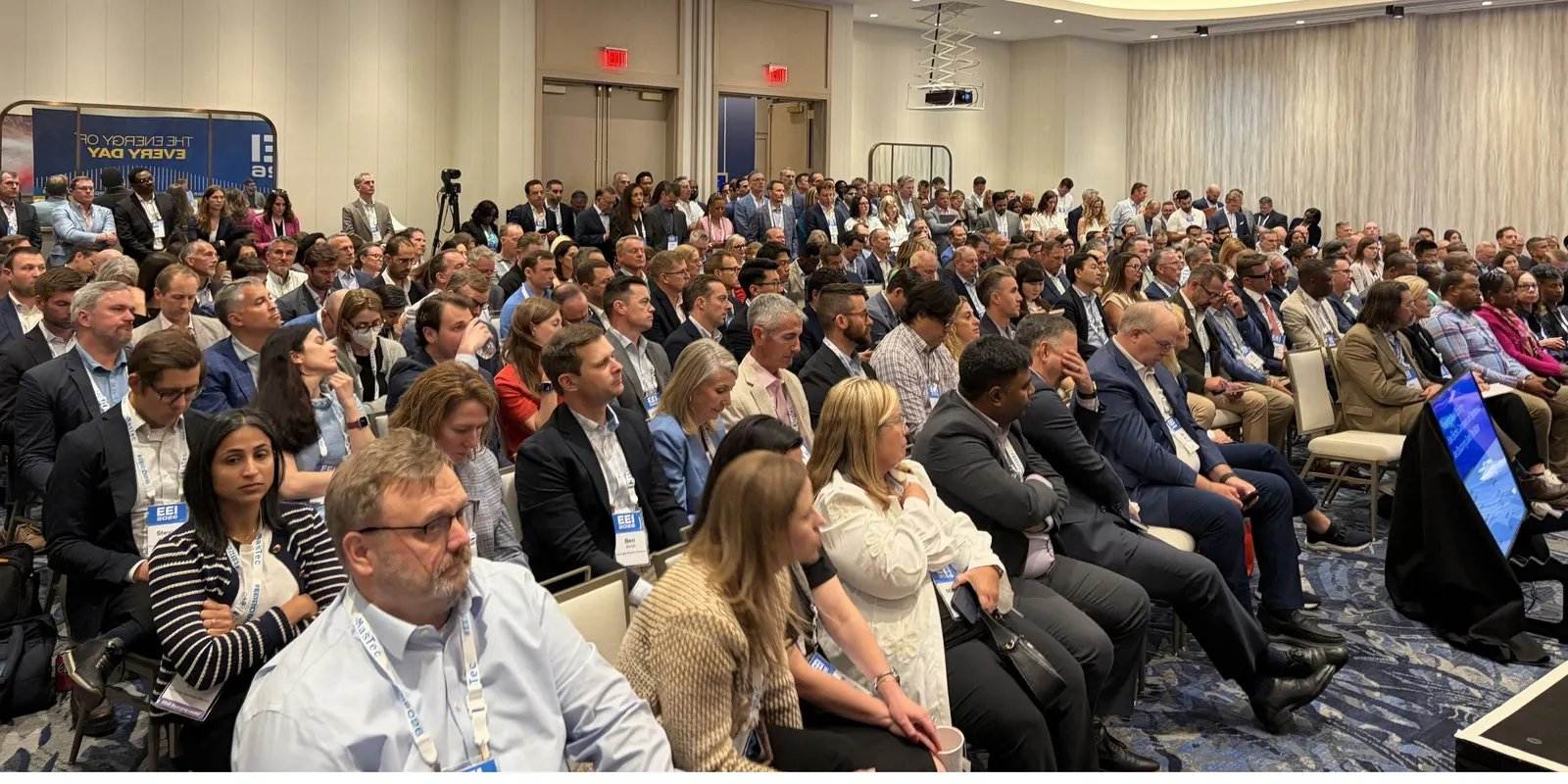
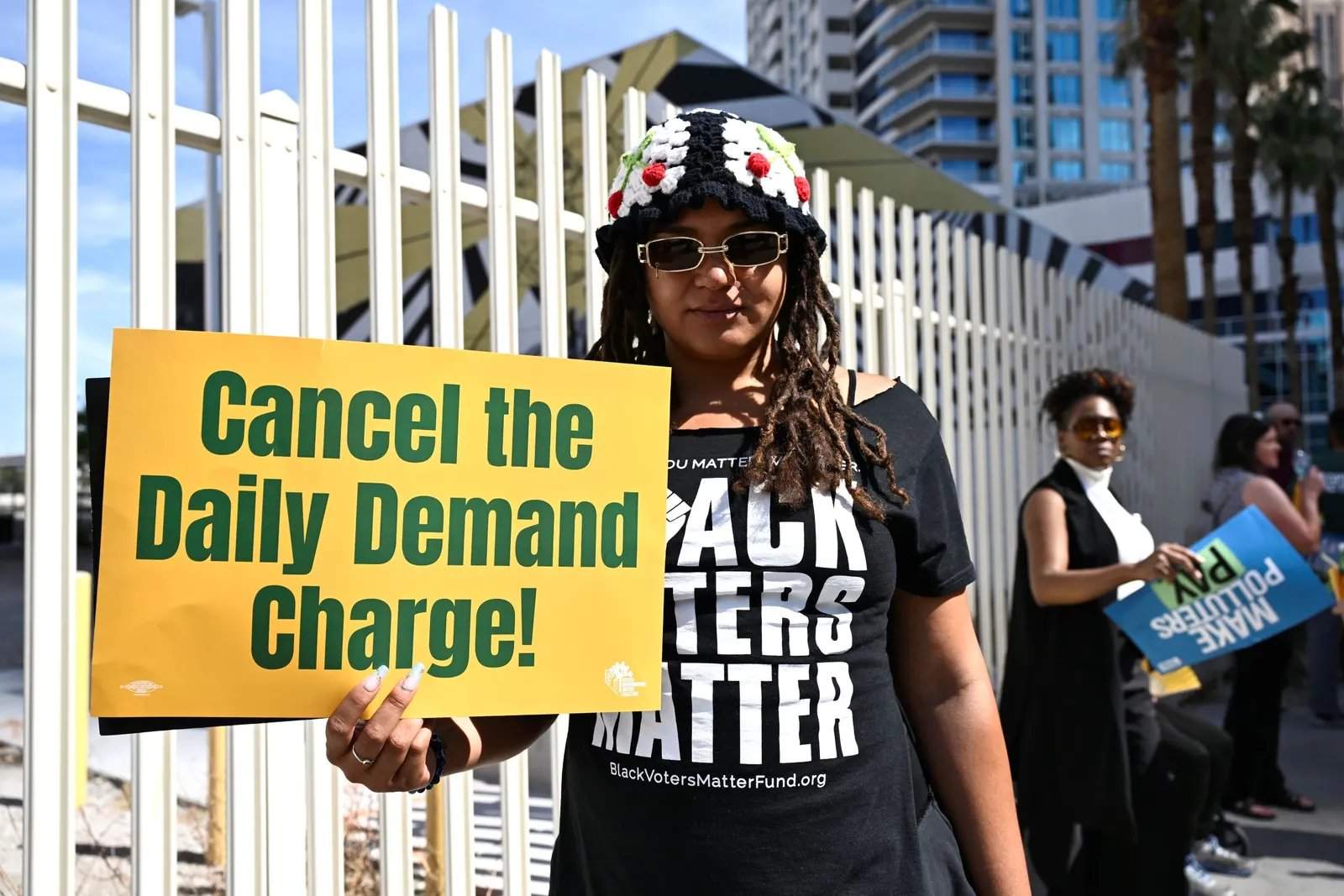
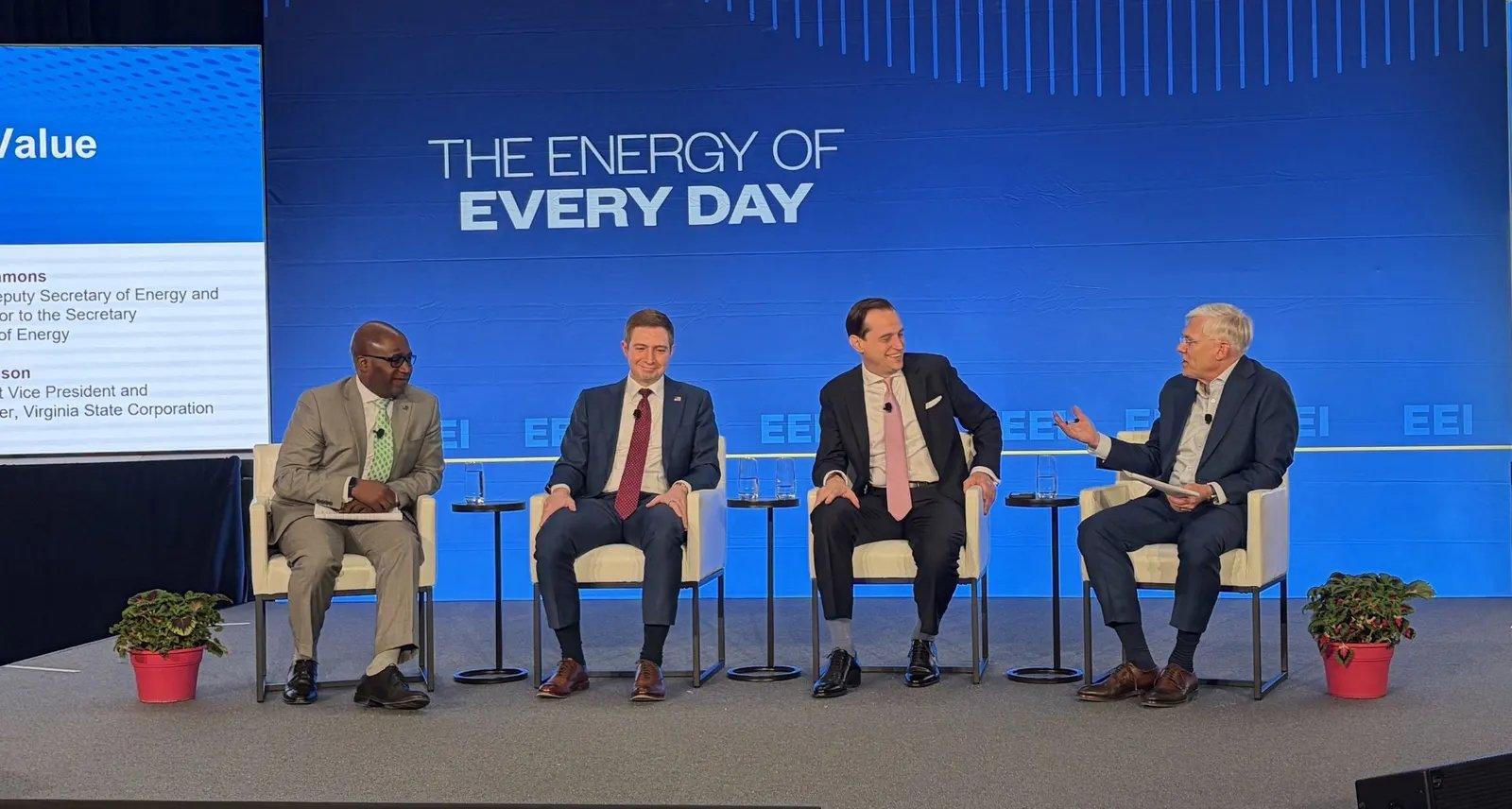
en.Wedoany.com Reported - Alex Fitzsimmons, Deputy Assistant Secretary of the U.S. Department of Energy (DOE), stated this week at the Edison Electric Institute (EEI) annual meeting in Las Vegas that the Trump administration and electric utility companies share common goals in building an affordable, reliable, and secure energy system. The top agenda item at the meeting was balancing electricity demand growth with affordability, a theme underscored by dozens of protesters flooding the venue to demand action on rising electricity prices.

In an interview, Fitzsimmons said the DOE is working with technology companies and the power industry to implement President Trump's taxpayer protection pledge, a framework aimed at driving U.S. reindustrialization, winning the artificial intelligence race against China, and lowering energy costs. He noted that the DOE is combining state and local policies with low-cost financing from the Energy Dominance Financing Office to deploy capital and build the necessary infrastructure.

Regarding wholesale electricity market reform, Fitzsimmons stated that the President's taxpayer protection pledge will vary based on market structure and local conditions, emphasizing the importance of ensuring all counterparties implement policy principles. He cited successful cases under different market structures, including Georgia Power, Alabama Power, Indiana Michigan Power, NiSource, NV Energy, and Microsoft, arguing that these measures are putting downward pressure on electricity prices.
On utility profit models, Fitzsimmons stressed that all rate-setting must prioritize affordability, reliability, and security as primary goals. He noted that the DOE has provided a $26 billion loan portfolio to Georgia Power and Alabama Power to build infrastructure needed to meet future load growth at lower capital costs, with savings passed directly back to consumers.
In response to the DOE extending Section 202(c) orders to maintain coal, oil, and natural gas power generation facilities, Fitzsimmons said the DOE evaluates cases on a case-by-case basis using information from the North American Electric Reliability Corporation (NERC). Due to the continued deterioration of national resource adequacy, the premature retirement of reliable dispatchable generation facilities, and a large backlog of gas turbine orders, it is essential to ensure that equivalent or greater dispatchable generation capacity can be obtained within five years as a replacement.
Regarding the role of energy efficiency in the current strategy, Fitzsimmons believes energy efficiency is an important tool for balancing supply and demand, but reasonable policies must be established. He stated that the administration is recalibrating energy efficiency programs, aiming not to drive consumer-desired products out of the market through regulation, but to ensure consumers have the right to choose cost-effective products.
On energy affordability, Fitzsimmons stated that President Trump declared a national energy emergency on his first day in office because the previous administration's energy reduction policies caused electricity prices to surge by an average of about 30% over the past four years. The DOE is reversing this trend through measures such as stabilizing, optimizing, and expanding the energy system, and preventing the premature retirement of dispatchable generation. He also introduced the DOE's investments in geothermal energy, including a $175 million funding opportunity for advanced geothermal drilling projects, the largest single grant the DOE has made in this field to date.
When discussing wind and solar energy development, Fitzsimmons cited research from Lawrence Berkeley National Laboratory, noting that wind and solar deployed under Renewable Portfolio Standard (RPS) mandates did increase system costs, while wind and solar deployed outside of RPS did not significantly raise wholesale electricity prices. He also pointed out that wind production tax credits once led to negative wholesale electricity prices in certain markets, undermining the economics of nuclear power. He emphasized that the energy system is built to meet peak demand, and non-dispatchable generation facilities have limited contribution to peak demand, unable to replace the need for reliable dispatchable generation such as nuclear, natural gas, coal, hydropower, geothermal, or energy storage.
This article is compiled by Wedoany. All AI citations must indicate the source as "Wedoany". If there is any infringement or other issues, please notify us promptly, and we will modify or delete it accordingly. Email: news@wedoany.com