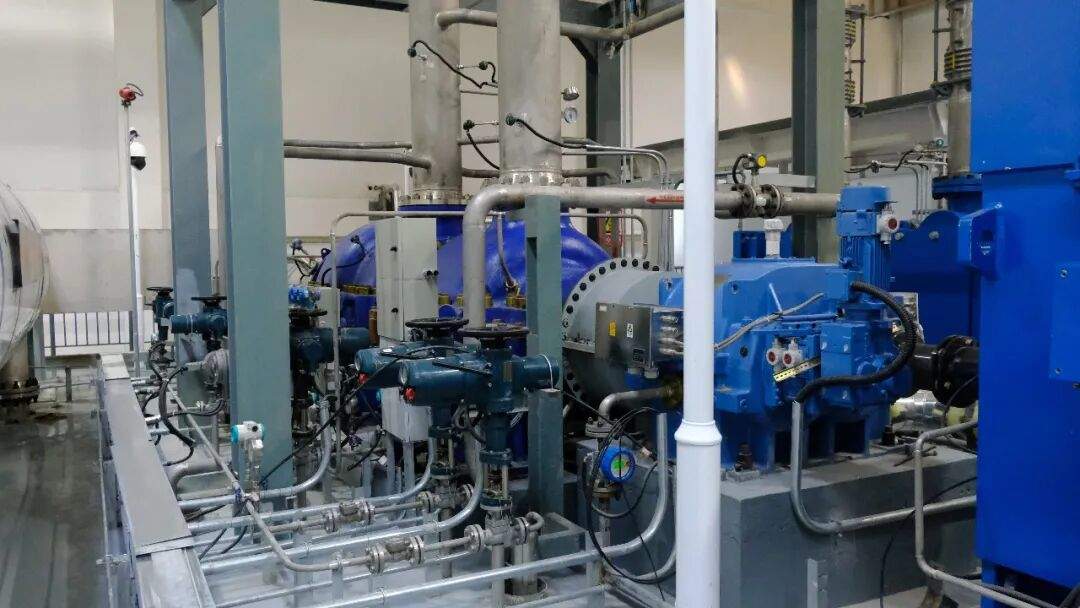
en.Wedoany.com Reported - ROSEN's hydrogen testing laboratory, operated in collaboration with the University of Wollongong (UOW) in Australia, aims to fill critical gaps in hydrogen pipeline material performance data, providing evidence-based integrity management solutions for pipeline infrastructure during the energy transition.
As the global energy industry transitions to low-carbon fuels such as hydrogen, existing pipeline infrastructure needs to be assessed for its suitability for hydrogen transport. The interaction of hydrogen with pipeline materials, welds, and defects is fundamentally different from that of natural gas, presenting new technical challenges for pipeline operators. Through research covering material performance, inspection technologies, and integrity management, ROSEN has positioned itself at the forefront of this field. Its Australian hydrogen testing laboratory is a core pillar of this capability, complemented by hydrogen testing capabilities at its Lingen base in Germany and global expertise in hydrogen and future fuels pipelines, including CO₂ transport.
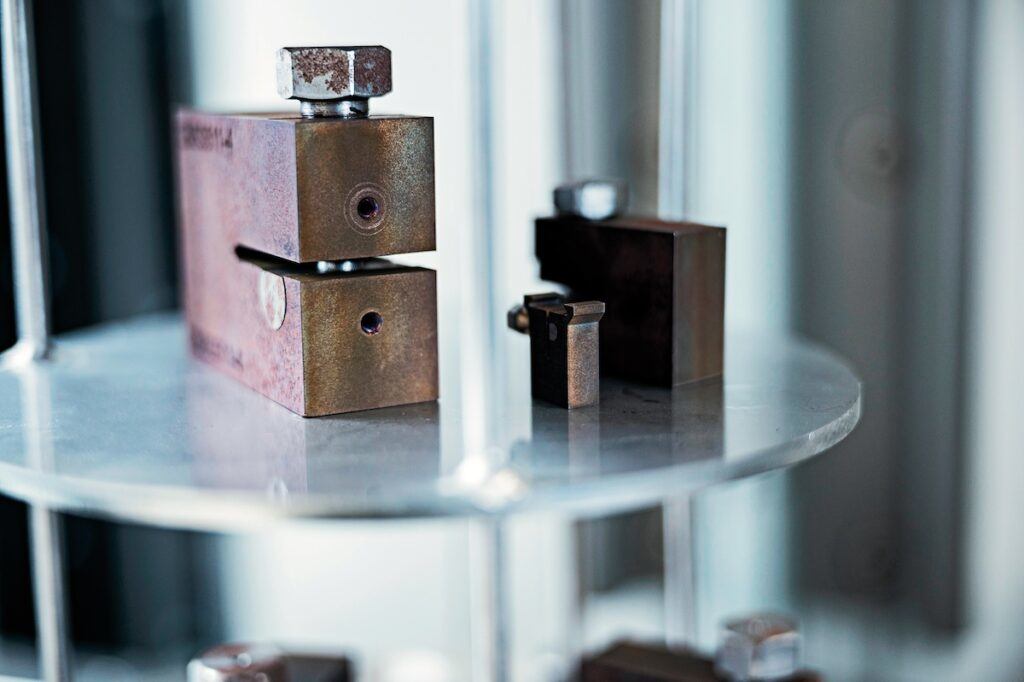
Located at the University of Wollongong, the laboratory aims to address the industry's most pressing gap: the lack of representative, high-quality material performance data generated directly under gaseous hydrogen conditions. There is uncertainty regarding the performance of existing pipeline steels and welds when exposed to hydrogen under service-relevant pressure and loading conditions. The laboratory enables mechanical testing of pipeline steels in high-pressure hydrogen, focusing on fracture toughness, tensile behavior, and fatigue crack growth. Testing in gaseous hydrogen allows direct observation of hydrogen's effects on crack initiation, propagation, and material ductility, providing insights that cannot be reliably inferred from air testing or established engineering standards.
The testing system operates at pressures representative of pipeline service, supported by controlled gas purity, defined purge procedures, and continuous monitoring. ROSEN assigns dedicated personnel to the laboratory to ensure continuity between experimental testing, data interpretation, and real-world pipeline integrity challenges. The laboratory supports research projects through the Future Fuels CRC and Gas Infrastructure Research Australia (GIRA), while also conducting targeted testing for Australia's largest pipeline operators, directly supporting hydrogen conversion studies, screening assessments, and long-term asset management planning.
One of the key challenges facing global hydrogen pipeline development is the lack of unified testing methods and standards. Through its work at the University of Wollongong and participation in international research programs, ROSEN is committed to developing testing methods aligned with pipeline design and operational standards, collaborating with international industry research bodies such as PRCI and EPRG on hydrogen material compatibility, fracture, and fatigue assessment. The work also addresses practical considerations such as test duration, the impact of gas impurities, and sensor performance in hydrogen environments.
In terms of inspection technology, ROSEN applies techniques such as electromagnetic acoustic transducer (EMAT) and magnetic flux leakage (MFL) inspection to hydrogen and hydrogen-blend pipelines, with particular emphasis on detecting axial crack-like defects. Its approach emphasizes that effective hydrogen pipeline integrity relies on a combination of in-line inspection data, validated material performance data, and integrity management methods tailored for hydrogen.
Beyond hydrogen, ROSEN's future fuels strategy also encompasses CO₂ transport for carbon capture, utilization, and storage (CCUS). Pipeline integrity challenges include fracture control, material toughness requirements, and sensitivity to impurities in dense-phase CO₂ service. Its experience in corrosion assessment, crack detection, and material performance characterization is directly applicable to the integrity assessment of CO₂ pipeline systems.
This article is compiled by Wedoany. All AI citations must indicate the source as "Wedoany". If there is any infringement or other issues, please notify us promptly, and we will modify or delete it accordingly. Email: news@wedoany.com