Veracruz, Mexico to Receive Over $1.7 Billion in Road and Water Investments for 2025-2030
en.Wedoany.com Reported - Veracruz will receive a joint investment of over 30.4 billion pesos (approximately $1.7 billion) to advance road and water infrastructure projects, aimed at improving connectivity and water supply security in the state. The investments cover new highways, bridges, road interchanges, pavement rehabilitation projects, as well as aqueducts, wastewater treatment plants, and flood control facilities.
At a press conference in Coatzacoalcos, Jesús Esteva, head of Mexico's Ministry of Infrastructure, Communications and Transportation (SICT), stated that the agency plans to invest 18.138 billion pesos (approximately $1 billion) between 2025 and 2030 to improve the state's highways, bridges, and road networks. Of this, spending in 2026 alone will reach 9.2055 billion pesos, expected to directly create 27,616 jobs, with the entire plan projected to generate a total of 54,414 employment opportunities.
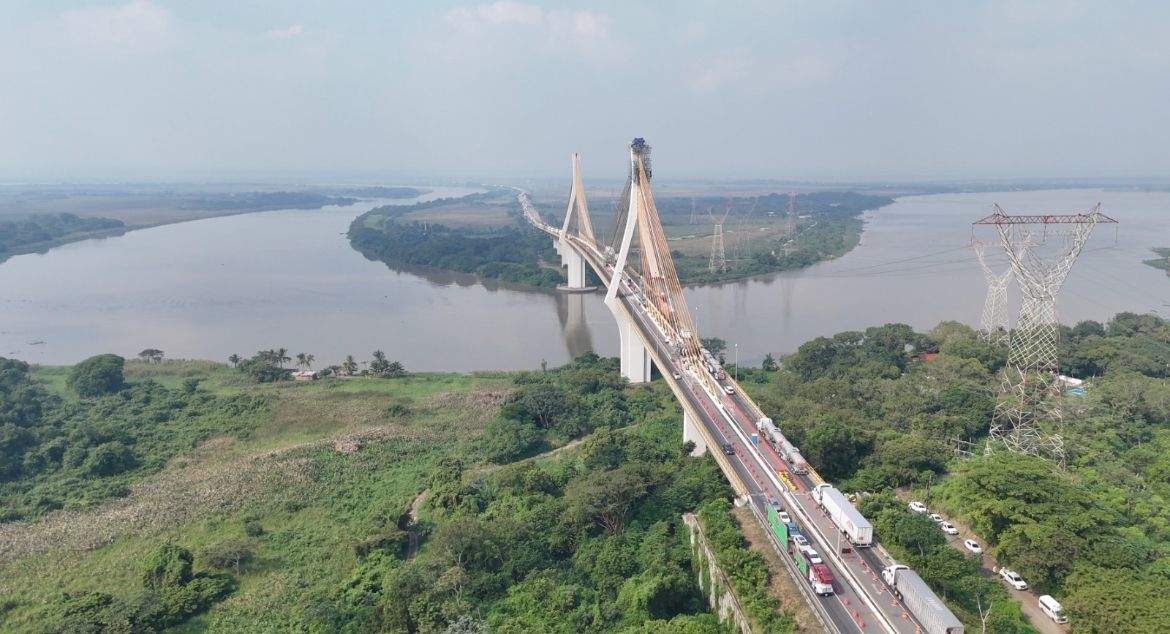
One of the key projects is the Coatzacoalcos III Bridge. This cable-stayed bridge, 6 kilometers long with a total investment of 5.8 billion pesos, has a main span clearance of 40 meters to accommodate deep-draft vessels. Construction will begin in July of this year and is expected to take approximately three years. Esteva stated, "This will be the longest and highest bridge over water built by our administration." The bridge is part of the Trans-Isthmus Circuit highway corridor and, once completed, will benefit over 500,000 residents and reduce travel time by up to 50 minutes. The project has an initial investment of 621 million pesos allocated for 2026, covering studies, land acquisition, and preparatory work.
The Access Road Interchange to the Port of Veracruz is currently 72% complete. This 2-kilometer project, with an investment of 820 million pesos, is planned to benefit approximately 780,000 residents in Veracruz, Medellín de Bravo, Jamapa, and Boca del Río. Esteva indicated that the project is expected to be completed by the end of July, five months ahead of the contractual schedule, and will effectively reduce travel time at the intersection of Highway 140 and the port entrance.
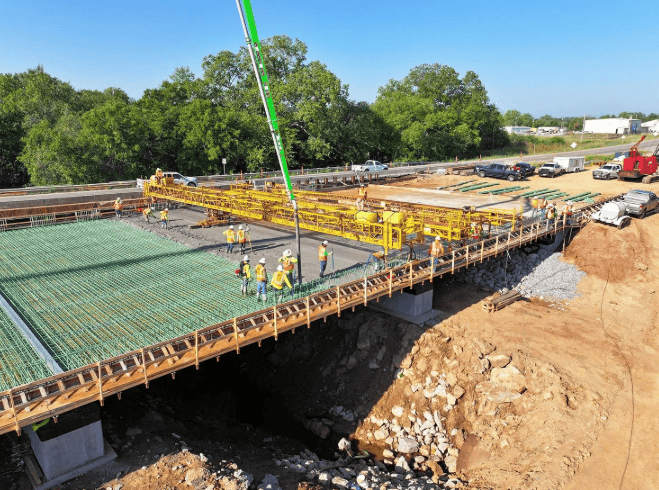
For road rehabilitation, SICT will allocate 4.314 billion pesos for 50 projects covering 402 kilometers of the federal free road network and 35 projects covering 285 kilometers of the state network, primarily repairing infrastructure damaged by rainfall. The plan also involves the renovation (including new construction, expansion, and repair) of 18 bridges. The modernization of the Cardel-Poza Rica highway continues, with the Laguna Verde-La Mancha stretch receiving an investment of 2.252 billion pesos to build 20 kilometers of road, five bridges, a toll booth, and four interchanges. This section is 33% complete, benefiting 128,000 residents, with travel time expected to be reduced by approximately 45 minutes.
In terms of road maintenance, SICT will invest 2.714 billion pesos in the MegaBachetón program between 2025 and 2026 for maintaining the federal free road network. This year, plans include completing 615 kilometers of paving, repairing potholes over 2,592 kilometers, and installing signage along 1,695 kilometers. Esteva mentioned that the President has requested priority for the Highway 137 project from Tuxpan to Pánuco, and asphalt plants have begun installation on the relevant sections.
Additionally, SICT will invest 1.1 billion pesos to repair the Antonio Dovalí Jaime bridge, replacing 68 prestressed steel cables. Additional interventions on the Río Papaloapan and Alvarado bridges are planned for 2027. The Paso del Toro Road Interchange project, with a total investment of 354.5 million pesos, plans to construct three auxiliary ramps and two remote toll booths, benefiting approximately 847,000 residents. Construction will begin in 2027, with engineering design and land acquisition proceeding this year.
Jorge Mendoza, General Director of the National Bank (Banobras), announced that the expansion of the Tihuatlán-Tuxpan section will begin in July. This section is part of the corridor connecting Mexico City to the Port of Tuxpan, with an investment of 2.088 billion pesos to widen 18.9 kilometers of road from two to four lanes, and construct six bridges, two interchanges, two toll booths, and 35 additional structures. The plan is expected to create approximately 1,600 direct and indirect jobs. Mendoza stated that this will alleviate highway congestion, improve road safety, reduce travel time, and enhance commercial connectivity from the central region to Veracruz and the country's southeast. Banobras is also advancing the repair of the Córdoba-Veracruz highway, with an investment of 601 million pesos and an execution period until April 2027, primarily to improve a 10-kilometer section currently at the lowest service level "F".
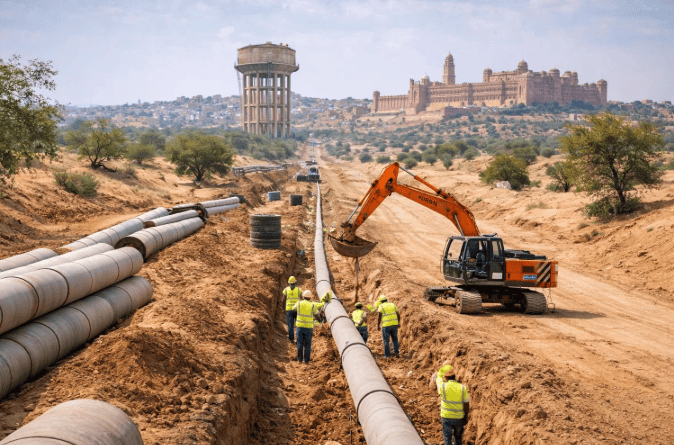
In water infrastructure, Efraín Morales, Director of the National Water Commission (Conagua), stated that projects under the Veracruz Water Plan total 12.28 billion pesos (approximately $700 million). The main project is the Coatzacoalcos Aqueduct, one of 17 strategic projects promoted by the federal government, with a planned investment of 3.424 billion pesos and 32% completion. The 13-kilometer aqueduct will increase water supply by 1,200 liters per second, doubling the available water for 475,000 people in Coatzacoalcos and 25 nearby areas. The agency has also launched a 4.988 billion peso water infrastructure reconstruction plan, including drinking water and drainage projects in 40 municipalities, 20 protection projects, and the construction of a new treatment plant in Poza Rica. The Poza Rica treatment plant is a joint development by the federal and state governments, with an investment of approximately 5 billion pesos. Conagua will also allocate 80 million pesos in 2026 to repair the Uxpanapa-La Cangrejera aqueduct, a strategic infrastructure supplying water to the industrial and petrochemical zone in the southern part of the state. Additionally, in the Paso Largo area of the municipalities of Martínez de la Torre and Misantla, flood control projects have completed over 60 kilometers of dredging and built 10 kilometers of levees, with an investment of 707 million pesos. Morales stated that these projects aim to strengthen water supply capacity, improve infrastructure for weather events, and expand the coverage of drainage and sanitation services across the state.
This article is compiled by Wedoany. All AI citations must indicate the source as "Wedoany". If there is any infringement or other issues, please notify us promptly, and we will modify or delete it accordingly. Email: news@wedoany.com
Related Products


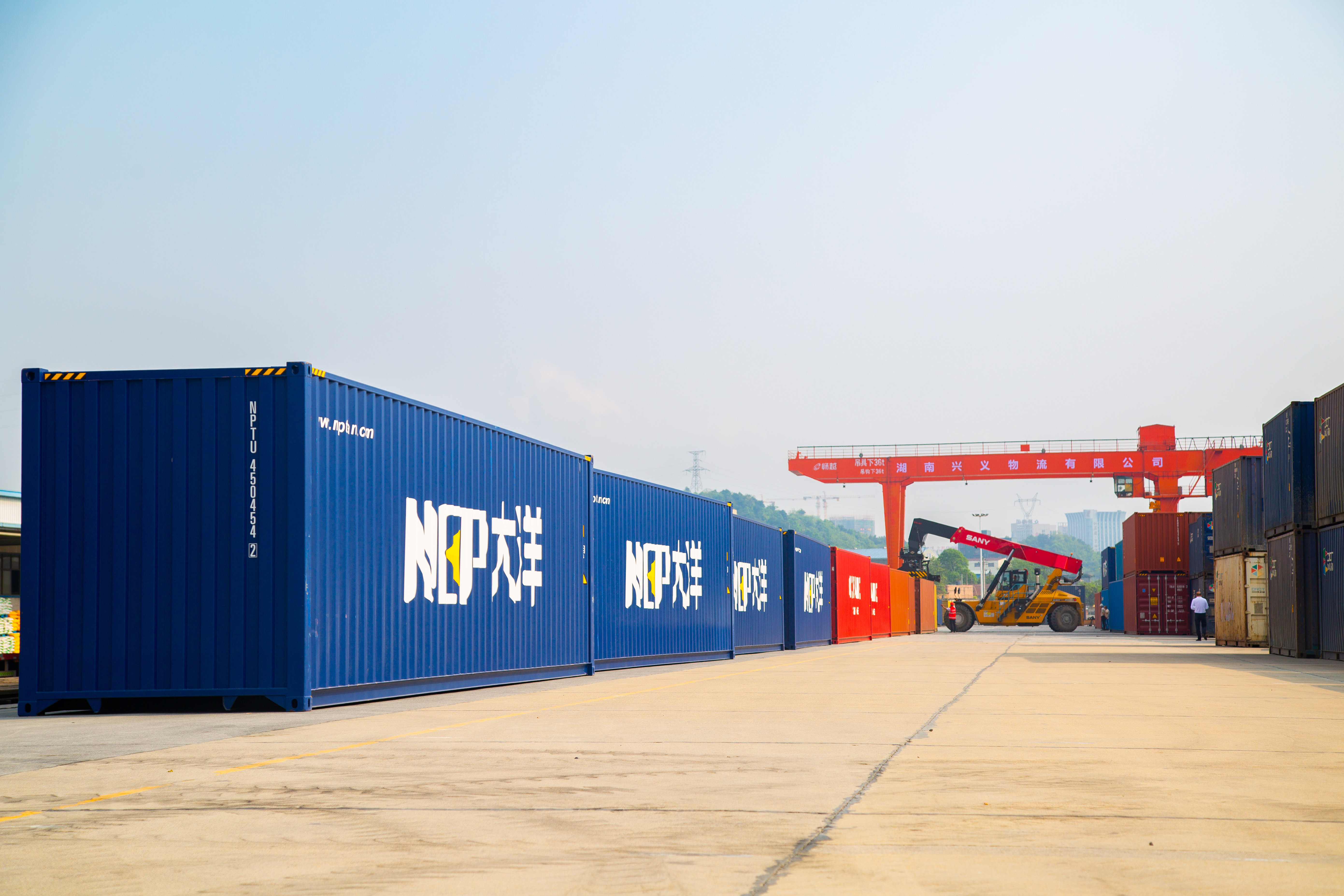
China - Alashankou/Khorgos - Europe Full Range Transportation (Mala/Hamburg/Duisburg/Budapest, etc.)
Shenzhen Neptune Logistics Co., Ltd.
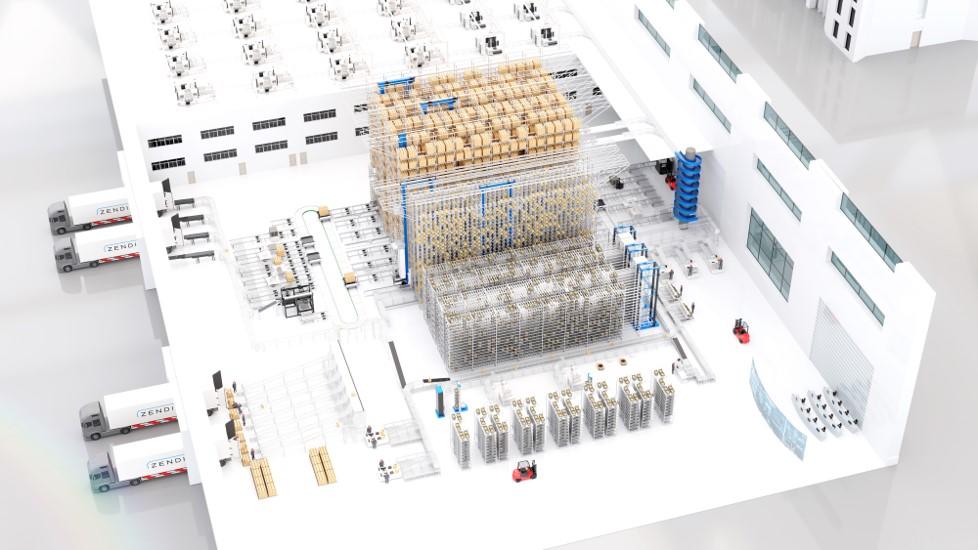
One-Stop Steward Service for the Entire Logistics System Integration Chain
Zhongding Intelligent (Wuxi) Technology Co., Ltd.
GSR6-27.5kV SF6 Free Gas-insulated Metal-enclosed Switchgear
Zhejiang Juhonkia Intelligent Electric Co., Ltd.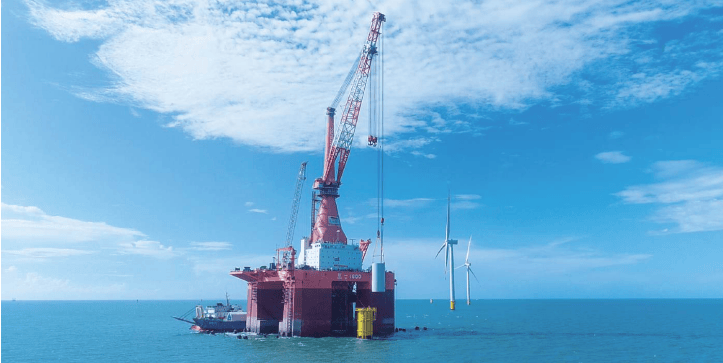
"Shunyi 1600" Deep-submerging Bottom-sitting Multi-functional Wind Power Engineering Vessel
Zhengli Offshore Engineering Co., Ltd.