Germany and France Sign Two Two-Year BESS Agreements in June
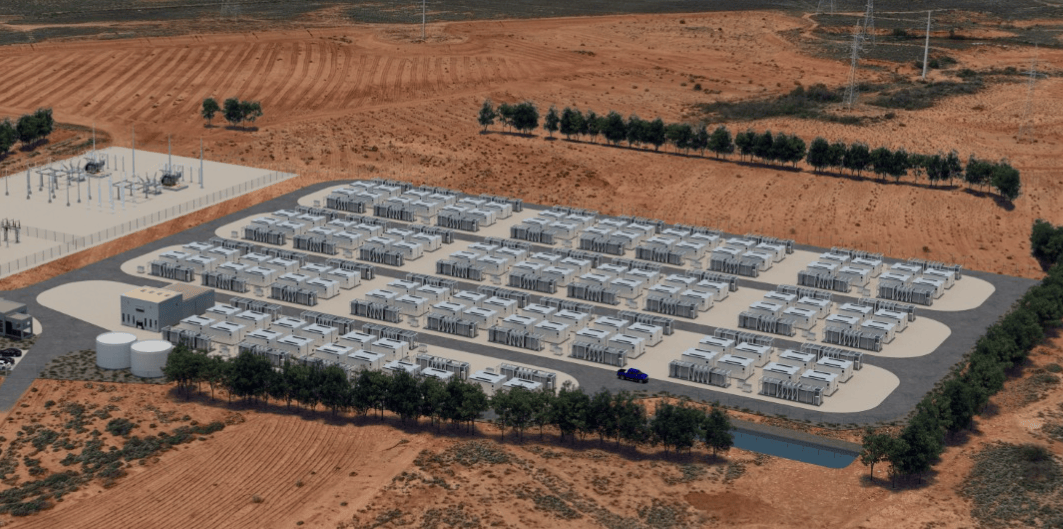
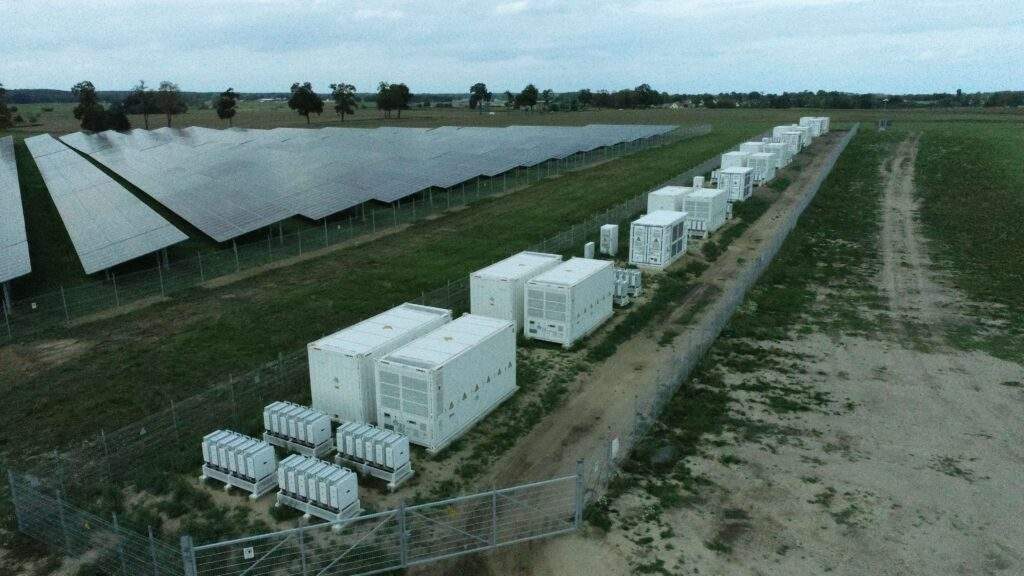
en.Wedoany.com Reported - Swiss consulting firm Pexapark disclosed in its monthly report that two new two-year BESS agreements emerged in the European energy storage power purchase agreement market in June. In Germany, Eco Stor signed a standalone energy storage system agreement with Shell and Next Kraftwerke; in France, Elements reached a contract with Eclipse for a hybrid solar and BESS project.
The report shows that the PPA market has also become active again. UK-based Global Switch signed a ten-year solar power purchase agreement with an undisclosed counterparty; Norwegian industrial company Elkem reached a seven-year agreement with Statkraft; US-based Southern California Edison signed a fifteen-year hybrid solar and storage contract with a consortium formed by EDF Renewables North America and Masdar; the Southern California Public Power Authority signed a thirty-year solar agreement with EDF Renewables North America; and Germany's Kronos Titan signed a twenty-five-year solar PPA with RWE.
In terms of regulatory trends, Pexapark believes that European countries are increasingly focusing on flexibility. Germany is discussing a grid fee reform plan called AgNes, which proposes introducing capacity charges for generation, storage, and electrolyzers from 2029, while exempting BESS projects that were previously developed or constructed.
In Poland, increased volatility in the balancing and reserve markets is enhancing the potential profitability of energy storage systems as flexible capacity providers. In Italy, uncertainty caused by recent regulatory interventions is leading to price adjustments and renegotiations in the PPA market.
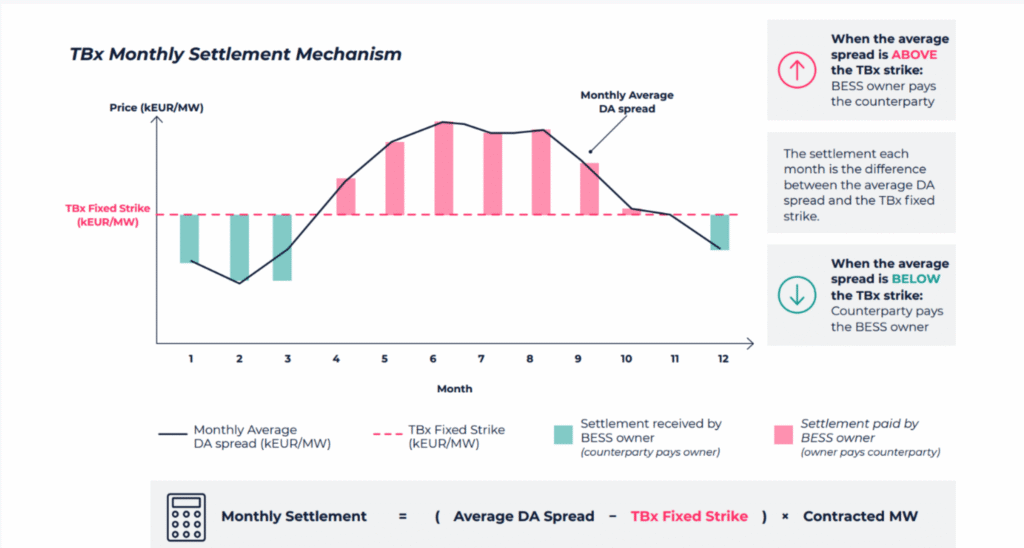
Pexapark notes that the maturation of the European energy storage market is driving the development of new contract structures to improve the bankability of BESS projects. Among these, a financial contract structure called Top-to-Bottom (TBx) has attracted attention. This instrument aims to partially hedge against electricity market volatility risks without transferring operational control of the asset.
Unlike conventional renewable energy power plants, batteries generate revenue from multiple sources such as energy arbitrage, frequency regulation services, reserve, and intraday markets, making their future revenue trends difficult to predict. Full exposure to the spot market can maximize revenue potential but increases financing difficulty. While tolling contracts provide higher stability through guaranteed revenue, they require transferring operational management rights to the counterparty, thereby limiting the project's upside potential.
TBx contracts attempt to strike a balance between the two, addressing revenue uncertainty through a financial structure. The mechanism is a financial swap based on day-ahead market price spreads: the battery owner receives a fixed payment and then settles a variable spread based on observed market volatility. Typically, the reference price is the difference between the highest and lowest daily electricity prices, for example, calculated based on the TB2 index (the average of the two most expensive and two cheapest hours in the day-ahead market).
The main risk associated with this contract is basis risk. Since settlement is based on a theoretical market index rather than the asset's actual revenue, significant deviations may occur between the contract's cash flow and the battery's actual performance. Unavailability, degradation, energy losses, or operational constraints may prevent the asset from capturing the price spreads reflected in the reference index.
From a financial perspective, TBx provides partial revenue hedging, helping to improve project bankability. However, financial institutions and investors are still analyzing the correlation between day-ahead market spreads and total battery revenue before considering these products as fully bankable instruments. The establishment of more transparent benchmark indices and increased contract standardization will be key factors determining the adoption of this product in the European energy storage market in the coming years.
This article is compiled by Wedoany. All AI citations must indicate the source as "Wedoany". If there is any infringement or other issues, please notify us promptly, and we will modify or delete it accordingly. Email: news@wedoany.com
Related Products

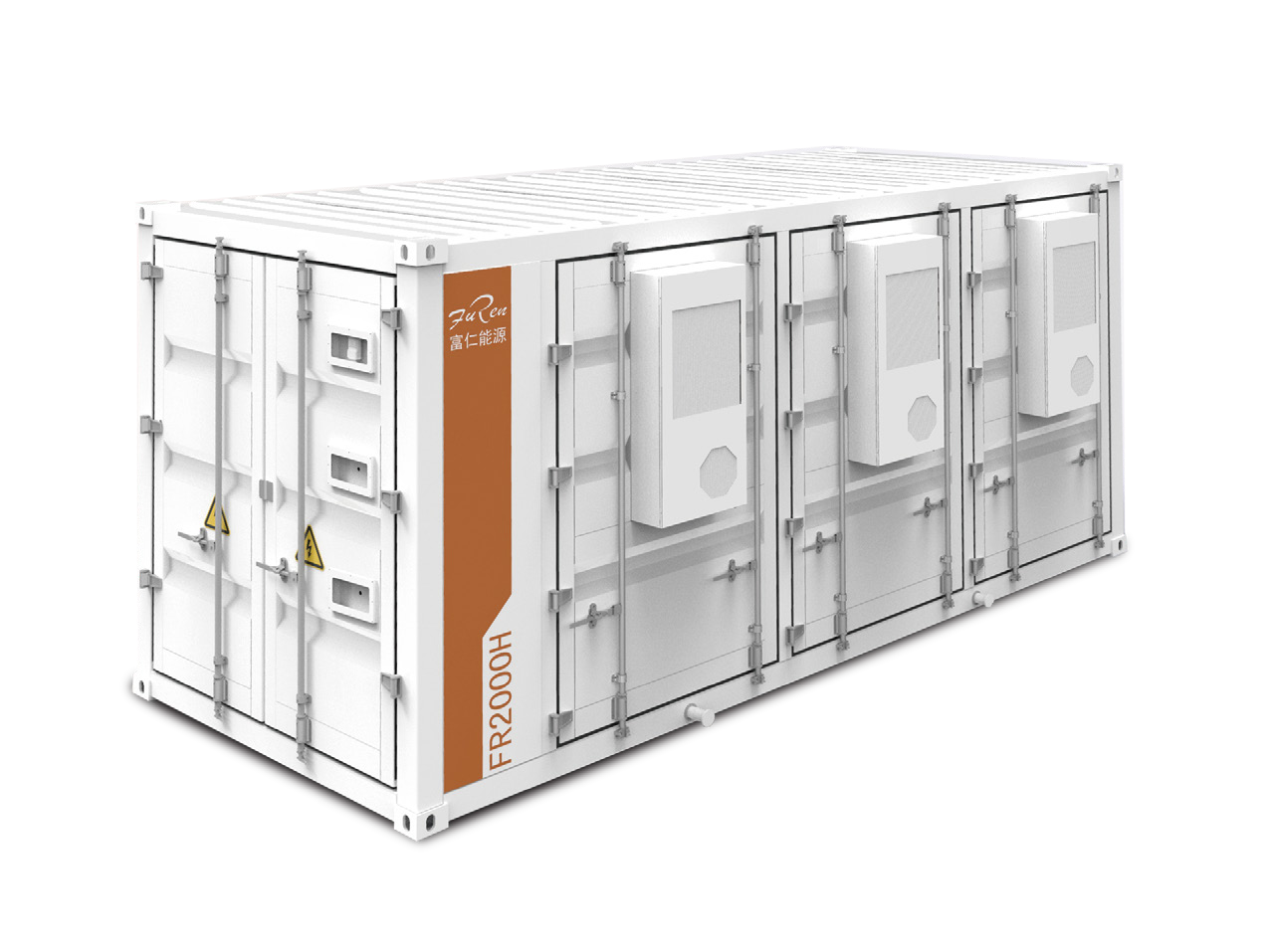
FR2000H 2.15MWh (Air-cooled) 20-foot Containerized Energy Storage System
Jiangyin Furen High-tech Co., Ltd.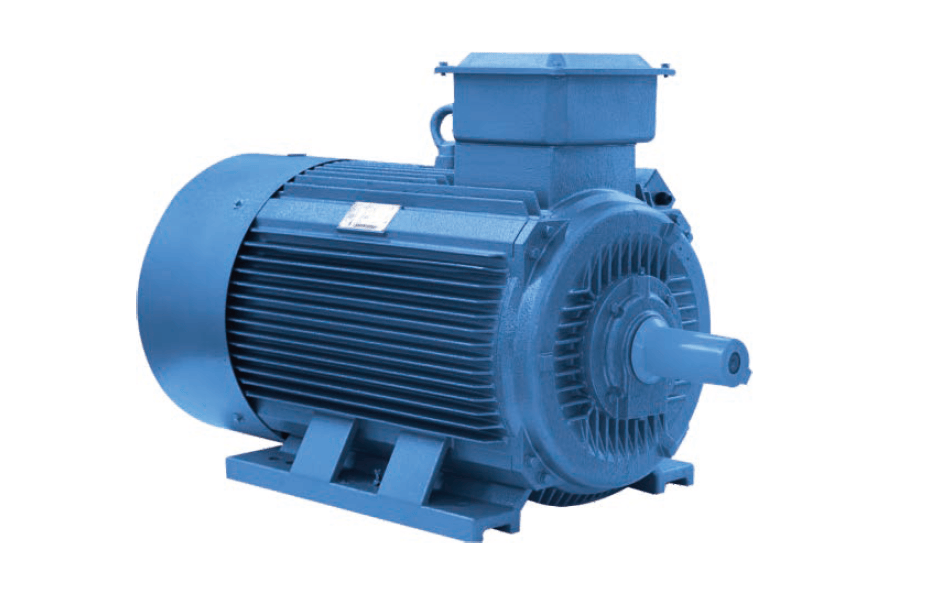
TYC Series High-Efficiency Permanent Magnet Synchronous Motor
Xiangdian Smart Energy Technology Co., Ltd.

Pneumatic high-pressure wear-resistant ball valve
Zhejiang Deca Control Valve Meter Co., Ltd.
Manufacturer Direct Sales Tesla New Energy Electric Vehicle Universal DC 180kW Dual-gun Charging Pile Commercial Fast Charger
Anhui Haidira Electric Technology Co., Ltd.
Forest and Grassland Heat Source Infrared Monitor
China Huayun Meteorological Technology Group Co., Ltd.
Mineral-insulated Compact Busway (Fire-resistant Busduct)
Zhuhai Guangle Electric Busway Co., Ltd.