Schneider Electric UK Partners with Kraken to Enhance Grid Flexibility
en.Wedoany.com Reported - Schneider Electric and Kraken have announced a strategic partnership aimed at scaling electricity demand flexibility to unlock grid capacity and accelerate grid connection for data centers and large industrial users.
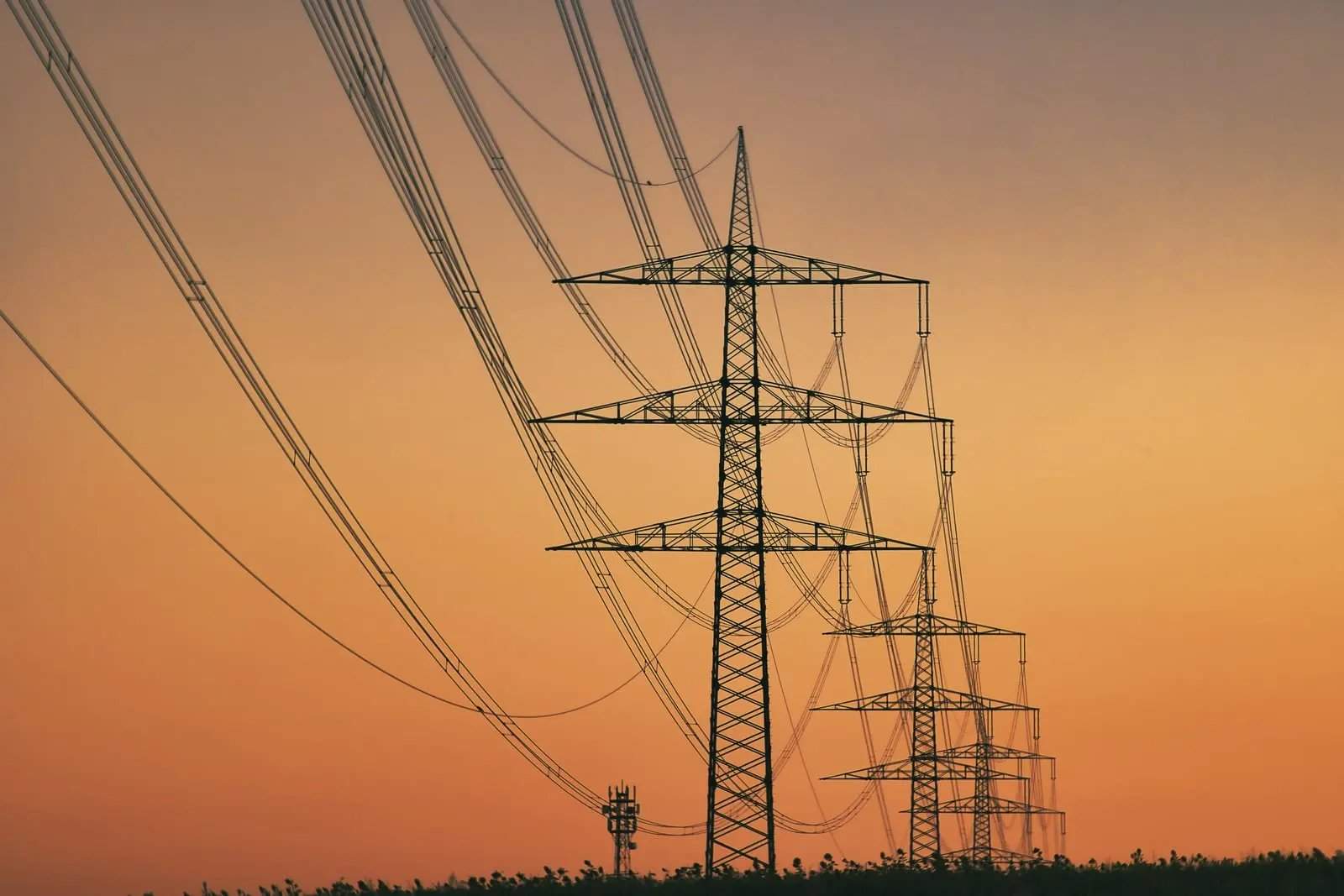
The collaboration integrates Schneider Electric's grid visibility and congestion forecasting capabilities with Kraken's AI-driven flexibility orchestration, enabling utilities and distribution network operators to identify constraints in real time and flexibly shift demand when the grid needs it most. By unlocking greater demand flexibility and improving utilization of existing network capacity through these capabilities, the companies say faster grid connections can be provided for data centers and large industrial loads. This can defer the need for costly grid upgrades, helping to reduce overall system costs, avoid bill increases for consumers and industrial users, support growth, and accelerate the energy transition.
The partnership also enables homes and businesses to contribute to a more flexible and efficient power system. By optimizing electricity demand from electric vehicles, home batteries, solar panels, industrial loads, and utility-scale energy resources, network congestion can be reduced and the grid balanced in real time. Analysts estimate the global value of demand-side flexibility in the industrial and commercial sectors could reach $1 trillion annually.
As electricity demand grows, the need for flexibility becomes increasingly urgent. The International Energy Agency reports that data centers alone consumed approximately 415 terawatt-hours of electricity in 2024, with demand expected to double by 2030. Meanwhile, grids face severe congestion, and distribution network operators often lack real-time network visibility. Traditional solutions rely on capital-intensive, longer-cycle infrastructure upgrades, a stalemate that delays grid connections and increases costs.
Schneider Electric provides real-time visibility of network constraints through its One Digital Grid platform and EcoStruxure DERMS, combined with demand-side flexibility within the EcoStruxure ecosystem, enabling predictive optimization, energy intelligence, distributed control, and flexible load management. Kraken complements this visibility by integrating distributed energy resources into a unified coordination system. This AI-driven platform connects electric vehicles, home batteries, and heat pumps, providing visibility into local low-voltage networks and coordinating these devices along with utility-scale storage, generation assets, and industrial loads to shift consumption in real time and balance the grid.
Amir Orad, CEO of Kraken, stated that AI is not only a driver of demand but also fundamentally changes how capacity is unlocked from existing grids. "We are unlocking this capability at scale to enhance grid connections and power growth. Together with Schneider Electric, we are building a more resilient, affordable, and cleaner energy system for consumers and the planet." Frédéric Godemel, Executive Vice President of Energy Management at Schneider Electric, noted that utilities and grid operators face real pressure to maintain reliability, respond to changing demands, leverage better data for decision-making, and address aging infrastructure. The goal is to create an interoperable energy system that works seamlessly together. In a commentary written for Enlit World in March, Godemel pointed out that the convergence of growing electricity demand, structural pressures on existing energy systems, and grid modernization proves the world is entering a power super cycle.
This article is compiled by Wedoany. All AI citations must indicate the source as "Wedoany". If there is any infringement or other issues, please notify us promptly, and we will modify or delete it accordingly. Email: news@wedoany.com
Related Products