World's first large-scale 100% hydrogen engine tested and connected to the grid in Spain
en.Wedoany.com Reported - Technology group Wärtsilä has launched validation testing of a new 100% hydrogen engine in Bermeo, northern Spain, which has been connected to the Spanish national grid. This marks the world's first demonstration of a large-scale 100% hydrogen engine.
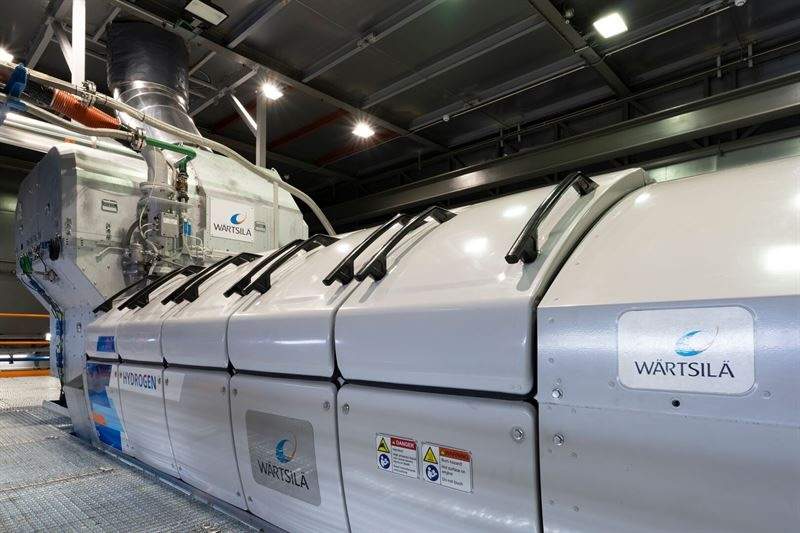
The test represents a significant advancement in engine technology for operating on 100% sustainable fuels such as hydrogen. Wärtsilä previously introduced the world's first large-scale 100% hydrogen-ready engine power plant, and this validation builds on that platform, providing a clear pathway toward a fully renewable electricity system. With global renewable energy generation expected to grow by nearly 4,600 GW by 2030, flexible technologies capable of balancing the grid during periods of low wind and solar output are becoming increasingly critical.
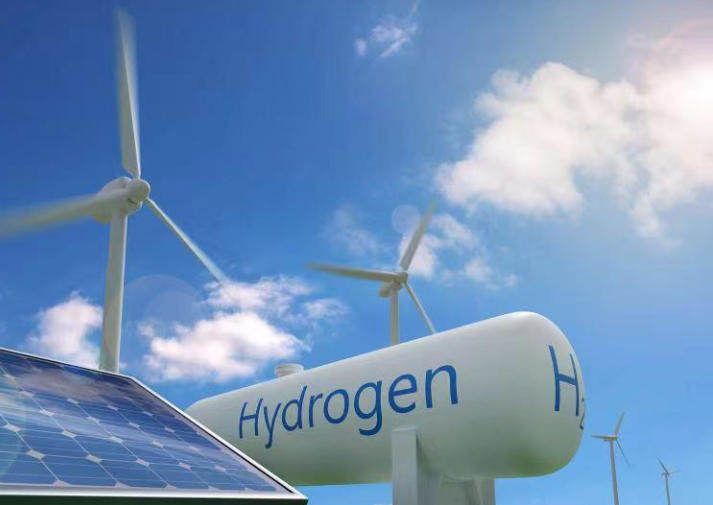
Green hydrogen produces no carbon emissions during power generation, enabling clean electricity production while supporting the decarbonization of grids dominated by renewable energy. Green hydrogen can store surplus renewable electricity and provide reliable power when wind or solar generation declines, thereby helping to stabilize the power system and enhance energy reliability.
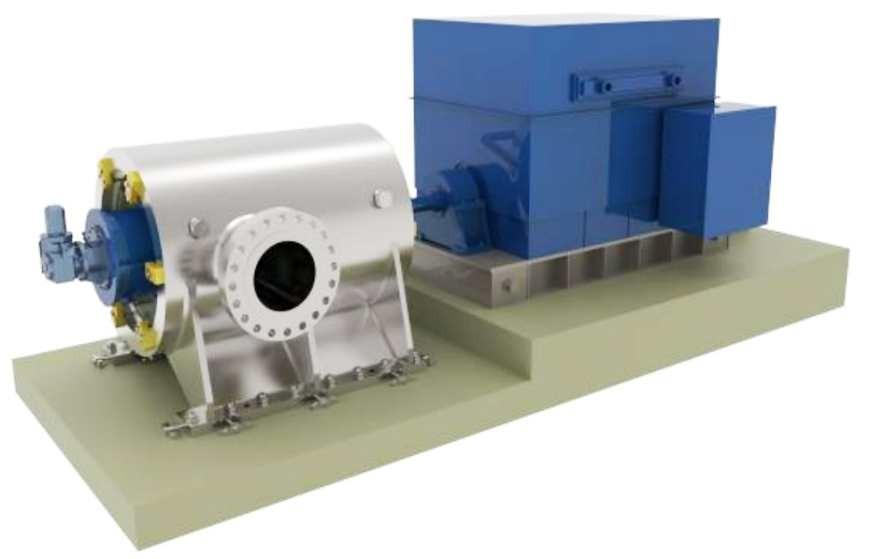
The Wärtsilä 31H2 engine is part of the Wärtsilä 31 platform, recognized as one of the world's most efficient multi-fuel four-stroke engines. This validation demonstrates that hydrogen can move from theory to practical energy infrastructure. The Wärtsilä 31H2 engine is the world's largest pure hydrogen engine, and its performance is currently being validated in Bermeo.
Rasmus Teir, Director of Technology Strategy and Decarbonization at Wärtsilä, stated that this trial looks toward a renewable energy future. As countries rapidly scale up wind and solar power, one of the main challenges in the energy transition is maintaining reliable power supply during periods of low renewable generation or peak demand. Currently, the Wärtsilä 31H2 hydrogen engine operates on 100% hydrogen and supplies electricity to the Spanish national grid, proving that large-scale hydrogen engines can provide the flexible, dispatchable sustainable power needed for renewable energy systems.
Rasmus Teir noted that the technology is ready, and the focus should be on creating the right environment to scale up, which requires decisive regulation, clear investment, and the infrastructure needed to accelerate the development of sustainable fuels such as renewables and hydrogen.
Power plants based on the Wärtsilä 31 are designed to provide flexible, sustainable power generation for rapidly growing, energy-intensive industries, including data centers, manufacturing facilities, and industrial operations, as well as off-grid environments.
Spain, due to its leadership in renewable energy adoption and efforts to reduce dependence on volatile fossil fuels, provides an ideal location for this trial, serving as a testing ground to demonstrate the future potential of hydrogen technology.
In June 2026, Wärtsilä customers from around the world witnessed the engine in operation, marking a significant milestone in its commercial validation.
This article is compiled by Wedoany. All AI citations must indicate the source as "Wedoany". If there is any infringement or other issues, please notify us promptly, and we will modify or delete it accordingly. Email: news@wedoany.com
Related Products
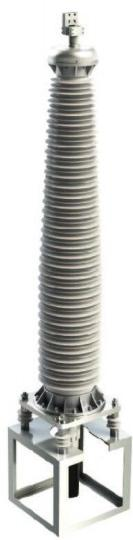

220kV Composite Outdoor Cable Terminal
Shenyang Guolian Cable Accessories Manufacture Co., Ltd.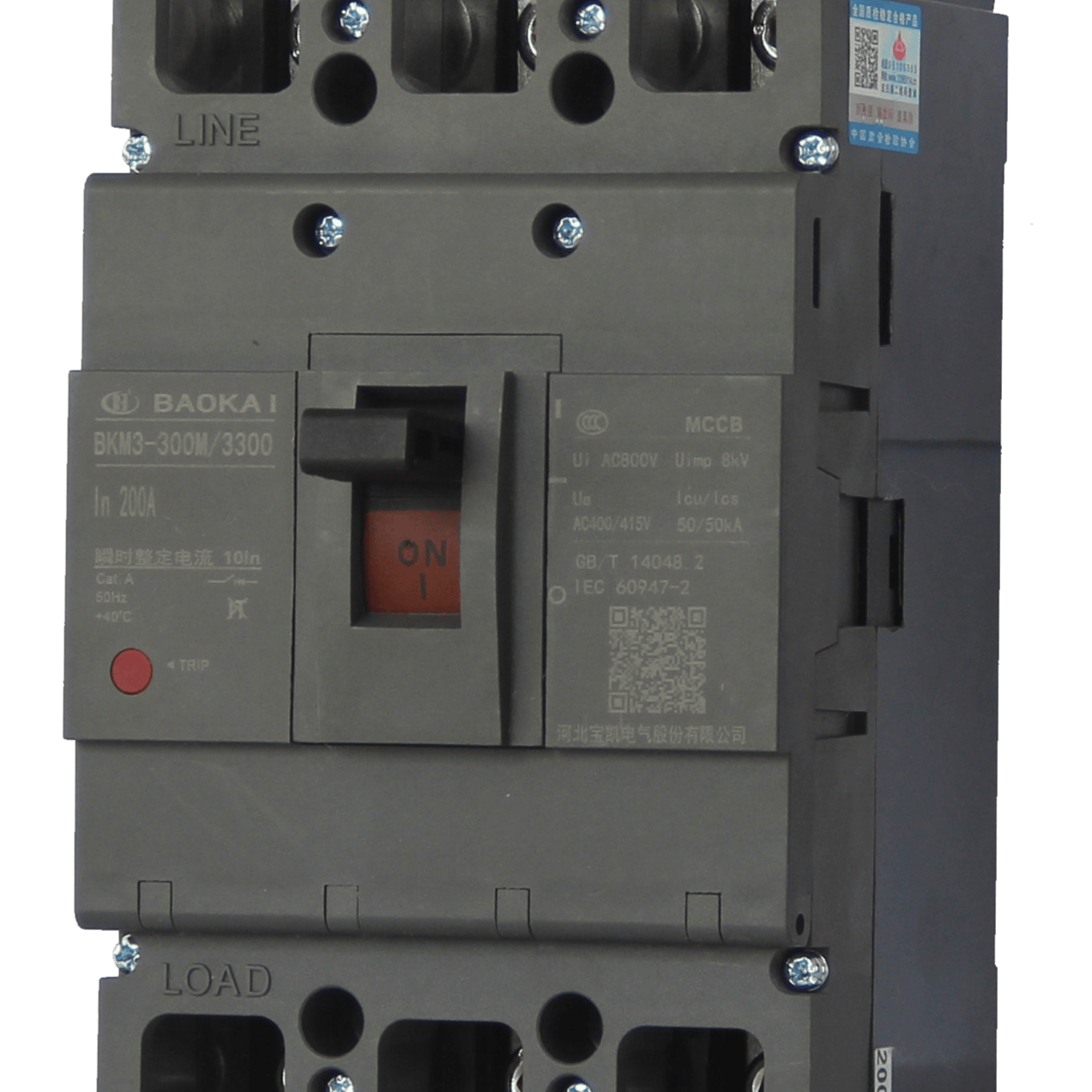
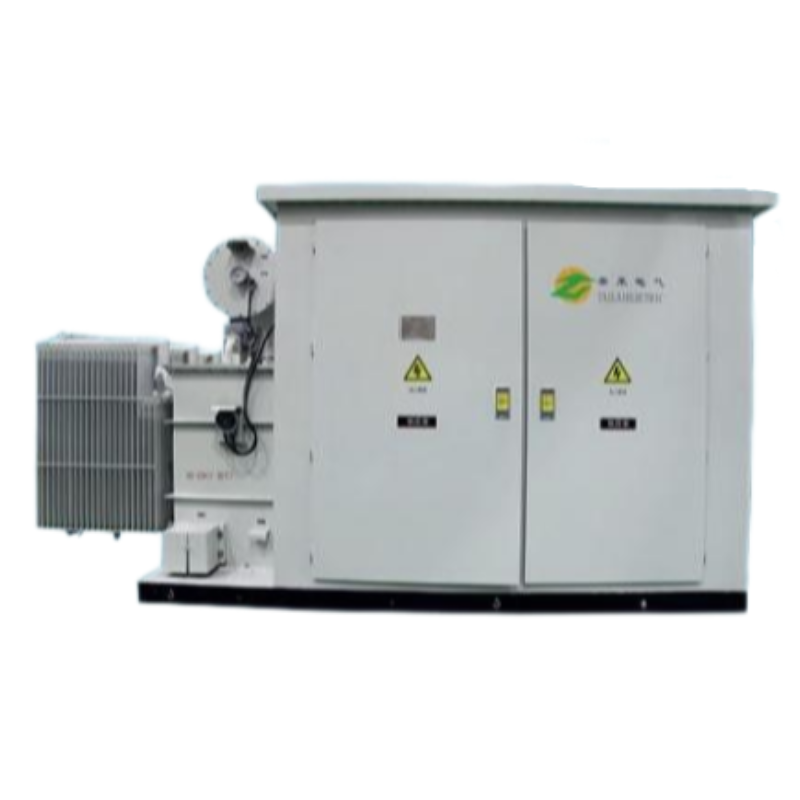
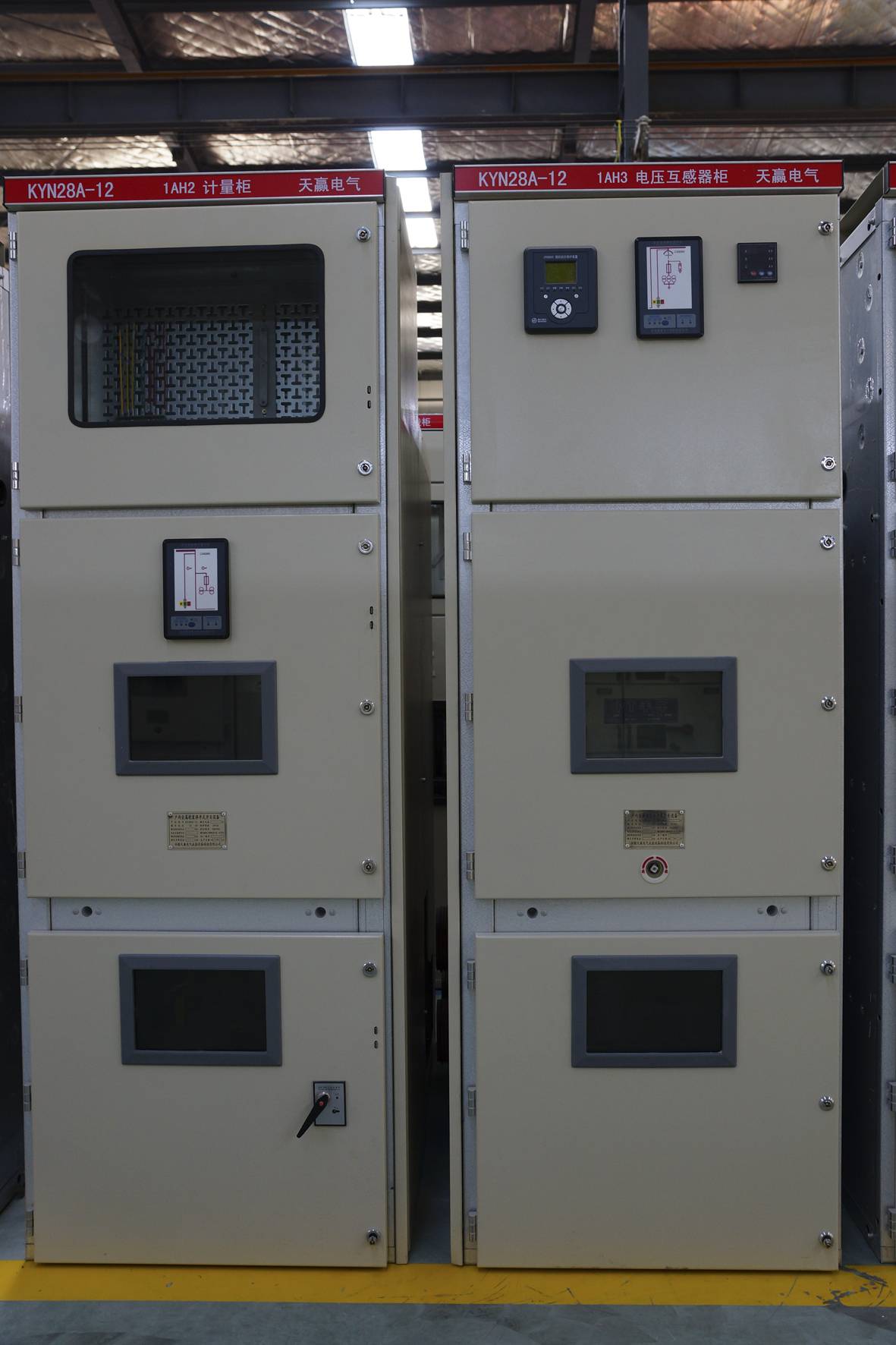
KYN28 - High Voltage Switchgear
Anhui Tianying Electrical Equipment Manufacturing Co., Ltd.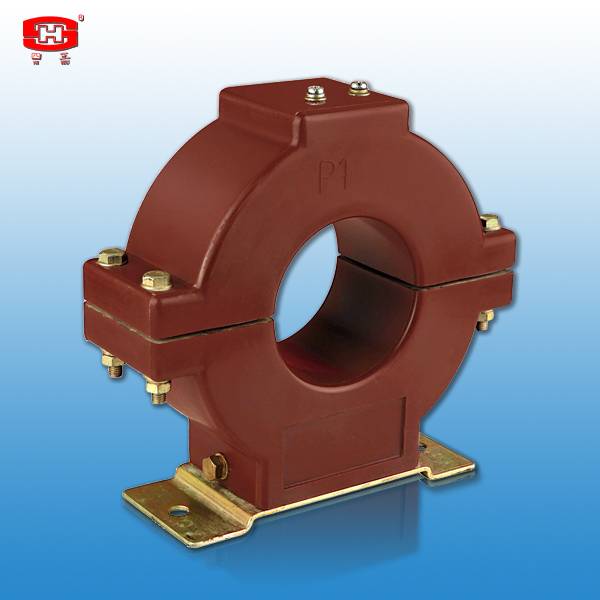
0.66kV Power Supply Instrument Transformer
Guangdong Sihui Instrument Transformer Works Co., Ltd.
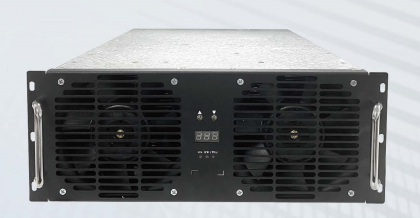
80kW Megawatt Supercharging Module TH80F10030C9
Shijiazhuang Tonhe Electronics Technologies Co., Ltd.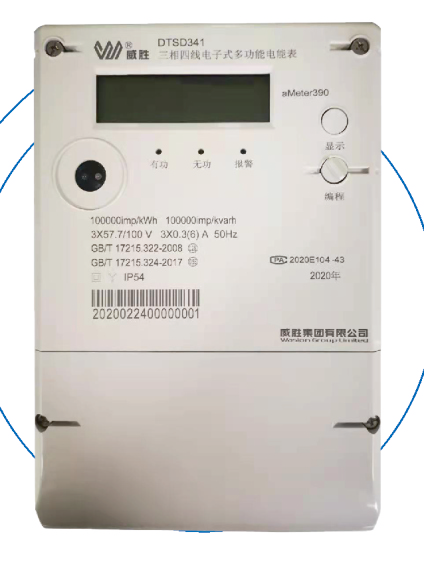
Overseas IEC Gateway Energy Meter - DTSD341/DSSD331-aMeter390
Wasion Group Limited Co., Ltd.
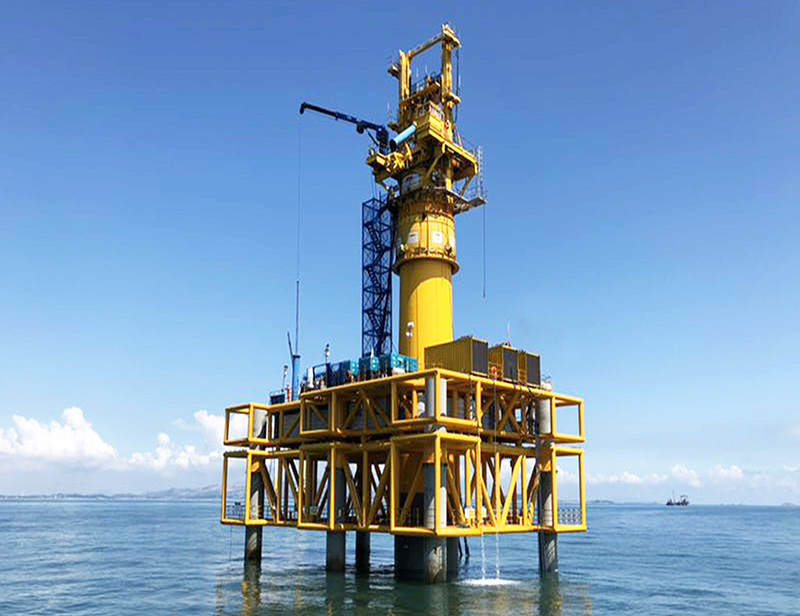
CITIC Heavy Industries Offshore Wind Power Equipment Hydraulic Pile Hammer
CITIC Heavy Industries Co., Ltd.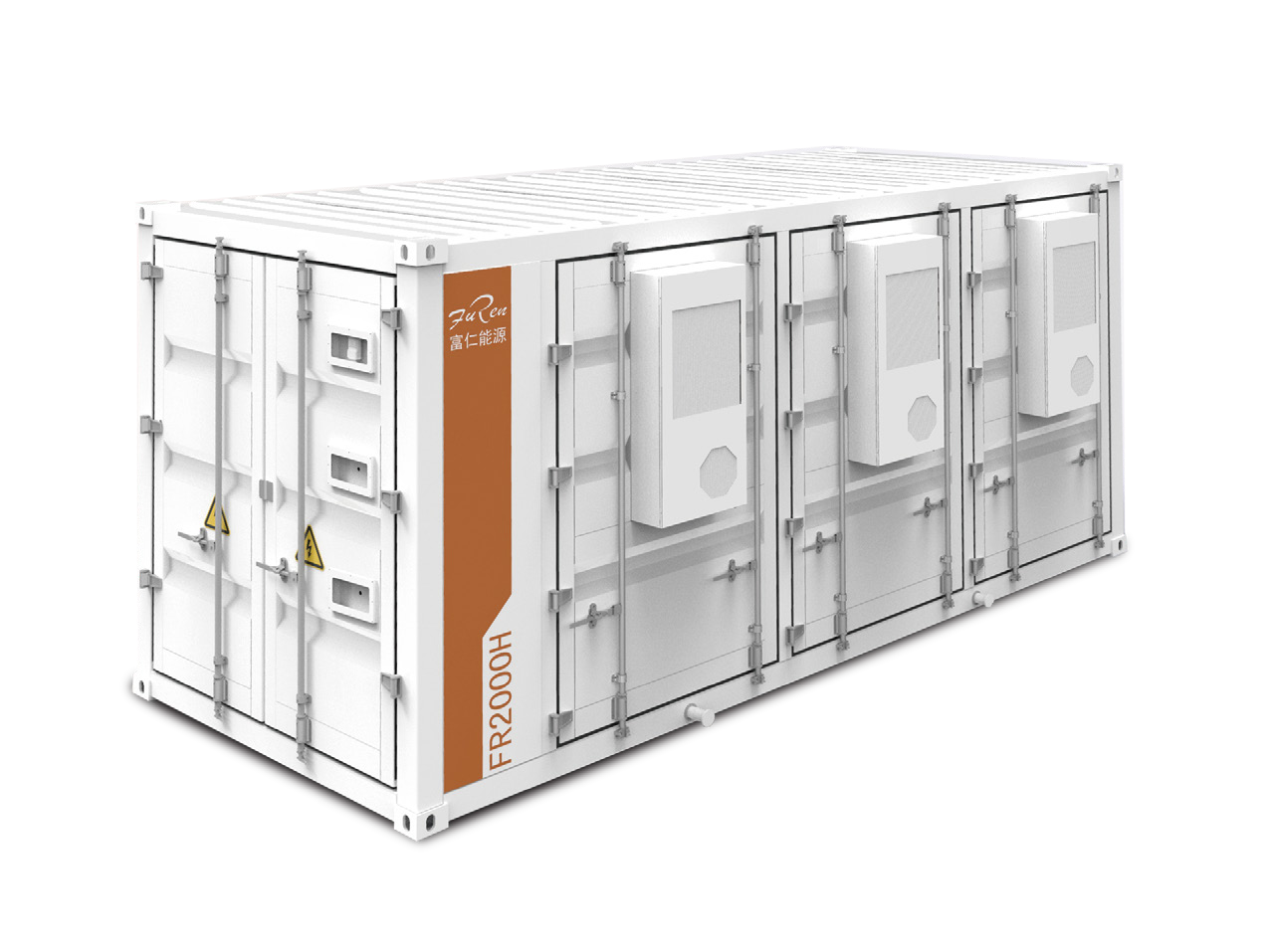
FR2000H 2.15MWh (Air-cooled) 20-foot Containerized Energy Storage System
Jiangyin Furen High-tech Co., Ltd.