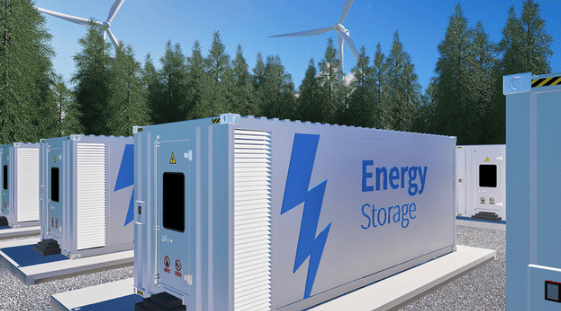
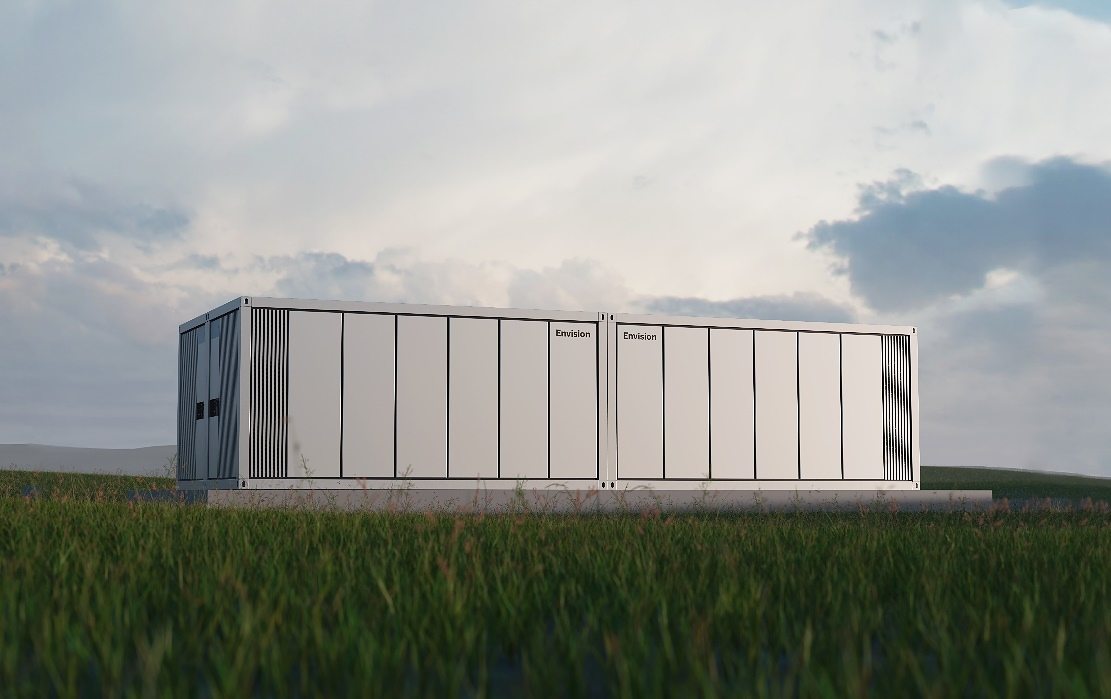
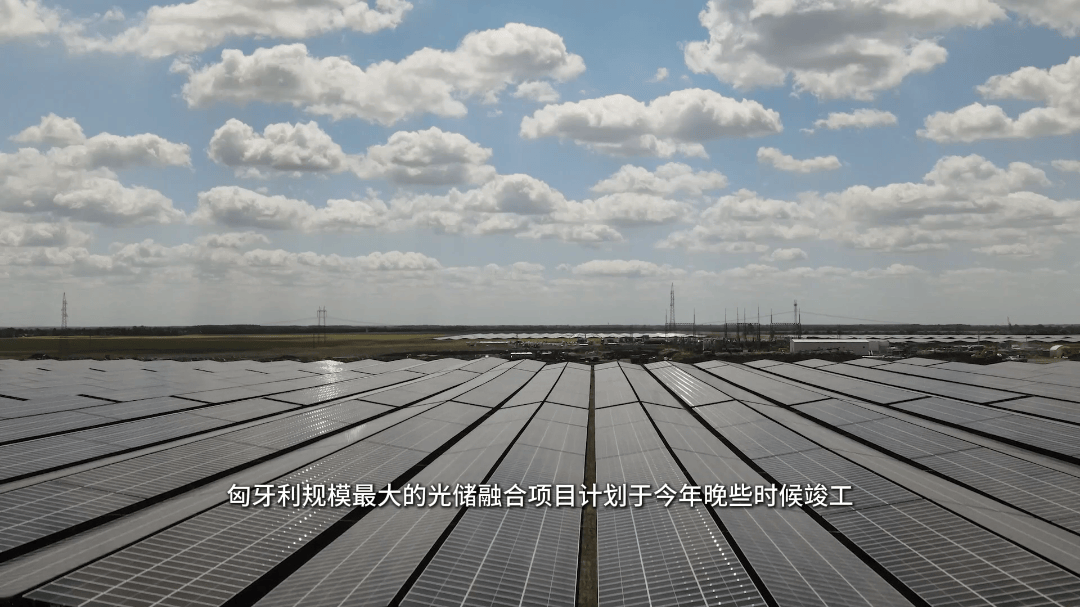
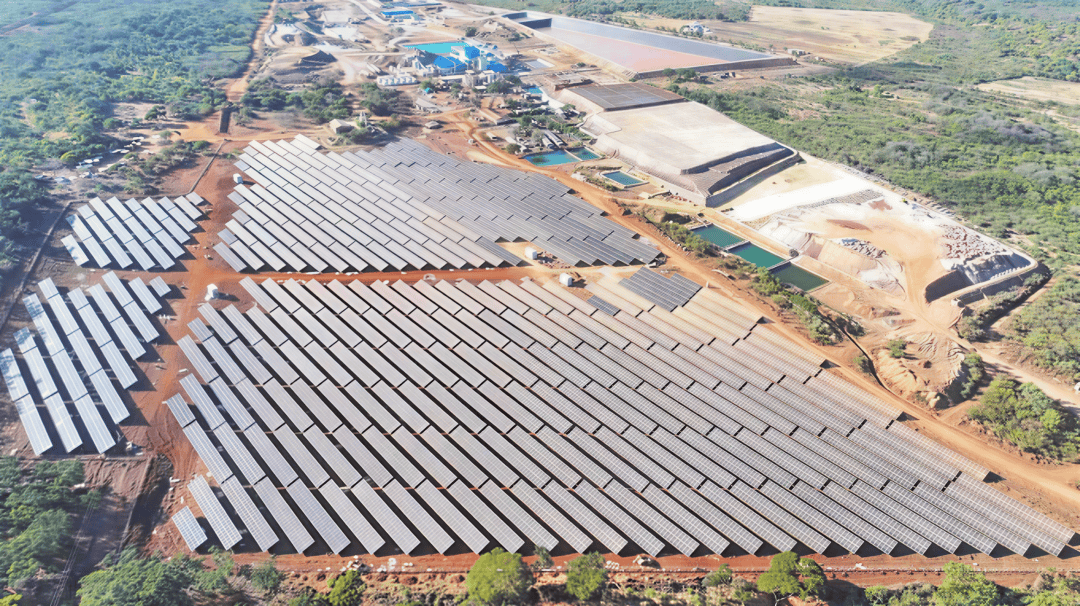
en.Wedoany.com Reported - UK renewable energy developer Exagen has secured planning permission for a 50 MW solar photovoltaic (PV) plant with a supporting battery energy storage system (BESS). Located in England, the BESS can store excess electricity during peak solar PV generation hours and release it when demand rises, enhancing grid stability and increasing the value of renewable energy output.
Exagen stated that as intermittent solar PV generation grows in the UK, this project helps support the country's efforts to accelerate renewable energy deployment and strengthen domestic energy security. The company will now move into detailed engineering, procurement, financing, and construction preparation phases, aiming to commence operations after these subsequent stages are completed.
By combining solar PV with a supporting BESS, the project makes renewable electricity more dispatchable, no longer relying entirely on real-time sunlight. The battery storage system absorbs short-term surpluses from midday solar generation and releases energy during high-demand periods, helping to reduce operational pressure on distribution and transmission grids while supporting grid stability. At the same time, by shifting part of the solar output to time windows with higher electricity value or greater system constraints, the project's revenue potential and system performance are enhanced.
As solar PV penetration increases, this project helps manage intermittency, forming a more flexible power mix to respond to fluctuations in demand and weather. Additionally, increasing domestic generation capacity that does not rely on imported fuels strengthens the UK's energy security, while the storage system provides extra resilience during periods of supply tightness.
Exagen's experience and scale in delivering solar-plus-storage projects will also support the maturation of the UK's supply chain for inverters, transformers, grid interface equipment, and BESS components. This project advances the transition toward a stabilized renewable energy model, aligning with broader system efforts to integrate more low-carbon generation while maintaining reliability standards.
Entering the detailed design phase, the project can further optimize connection requirements, grid studies, and control strategies, facilitating future deployments. Exagen noted that obtaining this planning permission demonstrates continued investor and developer confidence in UK renewables, helping to maintain momentum in the subsequent engineering, procurement, financing, and construction stages.
This article is compiled by Wedoany. All AI citations must indicate the source as "Wedoany". If there is any infringement or other issues, please notify us promptly, and we will modify or delete it accordingly. Email: news@wedoany.com