Global Platinum Market Expected to Face Fourth Consecutive Year of Supply Deficit in 2026, with a Shortfall of 297,000 Ounces
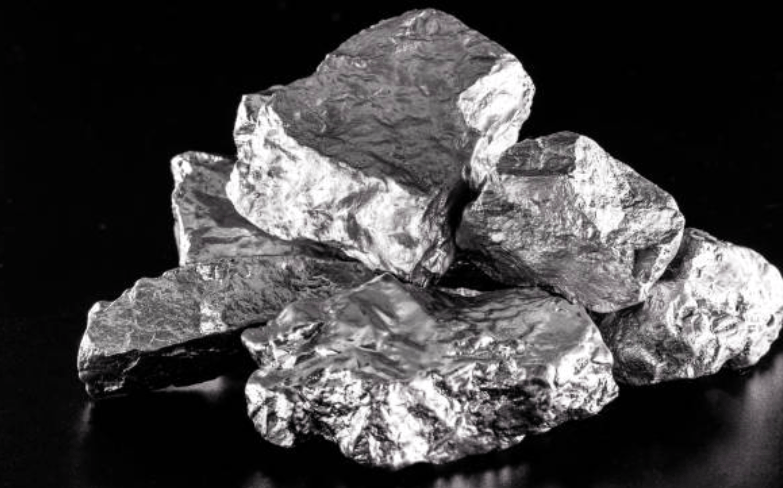
en.Wedoany.com Reported - From 2021 to early 2026, the price of platinum roughly doubled, but primary mine supply did not follow suit; instead, it is expected to shrink to approximately 5.5 million ounces, indicating that the price increase did not trigger new mine supply. Rising costs for electricity, labor, and maintenance in deep, aging mines in Southern Africa and Russia have constrained supply growth. Meanwhile, a more hawkish stance by the Federal Reserve has pushed up real yields, reducing investment demand for platinum and depressing spot prices below levels implied by the physical market deficit. The World Platinum Investment Council expects a supply deficit of approximately 297,000 ounces in 2026, marking the fourth consecutive year of shortfall, with above-ground inventories covering about four months of demand, the lowest level since 2014. When rising platinum prices fail to effectively increase mine supply, investors place greater emphasis on development and exploration projects capable of adding new, low-cost production.
Commodity markets typically respond to rising prices with increased production, but platinum has not followed this pattern since 2021. Despite a doubling in price, primary mine supply has instead declined, with the market constrained by supply rather than demand. Rising operating costs have limited the ability of major producers to ramp up output.
Primary platinum mine production peaked at just over 6 million ounces in 2021, and the World Platinum Investment Council expects mine supply to be approximately 5.55 million ounces in 2026, well below the peak. Over the same period, platinum prices roughly doubled, and the lack of supply response suggests that price increases alone may be insufficient to boost output. Nick Smart, CEO of ValOre Metals Corp., explained that a doubling of metal prices failing to stimulate supply reflects supply inelasticity and the difficulty of bringing new metal to market. Limited supply growth increases the likelihood of sustained higher platinum prices.
Approximately 80% of global platinum group metals supply comes from South Africa and Zimbabwe, where deep, aging underground mines face rising labor, maintenance, and electricity costs. Higher operating costs have raised the price required to sustain production, supporting platinum prices without increasing supply. According to data from the World Platinum Investment Council, production from Norilsk Nickel and Zimbabwe Platinum Mines saw double-digit year-on-year declines in the first quarter of 2026, indicating limited capacity for output growth from existing mines.
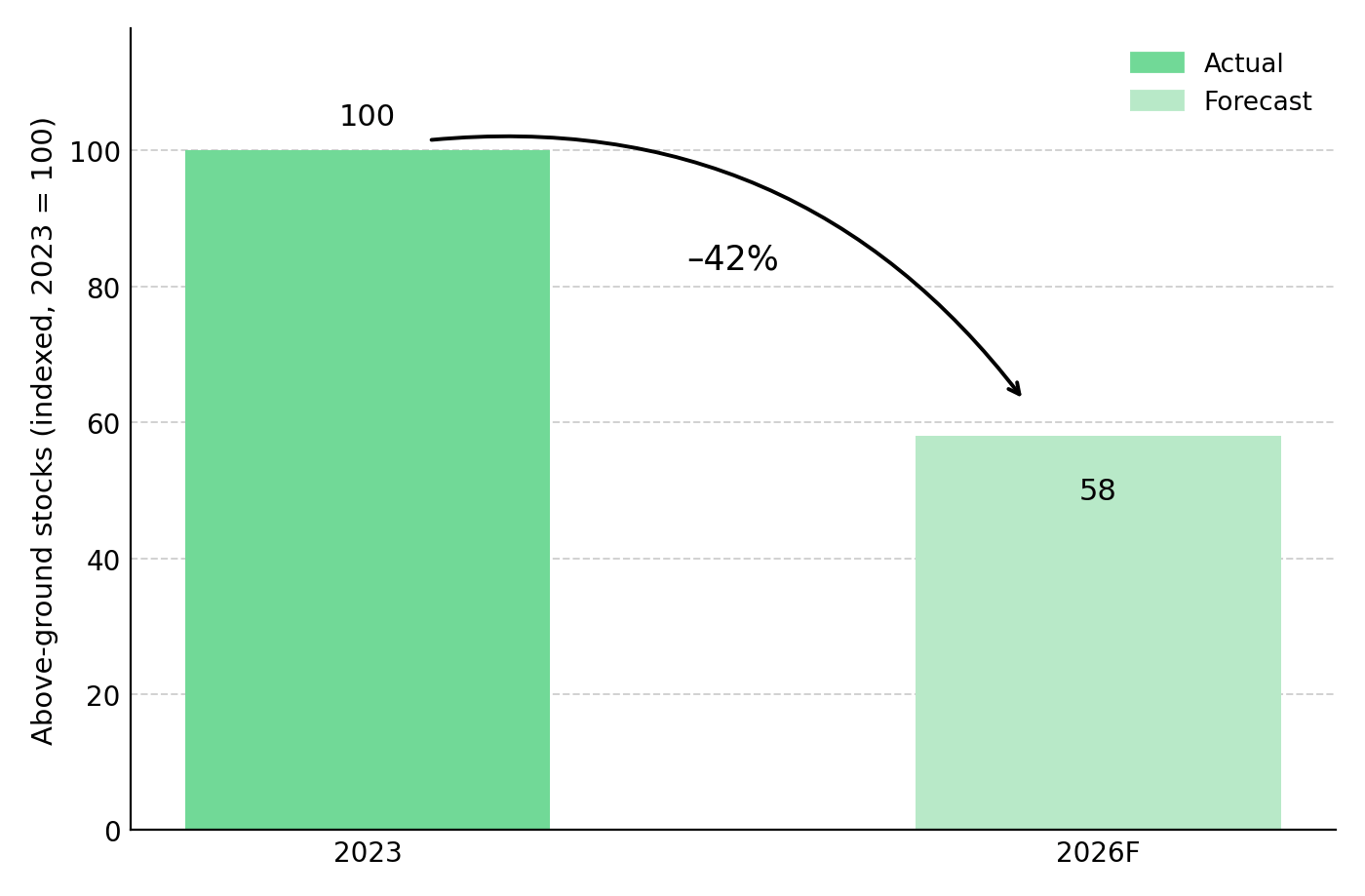
The physical platinum deficit does not guarantee short-term price increases. Despite constrained mine supply, platinum prices fell in mid-2026 as higher real yields reduced investment demand. In May 2026, the U.S. economy added 172,000 new jobs, and stronger-than-expected data pushed the Federal Reserve's policy path toward a more hawkish stance, raising real yields and increasing the opportunity cost of holding non-yielding platinum. Outflows of approximately 374,000 ounces from exchange-traded funds and exchange inventories were the biggest driver of a temporary market surplus of 268,000 ounces in the first quarter of 2026. The World Platinum Investment Council expects a full-year deficit of about 297,000 ounces in 2026, marking the fourth consecutive year of supply shortfall. After drawing down approximately 42% since 2023, above-ground platinum inventories cover about four months of demand, the lowest level since 2014.
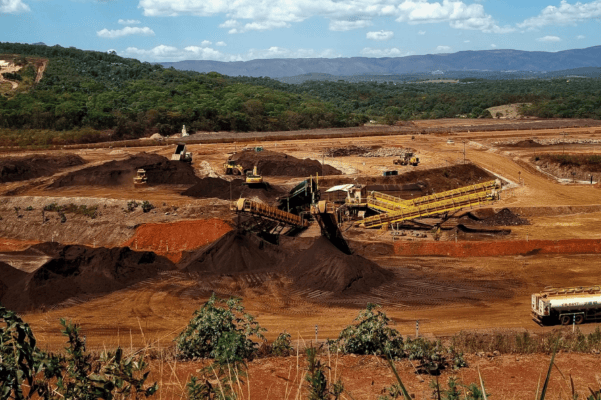
If existing producers cannot increase output, the profitability of new projects depends on their position on the global cost curve. Deep underground mines typically require substantial upfront capital and years of shaft development, while open-pit mining can reduce costs. ValOre's Pedra Branca project in Brazil is an exploration-stage, near-surface platinum group metals deposit with NI 43-101 compliant inferred resources of 2.198 million ounces of platinum group metals and gold at a grade of 1.08 grams per tonne, distributed across seven near-surface zones. Due to mineralization outcropping at surface, future development may employ open-pit mining. However, the project has not yet released a preliminary economic assessment or mineral reserves, and the current leaching process remains at the laboratory stage, with initial recoveries of approximately 74% for platinum and 73% for palladium, yet to be validated at a larger scale. Ivanhoe's Platreef project is one of the few greenfield platinum group metals mines since 2019. All-in sustaining costs help determine mine profitability, and as electricity and labor costs rise, producers require higher platinum prices to sustain production. Despite recent price weakness, rising production costs and declining inventories support higher price forecasts, with Metals Focus raising its 2026 platinum price forecast to approximately $2,190 per ounce.
When major producers cannot increase output, the number of development and exploration projects capable of adding new supply diminishes, and investors may assign higher valuations to such companies. Investors typically use enterprise value per ounce of underground resources to compare pre-production resource companies. According to ValOre's May 2026 investor materials, development-stage peers such as Stillwater Critical Minerals and Generation Mining, despite reporting similar resource sizes and, in some cases, lower grades, command higher valuations. ValOre's next major catalyst is its first preliminary economic assessment, targeted for completion in the fourth quarter of 2026, which will provide initial estimates of net present value, internal rate of return, capital expenditure, and all-in sustaining costs.
This article is compiled by Wedoany. All AI citations must indicate the source as "Wedoany". If there is any infringement or other issues, please notify us promptly, and we will modify or delete it accordingly. Email: news@wedoany.com
Related Products


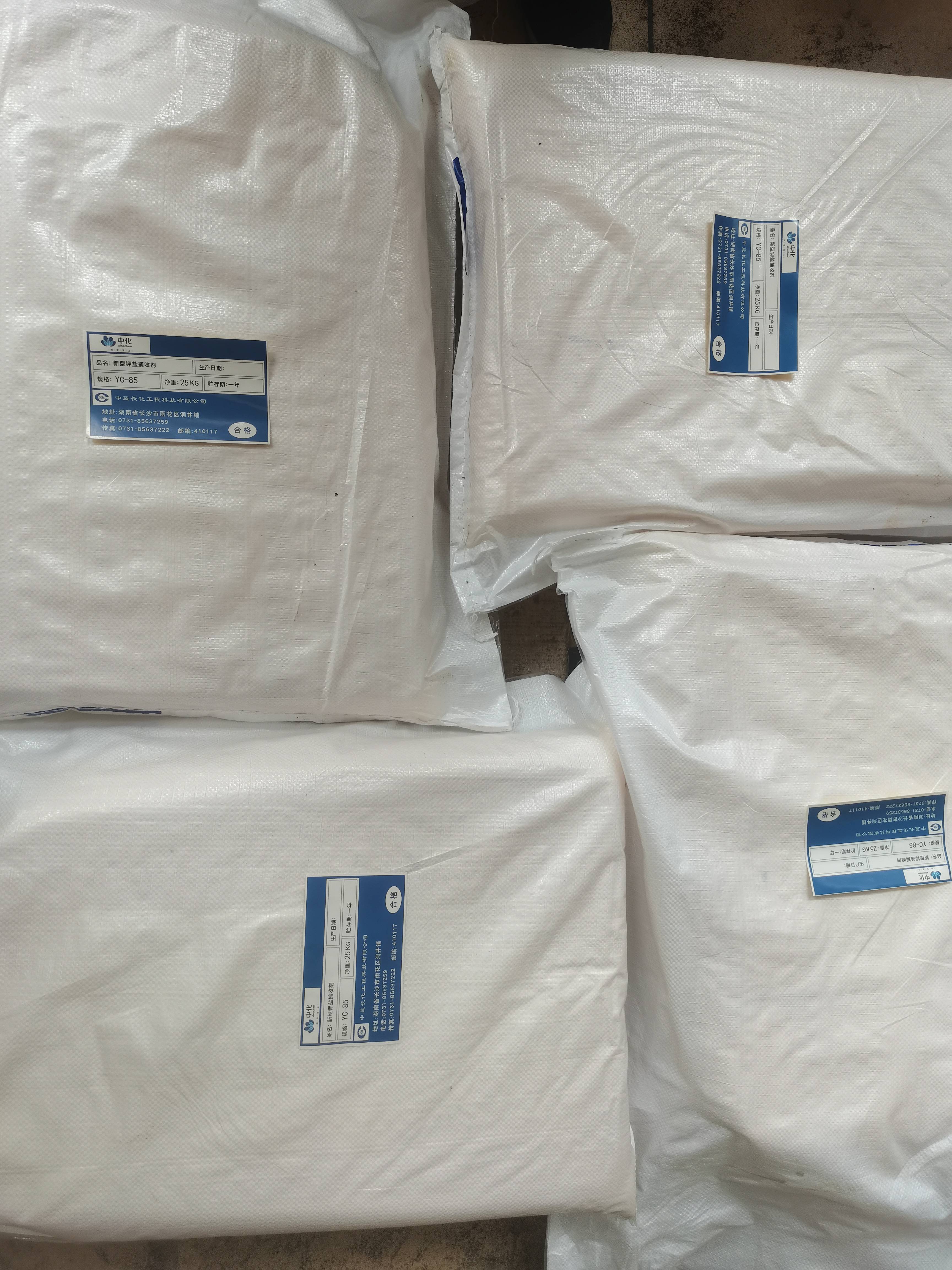
New Environmentally Friendly Green Potassium Salt Collector
Chonfar Engineering and Technology Co., Ltd.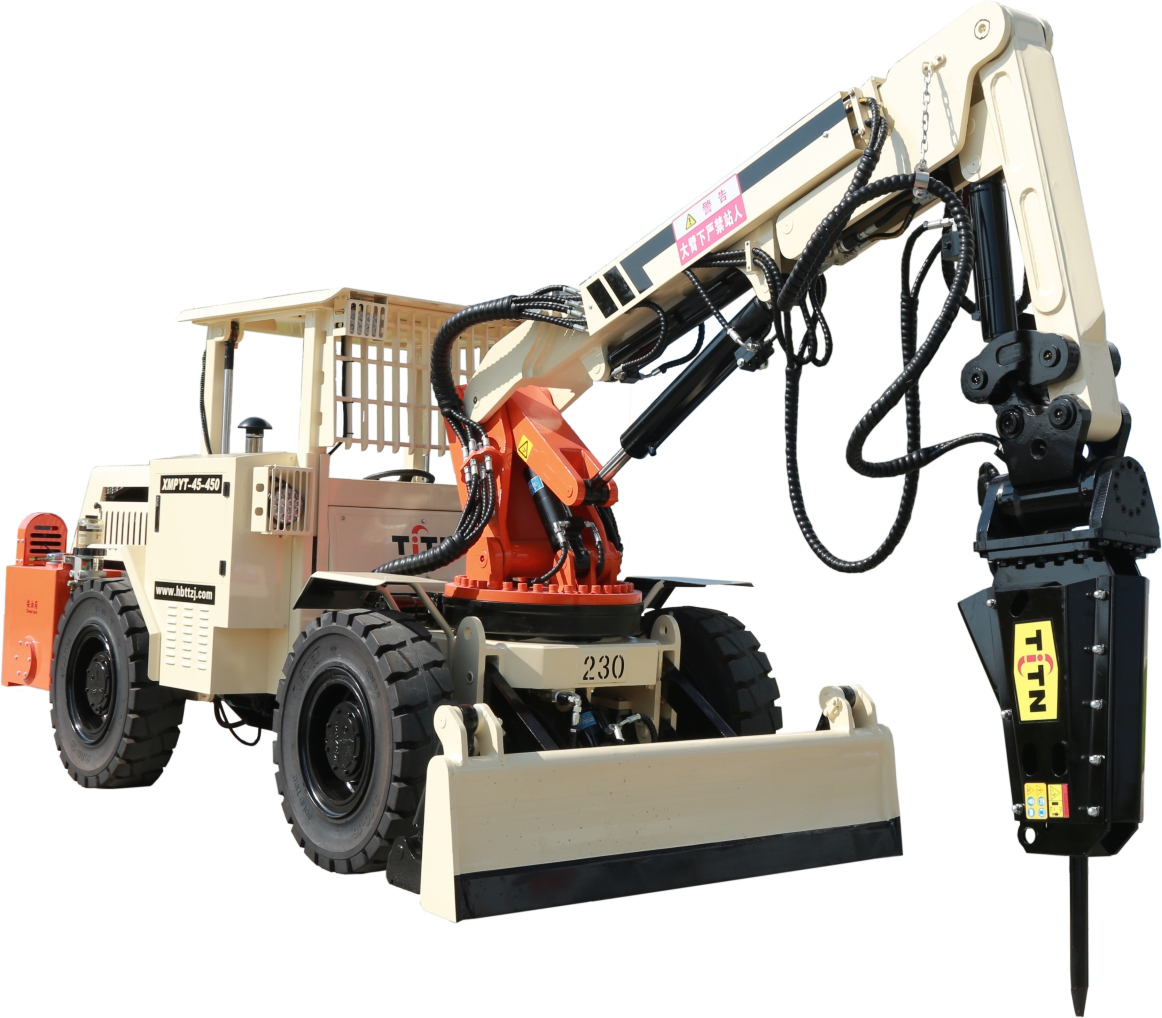
Quick-Change Single-Seat Control Valve / Quick-Change High-Pressure Single-Seat Control Valve
Beijing Consen Automation Technology Co., Ltd.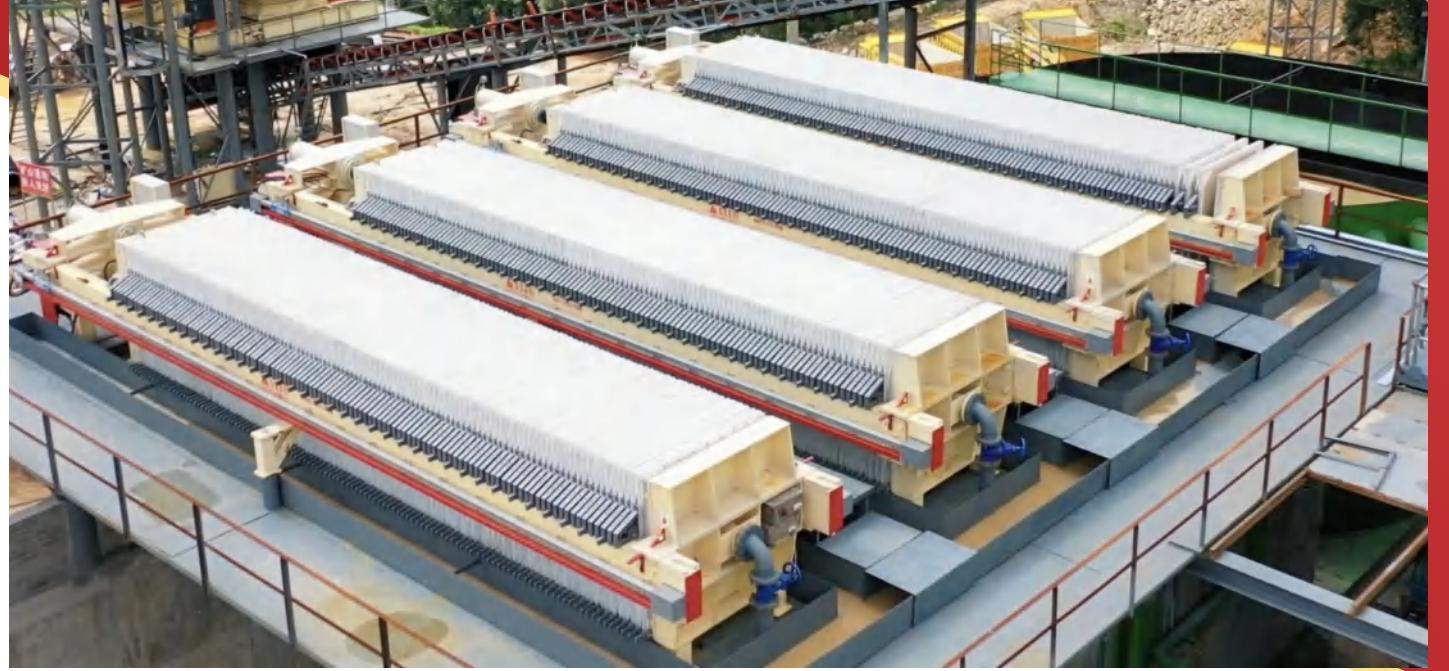
Hydraulic Plate and Frame Filter Press
Guangdong Leimeng Intelligent Equipment Group Co., Ltd.
Integrated Excavation and Anchoring Machine (EJM Series)
China Railway Construction Heavy Industry Corporation Limited