Industrial Parks Are Accelerating Reclaimed Water Reuse Through Centralized Treatment and Graded Supply
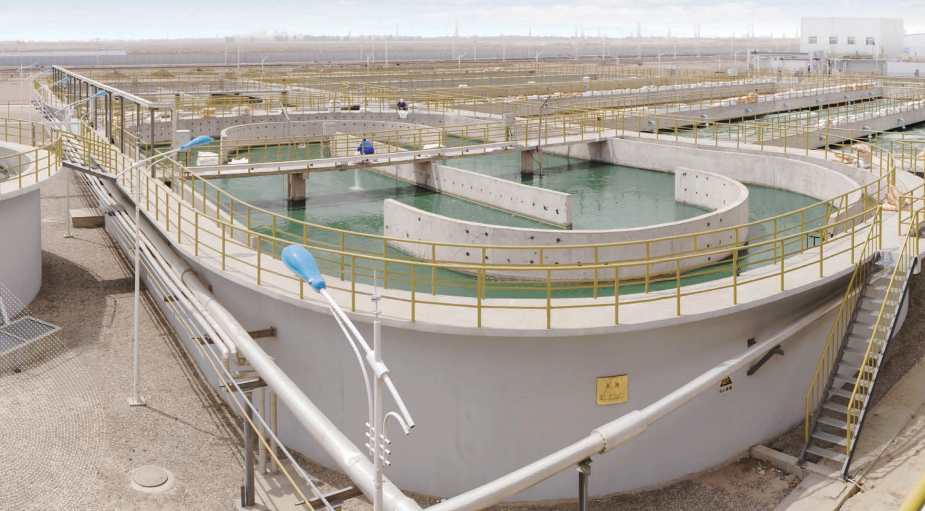
en.Wedoany.com Reported - In industrial parks, chemical parks, manufacturing bases and new urban districts, Reclaimed Water Reuse is becoming an important engineering direction for improving water resource efficiency. Compared with individual enterprise treatment and reuse, park-level systems place more emphasis on centralized treatment, graded water supply, pipeline coordination and multi-user collaboration.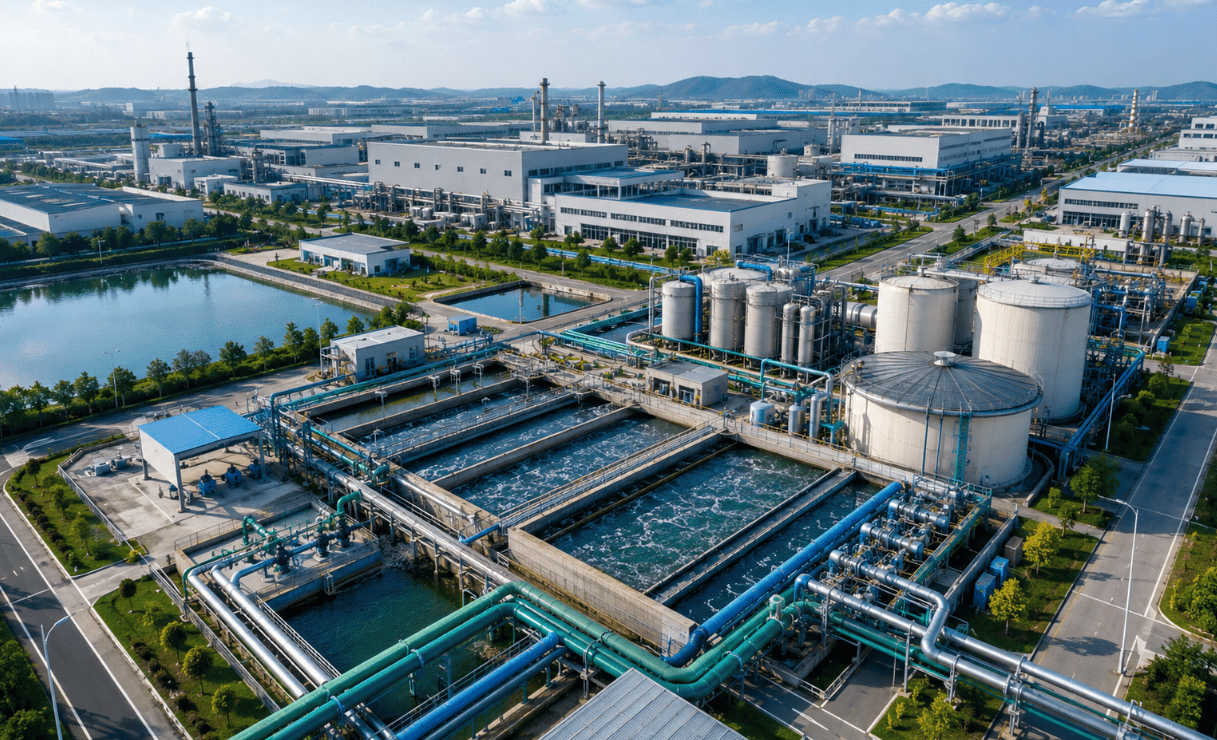
Industrial parks usually have large water demand, multiple wastewater sources and complex enterprise types. Wastewater may come from domestic sewage, production cleaning, cooling discharge, equipment washing or process wastewater. Without unified planning, parks may face scattered treatment capacity, unstable reused water quality, repeated pipeline construction and water resource waste.
Park-level reclaimed water reuse can improve overall efficiency through unified collection, centralized treatment and graded utilization. Graded water supply is the core logic. Not all users need the same water quality standard. Landscaping, road washing and landscape replenishment require relatively lower water quality. Cooling systems, equipment washing and auxiliary industrial water require higher quality. Some process water in electronics, chemicals or pharmaceuticals may require advanced treatment.
By supplying water according to quality requirements, industrial parks can avoid using high-quality treated water for low-grade applications. This helps reduce unnecessary treatment cost.
Centralized treatment systems should be designed according to the water quality structure of the park. Common processes include screening, equalization tanks, coagulation sedimentation, biological treatment, filtration, ultrafiltration, reverse osmosis, disinfection and sludge treatment. For wastewater with high salinity, complex organic matter or large fluctuations, pretreatment and water quality balancing systems are needed.
Water balance is also critical. The supply of reclaimed water must match user demand. If reclaimed water output is too high but consumption is insufficient, storage and discharge pressure may increase. If supply is unstable, enterprises may be unwilling to adopt reclaimed water for long-term use.
Operation management determines whether reclaimed water reuse can continue to create value. Centralized systems need continuous monitoring of water quality, pumping stations, membrane systems, pipeline pressure and user feedback. A water quality fluctuation or equipment failure may affect multiple users.
In the future, industrial park reclaimed water reuse will be integrated with smart water management, energy saving and green park construction. Digital platforms can track water intake, discharge, treatment, reuse and energy consumption, helping parks move from rough statistics toward refined dispatching.
Overall, park-level reclaimed water reuse is not a single environmental facility. It is a restructuring of the industrial park water resource system. Solutions with centralized treatment, graded water supply, pipeline construction and intelligent operation capability will better meet the needs of future green industrial parks.
This article is compiled by Wedoany. All AI citations must indicate the source as "Wedoany". If there is any infringement or other issues, please notify us promptly, and we will modify or delete it accordingly. Email: news@wedoany.com
Related Products

714CD Series C-Band Weather Radar
Chengdu Zhongdian Jinjiang Information Industry Co., Ltd.
Electromagnetic Fluid Seawater Floating Oil Separation and Recover Equipment
Huate Magnet Group Co., Ltd.
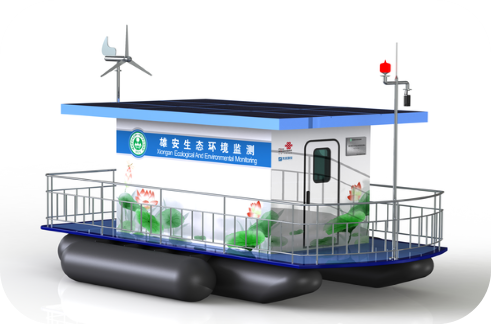
Floating Boat Water Quality Automatic Monitoring System
Hebei Sailhero Environmental Protection High-tech Co., Ltd.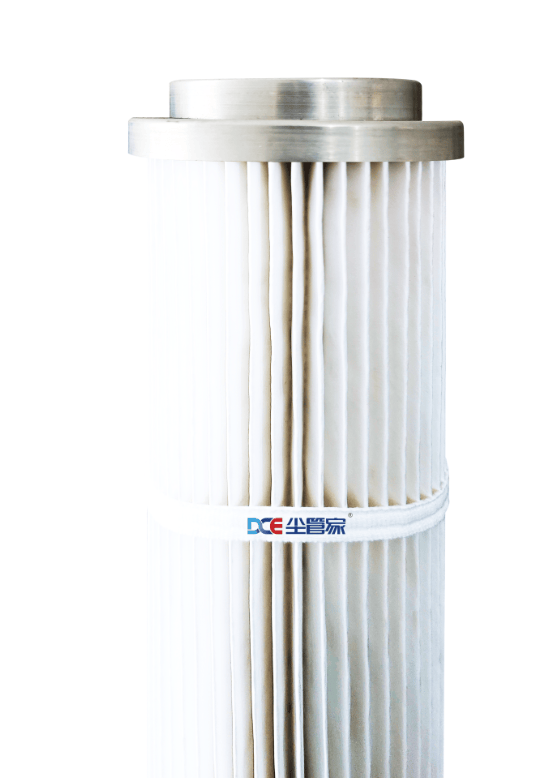
DCE High-Efficiency Energy-Saving Filter Cartridge
Zhejiang Hongsheng New Material Technology Group Co., Ltd.
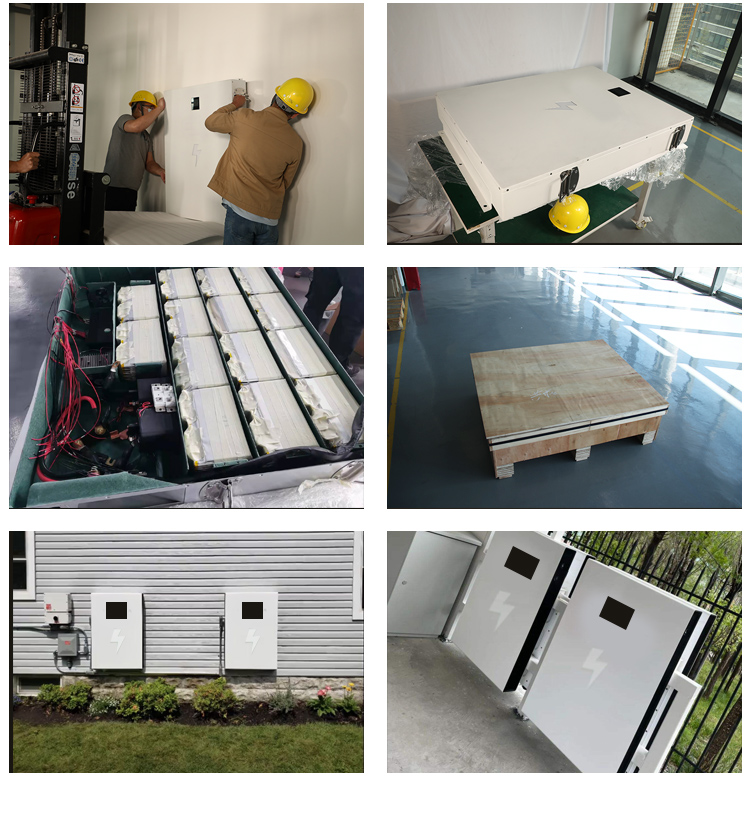
Safe, efficient, intelligent energy storage, creating smart homes and making life more convenient# Home Energy Storage # Supercapacitors # Energy Storage # Wall Mounted # Safe Electricity Use
Gonghe Power Co.,LTD