Reclaimed Water Reuse Is Becoming a Core Path for Industrial Water Conservation
en.Wedoany.com Reported - Reclaimed Water Reuse refers to the treatment and reuse of municipal wastewater, industrial wastewater or park-level drainage for production, cooling, washing, landscaping, road cleaning, landscape replenishment and other non-potable applications. As industrial water demand grows, water resource constraints increase and environmental standards become stricter, reclaimed water reuse is moving from an environmental supporting facility to a core capability for water security and resource efficiency.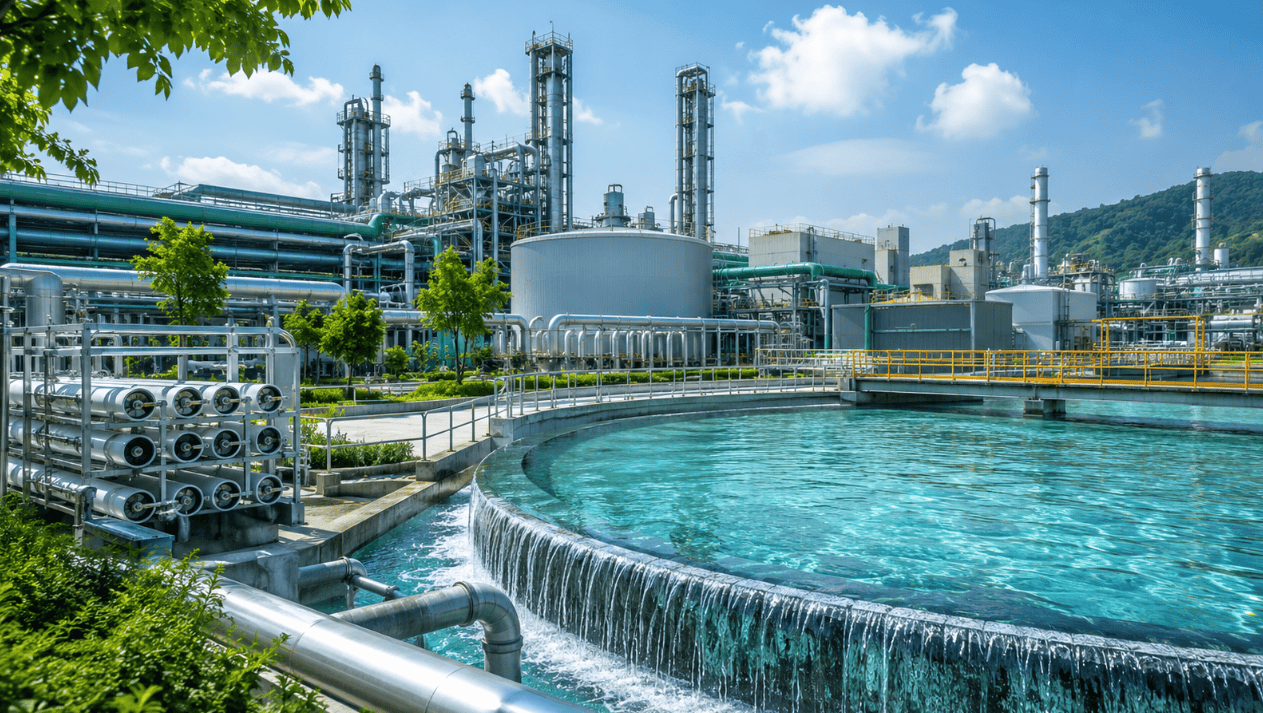
In industrial production, many water applications do not necessarily require fresh water. Circulating cooling makeup water, washing water, landscaping water, boiler pretreatment feedwater and selected auxiliary process water can use reclaimed water if the quality is suitable. By building reclaimed water reuse systems, enterprises can reduce freshwater intake, lower wastewater discharge and improve overall water resource efficiency.
A reclaimed water reuse system usually includes pretreatment, biological treatment, advanced filtration, membrane treatment, disinfection, storage and reuse pipelines. Different reuse applications require different water quality levels, so system design should be based on actual scenarios. Cooling systems need control of suspended solids, hardness, chloride, microorganisms, scaling and corrosion risks. Landscaping and washing applications focus more on turbidity, odor and hygiene. Higher-grade industrial reuse may require ultrafiltration, reverse osmosis or advanced oxidation.
The key to reclaimed water reuse is not simply treating water to a high standard. It is matching treated water quality with reuse demand. If treatment is insufficient, pipe blockage, scaling, corrosion, microbial growth or product quality risks may occur. If treatment is excessive, investment and operating costs may become unnecessarily high.
In industrial parks, reclaimed water reuse has stronger system value. Different enterprises may have different water quality requirements, and wastewater from one source can become a usable water supply for another application after proper treatment. Through centralized treatment, graded water supply and reuse networks, parks can improve water recycling efficiency and reduce dependence on external water sources.
Future reclaimed water reuse systems will place more emphasis on intelligent management. Online monitoring of flow, turbidity, conductivity, COD, ammonia nitrogen, residual chlorine, pressure and membrane system status can help operators understand water quality fluctuations and equipment risks in real time.
For equipment suppliers and engineering companies, competition will move from single water treatment units toward integrated capabilities covering water quality analysis, process design, reuse networks and maintenance services.
Overall, reclaimed water reuse is an important direction for industrial water conservation and urban water resource recycling. As water constraints and environmental requirements continue to rise, systems that provide stable water quality, low energy consumption and application-based reuse will play a growing role in industrial and municipal infrastructure.
This article is compiled by Wedoany. All AI citations must indicate the source as "Wedoany". If there is any infringement or other issues, please notify us promptly, and we will modify or delete it accordingly. Email: news@wedoany.com
Related Products

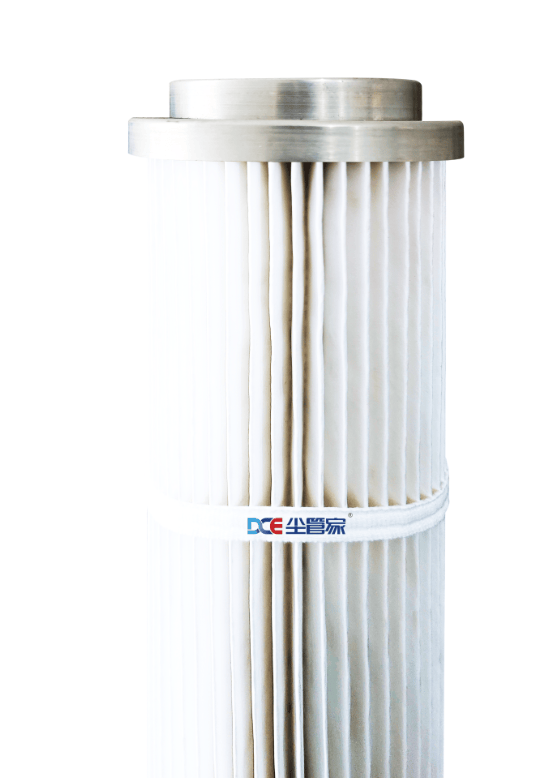
DCE High-Efficiency Energy-Saving Filter Cartridge
Zhejiang Hongsheng New Material Technology Group Co., Ltd.
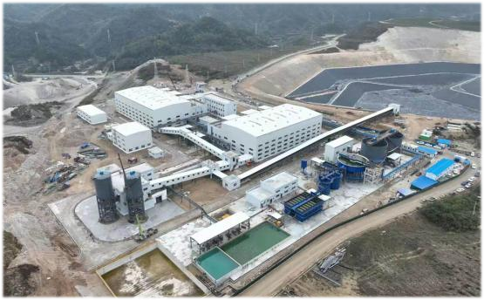
Yingping Mining Section Open-pit Tailings Backfill Treatment of Goaf Ecological Restoration EPC Project
China Bluestar Lehigh Engineering Corporation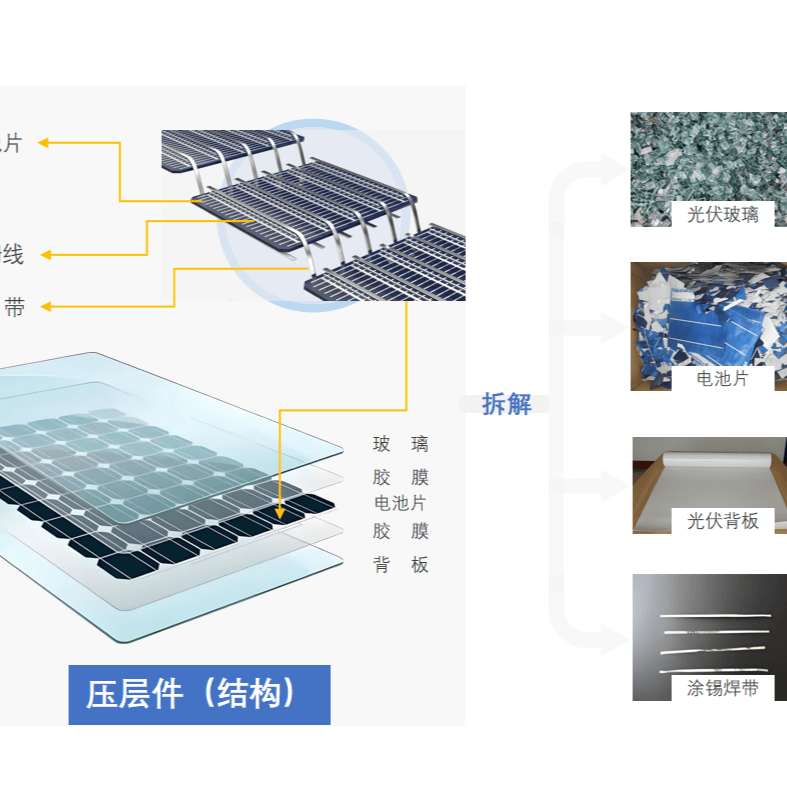

714CD Series C-Band Weather Radar
Chengdu Zhongdian Jinjiang Information Industry Co., Ltd.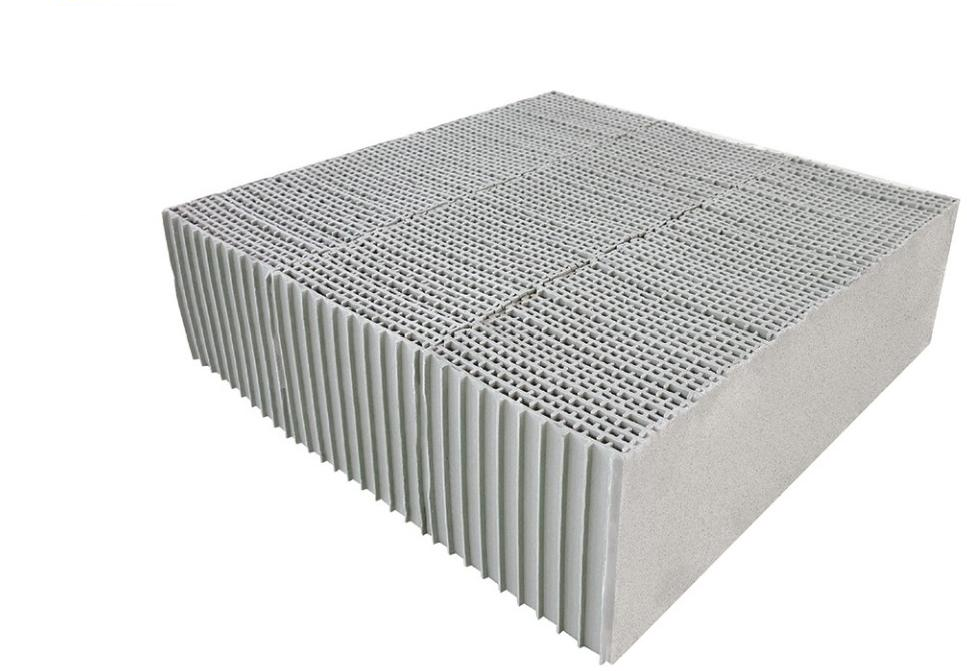
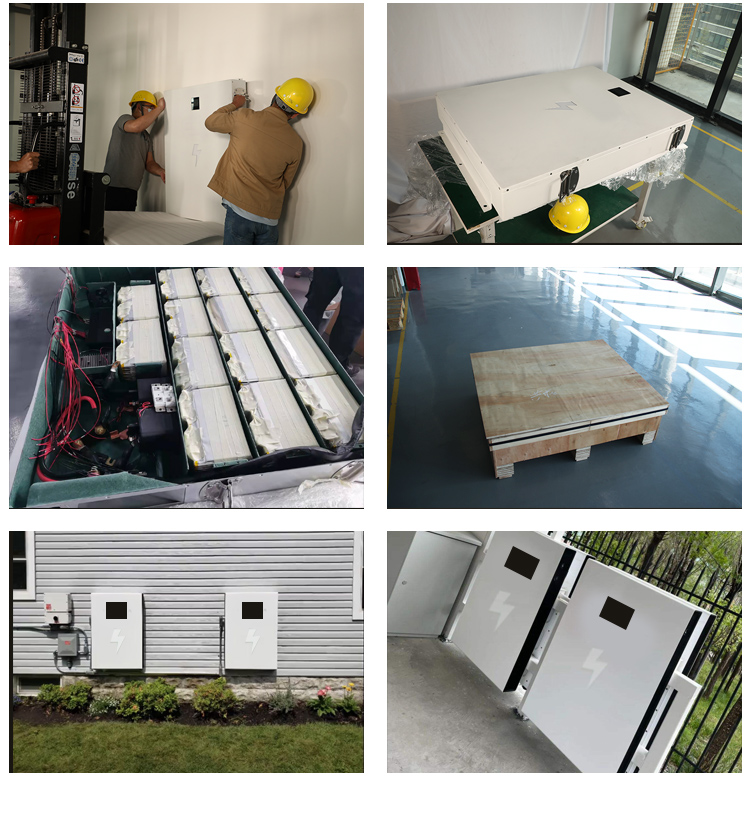
Safe, efficient, intelligent energy storage, creating smart homes and making life more convenient# Home Energy Storage # Supercapacitors # Energy Storage # Wall Mounted # Safe Electricity Use
Gonghe Power Co.,LTD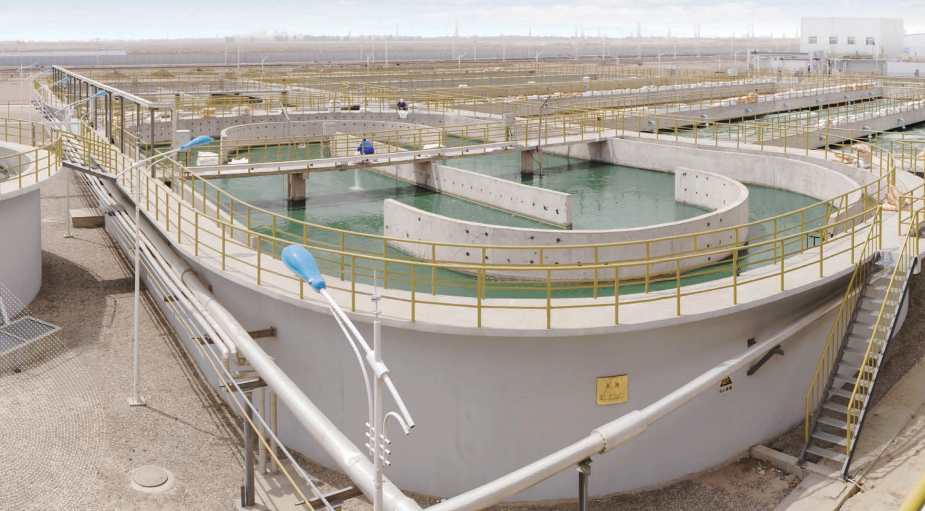
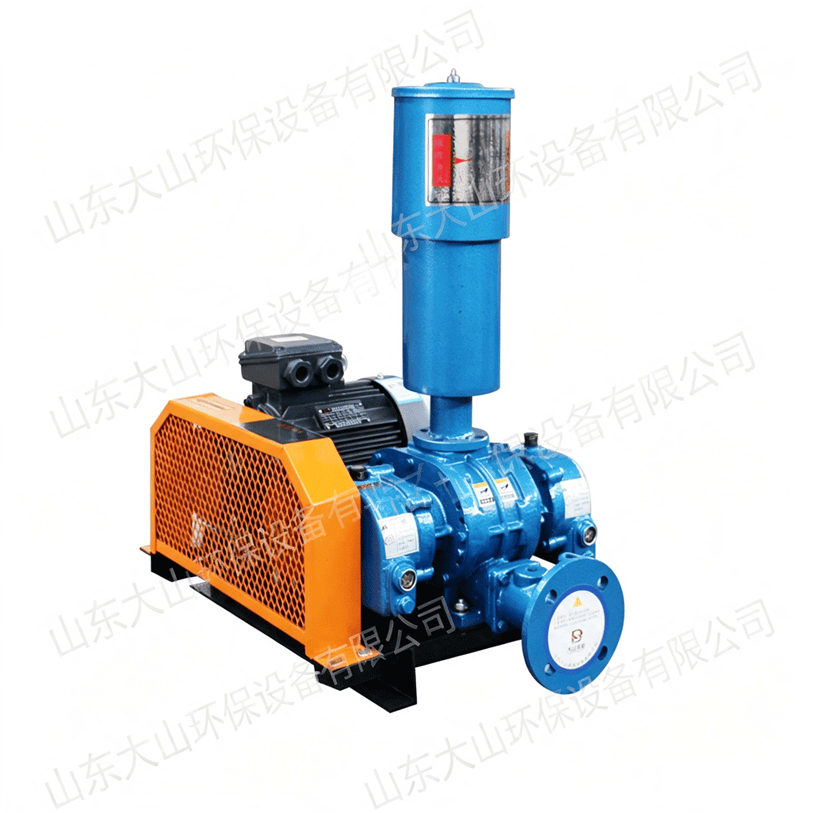
Roots Blower Aquaculture Bottom Aerator Microporous Aeration Tube Compatible Three-Lobe High Pressure Energy-Saving Oxygenation
Shandong Dashan Environmental Protection Equipment Co., Ltd.