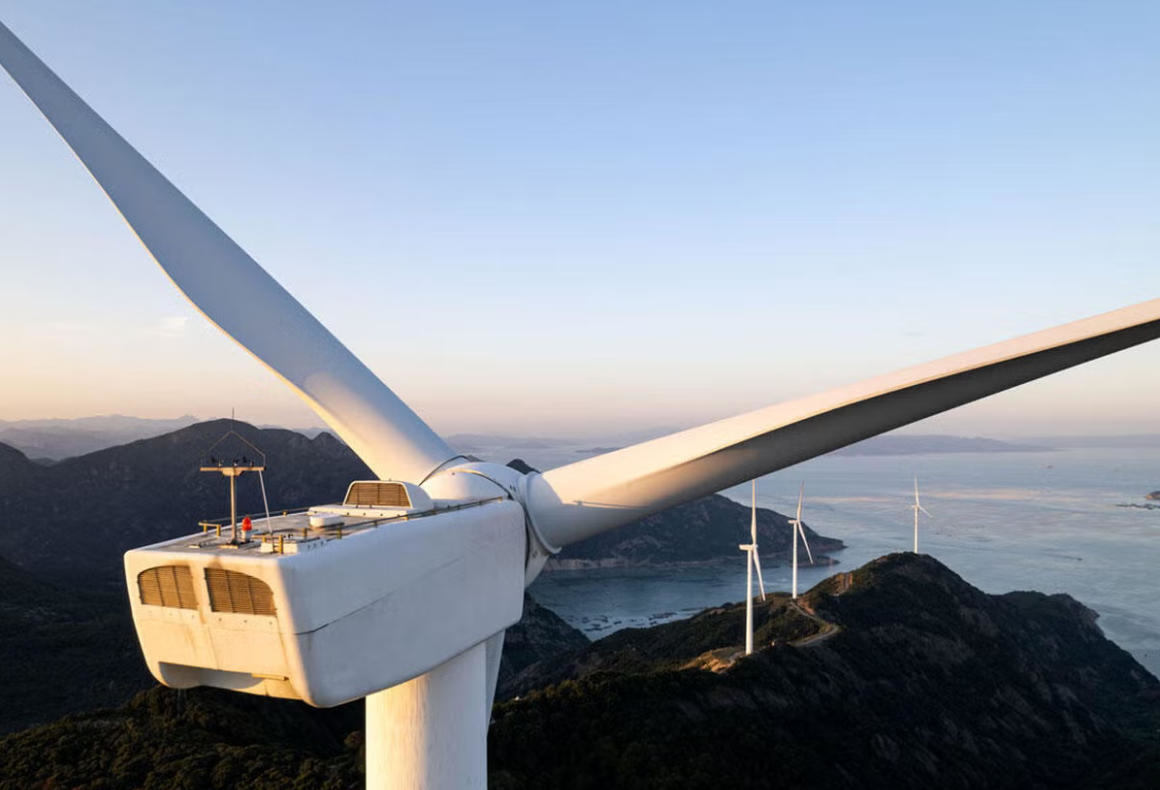
en.Wedoany.com Reported - Cyberattacks, infrastructure sabotage, and the activities of Russia's "shadow fleet" are turning the Baltic Sea into one of Europe's most sensitive security zones, with offshore wind power now regarded as strategic infrastructure rather than a purely climate project. According to the Polish Wind Energy Association (PSEW), energy security, critical infrastructure protection, cybersecurity, and system resilience constitute the main topics of the association's 2026 conference (held from June 8 to 10 in Świnoujście).
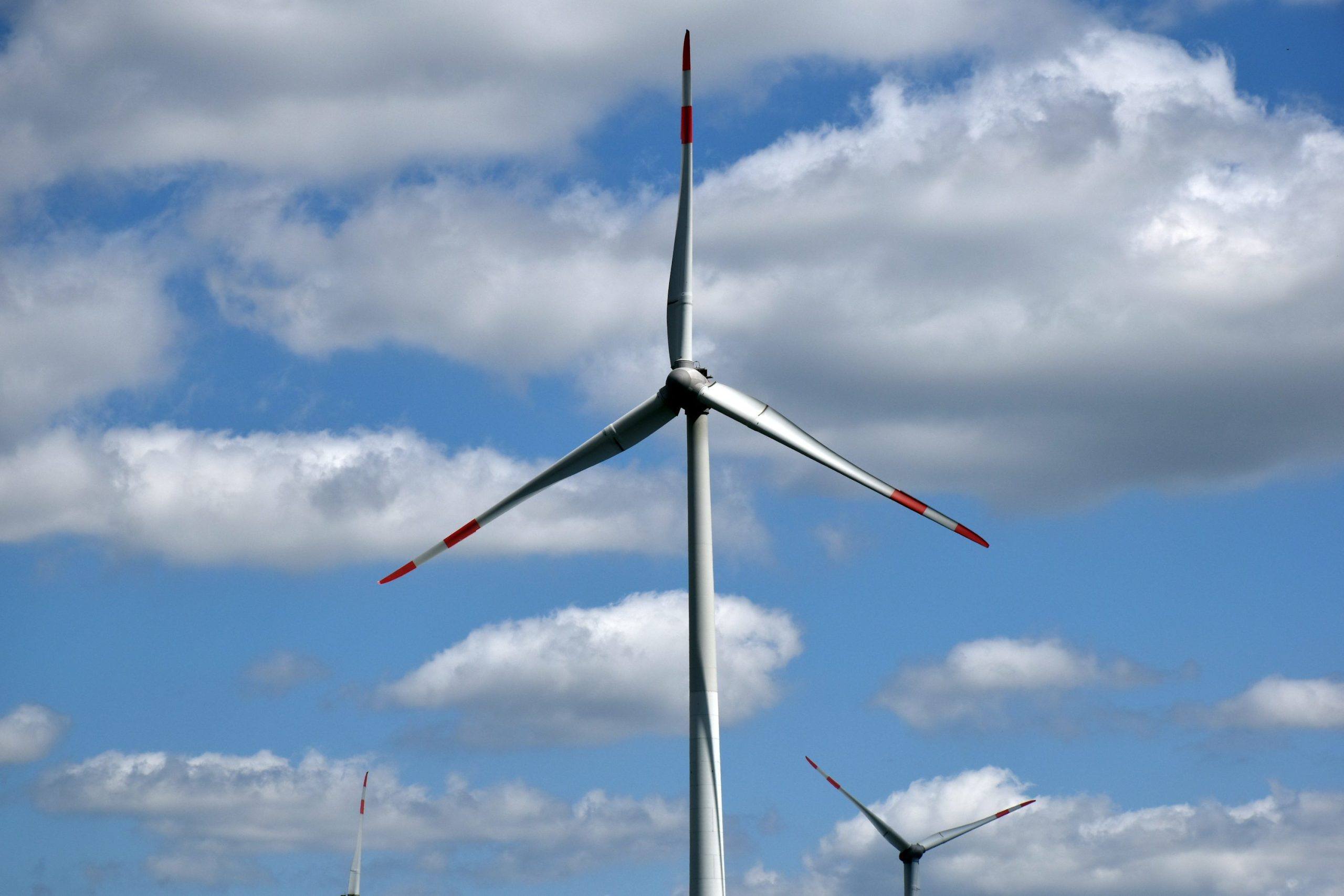
Poland's offshore wind farms are already subject to stringent defense and border protection requirements. Investors must assess the impact of projects on radar, surveillance, radio communication, and air traffic systems used by the military and the Border Guard, and prepare expert reports that require approval from the Ministry of Defense and the Ministry of Interior before obtaining construction permits; any compensatory or additional security measures are borne by the investors.
Janusz Gajowiecki, President of PSEW, stated that the legislation being advanced will formally designate offshore wind farms as critical infrastructure, bringing new obligations in physical and cybersecurity, crisis management, and threat monitoring. In actual operations, operators will have to deploy systems to detect and record nearby vessels, underwater objects, and drones, with substations and cable routes receiving special protection.
The association noted that Poland is one of the countries most affected by cyberattacks in the region, with public institutions recording up to several thousand incidents per week in 2025, though no successful attack has yet caused severe damage to energy infrastructure. PSEW believes the industry is not starting from scratch: investors, transmission operators, and administrative bodies have been establishing joint security procedures for years, while NATO's "Baltic Sentry" operation has enhanced patrols and underwater monitoring. The association concludes that the future of offshore wind power will equally depend on resilience, technology, and financing.
This article is compiled by Wedoany. All AI citations must indicate the source as "Wedoany". If there is any infringement or other issues, please notify us promptly, and we will modify or delete it accordingly. Email: news@wedoany.com