ECUST Team Reveals Degradation Mechanism of Low-Silver Heterojunction Solar Cells
en.Wedoany.com Reported - Researchers at East China University of Science and Technology (ECUST) have investigated the degradation mechanism of low-silver electrodes in heterojunction (HJT) solar cells, aiming to provide design guidelines for manufacturing photovoltaic modules that are both cost-competitive and highly efficient.
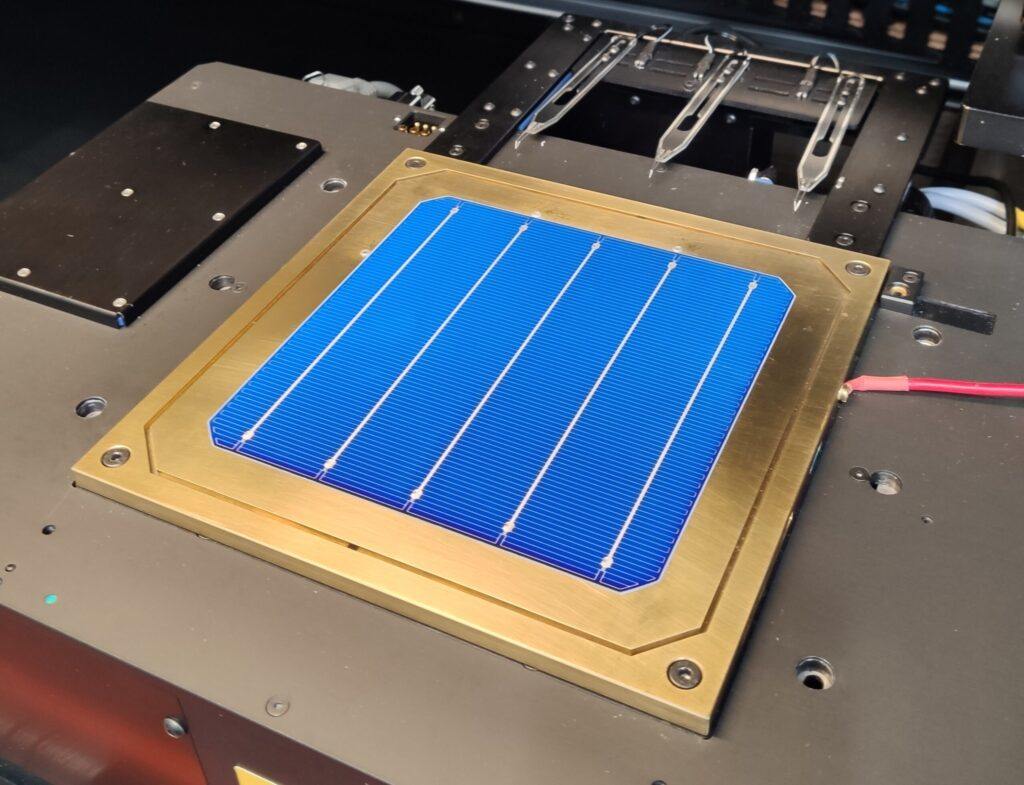
Xiaojun Ye, corresponding author of the study, told pv magazine that the research systematically examined the thermal aging behavior of silver (Ag)-coated copper (Cu) electrodes in HJT solar cells, finding that interdiffusion between the silver and copper layers leads to a significant increase in contact resistance. The study not only elucidates the underlying degradation mechanism but also provides critical guidance for designing cost-effective and reliable metallization strategies for HJT solar cell modules.
The research is based on the premise that the thermal aging behavior of silver-coated copper electrodes, particularly the thin silver shell used in commercial pastes, is not yet fully understood. To address this, scientists focused on the degradation process under accelerated aging conditions, correlating microstructural evolution and interdiffusion phenomena with electrical performance and long-term reliability.
In the experiments, the researchers used a silver-coated copper paste composed of core-shell particles, submicron silver powder, and an epoxy resin matrix, with particle sizes ranging from 2 to 4 micrometers and a silver shell thickness of approximately 70 nanometers. The paste was screen-printed onto n-type monocrystalline silicon wafers, then dried at 150°C and cured at 195°C.
The electrical performance of the silver-coated copper electrodes was evaluated using the transmission line method (TLM). Analysis showed that both line resistance (Rline) and contact resistivity (ρc) increased with aging time and exhibited a strong temperature dependence. Additionally, contact resistivity was significantly more sensitive to temperature than line resistance, indicating that interfacial degradation is the primary factor leading to electrical performance failure.
Using techniques such as energy-dispersive X-ray spectroscopy (EDS), focused ion beam scanning electron microscopy (FIB-SEM), and X-ray diffraction (XRD), the researchers confirmed that degradation is primarily driven by interdiffusion between silver and copper, as well as defect formation.
The research team concluded that the electrical behavior is governed by two competing processes: on one hand, sintering improves inter-particle contact, temporarily enhancing electrical connections; on the other hand, interdiffusion between silver and copper and defect formation progressively degrade the internal structure. As aging progresses, the second process becomes dominant, causing the originally continuous conductive network to break into isolated and poorly connected paths, forcing electrons to travel through more tortuous and discontinuous structures, ultimately leading to severe long-term electrical performance degradation.
The scholars emphasized that theoretical analysis indicates interfacial diffusion and void evolution are the main factors determining long-term reliability under actual operating conditions, making enhanced interfacial stability crucial for improving device durability.
The research findings were published as a paper in Solar Energy Materials and Solar Cells, titled "Thermal aging-induced interdiffusion and reliability degradation in low-silver electrodes for SHJ solar cells." The study provides key insights into balancing silver reduction with long-term module reliability in HJT technology.
This article is compiled by Wedoany. All AI citations must indicate the source as "Wedoany". If there is any infringement or other issues, please notify us promptly, and we will modify or delete it accordingly. Email: news@wedoany.com
Related Products


CAP1400 main feedwater flow nozzle flowmeter.
Jiangsu Hongda Instrument Technology Co., LTD.
Hydrogen production and hydrogenation charging refueling gas integrated energy station
Shenzhen Kohodo Hydrogen Energy Co., Ltd.

Yingping Mining Section Open-pit Tailings Backfill Treatment of Goaf Ecological Restoration EPC Project
China Bluestar Lehigh Engineering Corporation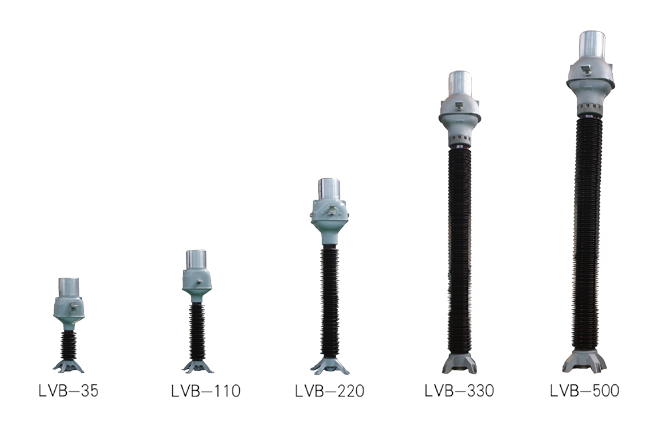
LVB Series 35-500kV Oil-immersed Inverted Current Transformer
Shandong TaiKai Instrument Transformer Co., Ltd.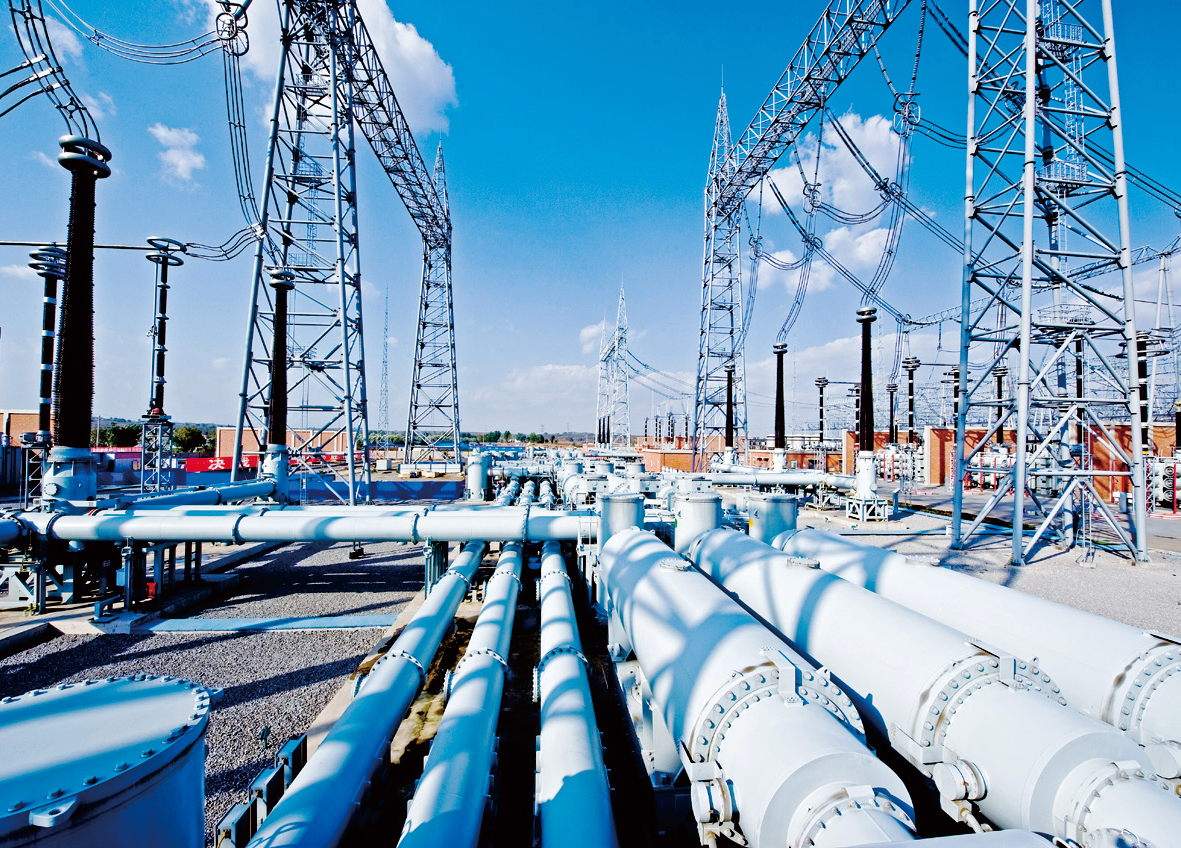
40.5kV-1100kV Gas Insulated Metal-Enclosed Switchgear (GIS)
Henan Pinggao Electric Co., Ltd.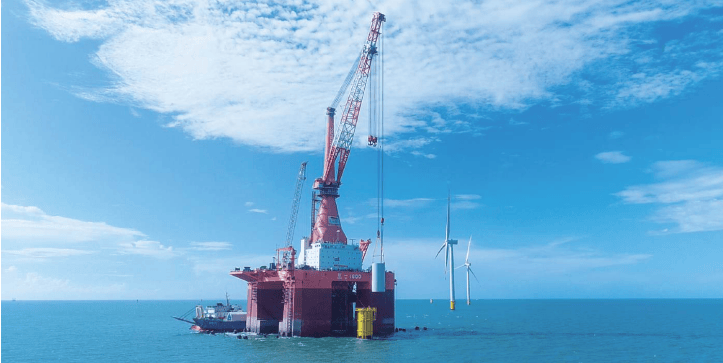
"Shunyi 1600" Deep-submerging Bottom-sitting Multi-functional Wind Power Engineering Vessel
Zhengli Offshore Engineering Co., Ltd.