en.Wedoany.com Reported - Algeria has confirmed that its $7 billion integrated phosphate development project remains on track for completion in the first quarter of 2027, a key initiative to expand the country's mineral industry output and exports.
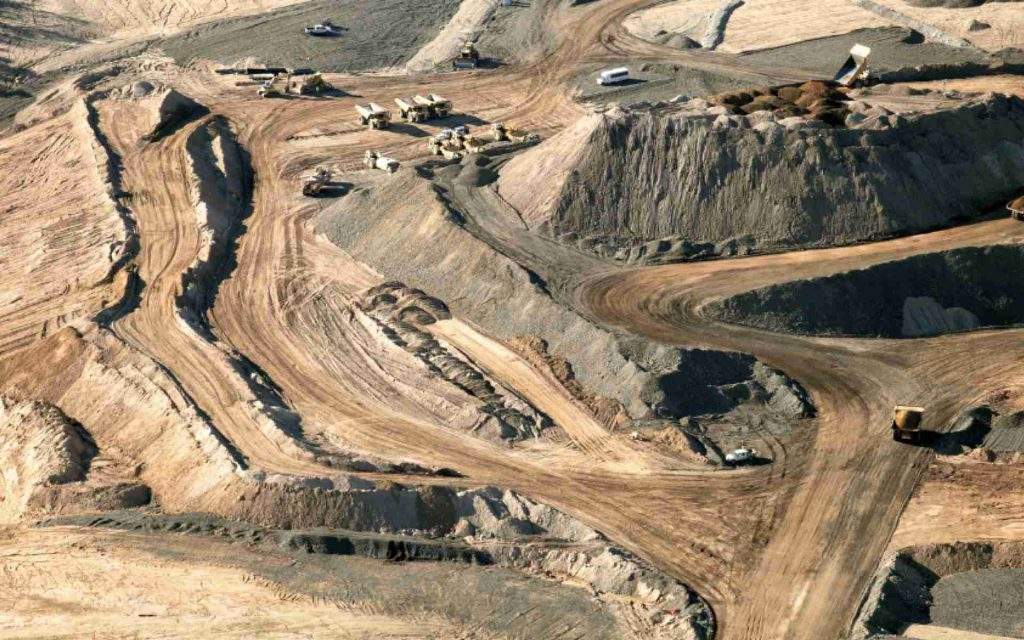
Centered on the Bled El Hadba deposit in Tébessa province, the project was launched in 2021. Initial investment estimates were around $3 billion, but the total investment has grown significantly with the expansion of infrastructure and processing requirements.
Led by Sonatrach, along with other public sector entities, the project aims to integrate mining, processing, and logistics into a unified industrial value chain.
A key component of the project is the construction of a 400-kilometer railway line connecting the mining site to the port, facilitating large-scale exports and supporting domestic fertilizer distribution after production begins.
Upon completion, annual phosphate production is expected to increase from approximately 2.5 million tons to about 10.5 million tons, representing a fourfold increase in national capacity.
Most of the processed phosphate will be converted into ammonia and urea fertilizers, with an initial annual production estimated at around 5.4 million tons, targeting both domestic agricultural needs and international markets.
With nearly 3 billion tons of phosphate reserves, Algeria views this project as one of its strategic initiatives to diversify the economy, modernize the hydrocarbon sector, and attract new investment.
This article is compiled by Wedoany. All AI citations must indicate the source as "Wedoany". If there is any infringement or other issues, please notify us promptly, and we will modify or delete it accordingly. Email: news@wedoany.com