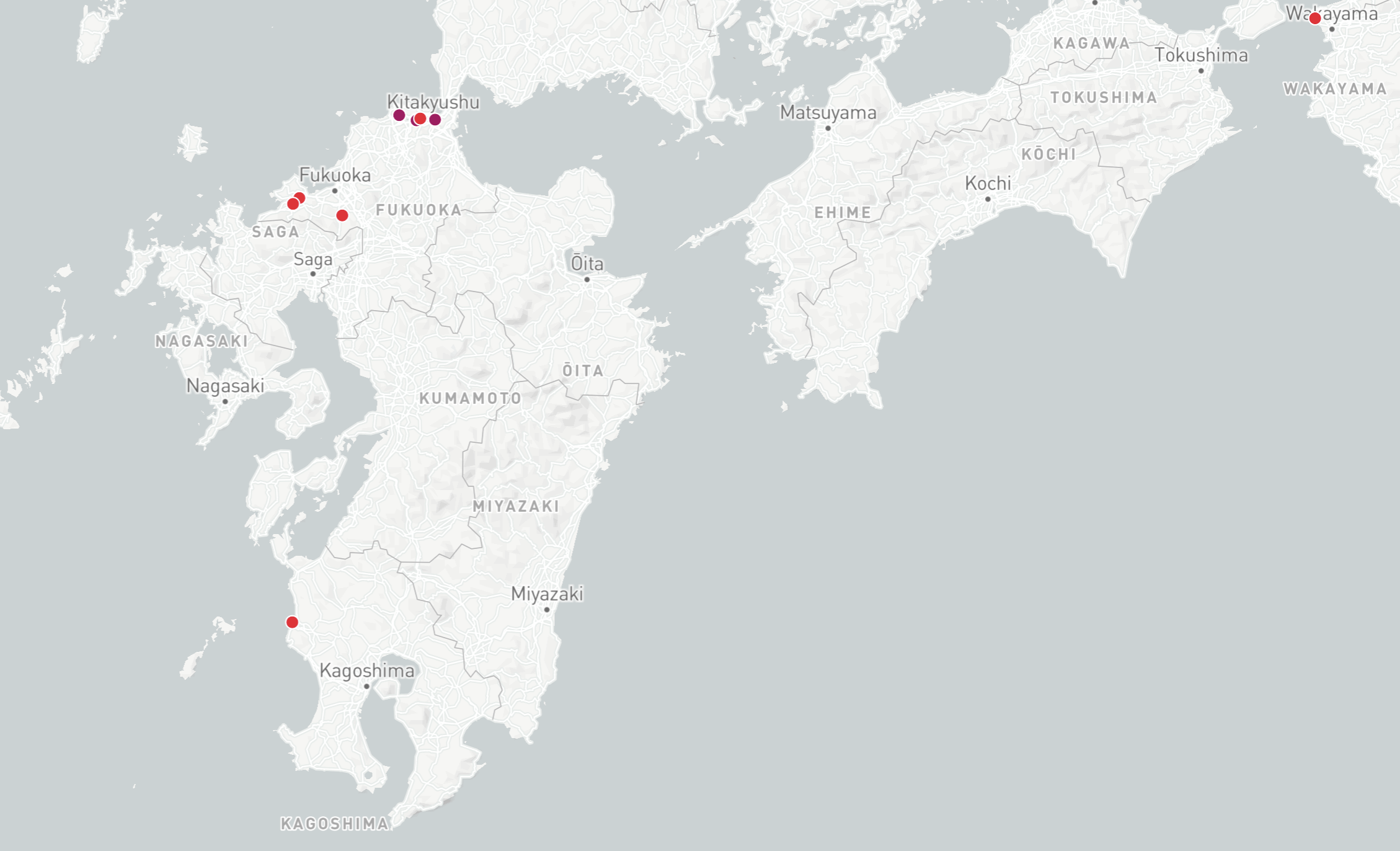
en.Wedoany.com Reported - The Kyushu region is emerging as a new focal point in Japan's data center market, with early signs of demand shifting away from the core Tokyo area. Analysts at DC Byte note that Kyushu, Japan's southernmost main island encompassing major cities such as Fukuoka and Nagasaki, has seen a marked increase in interest from hyperscale cloud providers over the past two years.
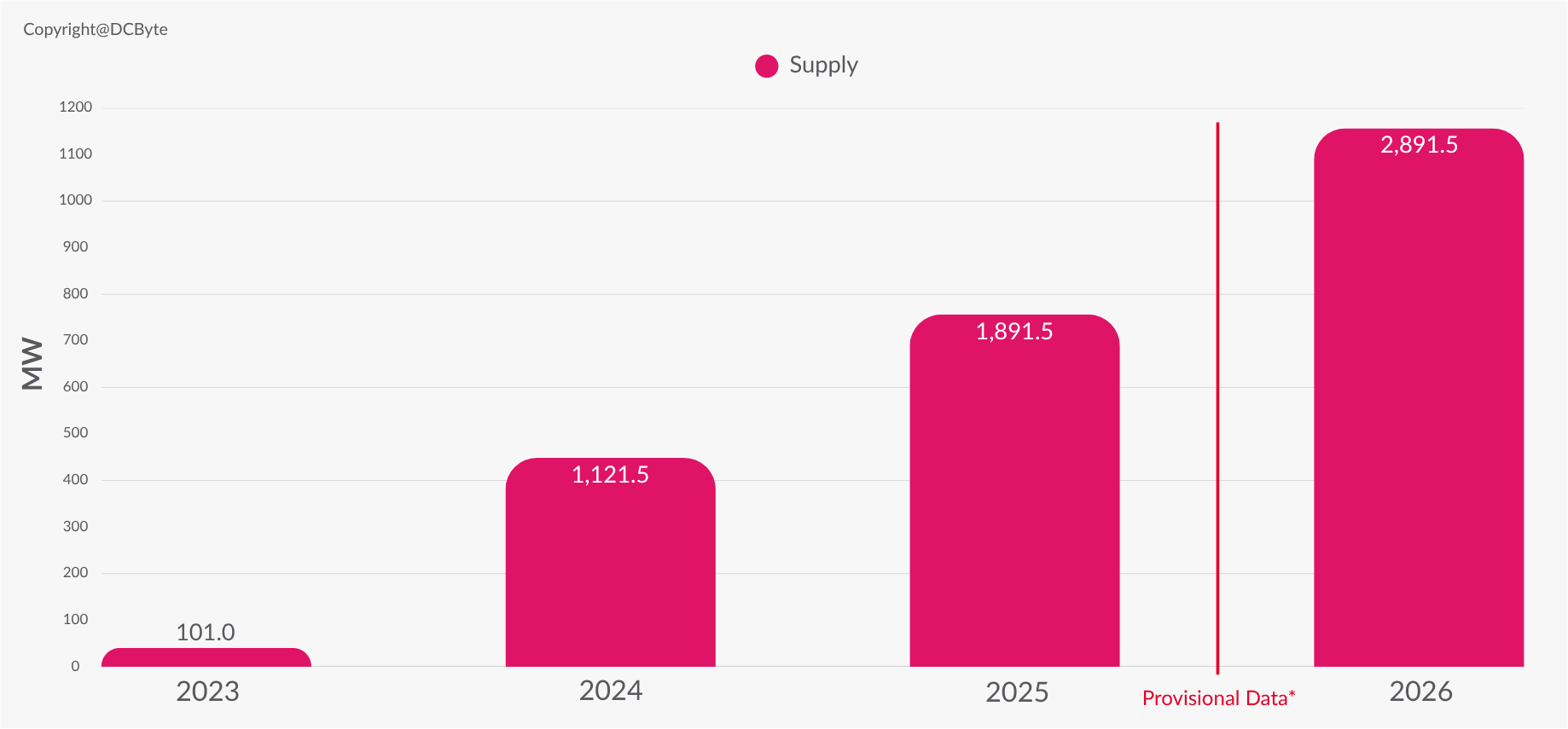
As of June 2026, the Kyushu data center market remains relatively small, with an active capacity of approximately 21 MW. However, since 2023, the island's planned capacity has surged from around 101 MW to roughly 3 GW, driven primarily by hyperscale cloud providers and major operators. DC Byte cautions that these planned projects have barely entered the construction phase, and some interest may be speculative in nature.
Tokyo remains Japan's core demand market, benefiting from well-established infrastructure and submarine cables connecting to the Americas and Asia-Pacific. However, since 2024, growth in the Tokyo Bay area has stabilized, facing multiple constraints: commercial power access requires 8 to 10 years, far longer than in other parts of Japan; construction bottlenecks are prominent; and land costs in central and western areas are prohibitively high for hyperscale cloud providers. These factors are driving demand toward alternative markets such as Osaka and Kyushu.
Tokyo's commercial electricity prices fall within the country's median range, at 25 to 33 yen per kWh. In contrast, Kyushu offers some of the cheapest energy costs in the nation, typically 10% to 15% lower than eastern Japan. The island leads the country in geothermal and solar power generation, with an estimated 40% of Japan's renewable energy output coming from Kyushu—an attractive proposition for operators seeking low-cost power and enhanced sustainability credentials.
Near major cities like Nagasaki and Fukuoka, Kyushu offers abundant land at reasonable prices. This has driven a trend distinct from Tokyo's colocation development model: 88% of Kyushu's planned projects are self-built, indicating that hyperscale cloud providers are exploring alternatives to colocation. Kyushu also boasts geographic advantages, being closer to East Asian business hubs such as Seoul and Shanghai than Tokyo, and featuring extensive submarine cable connections to South Korea, China, and other Asia-Pacific regions, making it suitable as a strategic hub for cross-border cloud zones and similar operations.
This article is compiled by Wedoany. All AI citations must indicate the source as "Wedoany". If there is any infringement or other issues, please notify us promptly, and we will modify or delete it accordingly. Email: news@wedoany.com