en.Wedoany.com Reported - Building shading systems have evolved from outdoor accessories into key installations affecting residential energy efficiency and indoor comfort. María Herranz, Director of the Renovation Market at Leroy Merlin España in Spain, points out that planning shaded areas in a home directly impacts temperature control, energy consumption, and the actual usability of outdoor spaces, with its importance surpassing aesthetic or temporary comfort needs.
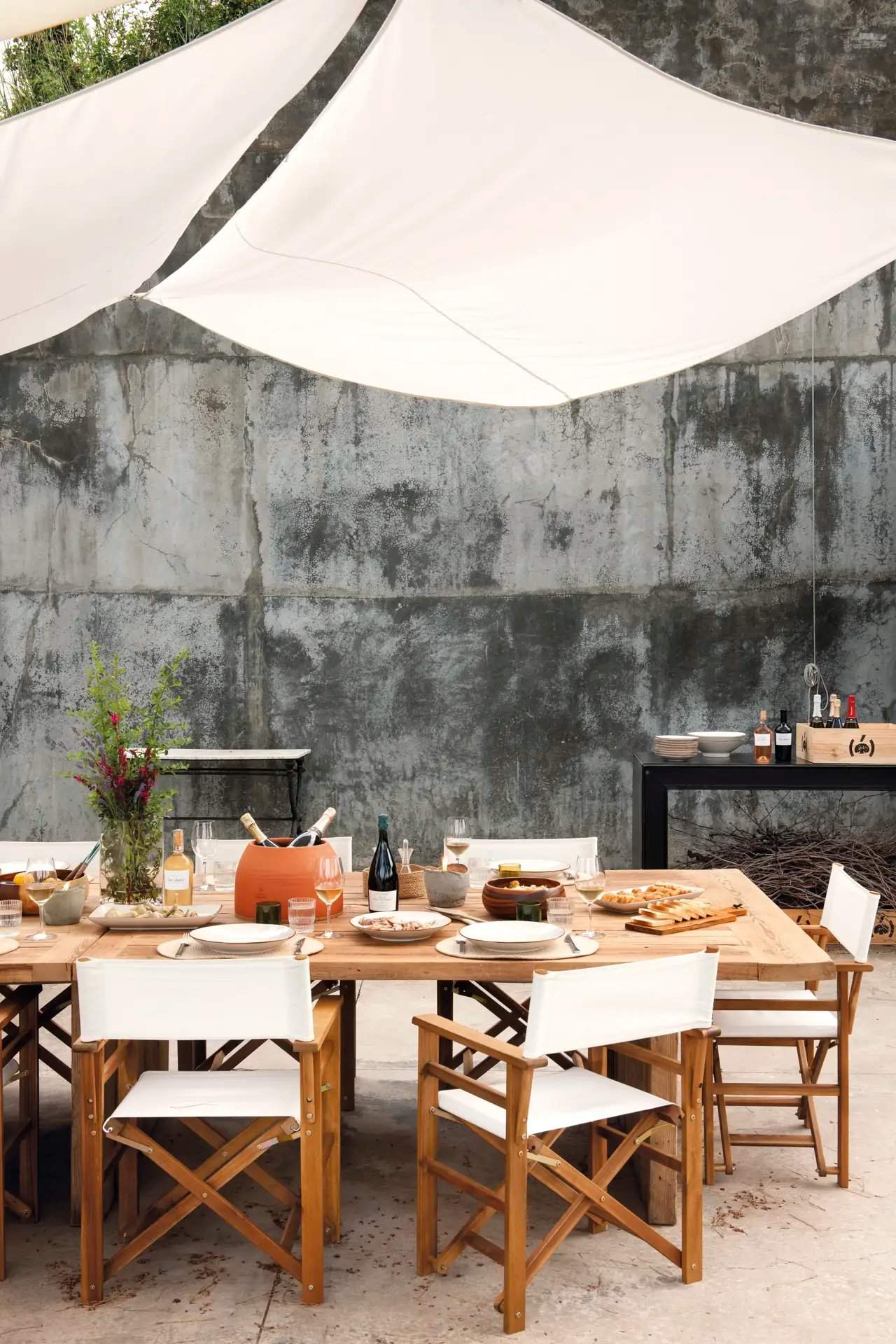
Shading systems help keep interiors cool by reducing heat ingress, thereby lowering the need for air conditioning and improving home energy efficiency. Herranz explains that well-designed shading can also extend the usable time of outdoor spaces and prevent furniture, textiles, and flooring from aging due to sun exposure. Choosing a specific solution requires considering three key factors: orientation determines sunlight patterns, with strong afternoon sun in the west, gentle morning sun in the east, constant sun in the south, and indirect light in the north; the size and layout of the space directly influence product type selection, with needs varying for small balconies, spacious terraces, and gardens; and climatic conditions dictate the durability requirements for materials and structures, with hot, windy, or heavy rainfall environments demanding more robust solutions.
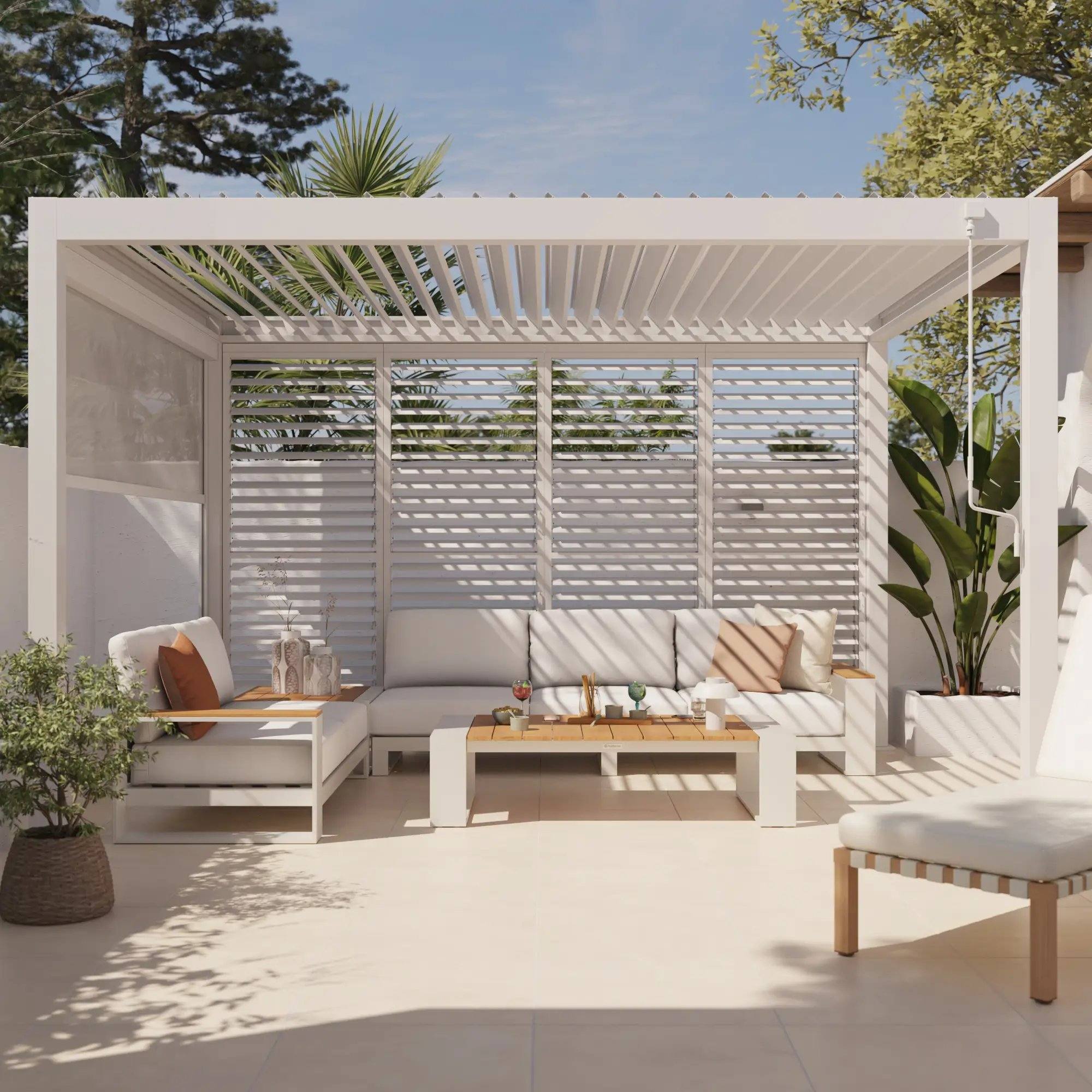
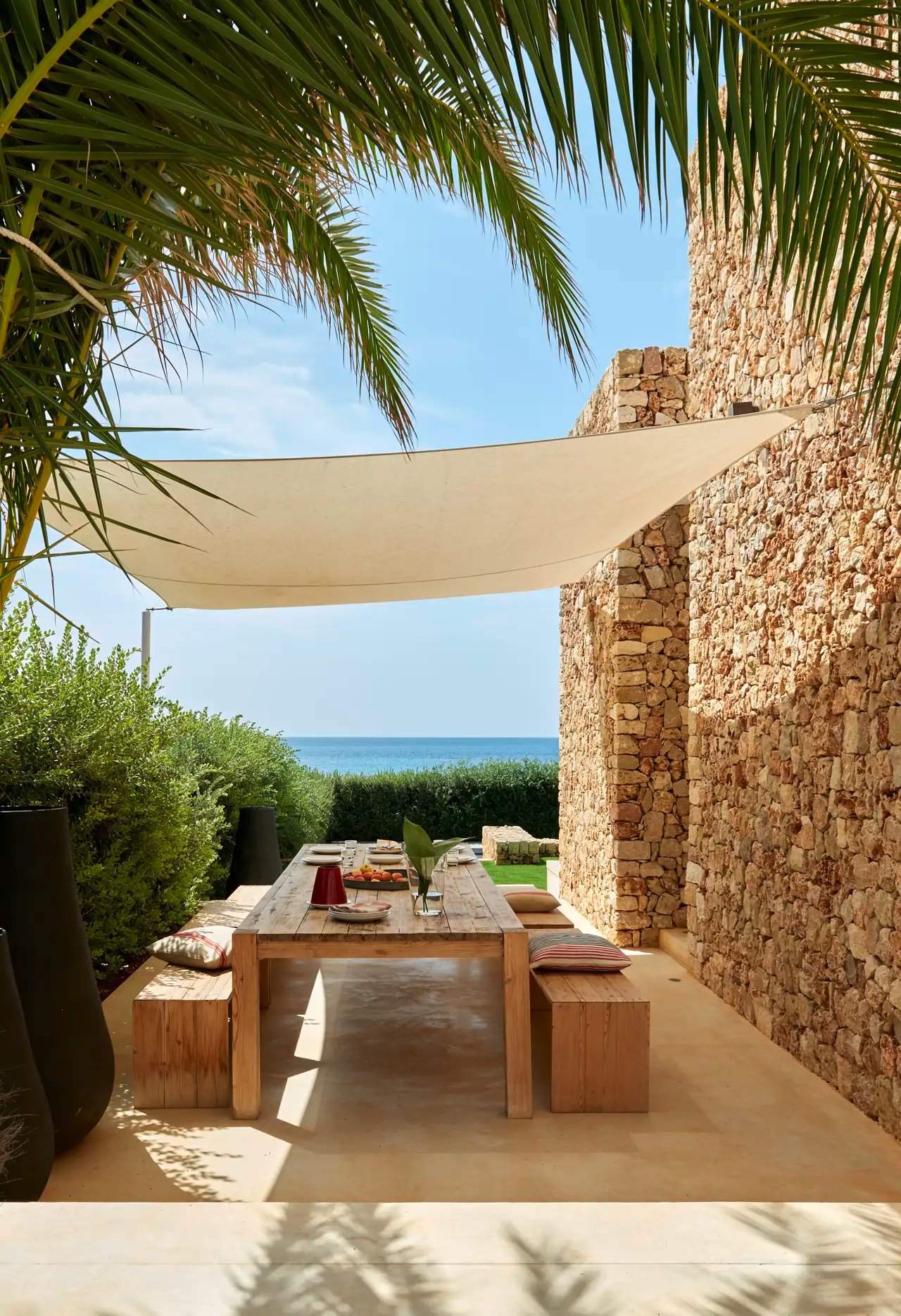
Among common shading products, awnings are considered the most versatile option, suitable for terraces, balconies, and windows, with automated versions developing rapidly in recent years. The combination of automation, climate sensors, and high-performance materials enhances year-round spatial comfort. Bioclimatic pergolas control light and ventilation through adjustable slats, creating a more complete outdoor environment. Umbrellas and sunshades are suitable for small spaces or homes needing flexible solutions.
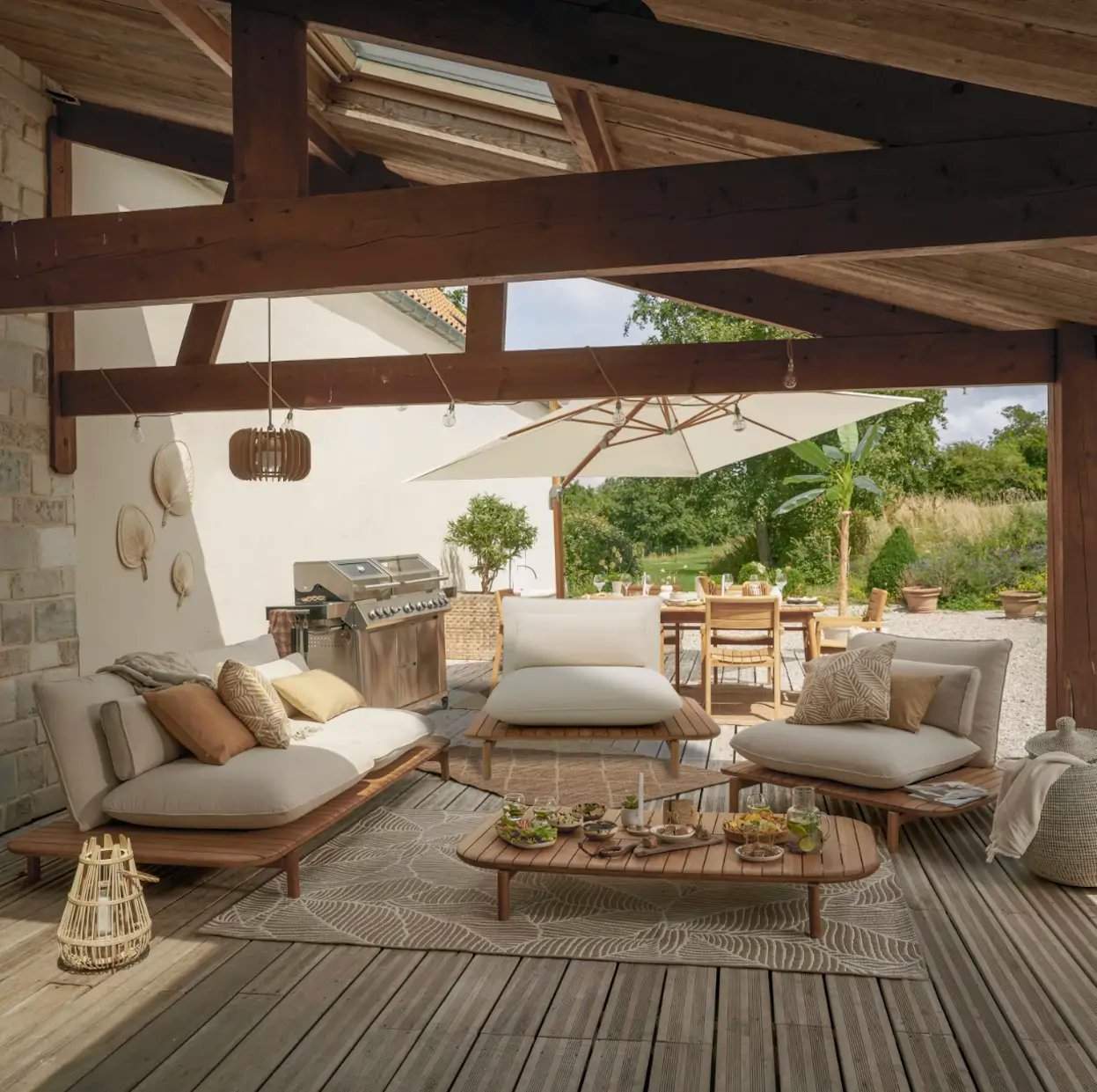
Material selection is key to determining shading effectiveness. Herranz states that acrylic fiber effectively resists solar radiation and maintains color, providing more efficient thermal protection and significantly enhancing shading comfort; polyester fiber is a basic, economical option suitable for areas with less sun exposure, but has limited durability. Regarding structural materials, aluminum is recommended for its lightness, corrosion resistance, and low maintenance, particularly suitable for exposed outdoor environments; steel is used for specific installations requiring higher strength.
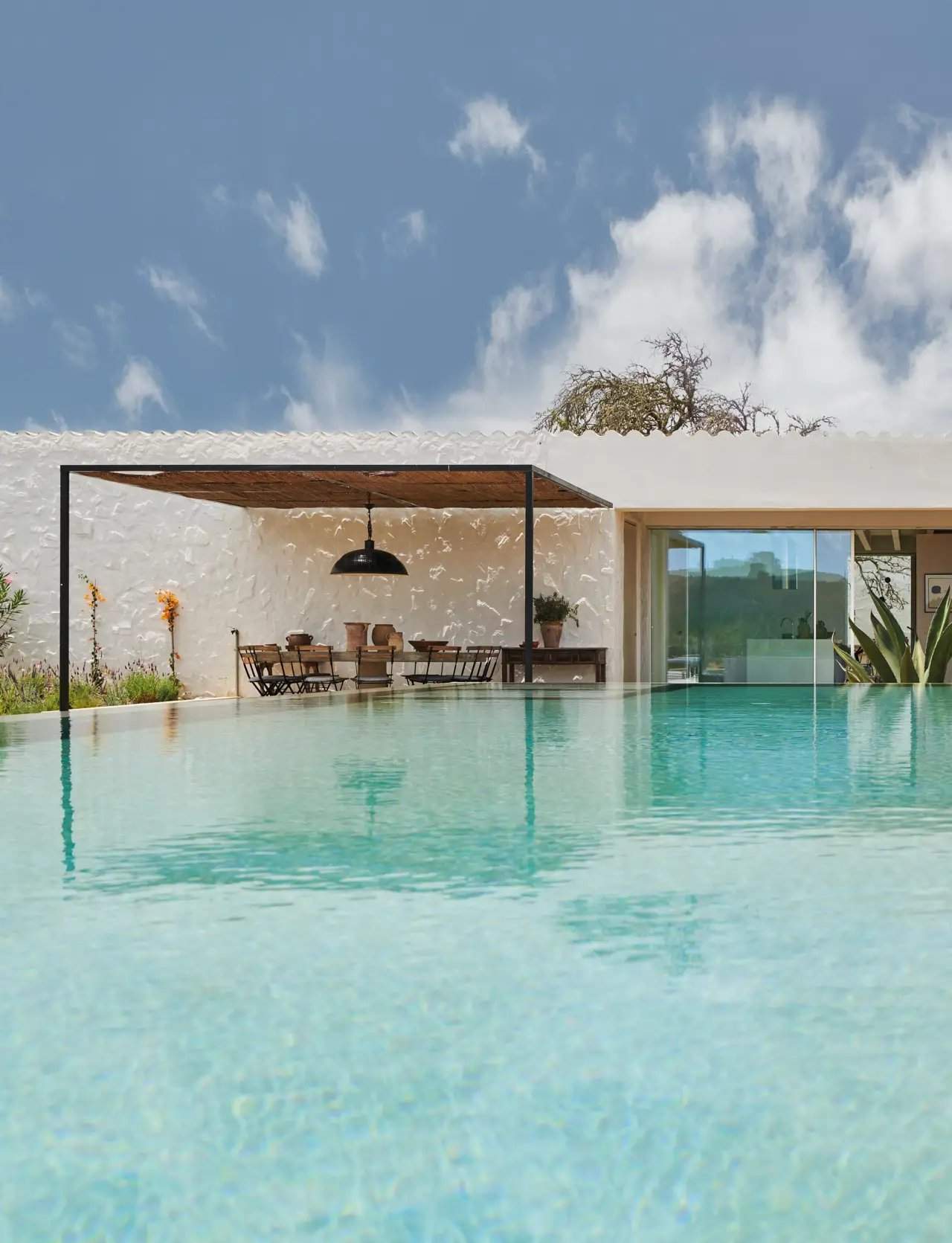
Herranz adds that properly planning shaded areas not only enhances daily usage experience but can also indirectly increase property value by creating better-equipped and more attractive outdoor spaces. This trend indicates that shading solutions are evolving from simple light-blocking tools into core components of residential energy-efficient design and outdoor space planning.
This article is compiled by Wedoany. All AI citations must indicate the source as "Wedoany". If there is any infringement or other issues, please notify us promptly, and we will modify or delete it accordingly. Email: news@wedoany.com