German MechSyn Develops Room-Temperature Mechanochemical Synthesis Process for Chromium Carbide, Achieving Conductivity Far Exceeding Commercial Products
en.Wedoany.com Reported - German company MechSyn has developed a new mechanochemical process for directly synthesizing phase-pure chromium carbide (Cr₃C₂) at room temperature, yielding materials with electrical conductivity far exceeding commercially available products.
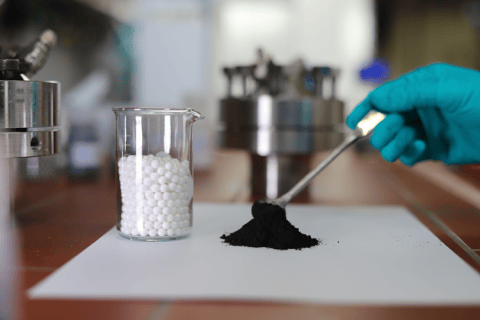
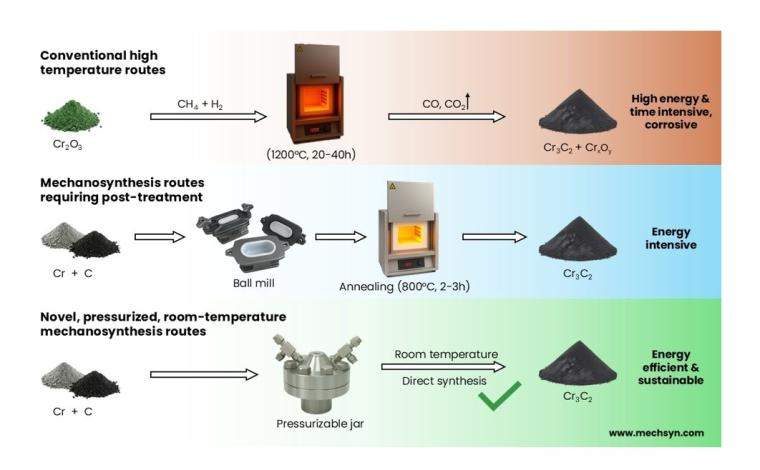
The findings were published in the journal RSC Mechanochemistry by the Royal Society of Chemistry. Traditional manufacturing of chromium carbide typically requires temperatures exceeding 1400°C and a strong reducing gas atmosphere. While earlier mechanochemical routes reduced thermal demands, they still required subsequent annealing at around 800°C. MechSyn's new method directly produces Cr₃C₂ with a phase purity exceeding 99% by ball-milling chromium and carbon powders under pressure, without the need for post-processing at high temperatures. The study shows that controlling reaction pressure enables phase-selective carbide formation under significantly milder conditions, demonstrating how mechanochemistry can harness mechanical energy to trigger chemical reactions in a targeted manner. Potential advantages include lower energy consumption, fewer heat treatment steps, and better control over material properties.
Beyond the low-temperature synthesis route, the study also reveals the impact of the mechanochemical process on material properties. Coatings prepared using mechanochemically synthesized Cr₃C₂ achieved an in-plane electrical conductivity of 6.7×10⁶ S/m, compared to only 2.3×10⁵ S/m for coatings based on commercially available Cr₃C₂. These coatings also exhibited significantly lower contact resistance, a critical parameter for fuel cell applications. The research team attributes this difference to reduced surface oxidation during synthesis and handling under inert conditions. These results are highly relevant to electrochemical energy technologies, where conductivity, interfacial resistance, and long-term stability directly affect component performance. Although chromium carbide serves as a model system, similar potential may exist in titanium carbide, molybdenum carbide, tungsten carbide, titanium nitride, and various boride systems, which are being extensively studied as catalyst supports, electrocatalysts, and conductive materials for batteries and fuel cells.
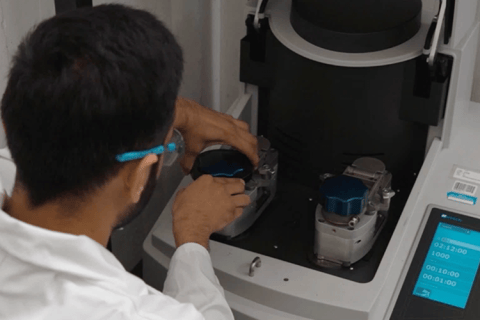
The synthesis concept has been validated at both laboratory and pilot scales. Current efforts focus on developing larger mechanochemical reactors to advance the technology toward industrial-scale production of high-performance carbide, nitride, and boride materials. These materials combine high electrical conductivity, chemical resistance, thermal stability, and mechanical strength, making them suitable for applications such as catalyst supports, electrolyzers, batteries, conductive ceramics, and semiconductor technologies.
This article is compiled by Wedoany. All AI citations must indicate the source as "Wedoany". If there is any infringement or other issues, please notify us promptly, and we will modify or delete it accordingly. Email: news@wedoany.com
Related Products




Industrial and Commercial Point-Type Gas Detector
Jinan Benan Technology Development Co., Ltd.
CAP1400 main feedwater flow nozzle flowmeter.
Jiangsu Hongda Instrument Technology Co., LTD.
Pneumatic high-pressure wear-resistant ball valve
Zhejiang Deca Control Valve Meter Co., Ltd.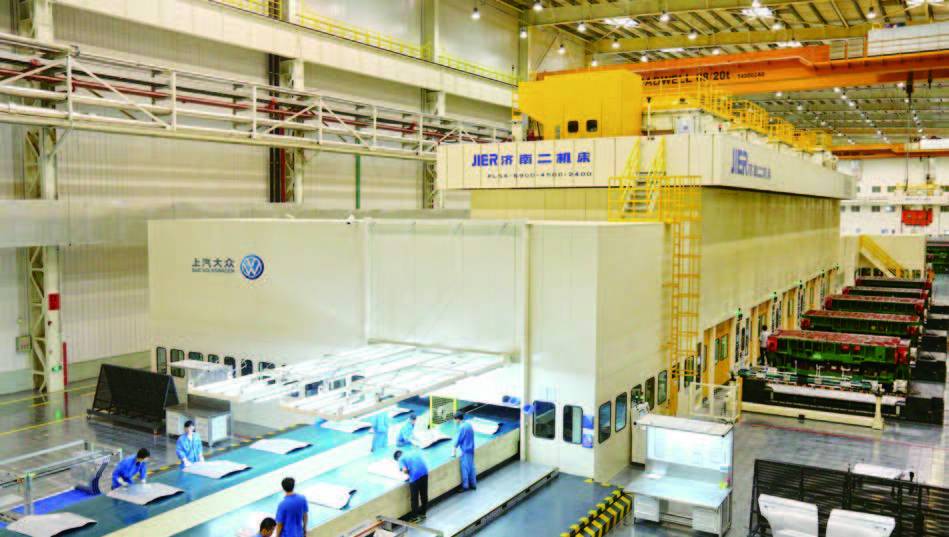
High-Speed Flexible Fully Automatic Stamping Production Line
JIER Machine-Tool Group Co., Ltd.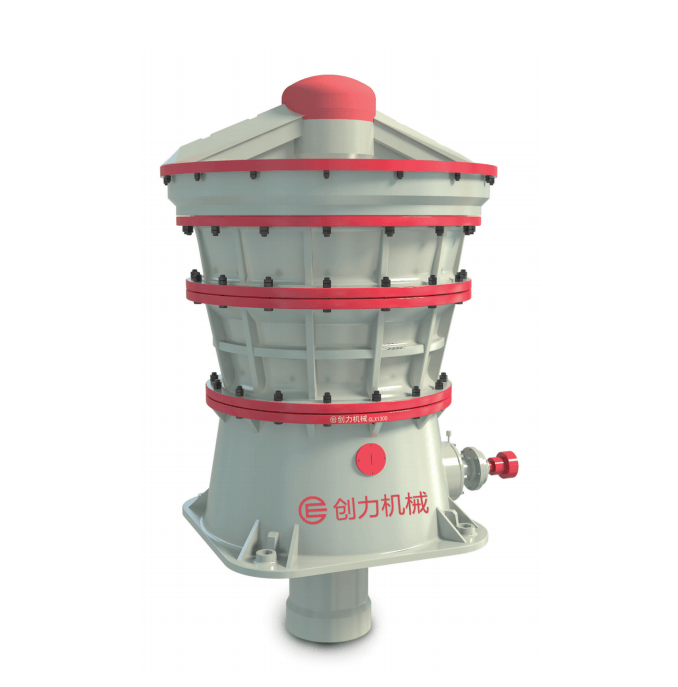
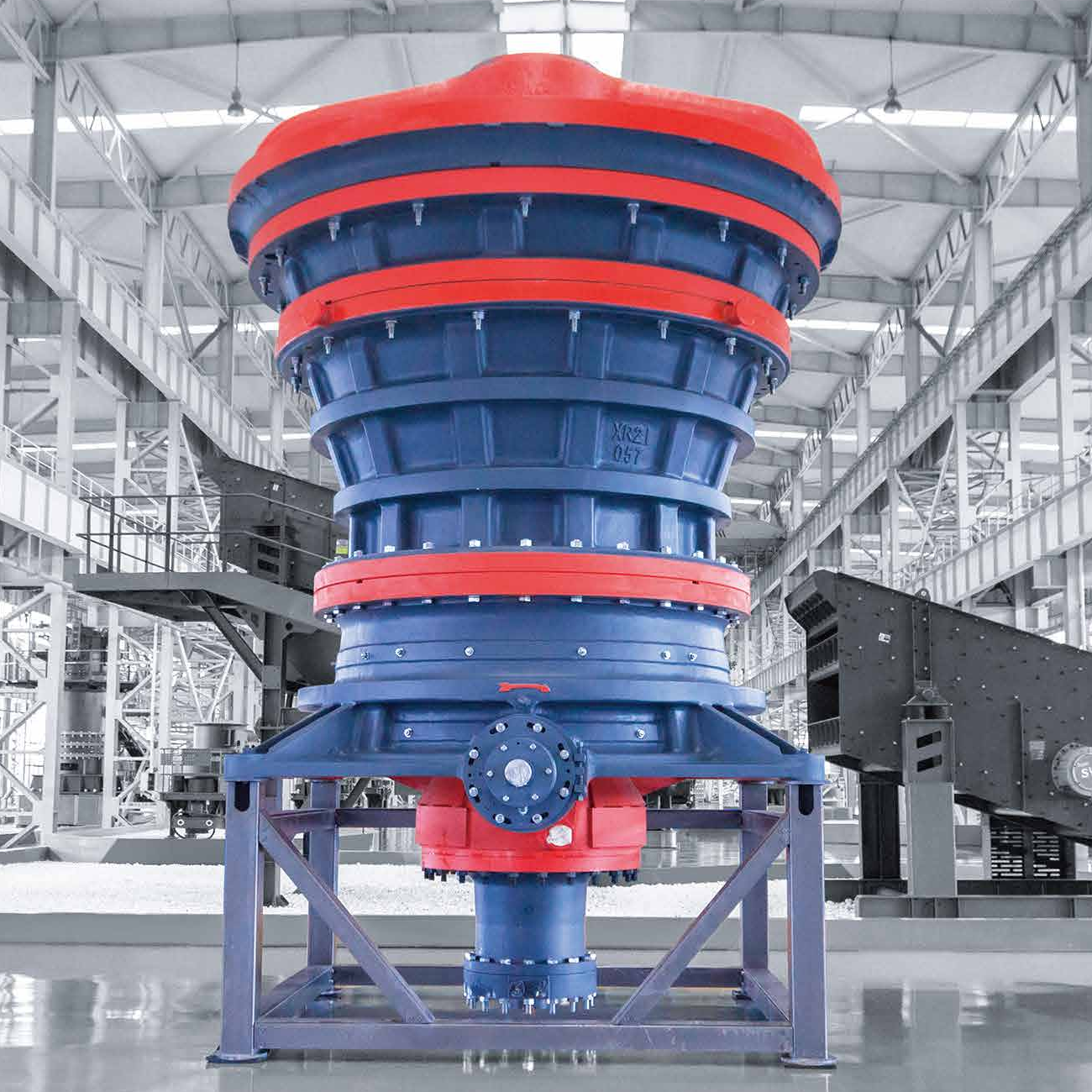
CLX Series Intelligent Hydraulic Gyratory Crusher
Guangdong CHUANGLI intelligent machinery Equipment Co., LTD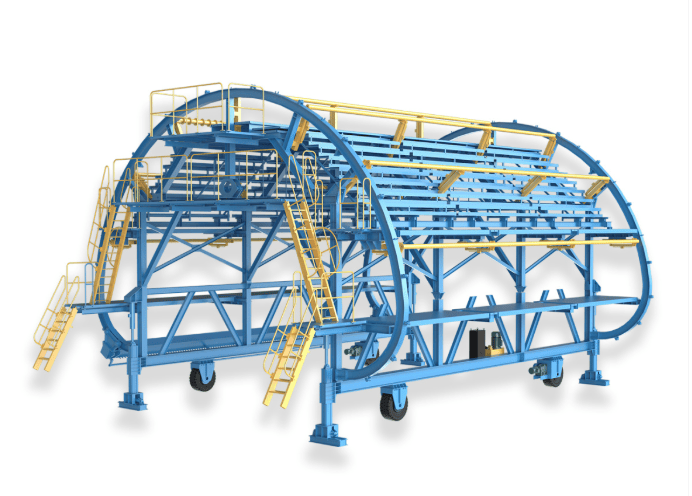
QLZNGJ Intelligent Steel Reinforcement Trolley
Luoyang China Railway Qiangli Machinery Co., Ltd.