UK Consortium Unveils 35% Lighter Aluminum Subframe
en.Wedoany.com Reported - A UK-led industry consortium announced on June 26, 2026, the development of an advanced cast aluminum automotive subframe. By combining virtual engineering with advanced casting technologies, the project aims to achieve significant weight reduction while potentially lowering development costs and accelerating production speed.
The achievement was unveiled at the "Cast Aluminum Future" event hosted by the Advanced Manufacturing Research Centre (AMRC) at the University of Sheffield. The components were developed through the "Performance Integrated Vehicle Optimization Technologies" (PIVOT) project, which had a total investment of £5.8 million. Compared to the original structures they replace on a demonstrator vehicle from a major UK automaker, the new front subframe is 17% lighter, while the rear subframe achieves a 35% weight reduction.
The project is led by Sarginsons Industries, a foundry company headquartered in Coventry. The consortium combined Sarginsons' proprietary aluminum casting technology with Siemens' topology optimization software to redesign the structural components. This approach, based on over two decades of material testing and microstructure analysis data, enables engineers to accurately predict aluminum's performance during the casting process before production begins. The technology allows structural castings to be validated in virtual crash simulations, reducing reliance on expensive physical testing and removing unnecessary material from the design.
Gavin Shipley, Technical Director of Sarginsons Industries, stated that the cost of a single physical crash test can reach up to £1 million. He noted that for decades, the only way to ensure safety was through over-engineering, compensating for uncertainty by adding mass and material. The consortium has demonstrated an alternative approach: by combining virtual engineering, artificial intelligence, and advanced casting expertise, it is possible to precisely understand component behavior before any metal is poured, enabling manufacturers to design based on real performance rather than worst-case assumptions.
Following the successful virtual development project, the front subframe will proceed to the tooling stage, followed by physical durability testing and track evaluation on a demonstrator vehicle to validate the digital engineering approach. The PIVOT project is supported by the UK's Advanced Propulsion Centre. The consortium brings together Sarginsons Industries, Aston Martin, Siemens, Brunel University, and GESCRAP to drive innovation in advanced aluminum manufacturing. The project demonstrates how UK expertise in digital engineering, casting, and materials science can help develop lighter, more sustainable automotive structures while enhancing the country's advanced manufacturing capabilities.
This article is compiled by Wedoany. All AI citations must indicate the source as "Wedoany". If there is any infringement or other issues, please notify us promptly, and we will modify or delete it accordingly. Email: news@wedoany.com
Related Products
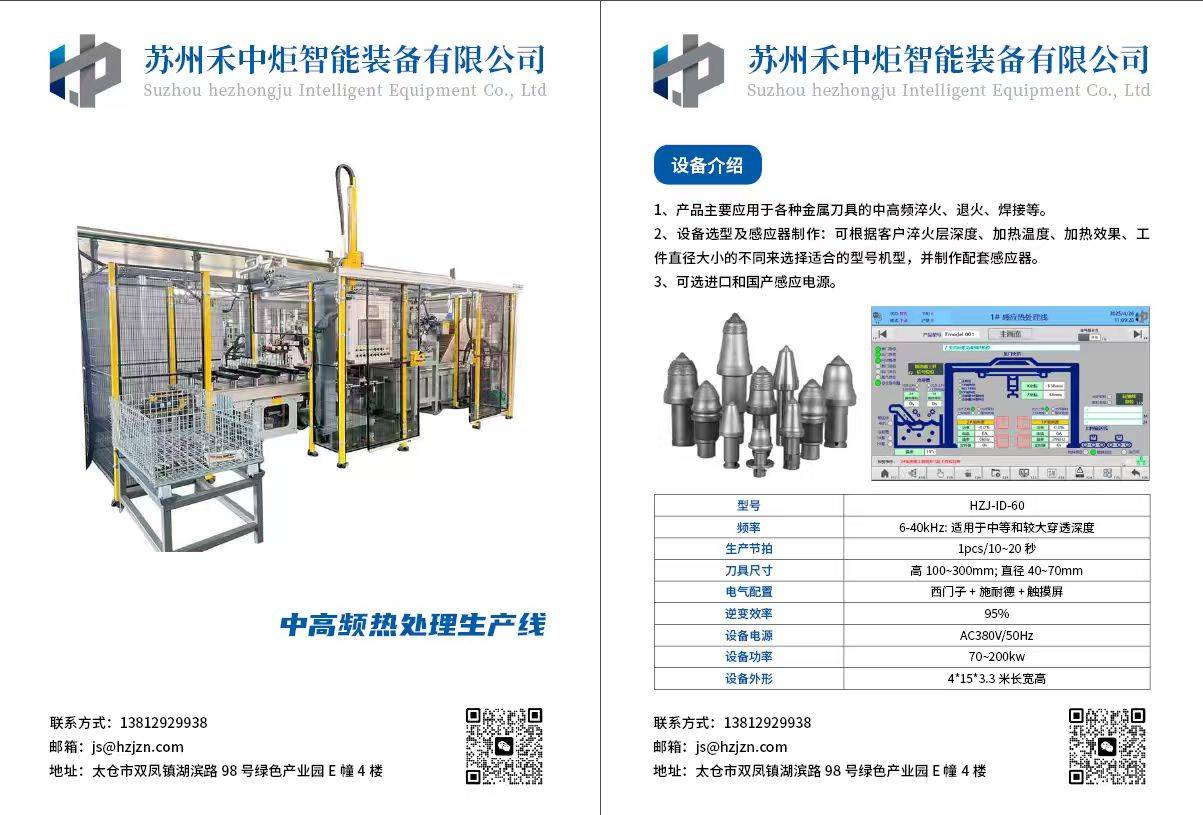

Excavator Bucket Teeth Heat Treatment Production Line
Suzhou Hezhongju Intelligent Equipment Co., Ltd.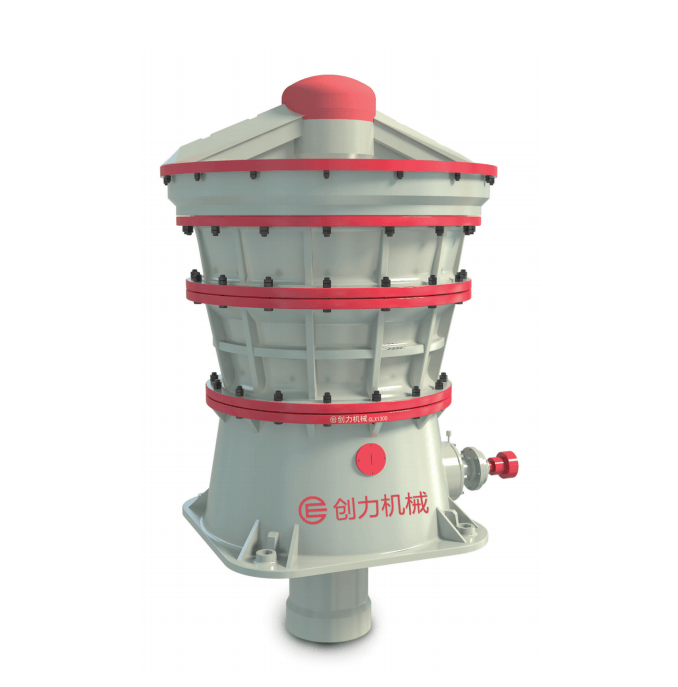
CLX Series Intelligent Hydraulic Gyratory Crusher
Guangdong CHUANGLI intelligent machinery Equipment Co., LTD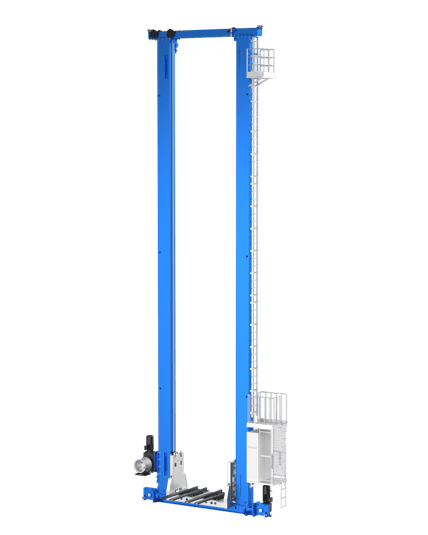
Pallet Solutions Product Line: HD3000 Double-Column Stacker Crane
Zhongding Intelligent (Wuxi) Technology Co., Ltd.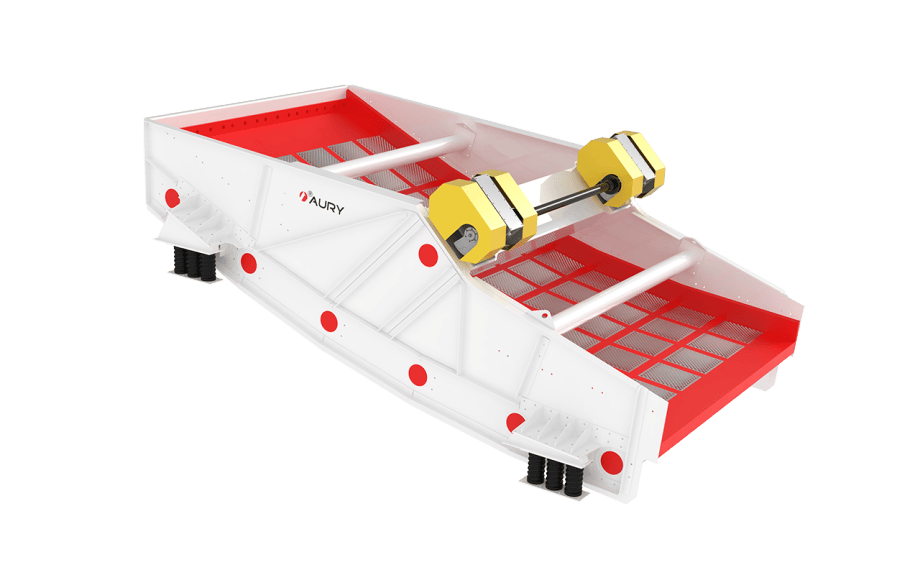
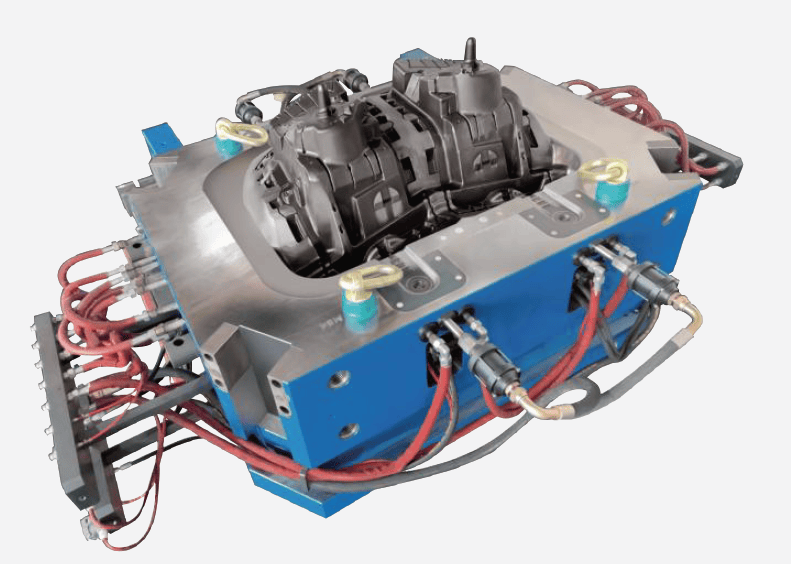
Aluminum-Magnesium Alloy High-Pressure Die-Casting Molds
NINGBO HELI TECHNOLOGY CO., LTD.
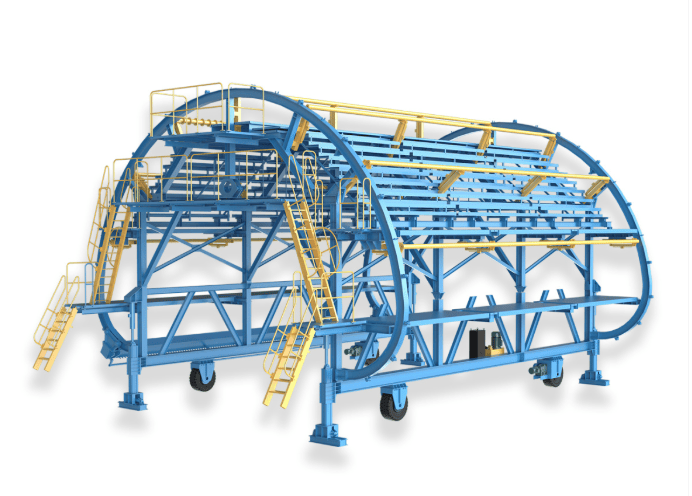
QLZNGJ Intelligent Steel Reinforcement Trolley
Luoyang China Railway Qiangli Machinery Co., Ltd.
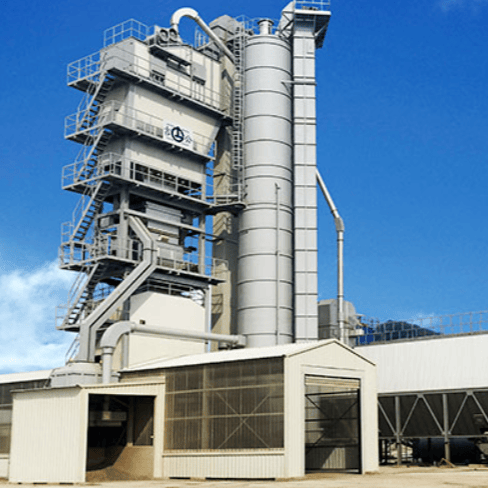
LBH4000 Batch Environmental Protection Asphalt Mixing Plant | Asphalt Batching Plant | Asphalt Mixing Plant
Jilin Province Road Construction Machinery Co., Ltd.