en.Wedoany.com Reported - Simple Flying recently held an exclusive interview with Paulo Calitis, CEO of euroAtlantic Airways, at the International Air Transport Association (IATA) Annual General Meeting in Rio de Janeiro. Calitis outlined the company's long-term strategy, emphasizing growth while maintaining operational discipline, and plans to retain both Boeing and Airbus fleets to enhance competitiveness. Having served at AirBaltic for over three decades, he is now at a critical juncture of expansion and transformation for this Portuguese ACMI (Aircraft, Crew, Maintenance, and Insurance) operator.
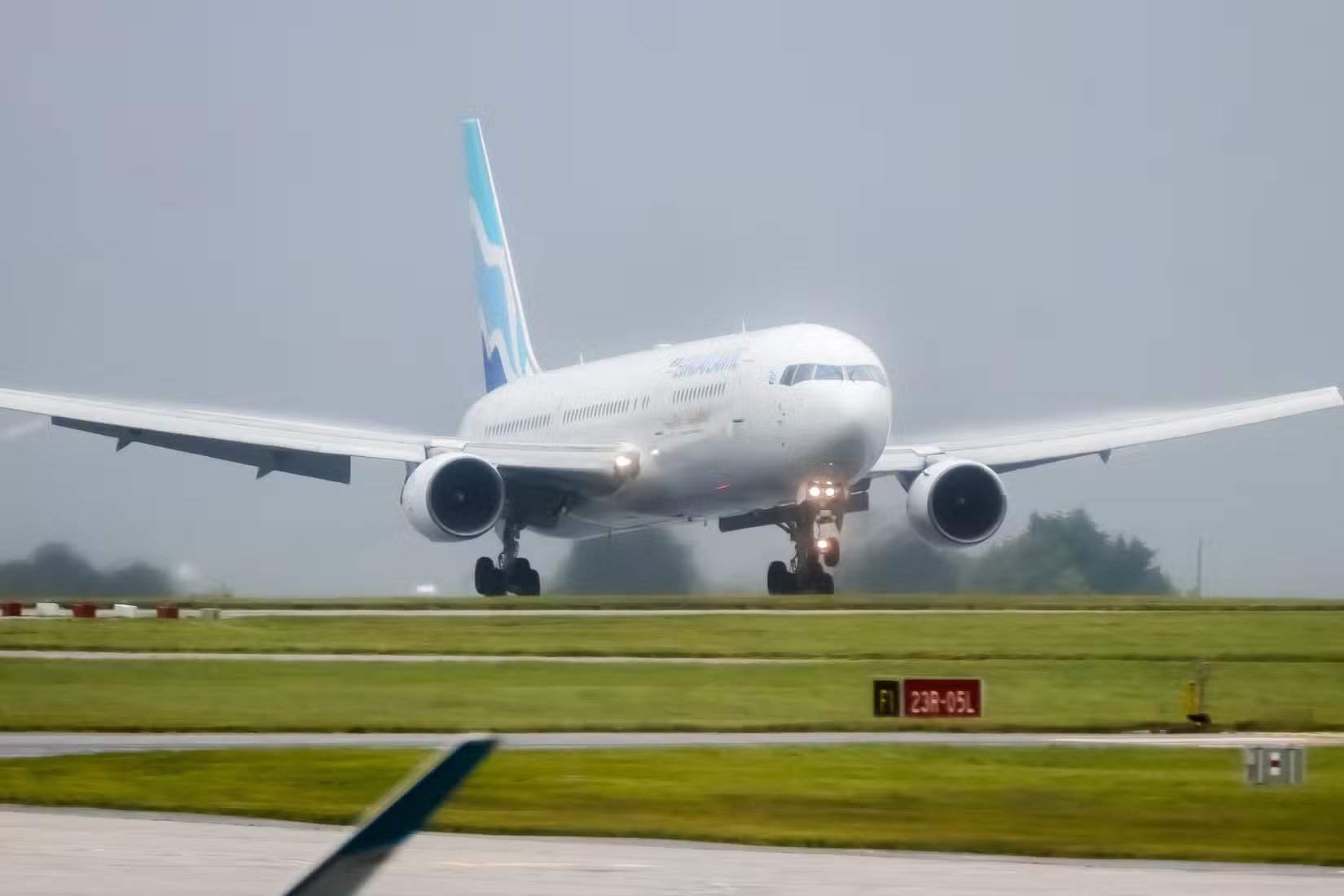
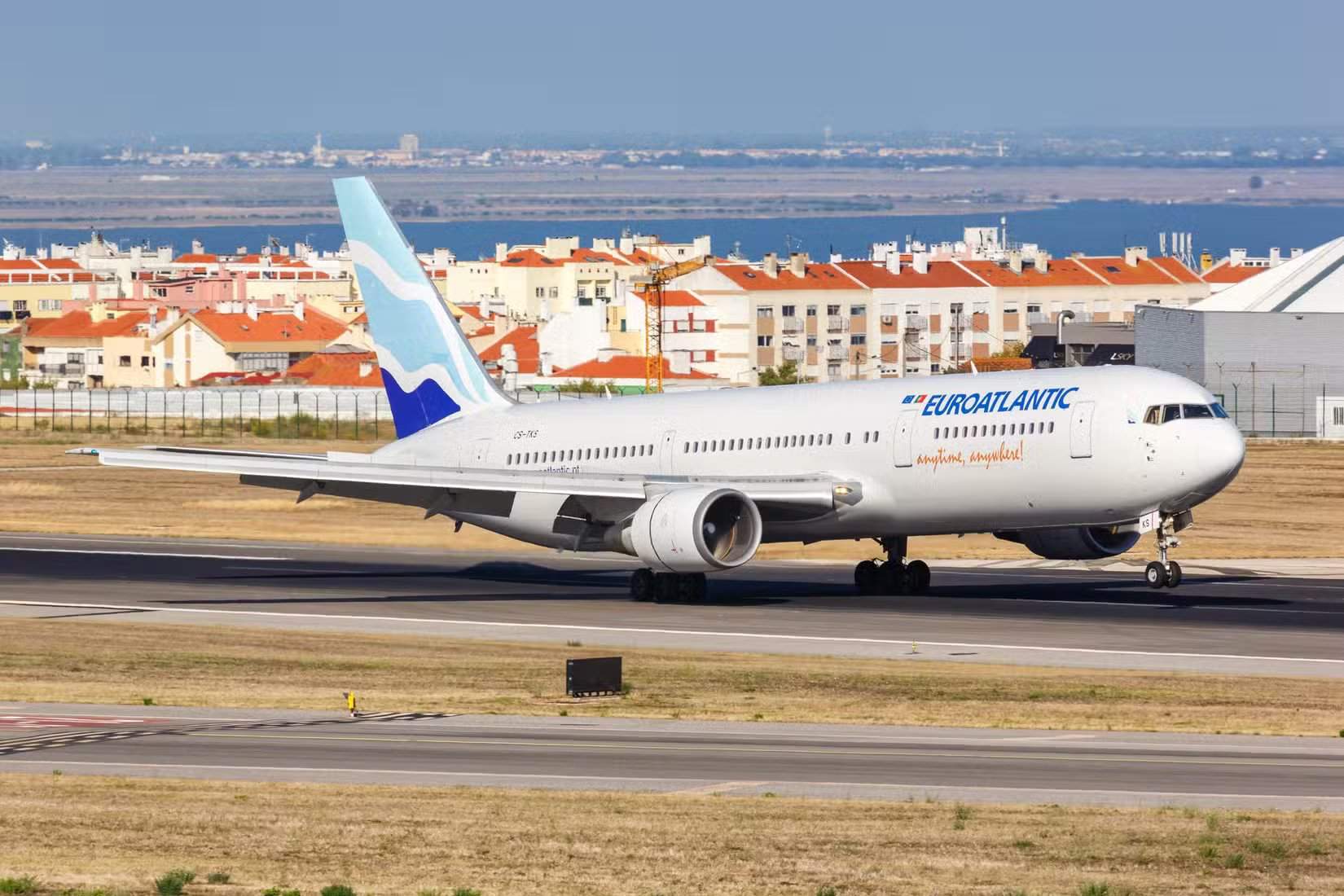
euroAtlantic Airways has built a solid reputation in the widebody aircraft ACMI and charter market, primarily providing capacity solutions for global airlines. Unlike traditional carriers focused on passenger loyalty, the company specializes in behind-the-scenes operations, helping clients meet capacity needs. Its fleet includes Boeing 767s, Boeing 777s, and newly introduced Airbus A330s. Calitis believes the company is transitioning from short-term charter partnerships to offering long-term structural solutions for clients.
Calitis began his career at AirBaltic, rising from pilot to Senior Vice President of Flight Operations, Chief Operating Officer, and eventually Interim CEO, where he was involved in key initiatives such as fleet modernization and growth strategies. He noted that although he has only been with euroAtlantic Airways for a month, his years of experience in operations, commercial, and ACMI business provide a solid foundation for his role.
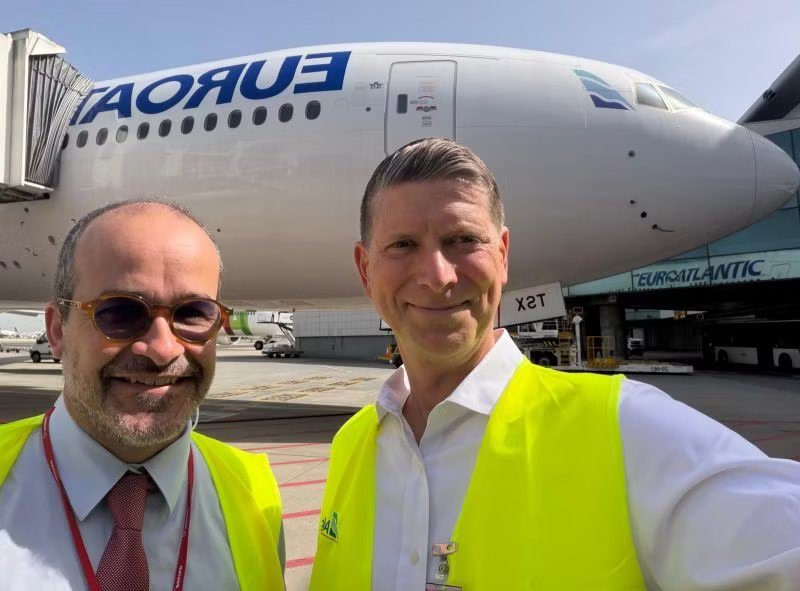
Fleet planning is a core decision for ACMI operators. Calitis pointed out that fleet choices must meet both the company's and clients' needs to ensure long-term partnerships. Historically, euroAtlantic Airways has relied on Boeing widebodies, but in June of last year, it leased its first Airbus A330-200 from Aircraft Engine Lease Finance. The aircraft features a two-class configuration (12 business class seats and 283 economy seats). Calitis believes a mixed fleet can expand the product portfolio and create a competitive advantage.
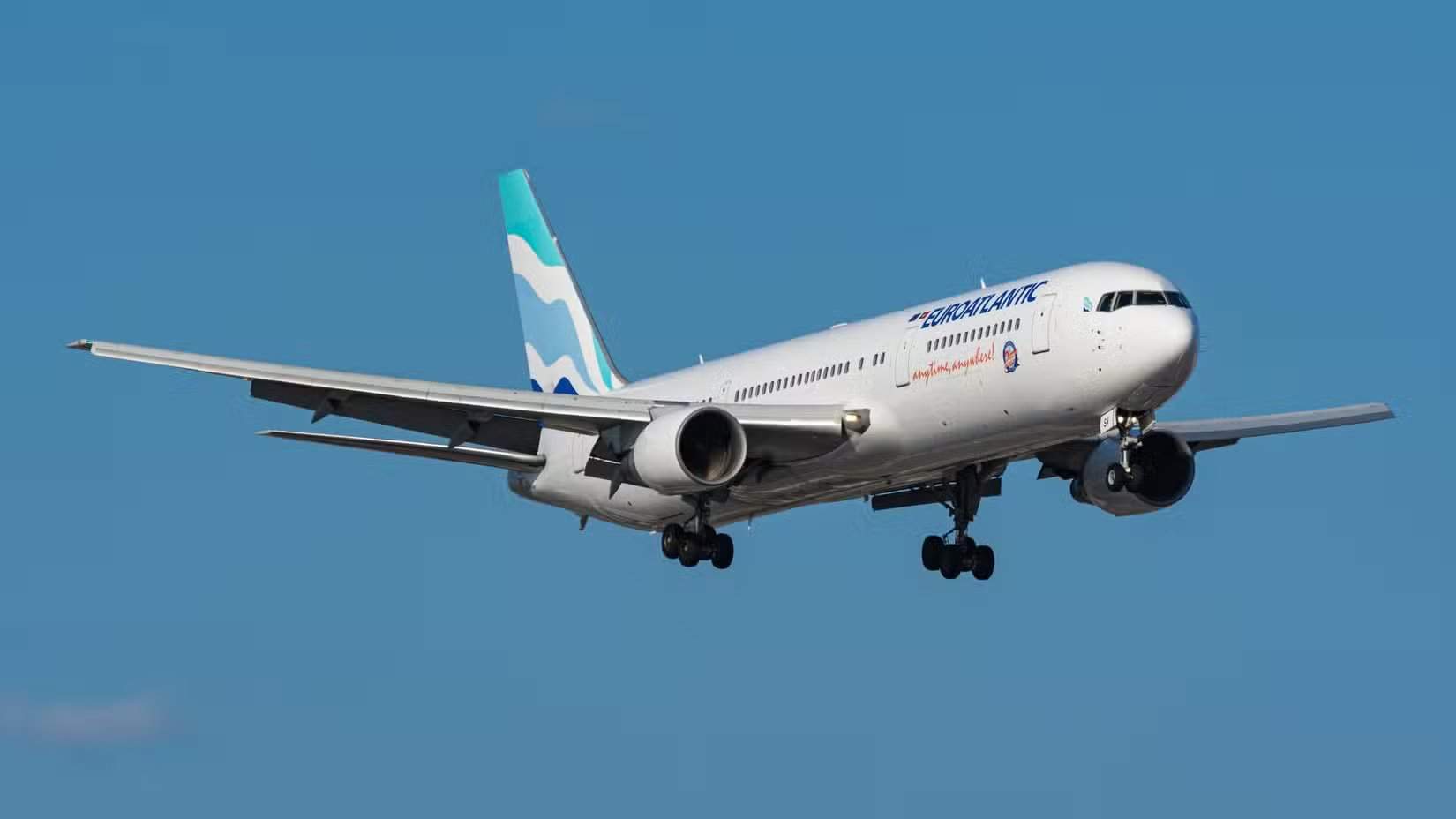
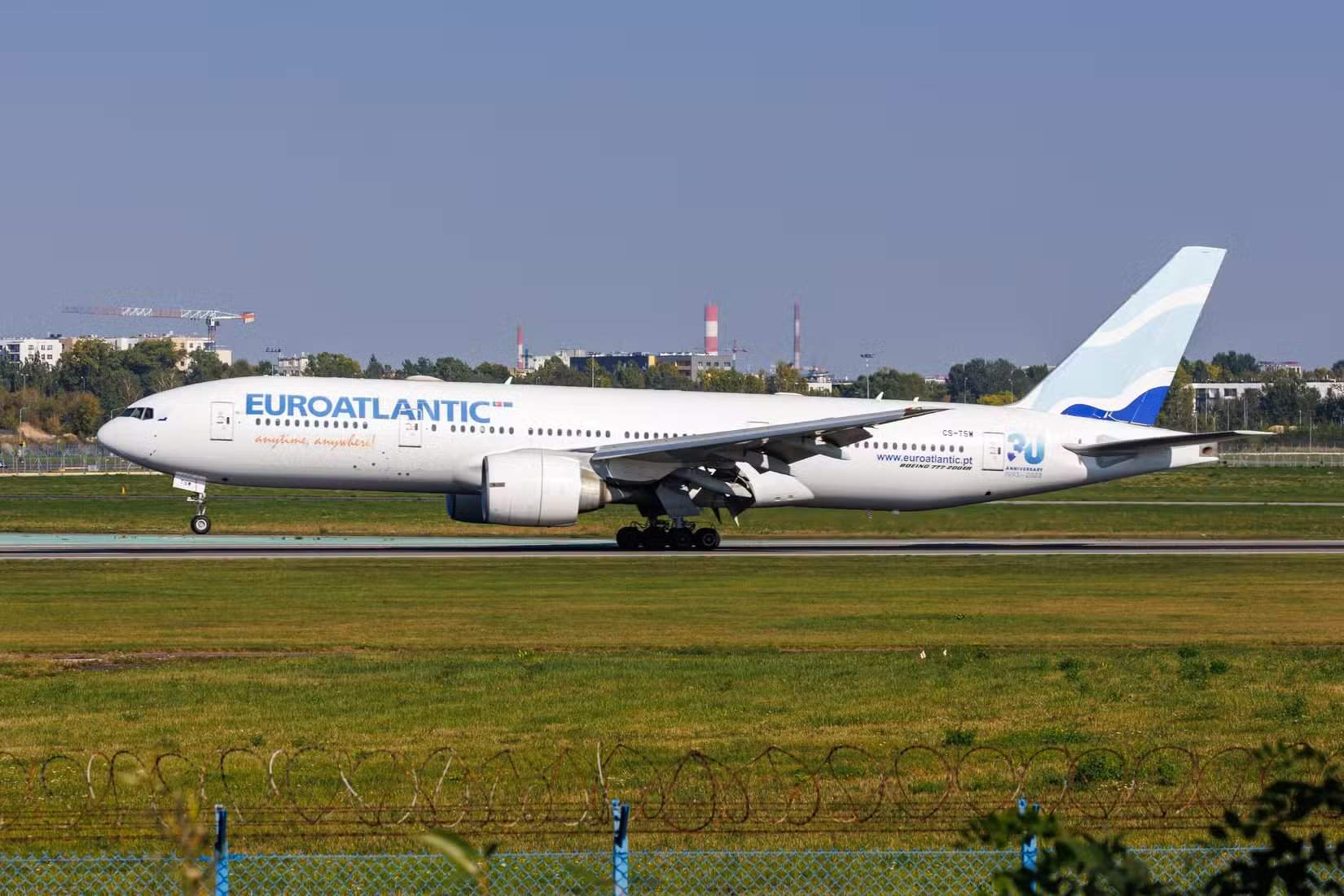
Regarding the dual-fleet strategy, Calitis clearly stated the plan to retain both Boeing and Airbus fleets, viewing it as a unique advantage. While operating multiple aircraft types increases complexity, airlines like Lufthansa and British Airways also adopt similar strategies to balance flexibility. Looking ahead, the long-term fleet structure may center around newer Boeing 777s and Airbus A330s, with gradual phase-out of older models. Calitis also mentioned that next-generation aircraft such as the Boeing 787 or Airbus A350 could be considered in the future, with decisions driven by client demand and industry trends.
During his time at AirBaltic, Calitis experienced firsthand the operational pressure caused by Pratt & Whitney GTF engine issues. The airline had to adjust flight schedules and rely on contingency capacity. This experience taught him to manage uncertainty at a systemic level and understand how technical problems can quickly impact crew scheduling and route networks. Additionally, because AirBaltic relied on ACMI operators, he gained deeper insight into client needs during disruptions, believing that partners should fulfill their responsibilities to avoid creating more problems for stressed clients.
In his first year leading euroAtlantic Airways, Calitis views reliability, communication, and responsiveness as the cornerstones of growth. He emphasized that ACMI operators' clients are airlines themselves, so they must provide customized services quickly and flexibly, including adjusting aircraft configurations and operational support. The company's expansion strategy will emphasize controlled growth, developing with a balance of quality and scale to avoid burdens from a lack of resilience. Calitis stated that the company's goal is to become a trusted partner in an unpredictable operational environment.