Malaszewicze and Łódź, Poland: A Decade of China-Europe Railway Express Expansion Reflects Changes in Rail Logistics
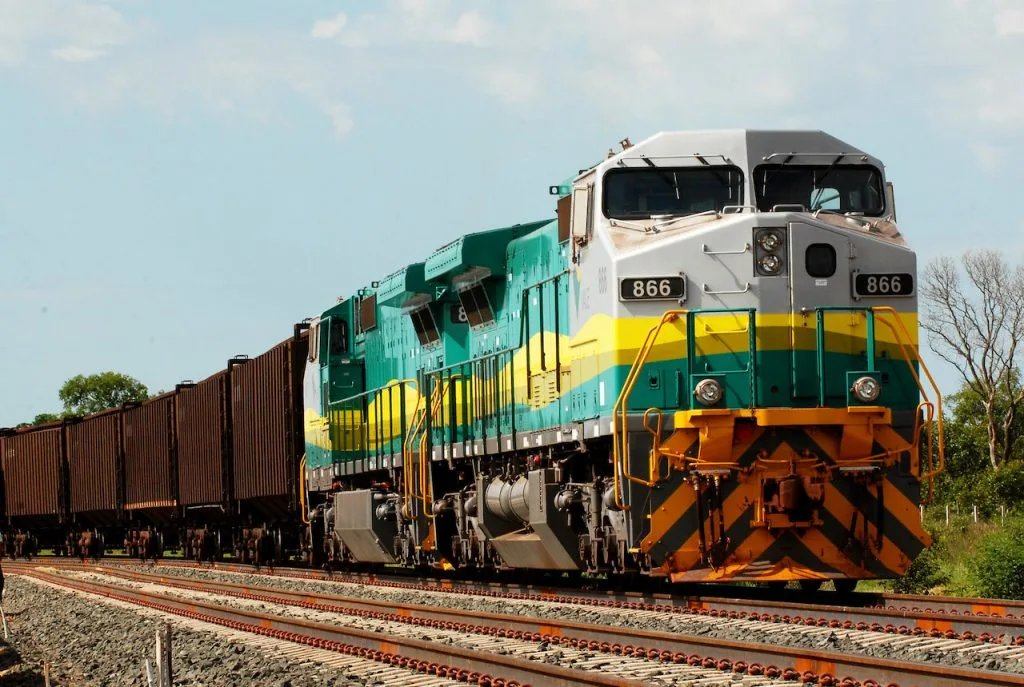
en.Wedoany.com Reported - Container trucks shuttle in and out of the terminal, lifting equipment moves back and forth across the yard, and containers from China are unloaded and reloaded here before being marshaled into new trains, continuing their journey to other European countries or other Polish cities.
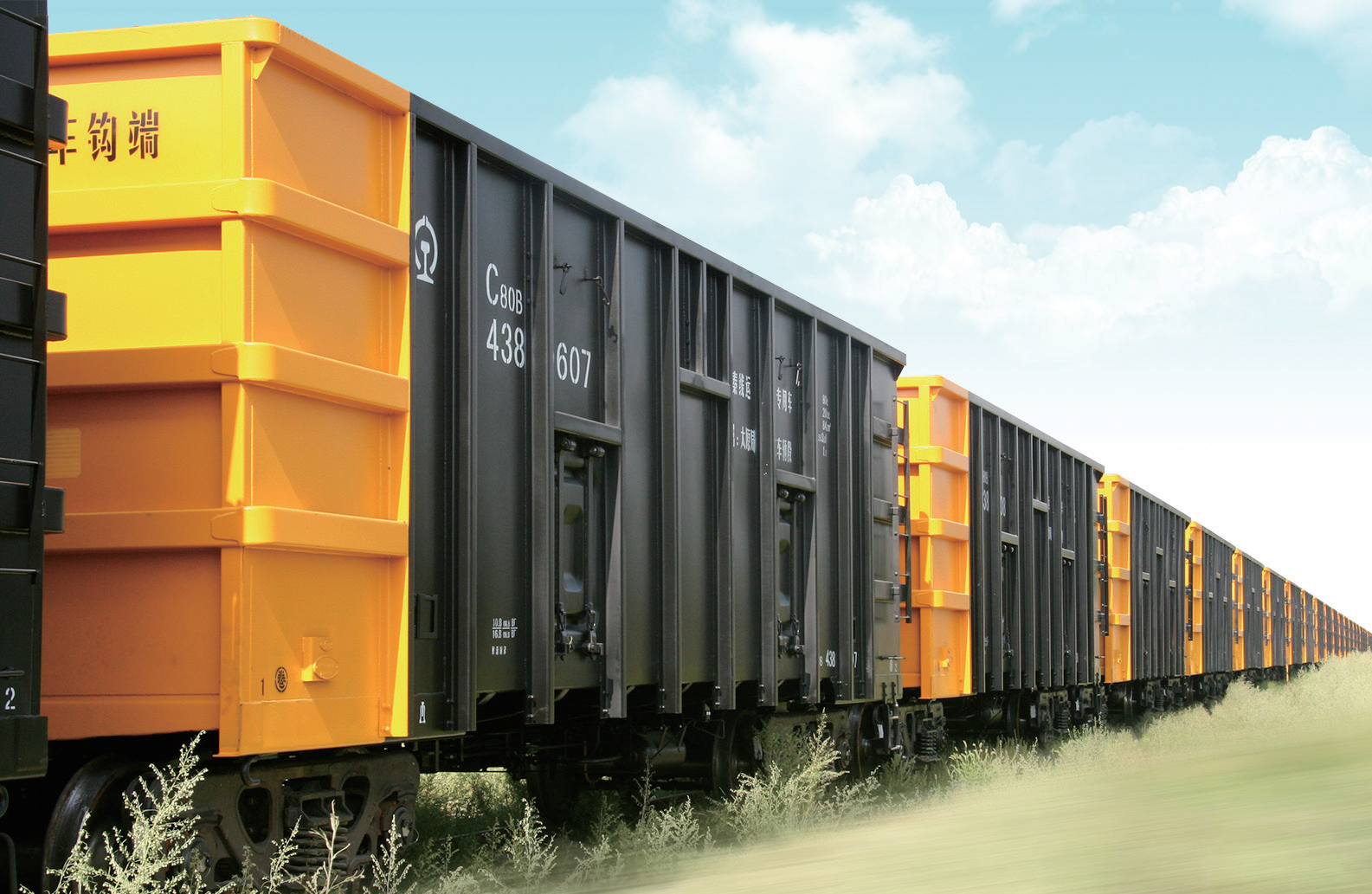
Located in eastern Poland, Malaszewicze is a key gateway for the China-Europe Railway Express (CRE) entering the European Union. Containers passing through here must be transferred between broad-gauge trains and European standard-gauge trains.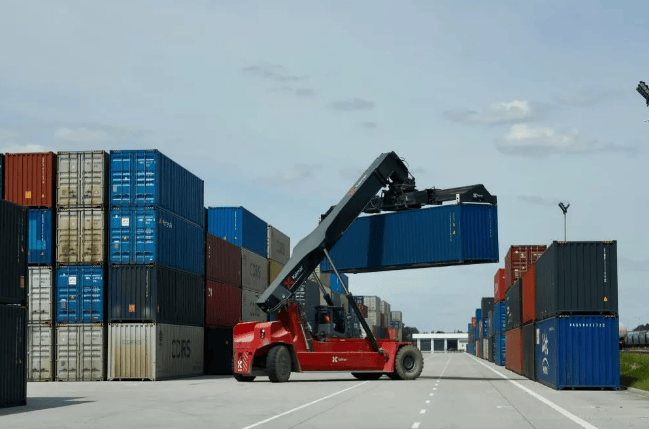
At the container terminal operated by the Polish company Inprag Group in Malaszewicze, dispatcher Kacper Szymański has eight years of experience and is familiar with every aspect of the terminal's operations. The terminal officially began operations six months ago. Today, it receives nearly 200 containers daily, the vast majority of which come from China.
"We cooperate very well with the Chinese side. Everything is transparent and always completed on time," Szymański told reporters, noting that the terminal is developing rapidly, with an expanding team and an increasing number of new equipment.
"Cooperation with the Chinese side has brought us many opportunities, benefiting local employees and all partners," said Małgorzata Biegajło, manager of container transshipment operations at Inprag Group.
The new terminal, new equipment, and growing number of jobs are marks left by the rapid growth of CRE operations at the Polish border.
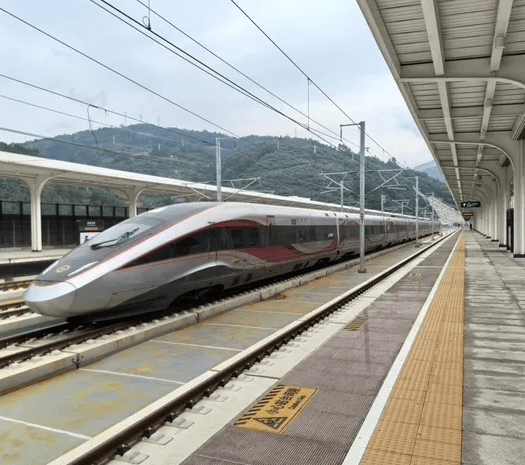
Data from China State Railway Group Co., Ltd. shows that since the launch of the unified CRE brand in June 2016, the annual number of train trips has increased 10.8 times over the past decade, with an average annual growth rate of 31.5%. Currently, CRE services reach 236 cities in 26 European countries.
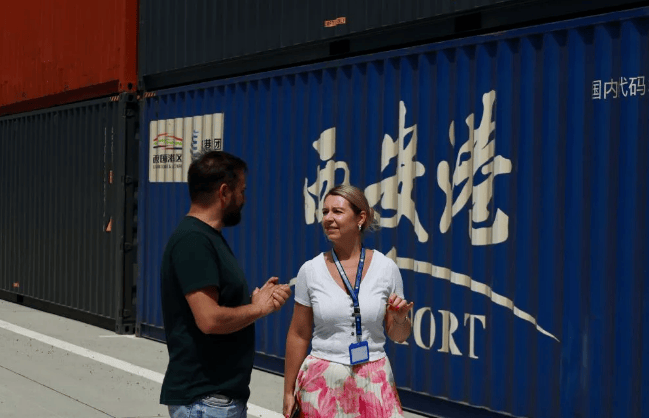
About 330 kilometers west of Malaszewicze, the central Polish city of Łódź serves as a major distribution hub for many CRE goods in Europe.
Around 9 a.m., reporters on the Warsaw-Łódź highway saw trucks loaded with goods coming and going. Leveraging its central location in Poland and convenient connections to European road and rail networks, Łódź has gradually grown into a key logistics hub in Central and Eastern Europe.
More than a decade ago, when the first freight train from Chengdu to Łódź arrived, this trans-Eurasian route was far from as mature as it is today.
"That train arrived during the Christmas season," recalled Filip Grzelak, head of the Łódź-based logistics company Polish Hartrans. He and his colleagues spent the entire night at the border crossing to ensure the train entered smoothly and was handed over, missing their holiday celebrations at home.
"We put in a lot of effort back then, and it started a cooperation that has continued and grown ever since," he said.
In the early days of the route's operation, many tasks had to be figured out from scratch: how to prepare documents, how to handle customs clearance, how to track cargo, and how to coordinate railways and terminals across different countries. Over a decade later, the company now conducts business with multiple Chinese cities, including Chengdu, Xi'an, Chongqing, Guangzhou, and Foshan. Previously cumbersome customs clearance and cargo tracking processes have become increasingly standardized, while transport safety and infrastructure levels have also steadily improved.
"Railways have been a major force driving the company's growth over the past decade," Grzelak said. For goods with higher value and stricter time requirements, rail transport offers unique advantages, and the company continues to expand related business year by year.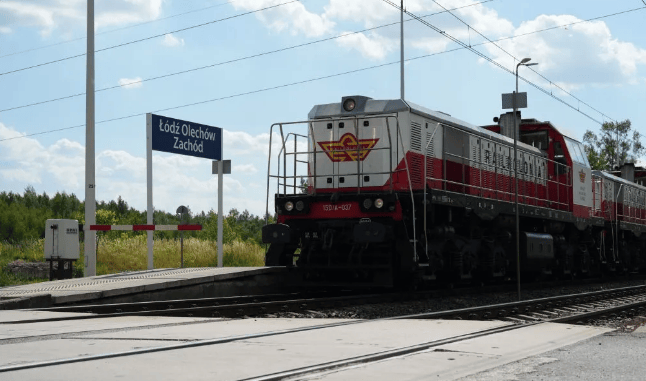
Adam Sobczyński, head of iHub, a company operating a terminal in Łódź, said that when customers have high demands for delivery time or when global shipping routes are disrupted, railways can provide a faster and more stable option.
Over the past decade, the continuous growth in CRE cargo volume and the upgrading of goods categories have reflected the development of China-Europe trade.
Paweł Moskała, general manager of Polish company Rhea Future Logistics, recalled that early trains mainly transported computers and electronic products produced by Chinese factories for international brands. Today, e-commerce goods, Automotive Industry" target="_blank">new energy vehicles, and an increasing number of products independently developed by Chinese companies are appearing in CRE containers.
Jiang Baihui, deputy general manager of the Polish subsidiary of Eurasia Interconnection Holdings, who has over a decade of experience in China-Europe logistics, has observed similar changes. She said that in the early years, train cargo mainly consisted of clothing, toys, and low-cost household items. Over the past three years, the share of high-value-added products such as photovoltaic storage equipment, electronic components, and auto parts has been rising, now accounting for over 60% of the goods shipped by her company.
According to statistics, the range of goods transported by CRE has expanded to 53 categories and over 50,000 types of products over the past decade. In 2025, the total value of goods transported by CRE reached $67.7 billion.
Biegajło said that against the backdrop of rising geopolitical uncertainty and frequent disruptions to global trade, the CRE can serve as a tool to enhance supply chain resilience and provide a platform for cooperation between Chinese and European companies in areas such as green logistics, digitalization of transport processes, and industrial project development.