German BAM: Using LTT Filler Metal as Welding Consumable Can Increase Fatigue Strength of Offshore Wind Turbine Welds by 50%–140%
en.Wedoany.com Reported - A research project coordinated by the German Federal Institute for Materials Research and Testing (BAM) has increased the fatigue strength of welds in high-strength steel components of offshore wind turbines by 50% to 140% by using novel low transformation temperature (LTT) filler metals as welding consumables. Offshore wind turbines consist of numerous welded components and are subjected to extreme cyclic stresses from sea waves and wind, particularly in the weld areas. Traditionally, the welding process alters the material microstructure and generates harmful tensile residual stresses, limiting the lightweight potential of high-strength steels.
The research team used special low transformation temperature (LTT) filler metals, which alter the weld microstructure during cooling, significantly reducing tensile residual stresses and, in some cases, even generating beneficial compressive residual stresses that counteract the formation of fatigue cracks. The study investigated typical high-strength steel components with additional structural reinforcements, which are among the parts of turbine towers and support structures that experience the highest fatigue stresses. Depending on the design and weld geometry, fatigue strength was improved by 50% to 140% compared to conventional welds. The strategic application of an additional LTT weld bead in stress-concentrated weld areas proved particularly effective.
"Especially in offshore wind turbines, the fatigue strength of welds is a key factor determining service life," explained Martin Hübner, lead author of the study from the Wind@BAM competence center. "Our results show the potential to safely achieve higher loads and larger turbines without time-consuming and costly post-weld treatment processes." A core advantage of this process is that the desired effect is achieved directly during welding, eliminating additional work steps, making it attractive for industrial applications. Looking ahead, the targeted use of LTT filler materials also offers possibilities for repairing and upgrading existing welds.
Currently, the relevant results are being discussed in expert panels and committees to explore their incorporation into regulatory standards. These findings are applicable not only to wind turbine manufacturing but also to mechanical engineering, steel structure construction, automotive engineering, and the large specialized cranes required for future wind farm construction. The project was conducted in collaboration with the Fraunhofer Institute for Mechanics of Materials (Fraunhofer IWM) and the Research Association of the German Welding and Allied Processes Society (DVS), and was funded by the Federal Ministry for Economic Affairs and Energy as part of the Industrial Collective Research (IGF) program.
Related Products

Standard Nozzle Flowmeter
Jinggong Automatic Control Instrument Complete Technology Development Company
CAP1400 main feedwater flow nozzle flowmeter.
Jiangsu Hongda Instrument Technology Co., LTD.
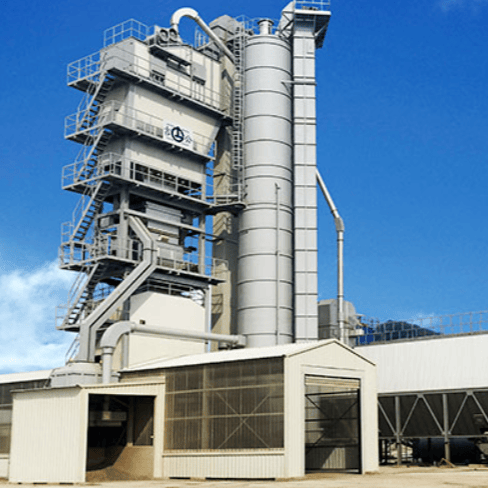
LBH4000 Batch Environmental Protection Asphalt Mixing Plant | Asphalt Batching Plant | Asphalt Mixing Plant
Jilin Province Road Construction Machinery Co., Ltd.
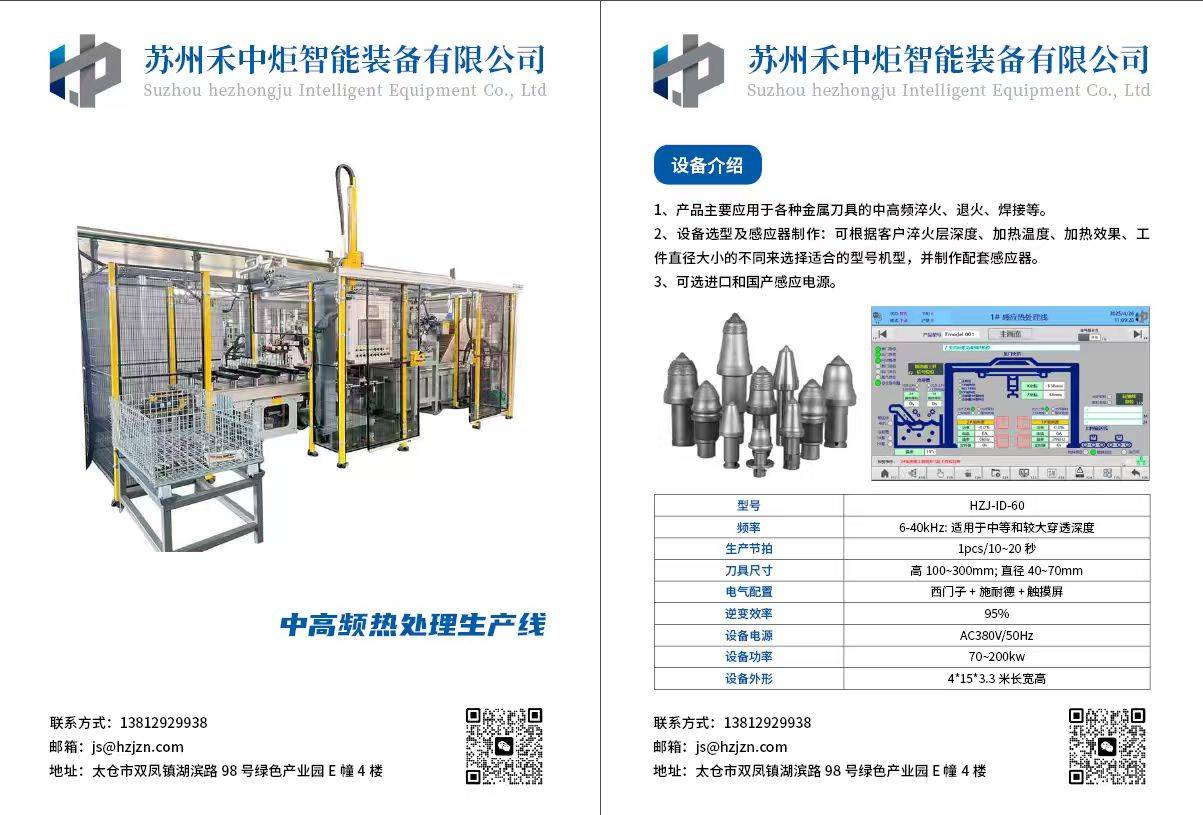
Excavator Bucket Teeth Heat Treatment Production Line
Suzhou Hezhongju Intelligent Equipment Co., Ltd.
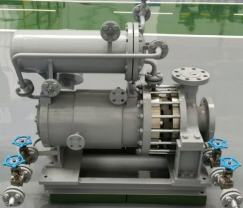


Pneumatic high-pressure wear-resistant ball valve
Zhejiang Deca Control Valve Meter Co., Ltd.