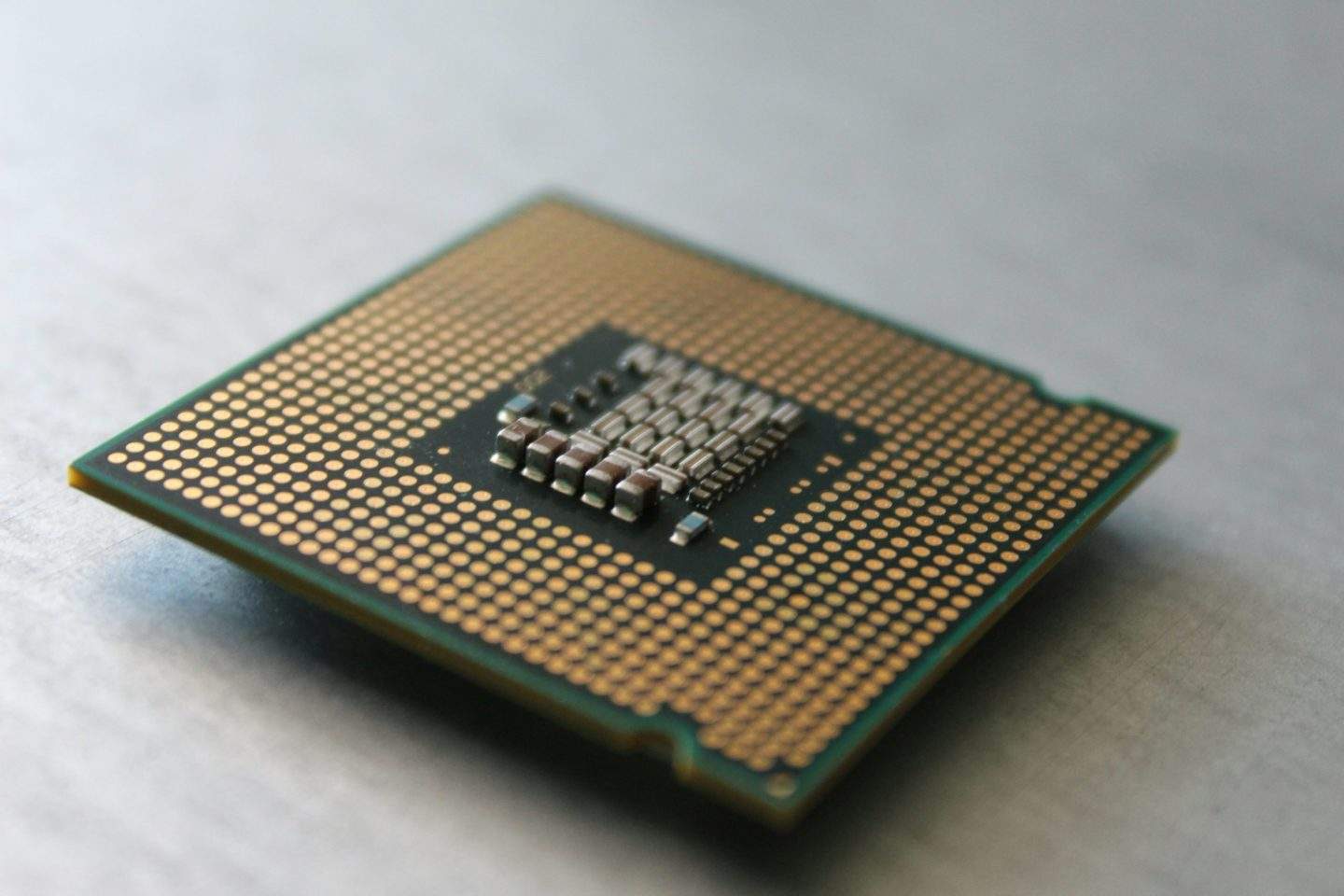
India's Reliance Industries Plans 120 MW AI Backbone Network by Year-End
en.Wedoany.com Reported - India's focus in the artificial intelligence (AI) sector is shifting from the application layer to the underlying infrastructure, a trend highlighted at Reliance Industries' 2026 Annual General Meeting (AGM). The company unveiled plans to build a sovereign AI backbone network, encompassing data centers, graphics processing units (GPUs), renewable energy, and collaborations with global tech firms. As enterprises move from experimentation to large-scale deployment, investments in computing and connectivity, alongside breakthroughs in AI models and applications, will shape a new phase of AI in India.
Reliance Industries stated that it is building a sovereign AI backbone network in Jamnagar, with the first phase including 120 MW of capacity, expected to be operational by the end of 2026, powered by clean energy from the company's renewable energy assets. The network plans to operate the first batch of Nvidia GB300 GPUs, equivalent to over 75,000 Nvidia H100 GPUs in AI inference capabilities; after the first phase is fully operational, capacity may expand to over 200,000 H100-equivalent GPUs. The company has also expanded collaborations with Google, Meta, and Nvidia. Google AI Pro is now available to Jio users, while the partnership with Meta focuses on enterprise AI applications and model deployment.
Other Indian companies are also investing in AI infrastructure. The Adani Group is expanding its data center business while investing in renewable energy and transmission infrastructure. Bharti Airtel is focusing on connectivity through its Nxtra data center business and strengthening enterprise offerings. The Tata Group, via Tata Consultancy Services (TCS), is investing in cloud partnerships. Specialized companies like Yotta and CtrlS are primarily building data centers and computing infrastructure. Jaspreet Bindra, founder of AI consulting firms AI&Beyond India and Tech Whisperer Limited UK, stated that having domestic computing and data infrastructure is crucial for strategic resilience and sensitive industries, and India ultimately needs indigenous computing power, data infrastructure, and potentially homegrown large language models. Ritwik Batabyal, Chief Technology and Innovation Officer at Mastek, noted that as AI integrates into healthcare, financial services, manufacturing, and public administration, the importance of sovereign AI infrastructure is rising, and India's AI ecosystem will benefit from an approach that balances global technology collaboration with local infrastructure, talent, and innovation.
Experts believe that over the next three to five years, India's largest AI investments will likely occur in data centers, cloud infrastructure, and AI computing, as they underpin everything else. Sunil Kharbanda, founder and COO of Trezix, emphasized that computing power, GPUs, data centers, cloud platforms, networks, and storage are becoming strategic assets, determining how much AI activity a country can support and its pace of innovation. As enterprises move from pilots to production deployment in sectors like banking, telecommunications, manufacturing, healthcare, and retail, enterprise AI adoption will attract significant spending, and industry-specific AI applications will continue to grow.
Related Products


Conveyor Belt Intelligent Monitoring System
LUO YANG WIRE ROPE INSPECTION TECHNOLOGY CO., LTD.
GYTA Type Non-Self-Supporting Aerial/Duct Optical Cable
TONGDING INTERCONNECTION INFORMATION CO., LTD.

G.652.D Wavelength-extended Non-dispersion Shifted Single-mode Optical Fiber
HONGAN GROUP CO., LTD.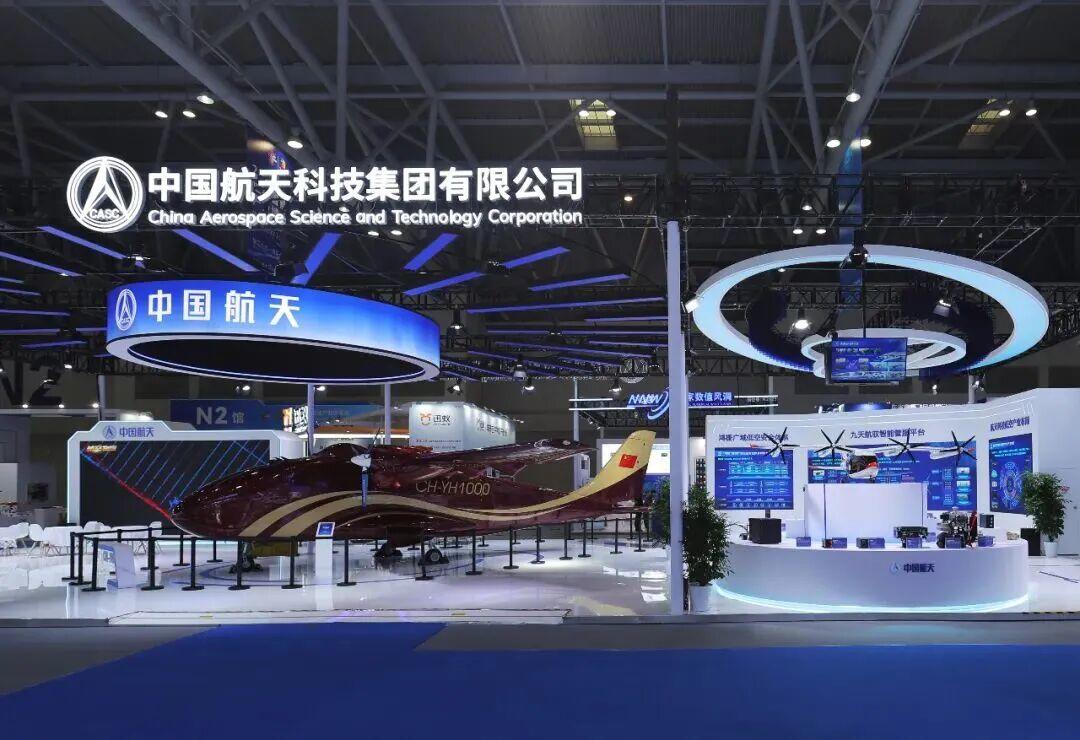
JiuTian OneSky Pilot—Intelligent Management And Service Platform
China Times Prospect Science & Technology Co., Ltd.
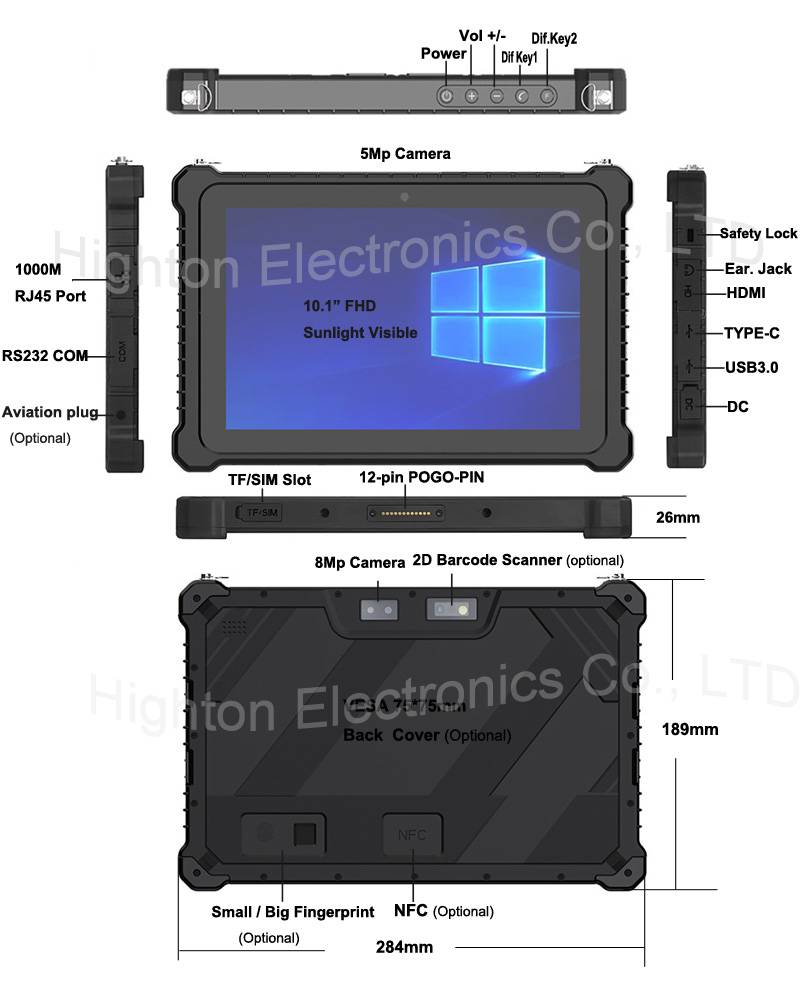
Hot Selling 10 Inch Intel N5100 I5 I7 FHD 8 +128GB 16+256GB Win10 Pro Win11 Pro 4G 5G Rugged Tablet PC Pad with NFC Barcode
Highton Electronics Co., Ltd.
Comprehensive Mining Automation Control System
Beijing Tianma Intelligent Control Technology Co., Ltd.
D12 Humanoid Robot
Automation Research Institute Co., Ltd. of China South Industries Group Corporation