South Africa's $870 Million Ilmenite Beneficiation Project Enters Construction Phase
en.Wedoany.com Reported - Nyanza Light Metals' Phase I ilmenite beneficiation project, located in the Richards Bay Industrial Development Zone (RBIDZ) in KwaZulu-Natal Province, South Africa, has officially entered the construction phase. The first phase of the project involves an investment of approximately $870 million, with the goal of achieving first production by the end of 2029. The project aims to process low-value ilmenite into high-value titanium dioxide (TiO₂), used in industrial coatings, architectural paints, paper, and plastics industries.
Nyanza Light Metals is an innovative ilmenite beneficiation and energy transition materials producer headquartered in Richards Bay, South Africa. The project has received financial support from the African Export-Import Bank (Afreximbank) and the African Finance Corporation (AFC), with engineering, procurement, and construction (EPC) and operational management support provided by a Chinese engineering company. Phase I is designed with an annual production capacity of 80,000 tons of titanium dioxide.
As part of the overall design, the project's multi-stage industrial platform integrates titanium beneficiation with downstream battery materials production. Phase II, with an estimated investment of $750 million, will utilize by-products from Phase I processes to produce battery materials and advanced chemicals. Nyanza will leverage the abundant heavy mineral sand resources in the Richards Bay area, consuming approximately 300,000 tons of sulfuric acid and 200,000 tons of sulfate ilmenite annually.
At the project launch ceremony, Nyanza Light Metals CEO Donovan Chimhandamba was joined by Martin Creamer of Mining Weekly. Gina, Chief Operating Officer of the Richards Bay Industrial Development Zone, emphasized the project's significance for South Africa's downstream beneficiation strategy.
The launch of this project marks a critical step for South Africa in promoting local processing of mineral resources and enhancing value addition. By converting ilmenite extracted from heavy mineral sands into high-value titanium dioxide, the project helps transform South Africa's resource-based economy, which has long relied on raw material exports, creating local employment opportunities and fostering the development of related industrial chains.
Related Products
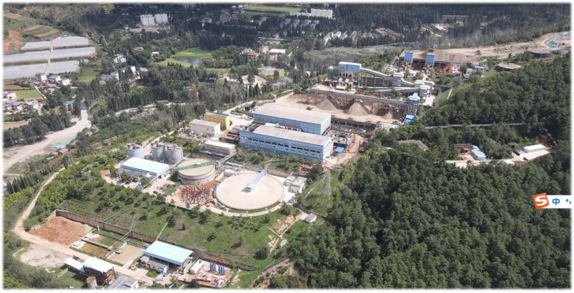

Yunnan Phosphorus Chemical Group Co., Ltd. 2 Million t/a Phosphorus Ore Mining and Beneficiation Project
China Bluestar Lehigh Engineering Corporation
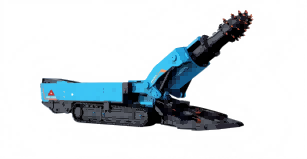
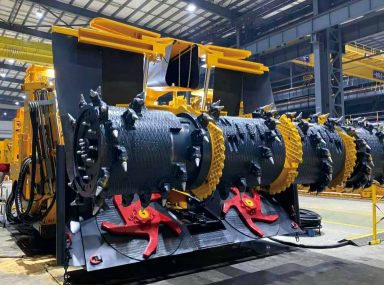
Integrated Excavation and Anchoring Machine (EJM Series)
China Railway Construction Heavy Industry Corporation Limited
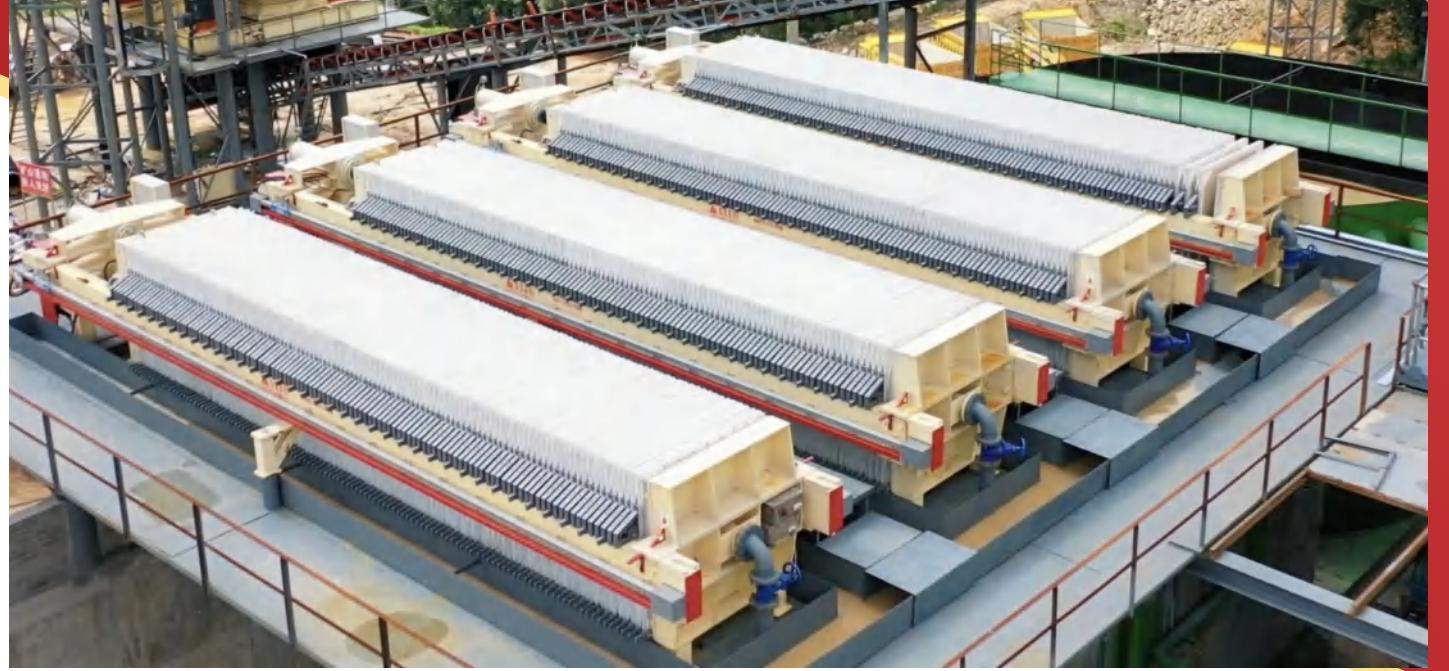
Hydraulic Plate and Frame Filter Press
Guangdong Leimeng Intelligent Equipment Group Co., Ltd.
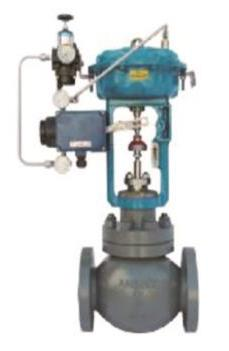
Quick-Change Single-Seat Control Valve / Quick-Change High-Pressure Single-Seat Control Valve
Beijing Consen Automation Technology Co., Ltd.
Industrial and Commercial Point-Type Gas Detector
Jinan Benan Technology Development Co., Ltd.