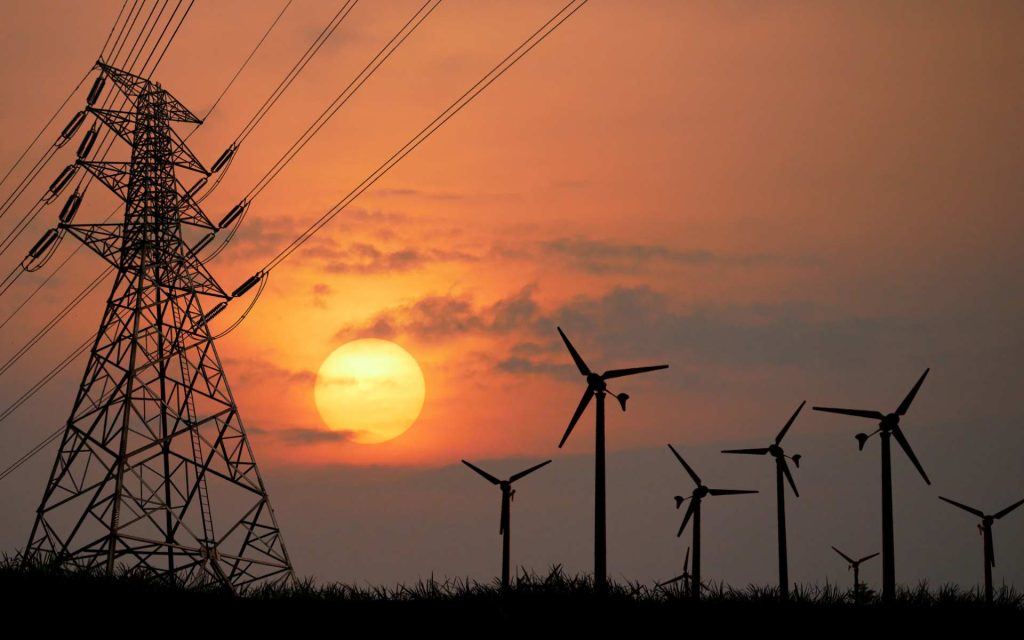
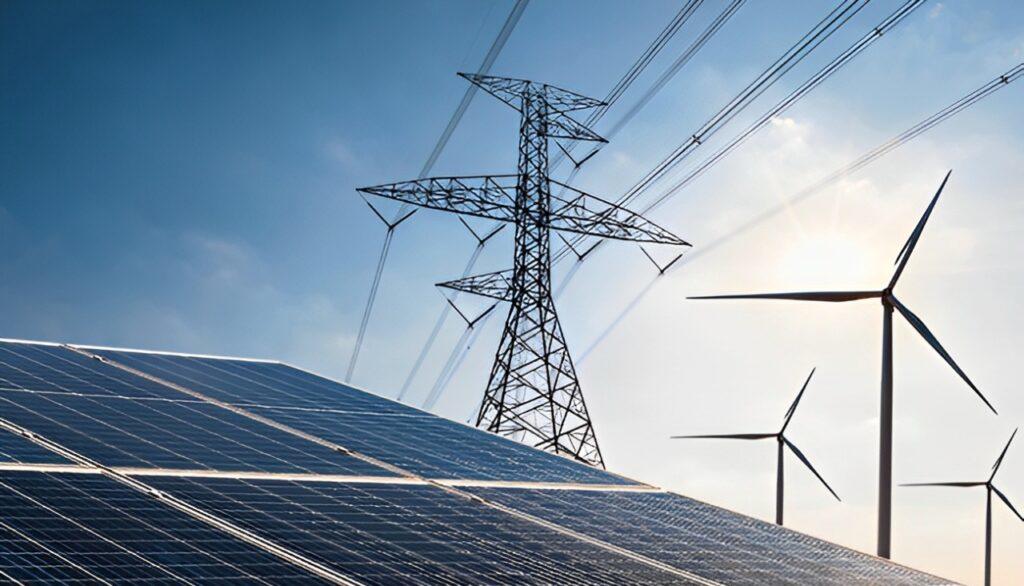
en.Wedoany.com Reported - Hitachi Energy points out that the main bottleneck for the energy transition has shifted from renewable energy generation capacity to grid infrastructure. This warning is particularly relevant for Mexico: over 60% of the country's national transmission network is operating near full capacity, while approximately 7,400 MW of new renewable energy projects are being connected to the system. Upgrading the grid requires advanced technologies such as STATCOM systems to address stability and flexibility services. However, Mexico's $8.18 billion grid modernization plan faces global supply chain constraints, with extended lead times for critical power equipment, making timely procurement a key test for achieving its 2028 energy targets.

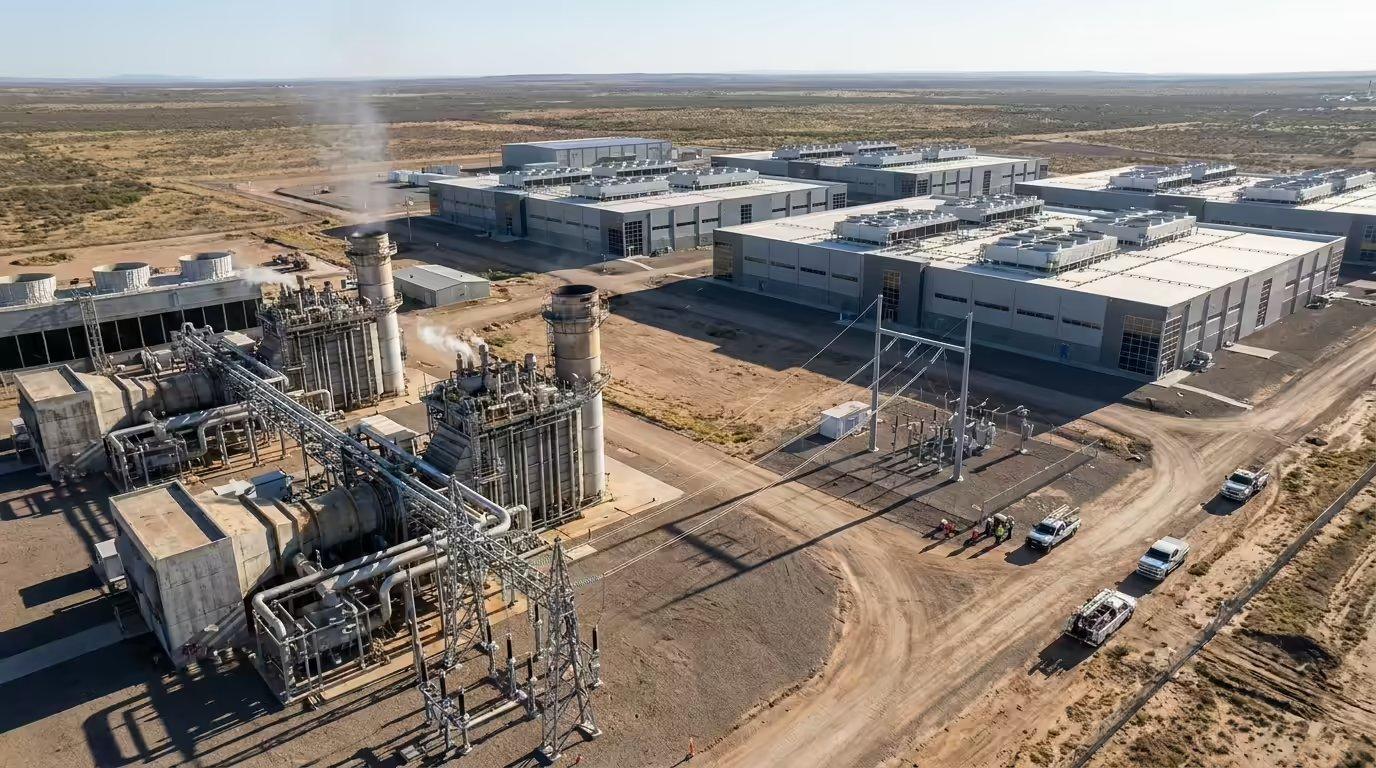
Hitachi Energy is an active supplier for the Federal Electricity Commission (CFE) of Mexico's transmission modernization plan. Its Managing Director for Spain, Alfredo García-Borreguero, stated that the core obstacle to a successful energy transition is not the availability of renewable energy, but the ability of transmission infrastructure to reliably absorb, balance, and distribute electricity. García-Borreguero believes the challenge lies in retrofitting infrastructure designed for different consumption patterns. Electrification, digitalization, and the rapid growth of data centers require the grid to respond to sharply fluctuating demand curves, something never designed for in the 20th-century system dominated by thermal power plants. He noted that one of the main barriers to new industrial investment is the difficulty of obtaining grid access. A report from the Inter-American Institute on data centers shows that Mexico has announced over 1,500 MW of data center capacity, but only 244.9 MW is actually connected and operational, confirming the grid access issues described by García-Borreguero.
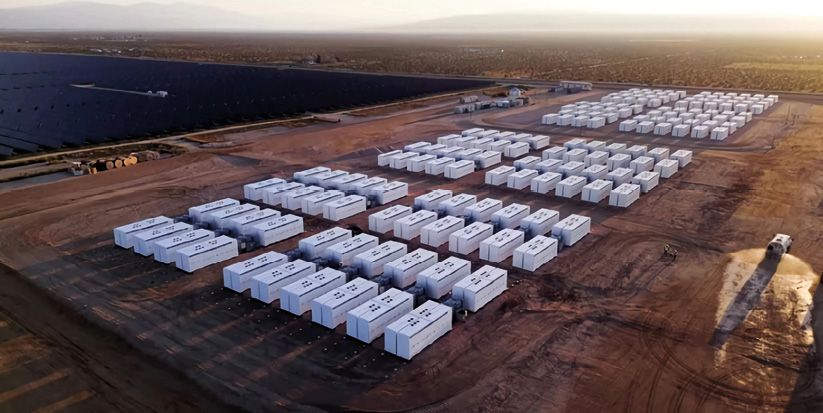
As thermal power plants are replaced by variable renewable energy sources, the stability services they provided—such as frequency regulation, voltage support, and reactive power compensation—require specialized technologies to substitute. García-Borreguero pointed out that the variability of wind and solar power can be mitigated through technologies such as rotating machines, synchronous condensers, STATCOM compensation systems, and grid data storage and digitalization. Hitachi Energy's STATCOM and e-STATCOM systems are designed to electronically stabilize voltage, compensate for reactive power, and dampen oscillations. CFE's super transmission project in the Sonora-Sinaloa-Nayarit corridor has already required the installation of four state-of-the-art dynamic reactive power devices—STATCOMs—to improve transmission system voltage, frequency, power flow, and stability. Raúl Gutiérrez, Sales Manager for Power Conversion Solutions at Hitachi Energy Latin America, stated regarding energy storage and grid integration in Mexico that batteries are a flexibility solution, requiring updated technical standards and grid requirements to unlock the full value of storage. He warned that secondary technical documents must be updated to treat storage as an integrated system rather than standalone batteries.
The digitalization and flexibility agenda conflicts with physical supply chain constraints. Hitachi Energy is addressing supply chain issues through its own investments. Since acquiring ABB's grid business in 2020, it has doubled its Spanish workforce to 1,500 people, expanded manufacturing capacity in Córdoba, built a new factory in Zaragoza, integrated energy operations in Seville, and established a project management center in Madrid. Since 2022, driven by global grid modernization plans, the supply chain for high-voltage power equipment has been under continuous pressure. For Mexico, this means the investment framework has emerged precisely during a period of difficulty in procuring components. Global lead times for transformers and substations have extended to over 18 months in some categories, making countries with pre-established long-term supply relationships more likely to execute transmission construction on time.
According to the Mexican government's plan, approximately $8.18 billion will be allocated to expand and upgrade the national transmission network, including the construction of 275 new strategic transmission lines (totaling 6,735 km) and 524 new substations. CFE has identified 66 transmission projects valued at around $1.9 billion, planned for advancement in 2025-26 to alleviate bottlenecks. The conclusion of the Mexican Wind Energy Association (AMDEE) wind energy seminar is that timely investment in the transmission network to prevent energy evacuation bottlenecks is a key catalyst for the mixed investment scheme, which is expected to bring 13 new wind farms and approximately 4,000 MW of wind capacity. Mexico's investment has been formally committed through credit lines from the Central American Bank for Economic Integration (CABEI), financing mechanisms from the Development Bank of Latin America (CAF), frameworks from the European Investment Bank (EIB), and the federal budget. Whether execution proceeds on time and whether equipment arrives within the procurement window required by the 2028 commercial operation targets will determine if the country's renewable energy projects can be converted into grid-connected megawatts.