UK's NESO Warns Grid Upgrade Costs Could Reach $119 Billion
en.Wedoany.com Reported - A report released by the UK's National Energy System Operator (NESO) shows that the cost of modernizing the country's power grid has surged by approximately 50% since 2024.
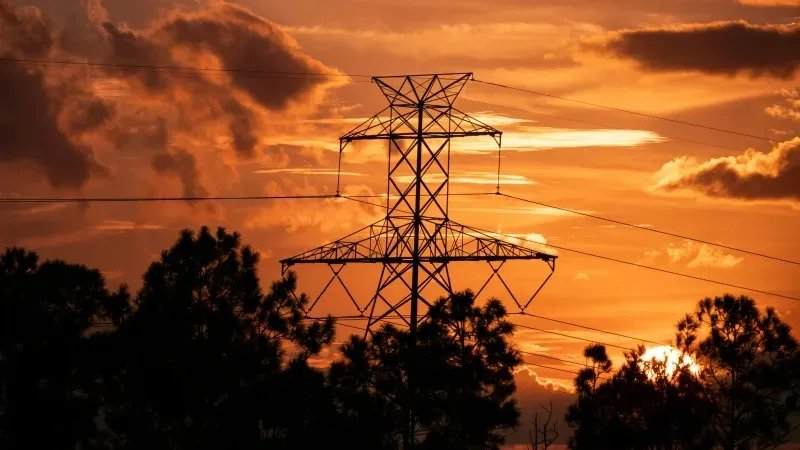
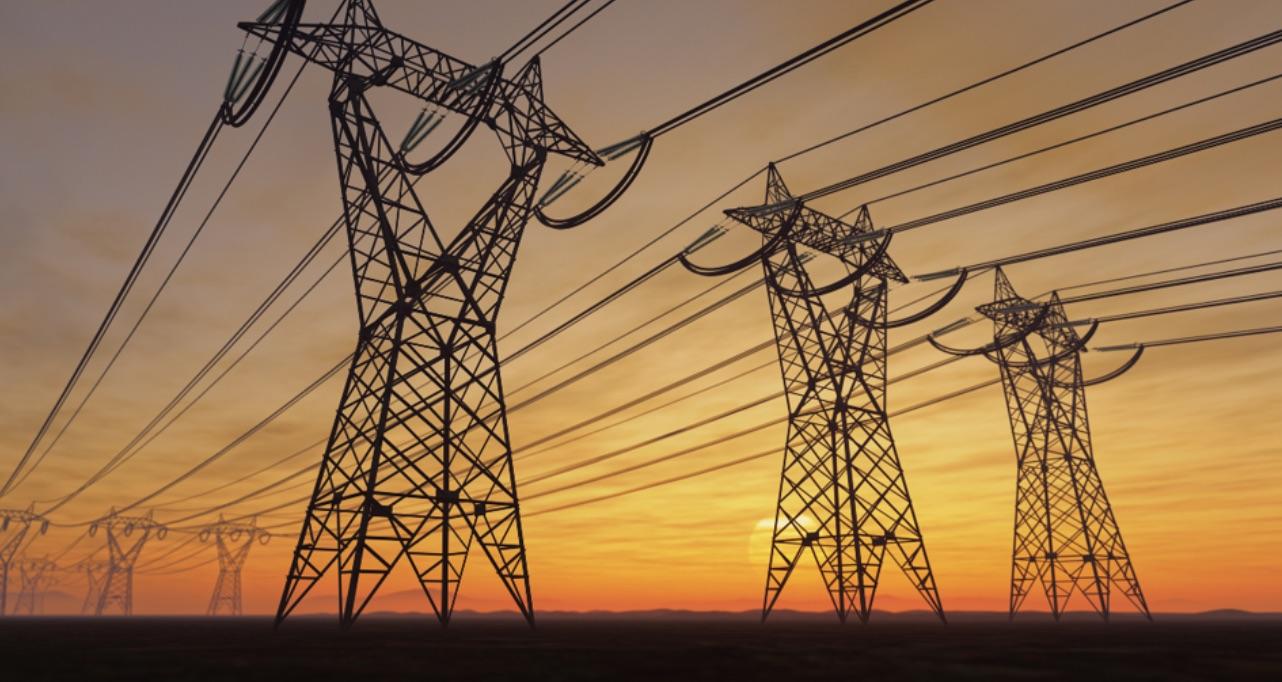
New data published by NESO in its "Beyond 2030" report reveals that grid investment costs after 2030 amount to £89 billion (approximately $119 billion). The initial forecast in 2024 was around $75 billion, representing an increase of about 50% between the two figures. The rapid rise in grid modernization costs in the short term is attributed by NESO to factors including the rollout of low-carbon energy projects under the government's "Clean Power 2030 Action Plan," which, while beneficial to the nation's net-zero goals, are costly. A more direct contributing factor is inflation, which has driven up the prices of new high-voltage lines and substations.
The UK's national grid is one of the oldest in the world, with its backbone largely built during an era when coal and gas power plants were located near demand centers. Today, energy generation sites are far removed from areas of electricity consumption, with offshore wind farms and other renewable energy sources typically situated in remote coastal or rural regions, distant from the cities and industrial zones with the highest power usage. Beyond the shift in energy geography, electricity demand is also expected to grow significantly due to the electrification of transport and heating, as well as the data center boom. NESO's own analysis indicates that electricity demand could increase by more than 30% by 2035. The operator warns that without reinforcement and upgrades, constraint costs—incurred when the network cannot accommodate all generated electricity—could triple between 2031 and 2035. NESO estimates that if the existing network remains unchanged, constraint costs could reach approximately £12.7 billion (about $16.5 billion) in 2030 alone.

The NESO report proposes a series of recommendations, planning upgrades through 43 grid projects in the 2030s, including 16 options not covered in the initial 2024 study. These projects range from new offshore lines connecting the Celtic Sea wind farms—spanning three locations across South Wales and Southwest England—to reinforced onshore corridors traversing Northern England, North Wales, and the Midlands. NESO states that the plan deliberately favors offshore cables over new onshore lines, citing their lower environmental and community impact; the recommended new submarine cable capacity is more than three times that of new onshore construction.
UK Energy Minister Michael Shanks stated that these figures should be viewed as part of the government's long-term strategy, rather than a one-off expenditure. He said the government is taking a strategic approach to building an energy system fit for the future, which will secure energy independence and lower bills while driving economic growth across the UK. The plan provides a blueprint for the required grid, powering artificial intelligence and industry, ensuring homes and businesses benefit from Britain's clean, homegrown energy. Alice Delahunty, President of National Grid Electricity Transmission, welcomed the clarity brought by the report, noting that as electricity demand grows, there is a need to send clear and consistent signals about future grid requirements, including through connection reforms.
NESO emphasized that these figures are advisory, not final. Actual funding decisions rest with the energy regulator Ofgem, while specific routes, technologies, and approval procedures remain the responsibility of the relevant transmission owners. A more detailed, holistic system plan covering electricity, gas, and hydrogen—the "Central Strategic Network Plan"—is expected to be published in 2028. Until then, this update is the clearest signal yet of the potential cost of rewiring the UK's grid and the speed at which this estimate is changing.
Related Products




Hydraulic Turbine Genset
Dongfang Electric Corporation Dongfang Electric Machinery Co., Ltd.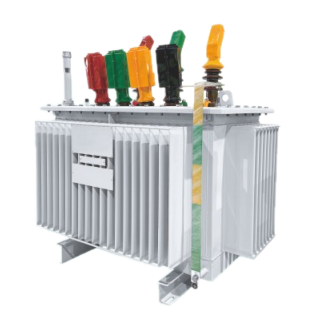
IS(B)□-M·RL Series Oil-immersed 3D Transformer (Planar / 3D Wound Core)
Guangdong Kehua Electric Power Technology Co., Ltd.
Perfluorinated Ionic Membrane-CM-10N Series Membrane
Guizhou Juneng Century Technology Co., Ltd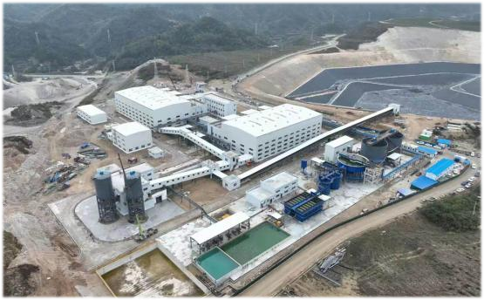
Yingping Mining Section Open-pit Tailings Backfill Treatment of Goaf Ecological Restoration EPC Project
China Bluestar Lehigh Engineering Corporation
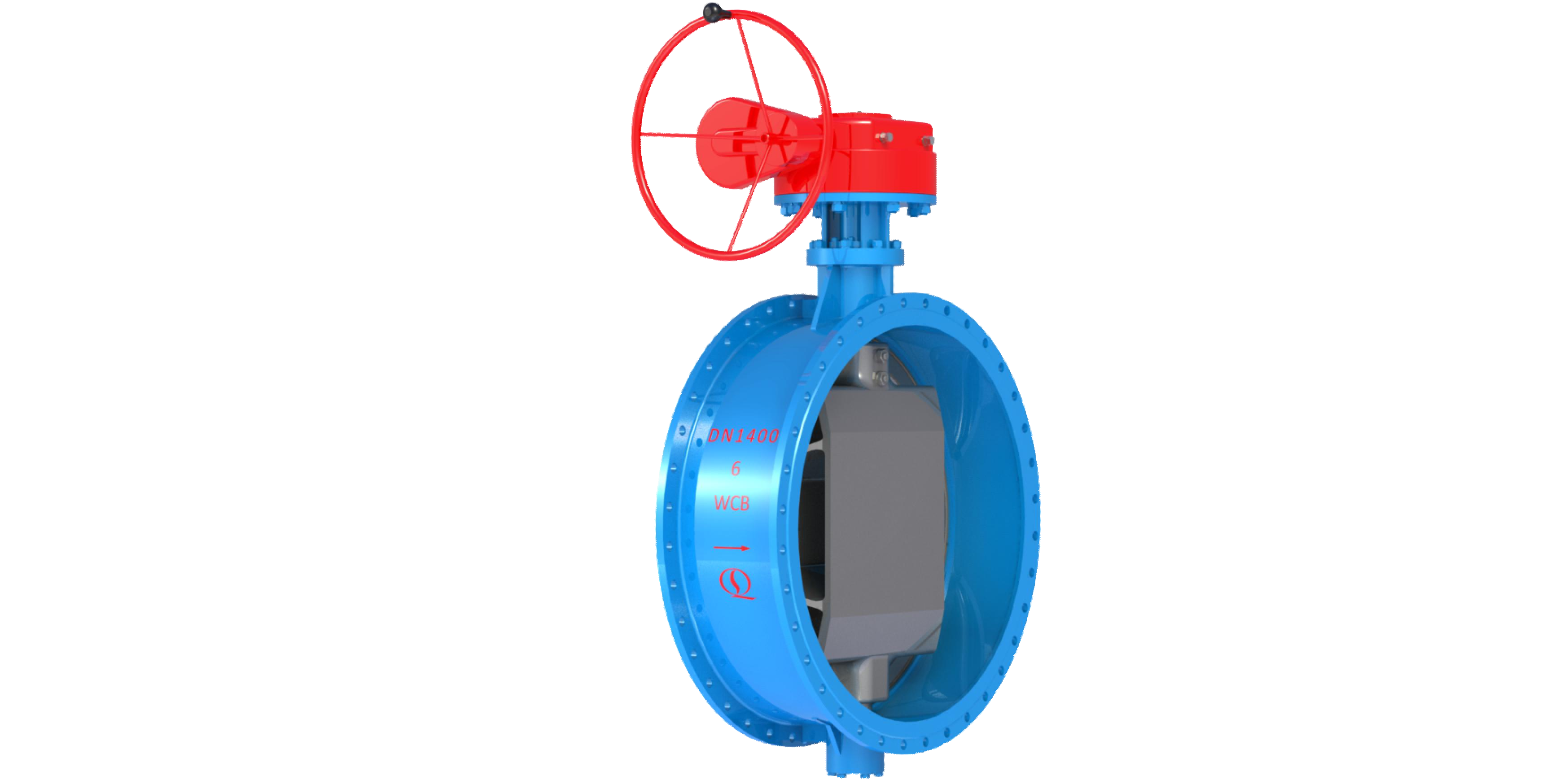
Bidirectional Metal Hard Sealed Seawater Butterfly Valve
Henan Quanshun Flow Control Science & Technology Co., Ltd.
Standard Nozzle Flowmeter
Jinggong Automatic Control Instrument Complete Technology Development Company