Vietnam targets 158,000 social housing units by 2026, prioritizes rental housing development
en.Wedoany.com Reported - Amid rising housing prices in major cities of Vietnam, which exceed the affordability of most workers, developing rental housing is seen as a viable path to meet housing needs, reduce home-buying pressure, and curb real estate speculation.
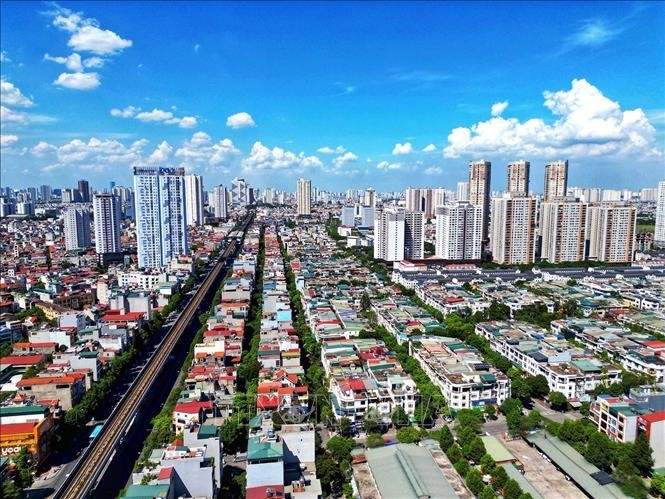
General Secretary and President To Lam recently stated at a working session with the Party Committee of the Government on implementing the Party's directives to strengthen leadership in social housing development that the core function of housing is for living, and it should not be used for business or asset hoarding. In this direction, the rental housing segment is expected to help alleviate housing pressure in densely populated cities and industrial zones.
According to data from the Ministry of Construction, the national target for social housing development in 2026 is 158,723 units. In the first four months of 2026, 40 new projects with a scale of 36,590 units have been started nationwide, achieving approximately 23% of the annual target. To date, a total of 786 such projects are under investment and construction nationwide, with a total scale of 725,146 units, reaching 72.5% of the delivery target under the proposal to "invest in building at least 1 million social housing units for low-income people and industrial park workers in the 2021-2030 period."
Professor and Doctor Hoang Van Cuong pointed out that prioritizing the development of rental housing over for-sale housing is a direction aligned with current needs, especially suitable for those who require stable accommodation but lack savings to purchase a home, or only live and work in a certain area for a limited period. This model allows renters to avoid bearing large home-purchase funds, paying only monthly rent. Combined with national preferential policies, rent can be significantly lower than home-buying costs, thereby reducing the financial burden on workers.
Nguyen Quoc Khanh, Vice Chairman of the Vietnam Supporting Industries Association, Director of the Industrial Infrastructure Committee, and Chairman of DTJ Group, believes that expanding the supply of rental housing helps change the prevailing mindset of "owning a home at all costs." For young people and middle-income workers, spending about 30% to 40% of monthly income on housing ensures quality of life and is a suitable solution.
Professor and Doctor Hoang Van Cuong added that tenants must use the housing correctly and are not allowed to sublet. Developing rental housing rather than for-sale housing is expected to effectively limit speculative activities, as tenants cannot profit from buying, selling, or subletting.
For sustainable market development, experts suggest the need for additional tax incentives to reduce investment costs, thereby keeping rents at an affordable level for the public. At the same time, rental housing needs to be developed in sync with the social infrastructure system. To ensure the effective operation of this model, the state and enterprises need to coordinate synchronously in planning, land, credit, operation, and management to meet genuine housing needs and promote sustainable growth in the real estate market.
Related Products


Pure Polyurethane Wall Panel BD-AEF-PIR-01
Baodu International Engineering Technology Co., Ltd.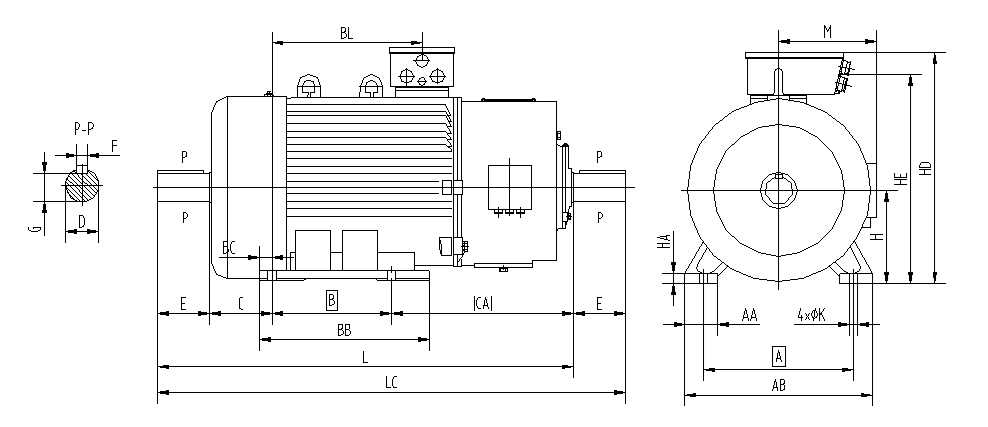
YZR (450-560) Series Wound Rotor Three-Phase Asynchronous Motors for Crane and Metallurgical Applications
Jiamusi Electric Machine Co., Ltd.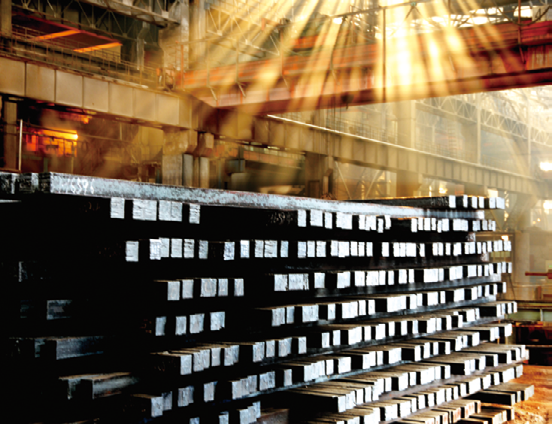
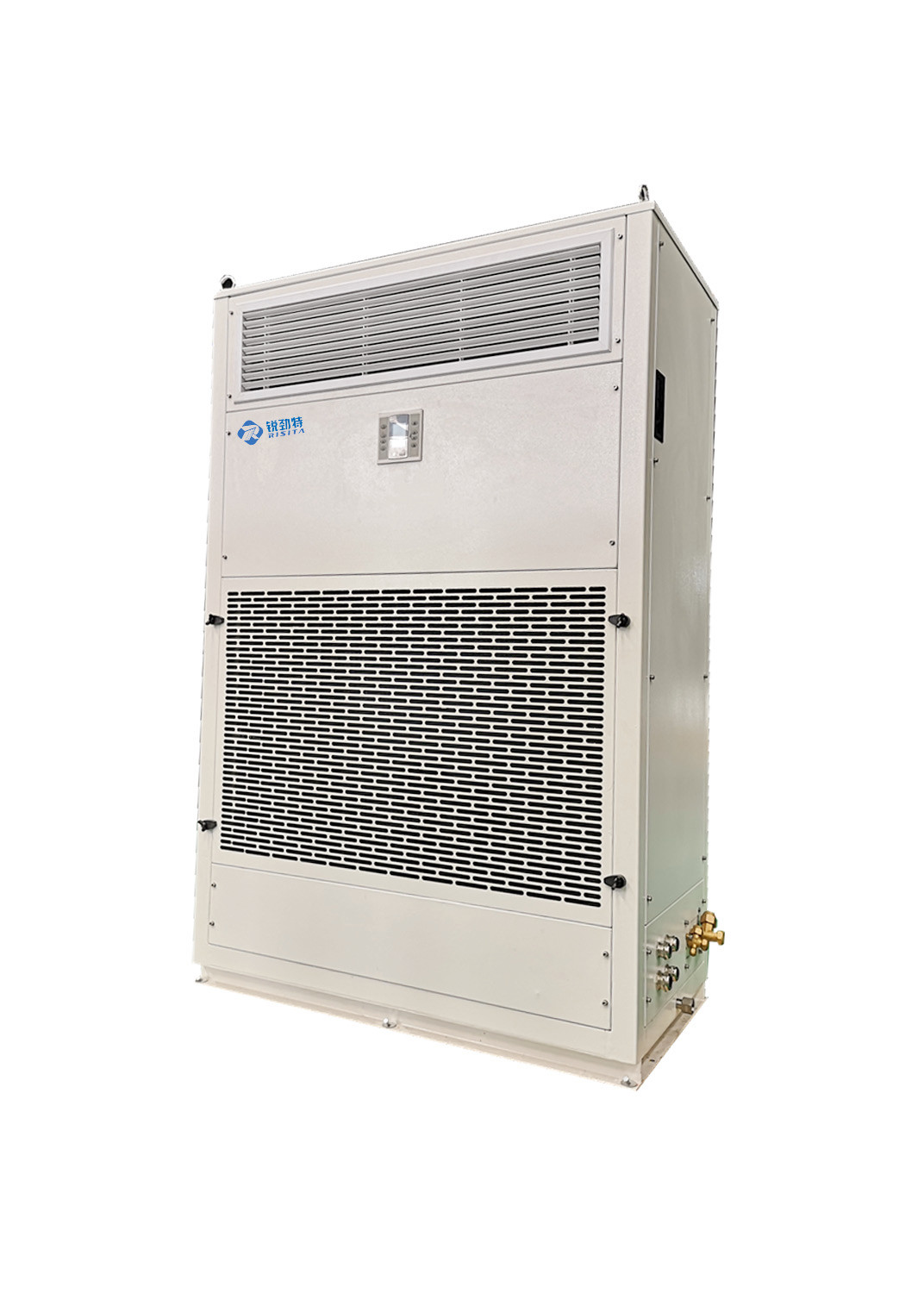
RISITA explosion-proof air conditioning
Guangdong RISITA Air Conditioning Equipment Co.,Ltd.


High-toughness in-Situ Cold Recycling Technology for Original Structural Layers
Central Fortune Creation Technology Group Co., Ltd.
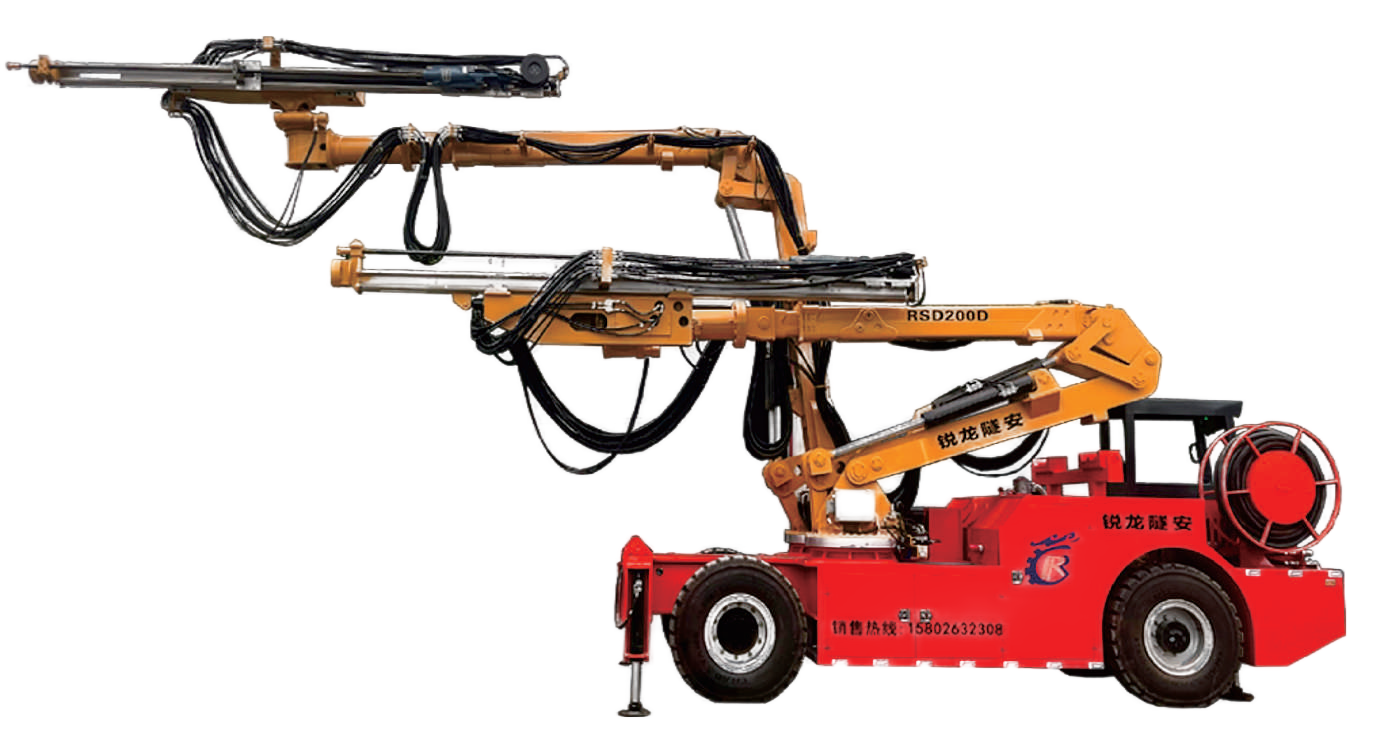
Dual-curved Arm Rock Drilling Trolley RSD200D
Chengdu Ruilong Machinery Manufacturing Co., Ltd.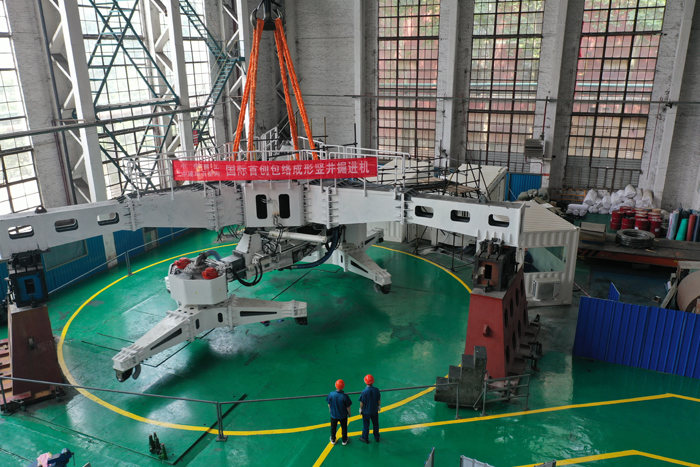
CITIC Heavy Industries Tunneling Equipment Tunnel Engineering Shield Machine
CITIC Heavy Industries Co., Ltd.