Zambia Air Access Project Advances Air Connectivity
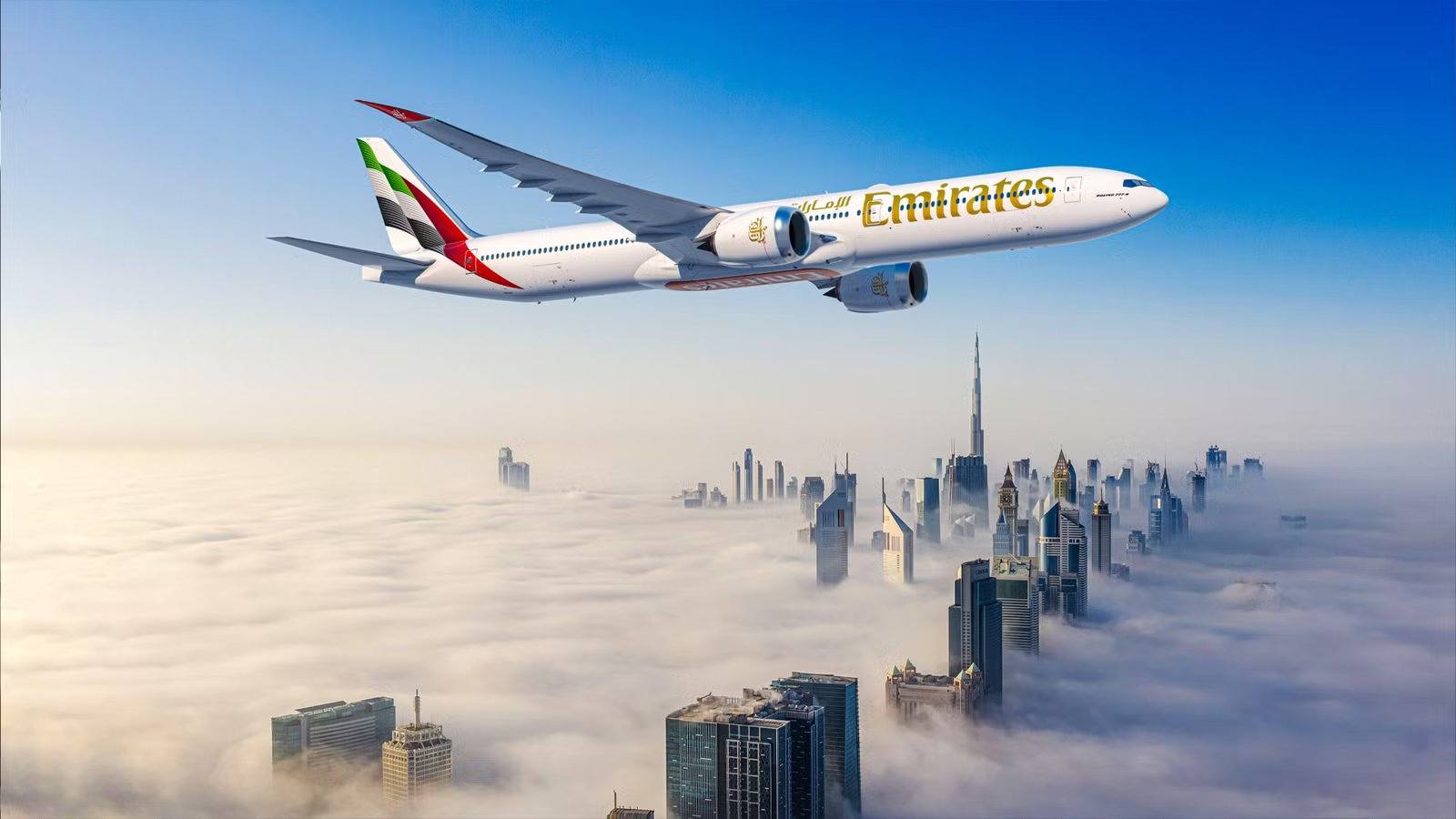
en.Wedoany.com Reported - Zambia’s location between Southern, Central, and East Africa gives it a natural advantage for regional connectivity, but the value of air services depends on direct routes, viable economics, favorable policies, airport infrastructure, and airlines willing to build networks around commercial demand. The country is currently served by 16 airlines, including 14 international operators and 2 domestic carriers, with routes to destinations such as Johannesburg, Dar es Salaam, Kigali, Nairobi, Addis Ababa, and Dubai. The Lusaka-Johannesburg route is one of the busiest and most competitive in the region, operated by Proflight Zambia, Zambia Airways, Airlink, and South African Airways. Ethiopian Airlines connects Lusaka to Addis Ababa Bole International Airport, funneling passengers into one of Africa’s most extensive hub-and-spoke networks, while Emirates provides global connectivity via Dubai.
In the domestic market, traffic is concentrated among a few airlines. Five carriers account for approximately 80% of the country’s air traffic, with Proflight Zambia holding the largest share at around 47%. This position gives Zambia a domestic and regional operator with the scale and capability to participate in route development, but broader connectivity remains highly dependent on external hubs. For travelers and businesses moving between Zambia and neighboring African markets, the lack of direct services adds time and cost. Traveling from Lusaka to Kinshasa may require a connection via Nairobi, to Luanda via Johannesburg, and to Marrakech via Addis Ababa, Paris, and then Royal Air Maroc.
When evaluating routes, airlines consider passenger volumes, corporate demand, tourism flows, investment activity, and cargo potential. The strongest routes are typically supported by clear economic rationales, such as mining, trade, tourism, government activities, regional business links, or freight demand. Unlocking more air connections requires building a route case that demonstrates to airlines where demand exists, who will use the service, and how the route can be supported beyond the initial operational phase. This is where the Air Access Project comes in, developed under the Team Zambia approach, bringing together transport, tourism, airport, civil aviation, and investment stakeholders to work around a coordinated air access strategy. The steering committee includes representatives from the Ministry of Transport and Logistics, the Ministry of Tourism, Zambia Airports Corporation Limited, and the Civil Aviation Authority, while technical work involves route studies and the development of detailed business cases for key destinations.
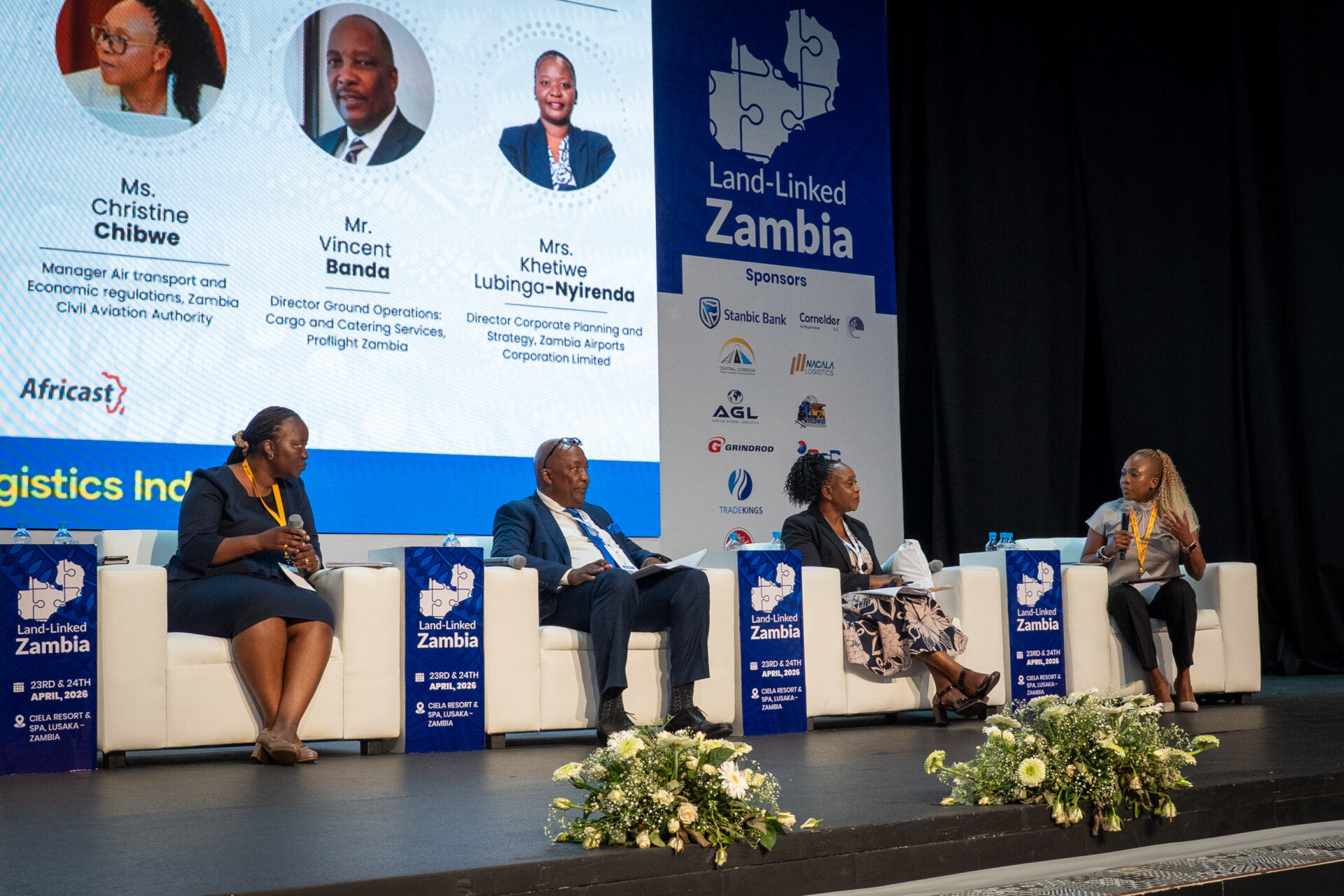
This coordinated route development is particularly important in markets where opportunities are real but not yet fully reflected in scheduled traffic data. Airlines need evidence of mining activity, trade flows, tourism itineraries, corporate accounts, cargo demand, airport support, regulatory openness, and incentives. The involvement of the Zambia Tourism Agency and the Zambia Development Agency helps link aviation planning with industries that generate travel demand. Mining is one of the clearest sources of route potential for Zambia, with economic activity in Angola and the Democratic Republic of Congo potentially supporting stronger air connections, especially when mining companies need to transport staff, spare parts, and expert support. Proflight Zambia’s experience on the Kalumbila route shows that mining activity can sustain air demand when airlines work directly with corporate clients, and by partnering with mining companies and securing base passenger traffic, the risk of new routes can be reduced.
Tourism provides another connectivity case. The Windhoek route launched by Proflight Zambia in April builds on passenger flows between Namibia and Zambia, particularly tourists who may combine Namibia with Livingstone. The Livingstone-Maun route follows the same logic, supporting multi-destination travel patterns. Long-haul tourists from Europe and other source markets look for regions rather than single countries, and better air connections make itineraries combining Victoria Falls, Namibia, Botswana, and other destinations more feasible. Airline credibility also matters; Proflight Zambia’s IOSA audit, inclusion on the IOSA registry, and IATA membership enhance its market position with regulators, partners, and passengers, and also support interline and partnership opportunities.
If Zambia is to strengthen its hub ambitions, cargo infrastructure still needs development. Lusaka’s cargo infrastructure is underdeveloped, limiting its ability to attract and support freight activity. Markets like Kenya demonstrate how air connectivity, agriculture, dedicated cargo services, and infrastructure can reinforce each other. Zambia currently has limited scheduled dedicated cargo activity, but if airport infrastructure and market access improve, stronger cargo capabilities could support mining, agriculture, trade, and time-sensitive logistics. Maintenance, repair, and overhaul (MRO) capability is another missing piece; developing MRO capacity would make Lusaka more useful for regional operators and help Zambia capture value beyond passenger movements.
Airport charges, handling costs, passenger taxes, and visa processes affect the commercial attractiveness of a destination. Easier entry, including more efficient use of visa-on-arrival mechanisms, can increase Zambia’s appeal to tourists and business travelers. Lusaka’s current transit share is estimated at around 5%, while major African hubs like Addis Ababa handle a much higher proportion of transit passengers. This gap suggests that Zambia has underutilized infrastructure to capture more connecting traffic if the policy, airport, and airline environment becomes more competitive. Continental liberalization remains a long-term driver; the Single African Air Transport Market (SAATM), built on the principles of the Yamoussoukro Decision, aims to remove barriers restricting intra-African aviation. Although many countries have signed the framework, implementation is slow, and protectionism continues to affect designations, frequencies, capacity, permits, and market access.
Zambia has adopted a more open approach, moving away from restrictive bilateral air service agreements to bring the framework closer to the Yamoussoukro Decision and SAATM. Greater flexibility in designations, capacity, frequencies, and fifth-freedom rights will allow airlines to build routes based on market demand. Multilateral agreements, code-sharing, and joint ventures can help African airlines serve more markets without operating every route independently. This partnership model is crucial; collaboration between airlines, airports, regulators, tourism agencies, investment bodies, and key economic sectors will support route development. The relationship between Proflight Zambia and Zambia Airports Corporation Limited demonstrates how airline-airport cooperation can support route development. As regional economies grow and intra-African travel demand increases, Zambia has the opportunity to position Lusaka as a stronger connection point between Southern Africa, Central Africa, and the wider continent through route development, policy reform, and infrastructure investment.
Related Products


GSR6-27.5kV SF6 Free Gas-insulated Metal-enclosed Switchgear
Zhejiang Juhonkia Intelligent Electric Co., Ltd.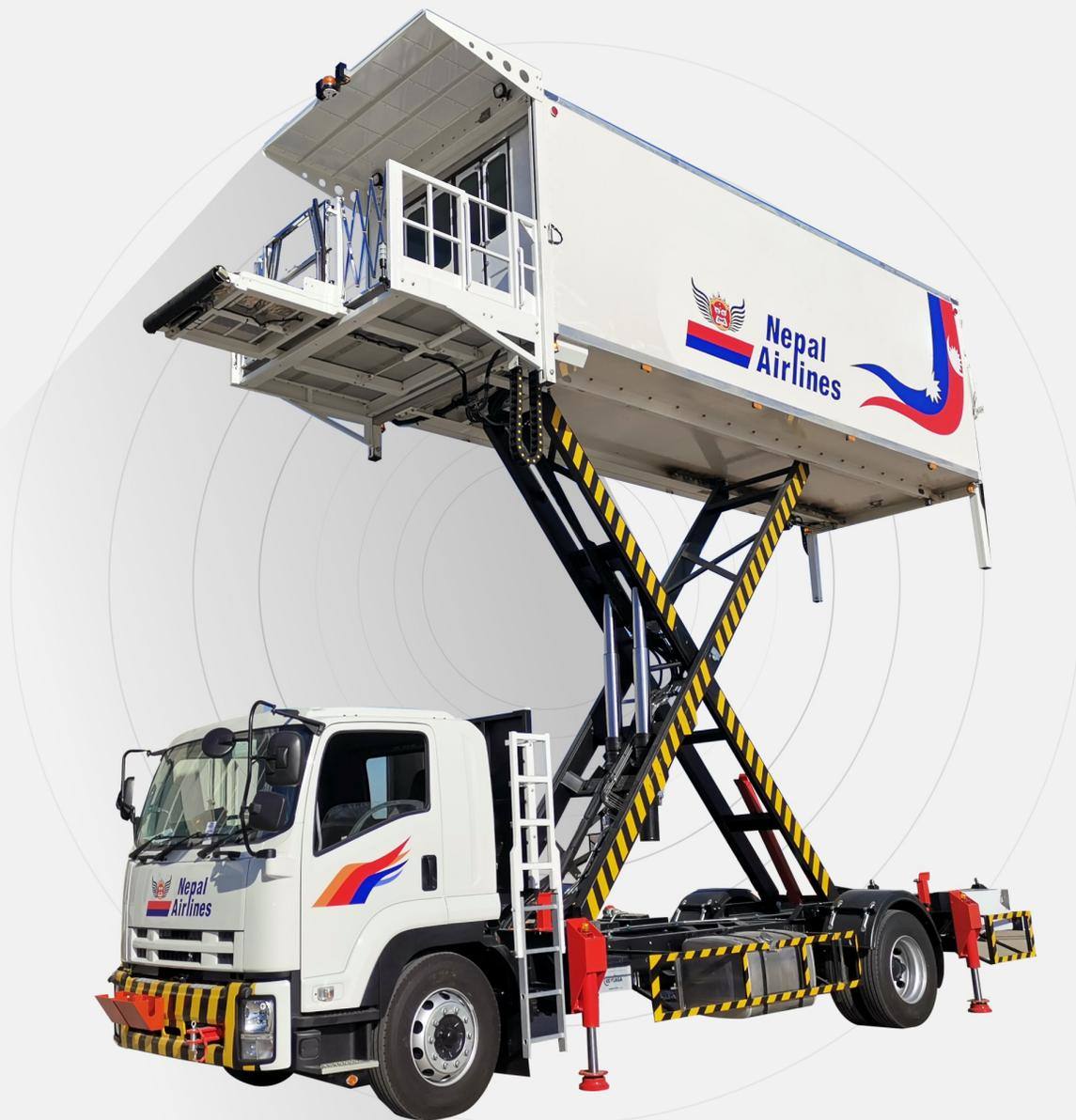
XC-6000e Type Aviation Catering Truck (Fuel Type)
Shenzhen CIMC-TianDa Airport Support Ltd.

Wheel and Track Technology Business
Beijing Research & Design Institute of Rubber Industry Co., Ltd.


ERW Welded Pipe (Black Pipe and Hot-dip Galvanized Steel Pipe)
Handan Zhengda Steel Pipe Co., Ltd.
ZY(J)7(M) Sealed Type Electro-Hydraulic Turnout Machine
TAIYUAN CR JINGFENG EQUIPMENT TECHNOLOGY CO., LTD.