Askari Metals Eyes African Exploration Expansion, Focusing on Polymetallic Projects in Ethiopia and Namibia
en.Wedoany.com Reported - Askari Metals Ltd (ASX: AS2) is sharpening its growth strategy by focusing on the Nejo gold-copper project in Ethiopia and the Uis polymetallic project in Namibia, creating a more concentrated African exploration platform through portfolio optimization.
The company has restructured its portfolio around two assets with clear commodity exposure and well-defined exploration pathways. The Nejo project provides leverage to gold and copper, where Askari is building a long-term position in an under-explored mineral belt; the Uis project gives the company exposure to one of Namibia's recognized pegmatite districts, involving tin, lithium, tantalum, rubidium, and cesium.
This shift is supported by a cleaner balance sheet, a more focused asset base, and an exploration program designed to deliver catalysts across both jurisdictions.
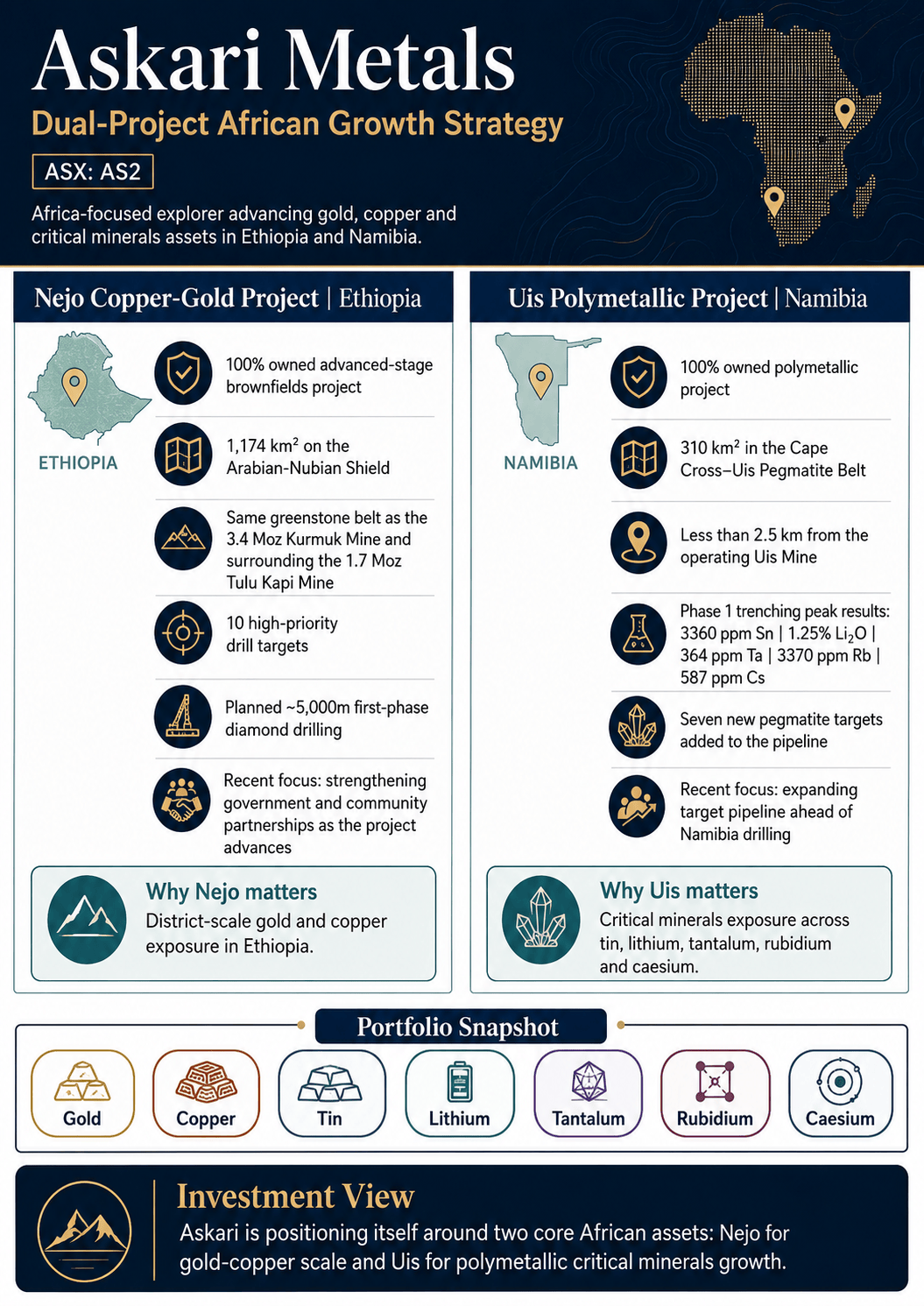
Nejo and Uis are now central to Askari's strategy, together providing the company with exposure to precious metals, base metals, and critical minerals, while enabling it to concentrate capital and technical work on projects with scale, target depth, and near-term exploration activity. Askari is accelerating the first JORC 2012 Mineral Resource Estimate at Nejo, while continuing work at Uis in Namibia. This combination gives Askari a more balanced investment profile than a single-project explorer.
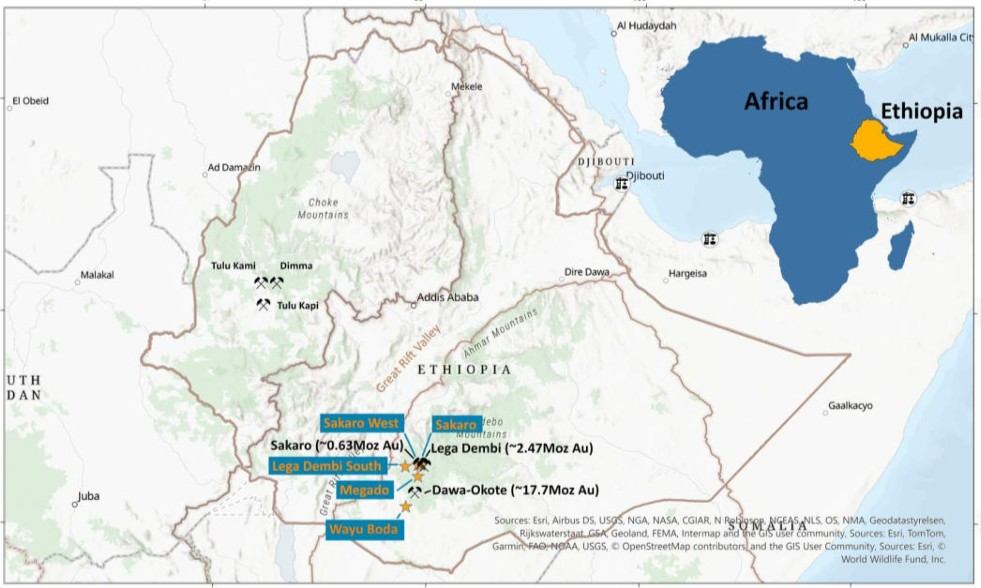
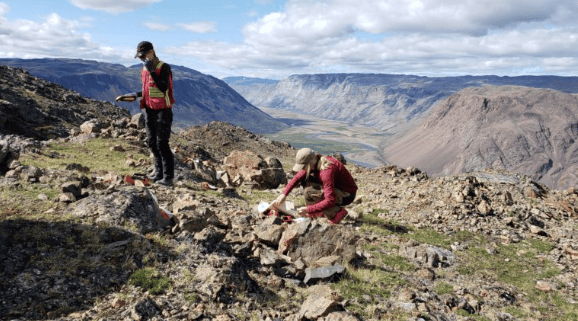
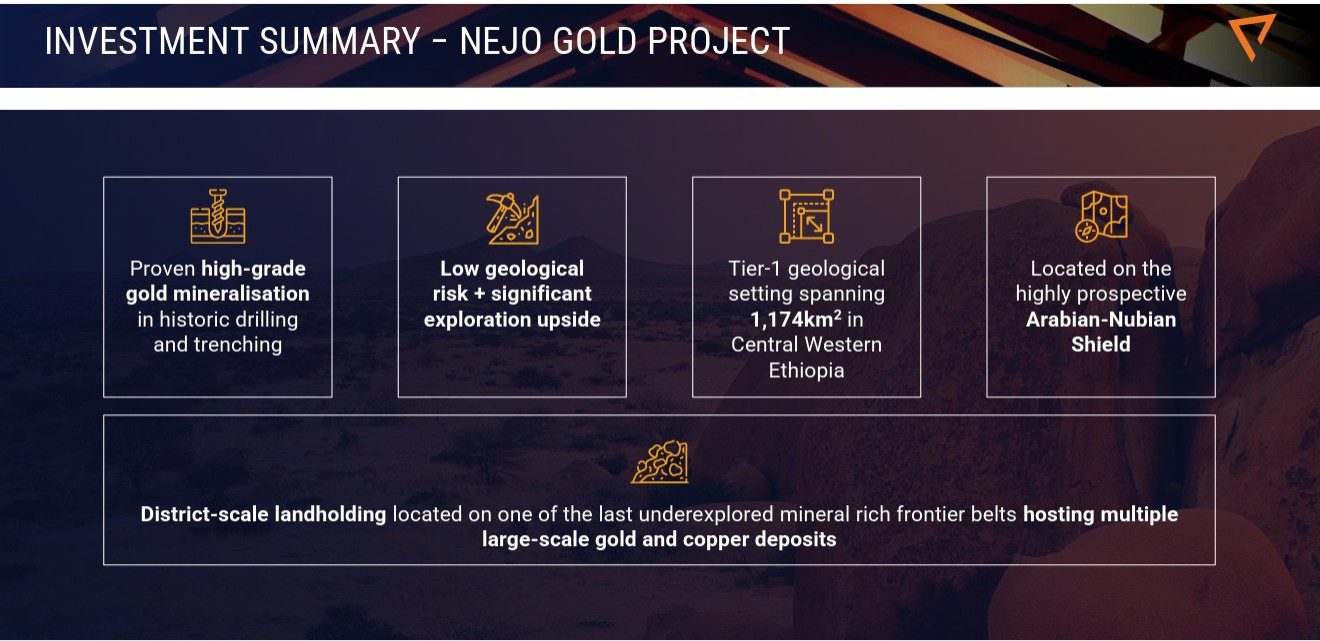
The Nejo project provides Askari with a large exploration position in west-central Ethiopia, covering approximately 1,174 square kilometers of the Arabian-Nubian Shield. The project hosts multiple shallow, high-grade gold-copper targets identified through historical drilling, trenching, and mapping. The company continues to advance exploration planning at Nejo, including compiling and digitizing historical data to support upcoming drilling. This work aims to refine drill-ready targets and establish a technical foundation for a more systematic evaluation of the project's gold-copper potential. As Askari advances the project, it is also strengthening government and community partnerships in Ethiopia, with engagement with local community leaders, regional authorities, and Ethiopian federal government representatives forming part of the company's support for planned exploration and development activities.
In Namibia, Uis has become a key component of Askari's growth story. Covering approximately 310 square kilometers and located less than 2.5 kilometers from the Uis mine operated by Andrada Mining, the project is positioned as a polymetallic critical minerals project involving tin, lithium, tantalum, rubidium, and cesium. Recent work has reinforced this opportunity, with Askari reporting encouraging trenching results from the K9 pegmatite target at Uis, confirming widespread polymetallic mineralization and supporting a drilling program. Previous trenching at DP also confirmed strong, continuous polymetallic mineralization at that target, laying the groundwork for a planned reverse circulation drilling program. Additional work at the OP pegmatite target confirmed continuous tin, lithium, and tantalum mineralization within a large-scale system. These results have helped Uis transition from a target generation phase to a more advanced exploration stage.
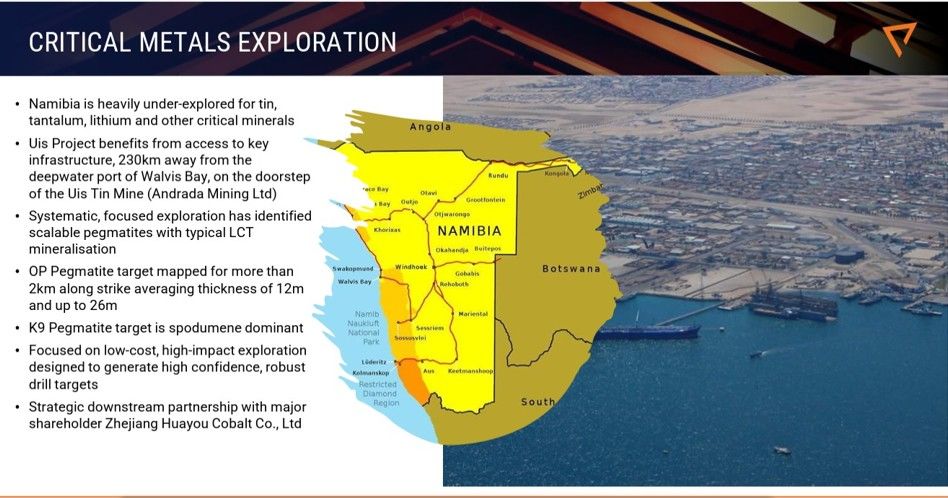
Askari continues to expand the target pipeline at Uis through remote sensing and hyperspectral work, identifying seven new high-priority pegmatite targets across two licenses, including Eve, GP, MW, and K10 on EPL 7345, and Tawny, Martial, and Zebedeus-1 on EPL 8535. The target generation work adds scale to Uis, with the company not relying on a single pegmatite body but developing a broader prospectivity system across the project area.
Project progress is accompanied by corporate restructuring efforts. The company has repaid debt to support faster exploration of its African portfolio, and Askari is well-funded to execute near-term exploration programs at Nejo and Uis. Executive Director Gino D'Anna described the portfolio streamlining as a highlight, with drilling at Nejo and field work at Uis forming the foundation of the company's future plans.
The Nejo project gives the company exposure to gold and copper in Ethiopia, where gold remains a core exploration commodity and copper is linked to electrification, energy infrastructure, and long-term industrial demand. The Uis project provides Askari with a standalone critical minerals platform in Namibia, where tin, lithium, tantalum, rubidium, and cesium offer supply chain exposure related to electronics, batteries, specialty technology, and industrial applications. Together, these assets give Askari a broader commodity mix while maintaining strategic focus.
Askari has entered a more execution-focused phase. At Nejo, the company is working to convert historical data, field activities, and stakeholder support into drill-tested gold-copper targets. At Uis, trenching and remote sensing have expanded the target base ahead of drilling across multiple pegmatite prospects. This provides Askari with a dual-track growth landscape, where the next phase will be defined by drilling, target validation, and the company's ability to translate the geological potential of Nejo and Uis into measurable exploration value.
Related Products

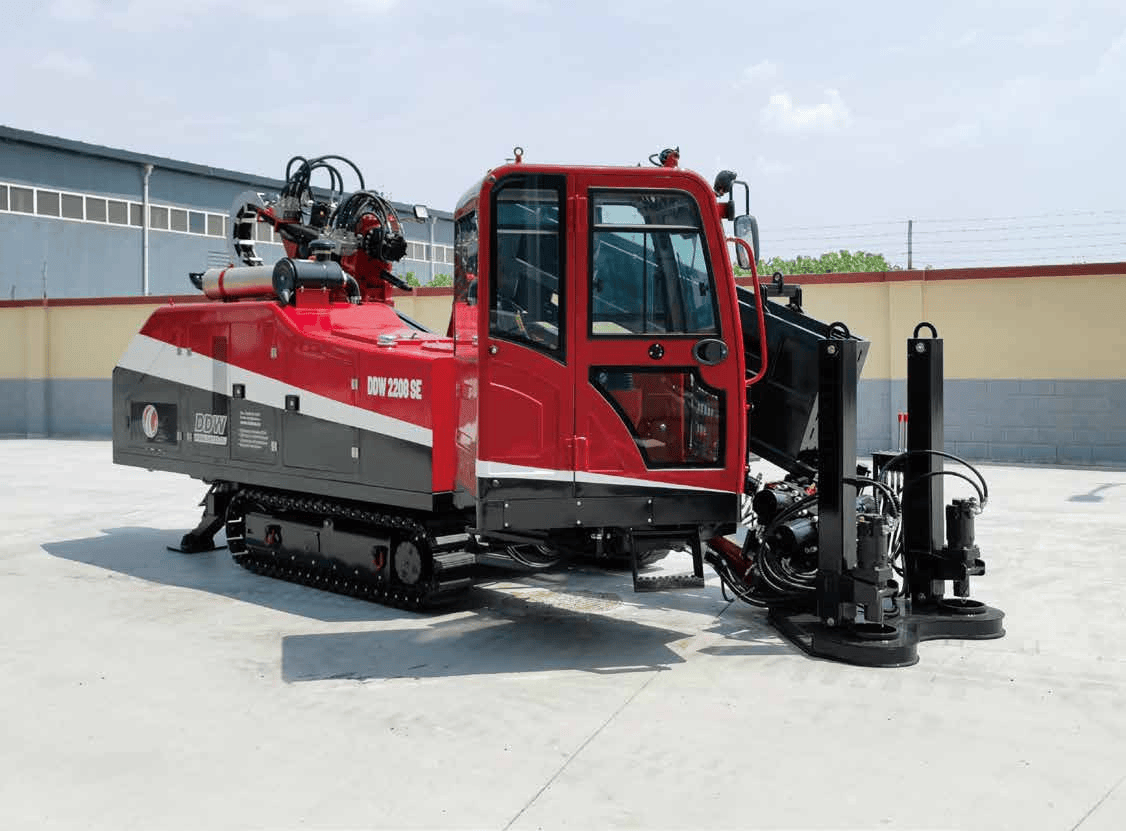
DDW22/08SE-HORIZONTAL DIRECTIONAL DRILL
DW/TXS Construction Equipment (Beijing) Co., Ltd.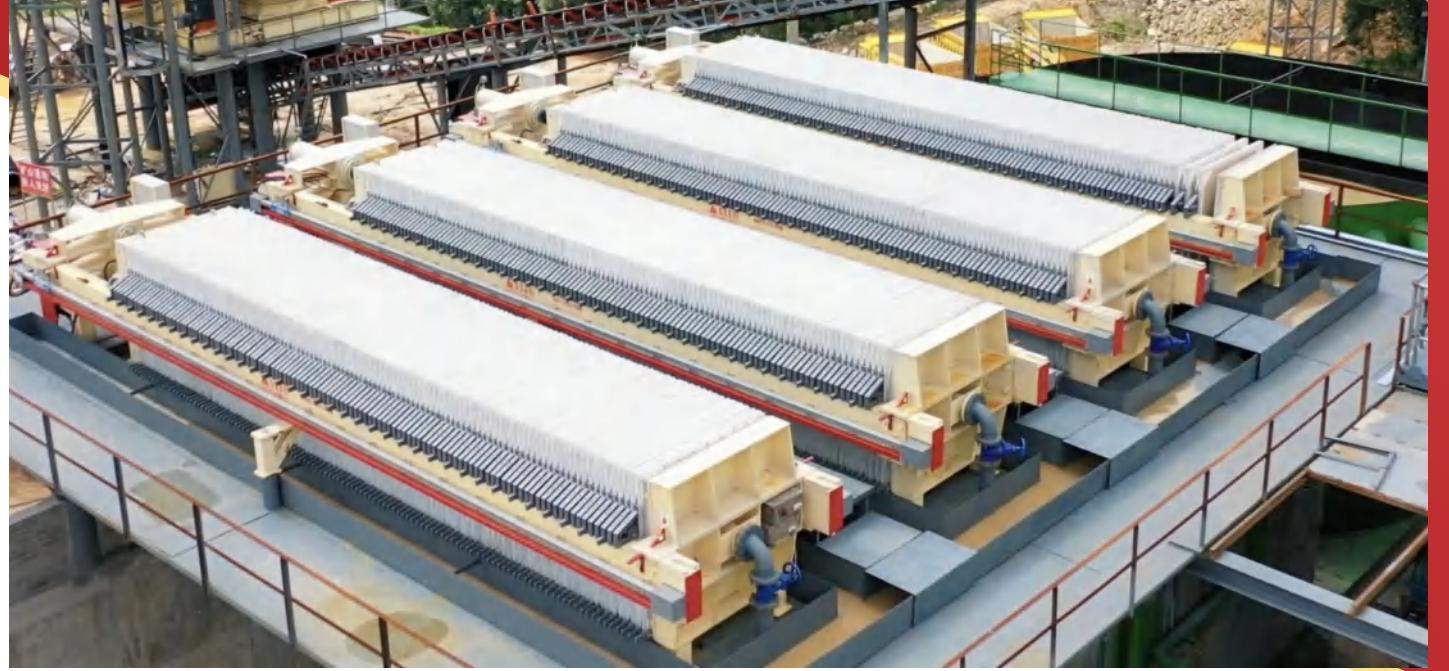
Hydraulic Plate and Frame Filter Press
Guangdong Leimeng Intelligent Equipment Group Co., Ltd.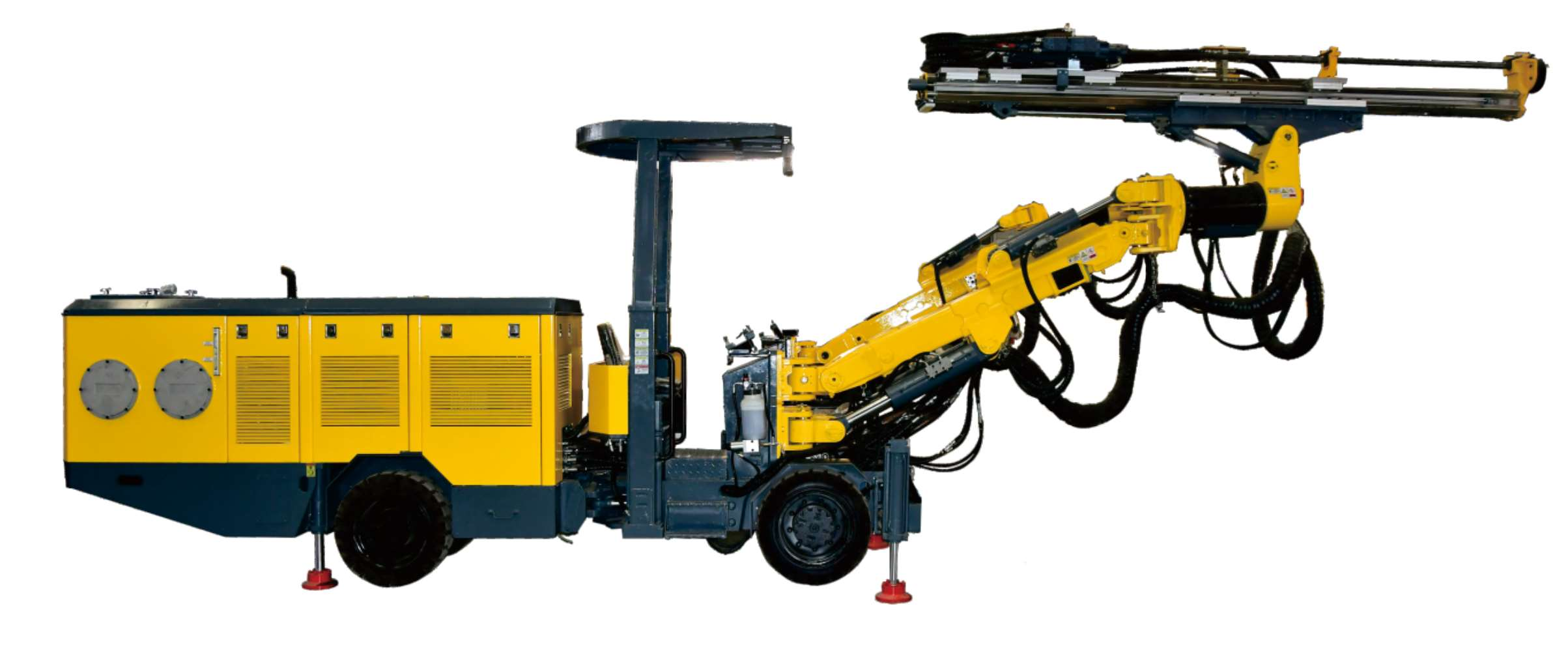
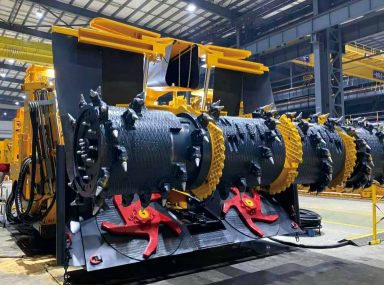
Integrated Excavation and Anchoring Machine (EJM Series)
China Railway Construction Heavy Industry Corporation Limited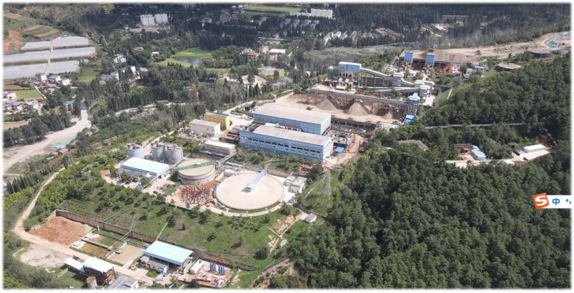
Yunnan Phosphorus Chemical Group Co., Ltd. 2 Million t/a Phosphorus Ore Mining and Beneficiation Project
China Bluestar Lehigh Engineering Corporation
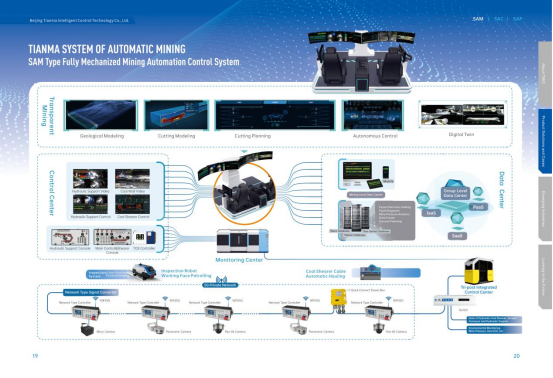
Comprehensive Mining Automation Control System
Beijing Tianma Intelligent Control Technology Co., Ltd.