en.Wedoany.com Reported - US startup Valar Atomics has entered a strategic partnership with Nvidia to directly power artificial intelligence chips using microreactors, completing a historic demonstration. This marks the first time a next-generation reactor built by a startup has generated electricity to drive computing chips.
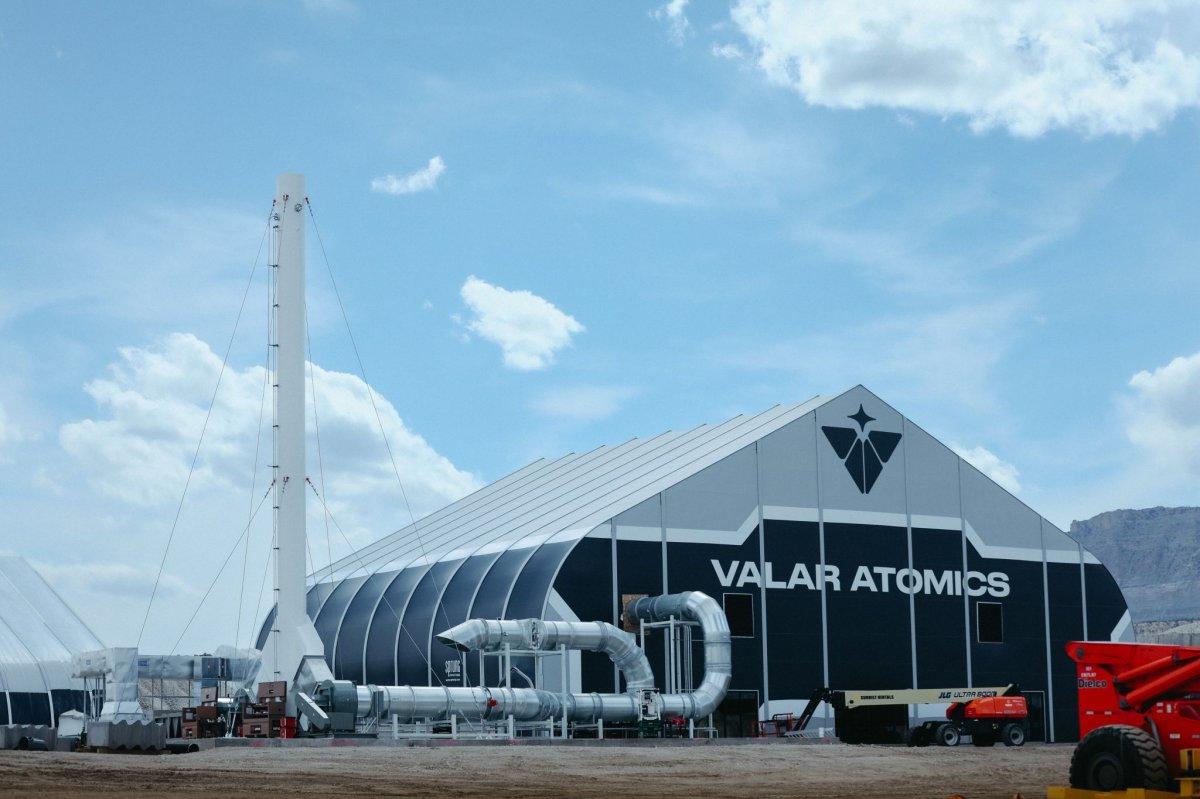
The announcement was made in Orangeville, Utah, accompanied by a live demonstration: Valar Atomics' Ward 250 microreactor successfully connected and supplied power, enabling Nvidia's Blackwell chip architecture to run and temporarily host a webpage. The enormous energy demands of AI data centers spurred this collaboration, aiming to alleviate the pressure these facilities place on water resources.
The joint project plans to deploy a 30-megawatt pilot facility, 300 times smaller than conventional data centers already approved in the region, designed with near-zero water consumption. The solution leverages a combination of two technological innovations: Valar Atomics' high-temperature reactor uses helium instead of water for thermal cooling; Nvidia provides a new AI factory design called DSX, employing direct liquid cooling through a closed-loop circuit. Water circulates continuously at 113°F (45°C), eliminating traditional industrial chillers and reducing water consumption from approximately 2.6 million gallons per megawatt per year to nearly zero.
Founded in 2023, Valar Atomics has advanced rapidly in the nuclear sector. Its microreactor reached criticality on June 18 this year and now generates 100 kilowatts of electricity. The U.S. government facilitated this progress through an Energy Department pilot program and an executive order signed by President Trump. This technology aligns with the trend of major tech companies seeking "behind-the-meter" energy, bypassing public grid saturation and bureaucratic procedures by owning private power generation facilities adjacent to computing centers.
Despite the successful demonstration, the project still needs to address regulatory issues before commencing commercial operations. Ho Nieh, Chairman of the U.S. Nuclear Regulatory Commission, stated that the agency intends to reduce the license evaluation time for such advanced microreactors to under 18 months. If realized, this alliance could redefine the future of global digital infrastructure without forcing society to choose between AI progress and protecting natural resources.