Mitsubishi Heavy Industries Reduces Data Center Cooling System Energy Consumption by 2.3%
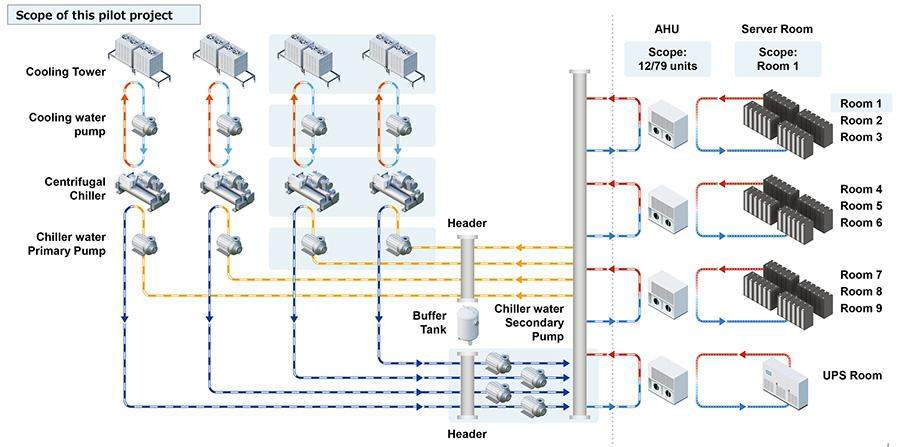
en.Wedoany.com Reported - Mitsubishi Heavy Industries (MHI) has successfully demonstrated cooling system optimization technology at the Fujitsu AKASHI Data Center, reducing cooling energy consumption by 2.3% while maintaining stable operation. The project validated the feasibility of system-level energy-saving pathways by holistically controlling shared cooling equipment under multi-vendor infrastructure and air handling units within server rooms.
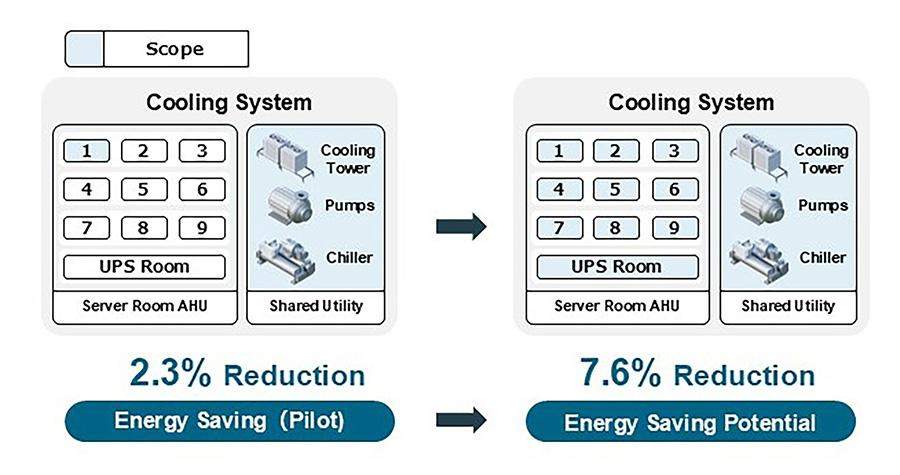
Traditional cooling optimization typically targets single equipment, whereas this demonstration adopted a vendor-agnostic system-level holistic control strategy. The research team identified temperature distribution within server rooms as a key bottleneck affecting energy efficiency. By simulating and optimizing air conditioning unit operations to rebalance airflow, the temperature distribution improved by 2 degrees Celsius. Adjusting the operating points of shared cooling infrastructure accordingly while maintaining cooling water at appropriate temperatures reduced overall cooling system energy consumption by 2.3%. Additionally, the coefficient of performance (COP) of the centrifugal chiller improved by more than 1.2 points.
This demonstration was conducted only in a portion of the data center's server rooms. MHI estimates that extending this approach to all server rooms would achieve cooling system energy savings of 7.6%, significantly improving overall Power Usage Effectiveness (PUE). PUE is a key metric for measuring data center power efficiency, with values closer to 1.0 indicating higher efficiency.
Shoji Yamasaki, General Manager of MHI's Data Center and Energy Management Division, stated that operating data centers requires improving energy efficiency while utilizing existing equipment. This demonstration proves that system-level cooling optimization—especially in multi-vendor environments—can deliver quantifiable energy savings under real-world operating conditions.
MHI noted that global data center demand is surging, with cooling systems alone accounting for over 60% of non-IT power consumption (source: International Energy Agency, IEA). Existing facilities often prioritize operational stability, making energy efficiency improvements difficult to balance. As AI workloads increase, operating conditions become more stringent, and traditional energy-saving methods have limited effectiveness in multi-vendor environments. Going forward, MHI plans to extend this approach to decarbonized energy, resilient power systems, and digital solutions to support sustainable data center operations.
Related Products

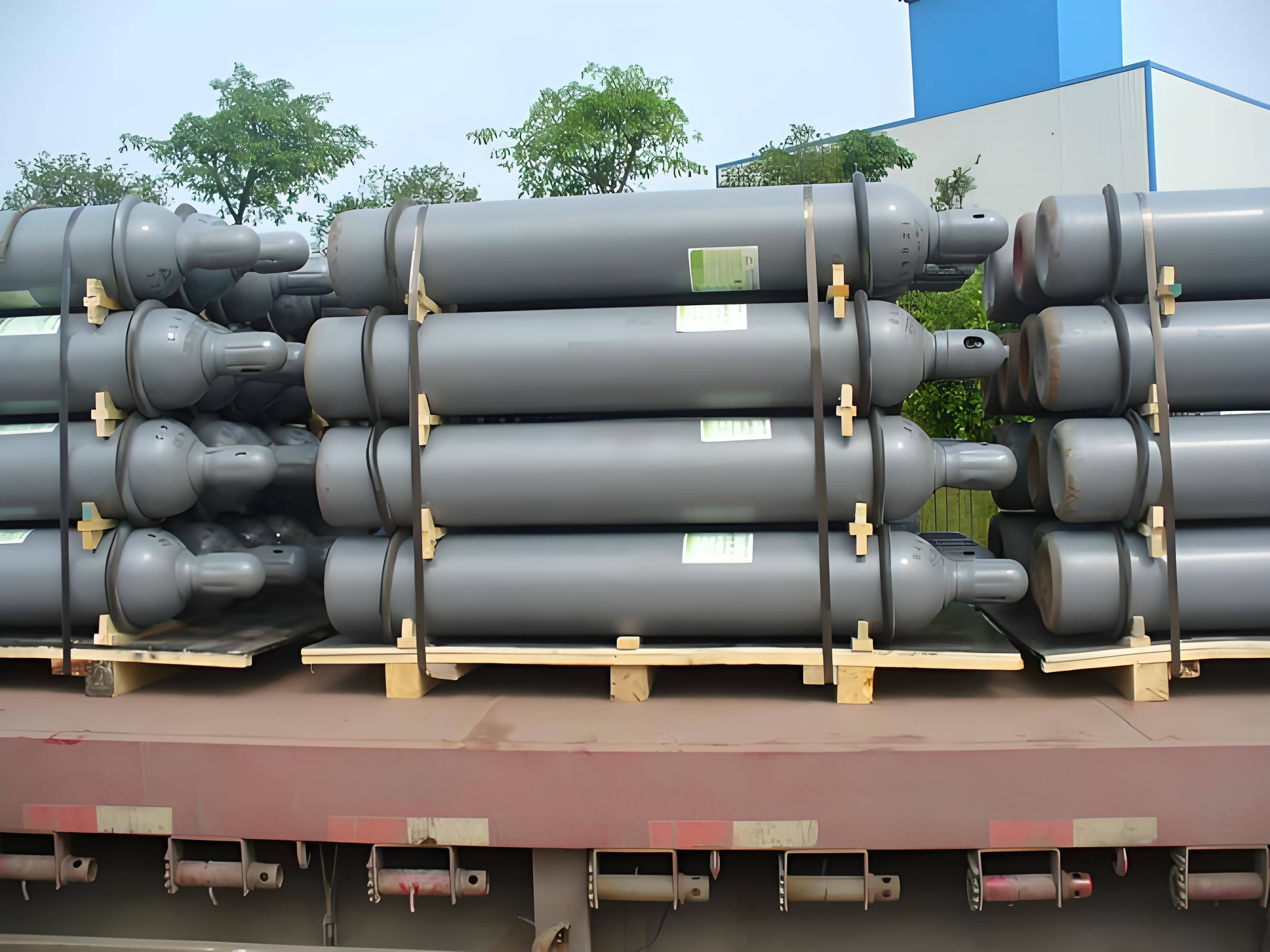
Global Sulfur Hexafluoride Gas Supply and Cylinder Export
Foshan Yuexin Industrial Gas Co., Ltd.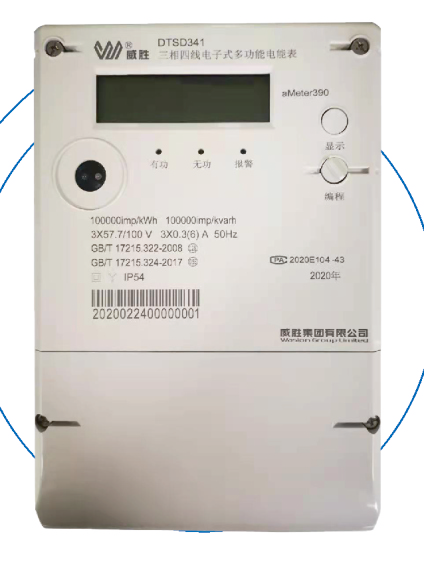
Overseas IEC Gateway Energy Meter - DTSD341/DSSD331-aMeter390
Wasion Group Limited Co., Ltd.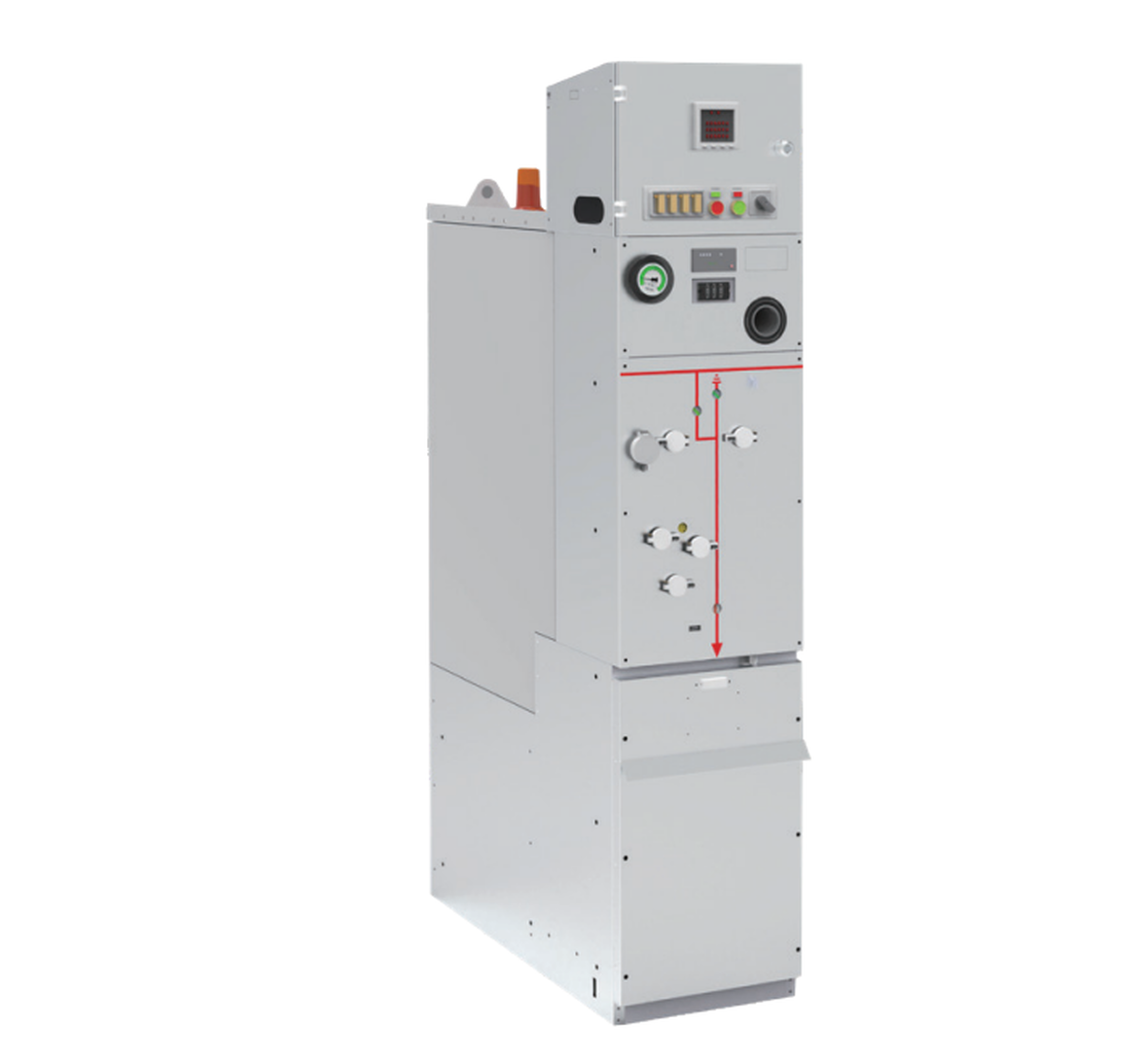

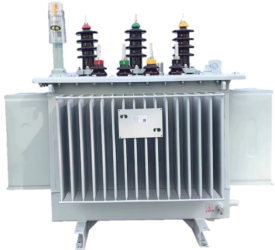
Oil-immersed Amorphous Alloy Core Distribution Transformer
Pinggao Group Smart Electric Co., Ltd.
Hydrogen Production Technology: Hydrogen Purification by Pressure Swing Adsorption
Chengdu Yizhi Technology Co., Ltd.
Hydrogen production and hydrogenation charging refueling gas integrated energy station
Shenzhen Kohodo Hydrogen Energy Co., Ltd.
Manufacturer Direct Sales Tesla New Energy Electric Vehicle Universal DC 180kW Dual-gun Charging Pile Commercial Fast Charger
Anhui Haidira Electric Technology Co., Ltd.