en.Wedoany.com Reported - Hawaii is undergoing an energy policy shift, with Governor Josh Green advocating for the introduction of liquefied natural gas (LNG) to replace oil-fired power generation, a move critics say threatens the state's legal goal of fully decarbonizing its power system by 2045.
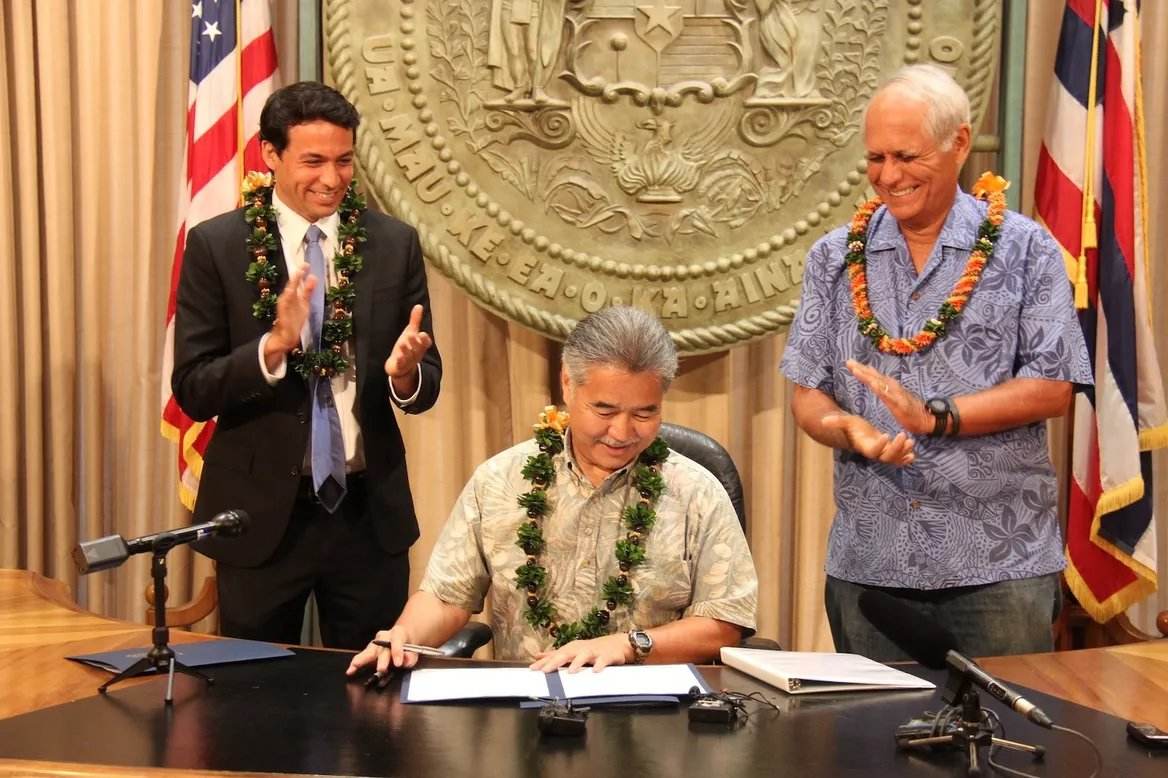
In 2015, then-Governor David Ige signed the first U.S. law committing the state's entire power grid to run on renewable electricity. A decade later, after the renewable energy buildout was hit by the pandemic, supply chain disruptions, and the Maui wildfires, the state still has the highest electricity rates in the nation, and residents remain vulnerable to global oil market volatility. Governor Green has turned to supporting a $2 billion bid by Japan's largest energy company, JERA, to build a floating LNG import terminal called Longboard LNG.
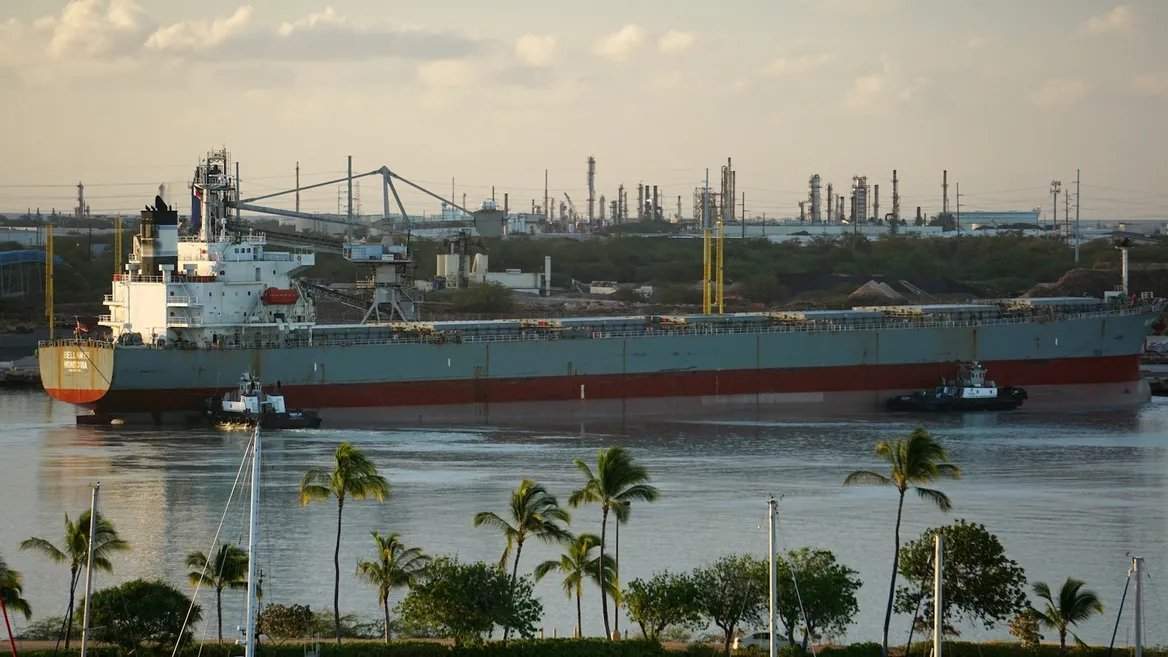
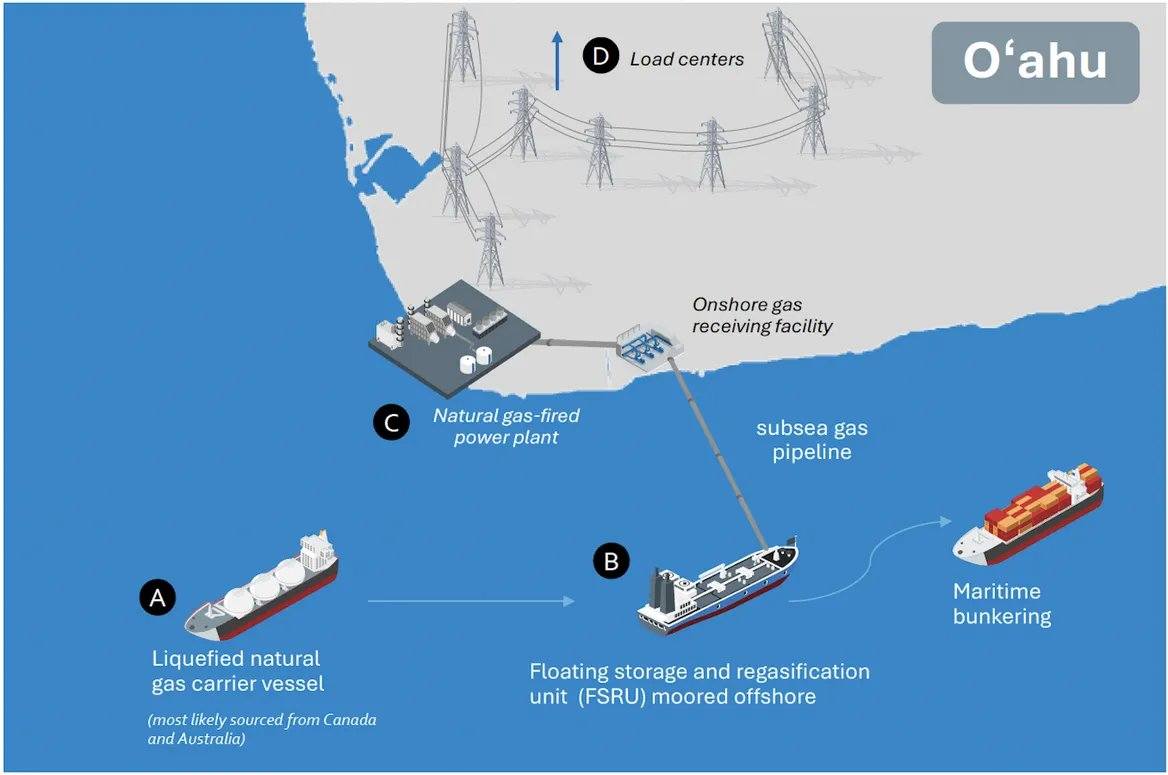
JERA plans to moor a floating LNG receiving vessel off the coast of Barbers Point in the industrial area of West Oahu. LNG carriers would dock every three to four weeks, delivering fuel via an undersea pipeline to shore to power a new 500-megawatt power plant. The plant could meet about 40% of the island's peak electricity demand, with a target commercial operation date of 2030. Green believes natural gas can help the state move away from expensive and polluting oil. JERA claims it could save Oahu households an average of $500 per year on electricity bills.
But critics question the move to tie Hawaii to another uncontrolled imported fossil fuel. State Senator Chris Lee, a Democrat and drafter of the 100% clean energy law, said it is impossible to solve the dependence on imported oil by switching to another import that cannot be controlled. A study released in January by the Hawaii State Energy Office concluded that switching to natural gas could save residents $700 million, but it was later found to contain a critical formula error. Electrical engineer Matthias Fripp, testifying before the state House Energy Committee, pointed out that the Energy Office's spreadsheet omitted the fuel cost of LNG compared to oil. After correcting the error, the plan would actually cost consumers about $300 million more. The State Energy Office eventually acknowledged an "unintentional algebraic syntax error" and withdrew the scenario showing the maximum net benefit.
Data from Hawaiian Electric Company shows that from May 2015 to May 2026, the electricity bill for a residential customer on Oahu using 500 kilowatt-hours per month rose from $140.48 to $256.27. Despite having the highest rooftop solar adoption rate in the nation, households unable to install solar panels still face the highest electricity bills in the country.
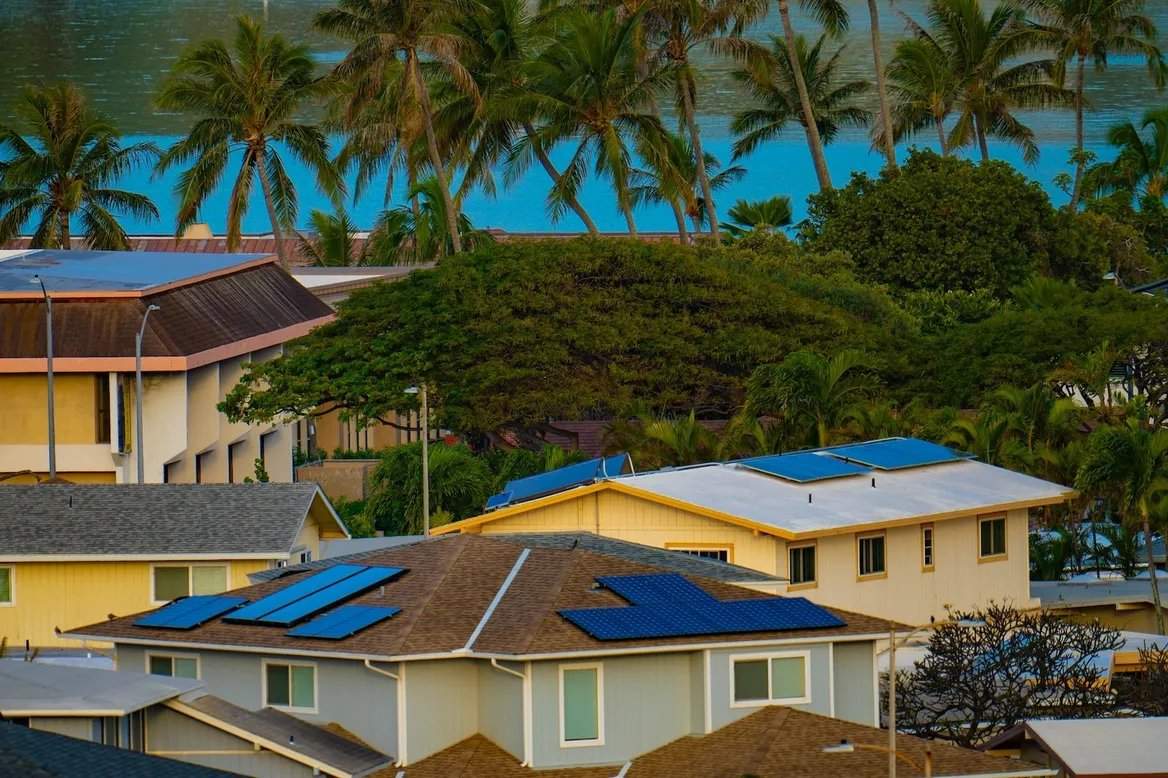
During the renewable energy buildout, Clearway Energy's Mililani I Solar project was completed on time, while other projects were delayed by the pandemic and permitting processes. After a deadly wildfire swept through the town of Lahaina on Maui, Hawaiian Electric's credit rating fell to junk status, leading Clearway to cancel three major solar projects.

Governor Josh Green publicly suggested at a local energy conference that LNG could reduce dependence on oil and lower energy bills. In October 2024, the Governor's office announced a strategic partnership with JERA.

Mark Glick, Chief Energy Officer of the State Energy Office, was accused of a critical formula error during a House Energy Committee discussion on an alternative energy pathway study. Committee Chair, Democratic Representative Nicole Lowen, urged Glick to acknowledge the mistake. Glick initially said he had not had time to review the discrepancy, but the committee found that Fripp had notified the office of the error via email three weeks before the hearing, and the team did not follow up. The Energy Office then posted on Instagram that Fripp's claim was "incorrect," but six days later acknowledged the "unintentional algebraic syntax error" and withdrew the relevant scenario.

A map from the JERA project proposal shows the LNG port and load center. State officials collaborated with iQ 360, a public relations firm contracted by JERA, on a media campaign to promote the LNG proposal.
The Energy Office subsequently revised the unwithdrawn scenario, showing the net present value jumping from $150 million to $651 million. Rick Rocheleau, Director of the Hawaiʻi Natural Energy Institute (HNEI), said that spreading the $651 million over the proposed 15-year timeline of natural gas combustion would result in savings of less than one cent per kilowatt-hour, calling JERA's claimed 20% savings a "mirage."
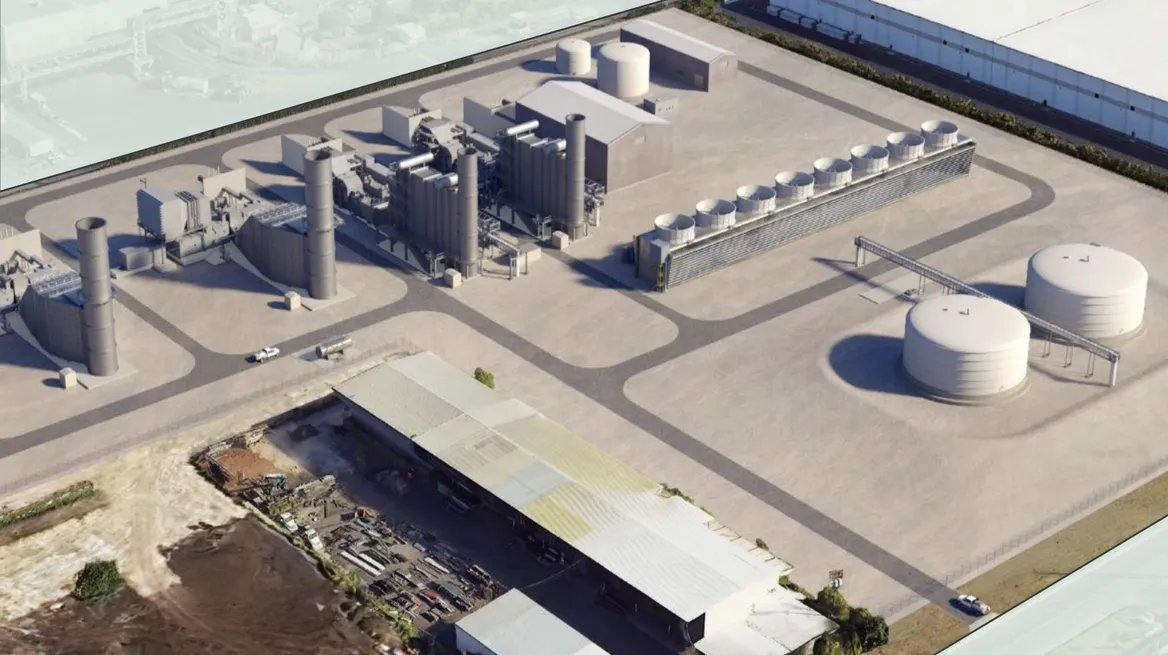
JERA's proposal faces timeline challenges. It expects to fully complete the LNG terminal and power plant by 2030, but natural gas power plants are typically massive investments that operate for decades to recoup costs. Environmental attorney Isaac Moriwake said that project approval through the Public Utilities Commission could take years, and community members have the right to appeal to the state Supreme Court, a possibility he called "almost certain."
The experience of Kauai offers an alternative path. The island is powered by the Kauaʻi Island Utility Cooperative (KIUC), which, by building ample solar and battery storage, often runs entirely on renewable energy on sunny days. Its leaders expect to completely abandon fossil fuels by 2033. The island already has the lowest electricity rates in the state.
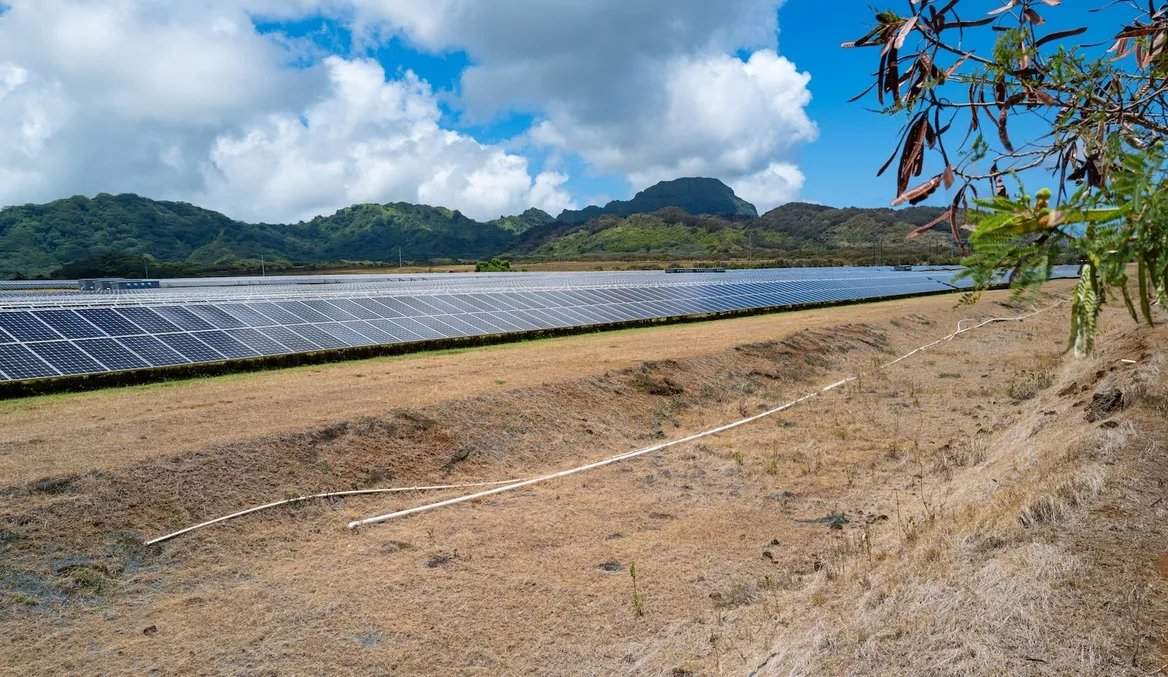
An analysis by economist Michael Roberts concluded that investing in solar power rather than natural gas is the best option for reducing electricity costs on Oahu. Although he later retracted the study due to hallucinated data points from an AI assistant, his overall conclusion still stated that "not building new fossil fuel power plants remains the lowest-cost path for Oahu." The state legislature has passed a resolution requiring the Public Utilities Commission to submit findings on reducing residential costs by the end of this year. Chris Lee emphasized that unless someone can guarantee that the price of imported fuel will be far lower than local renewable energy, the numbers simply don't add up.