U.S. FERC Requires Regional Grid Operators to Reassess AI Data Center Interconnection Rules
en.Wedoany.com Reported - In a new ruling, the U.S. Federal Energy Regulatory Commission (FERC) has required regional grid operators to reassess the interconnection process for large transmission customers, particularly AI data centers, and directed relevant entities to submit targeted tariff proposals or provide explanations for their existing policies.
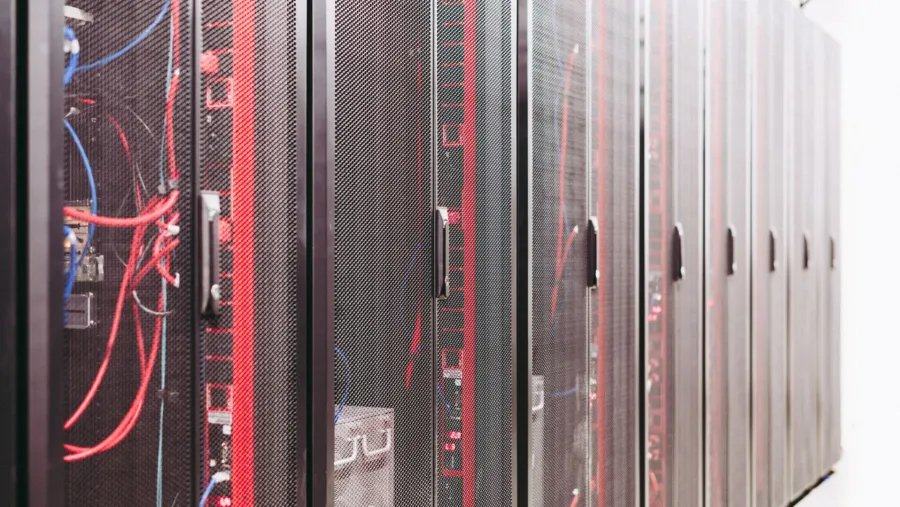
The commission issued orders to all six Regional Transmission Organizations (RTOs) and Independent System Operators (ISOs) under its jurisdiction, requiring them to review their interconnection policies to accommodate the demands of large transmission-connected loads such as AI data centers, semiconductor manufacturing facilities, and advanced industrial plants.
The current interconnection process was originally designed to address gradual load growth and did not anticipate the rapid nationwide emergence of AI campus clusters ranging from 100 to 500 megawatts. According to the U.S. Energy Information Administration, electricity demand has grown by approximately 2% annually over the past five years, reversing decades of modest growth trends and adding pressure to an already strained transmission system. The power consumption of such large-scale projects is equivalent to that of a medium-sized city, and the planning challenges they pose exceed the capabilities of existing interconnection study methods. Current interconnection procedures typically assess these massive facilities using processes designed for conventional industrial or commercial users, but large projects often require significant transmission upgrades, may alter regional power flows, and spark disputes over who bears the upgrade costs.
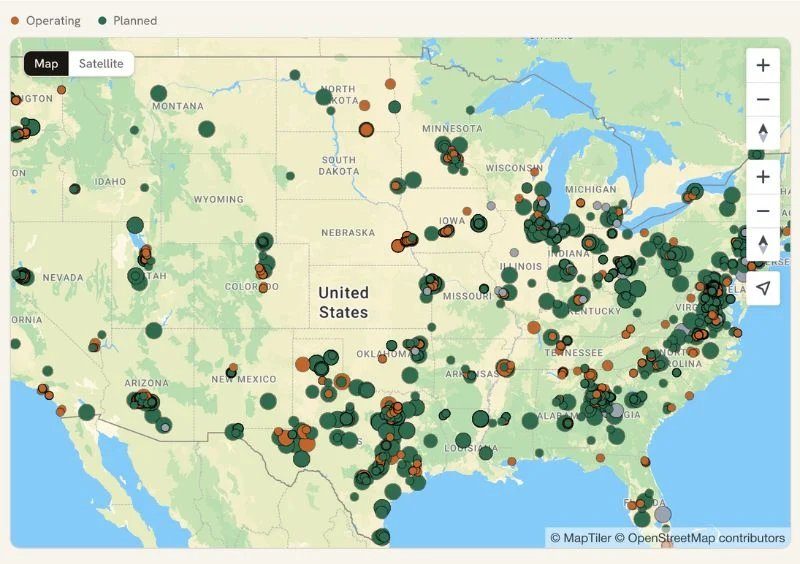
Cleanview's tracking data shows that there are currently nearly 1,600 planned data center projects in the United States, with a total future electricity demand of 367 gigawatts, compared to the current operational capacity of approximately 52 gigawatts. Some regions are already feeling this growth pressure. For example, PJM Interconnection estimates that data center development will contribute about 30 gigawatts of the approximately 32 gigawatts of peak demand growth expected by 2030. FERC's action comes as regional interconnection queues continue to accumulate, with thousands of generation and energy storage projects totaling over 2 terawatts of capacity nationwide awaiting grid connection. According to Lawrence Berkeley National Laboratory, the median interconnection process duration for projects entering commercial operation in 2025 has exceeded five years.
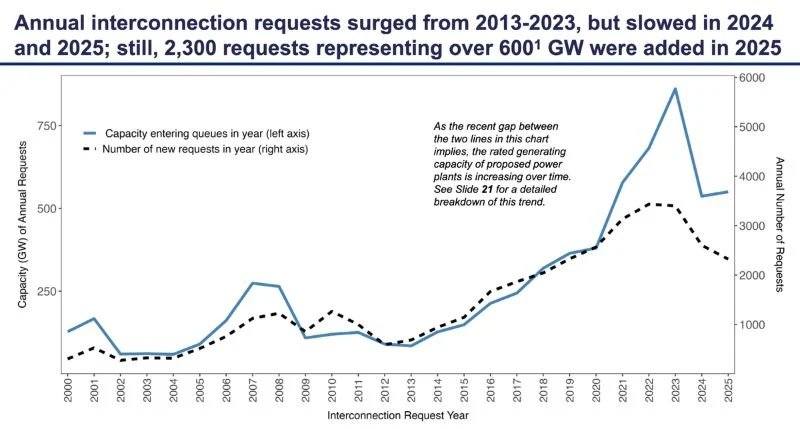
This process affects electricity markets serving over 200 million Americans across more than 30 states. The commission requires each of its six operators to either demonstrate that their existing tariff adequately addresses large load interconnection issues or propose region-specific revisions.
Specifically, RTOs and ISOs need to review five areas: study methodologies for large load requests, planning and funding for transmission upgrades, treatment of co-located generation, whether emerging technologies can reduce infrastructure costs, and how regional planning can account for sustained growth in demand.
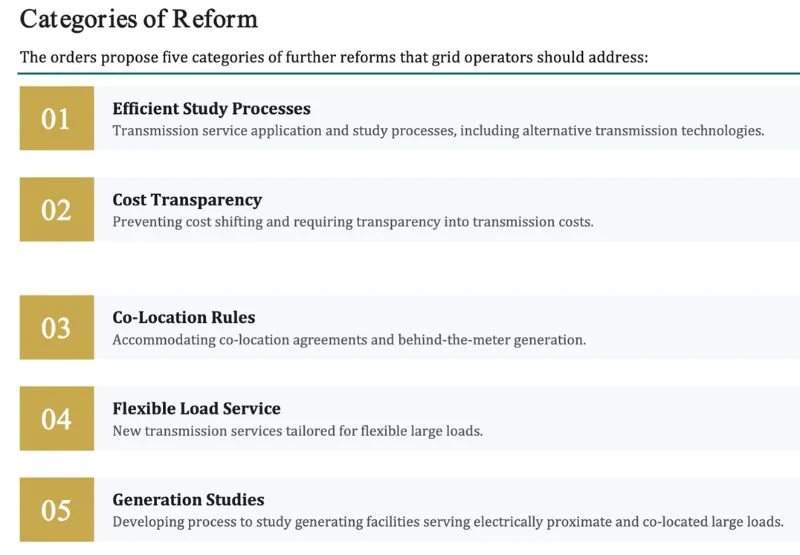
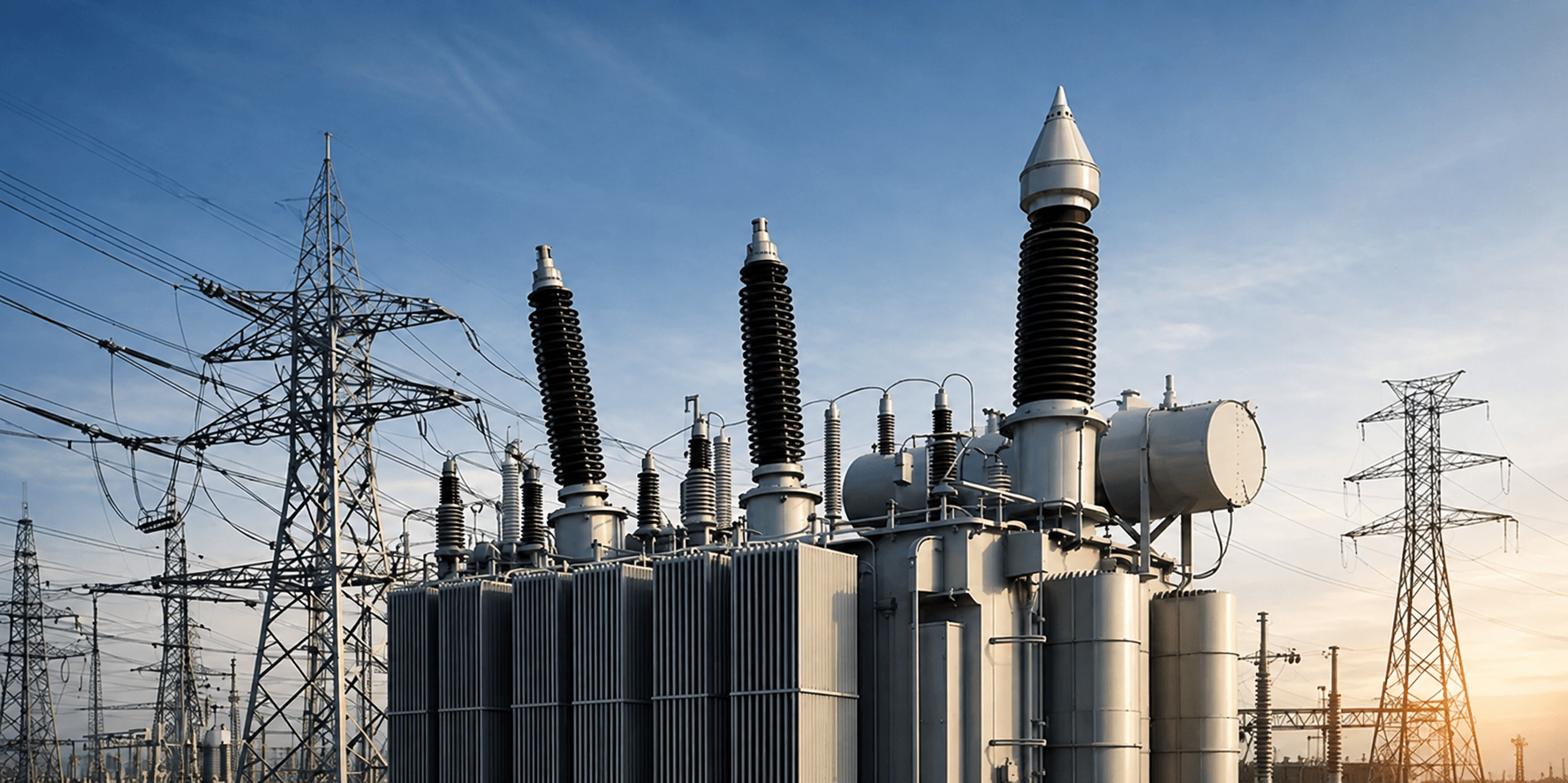
Co-located generation is a key area of review, as an increasing number of hyperscale developers, such as Google, are pairing new data centers with dedicated natural gas power plants, nuclear facilities, or renewable energy generation to ensure reliable power supply. FERC also requires grid operators to assess whether newer transmission technologies can delay or reduce the need for traditional grid upgrades when serving large new loads. These technologies include dynamic line ratings, advanced power flow control, and other grid-enhancing technologies, aimed at increasing the capacity and efficiency of existing transmission lines before utilities invest in new infrastructure.
Under the order, each RTO and ISO must submit a report within 30 days describing its plan to maintain resource adequacy amid growing demand. Within 60 days, each organization must either defend its current transmission tariff or submit proposed revisions for large load interconnection.
Related Products


Perfluorinated Ionic Membrane-CM-10N Series Membrane
Guizhou Juneng Century Technology Co., Ltd
Double-slide Triple-sealed Hot Air Isolation Door
Xi'an Yingchuan Electric Power Equipment Co., Ltd.
40.5kV-1100kV Gas Insulated Metal-Enclosed Switchgear (GIS)
Henan Pinggao Electric Co., Ltd.
Optional Accessory - Auxiliary Sampling Module
Beijing Soaring Electric Technology Co., Ltd.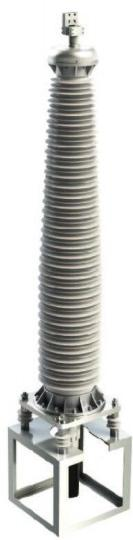
220kV Composite Outdoor Cable Terminal
Shenyang Guolian Cable Accessories Manufacture Co., Ltd.
Forest and Grassland Heat Source Infrared Monitor
China Huayun Meteorological Technology Group Co., Ltd.
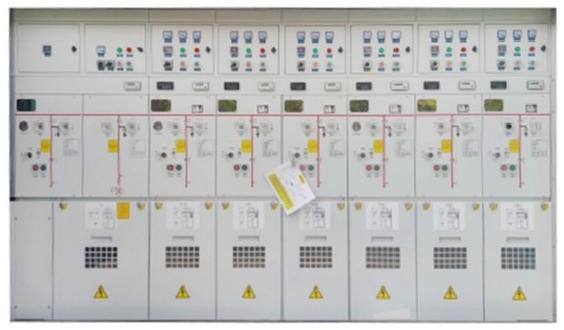
NISELA Series Environmentally Friendly Gas-Insulated Ring Main Unit
XJ DELISHIER ELECTRIC CO., LTD.